

3000 W Big Trail Dr, Jackson Hole, WY 83001
To contact a resident: (307) 734-0500
For more information about senior living options: (866) 208-4318
Legacy Lodge at Jackson Hole Costs & Pricing
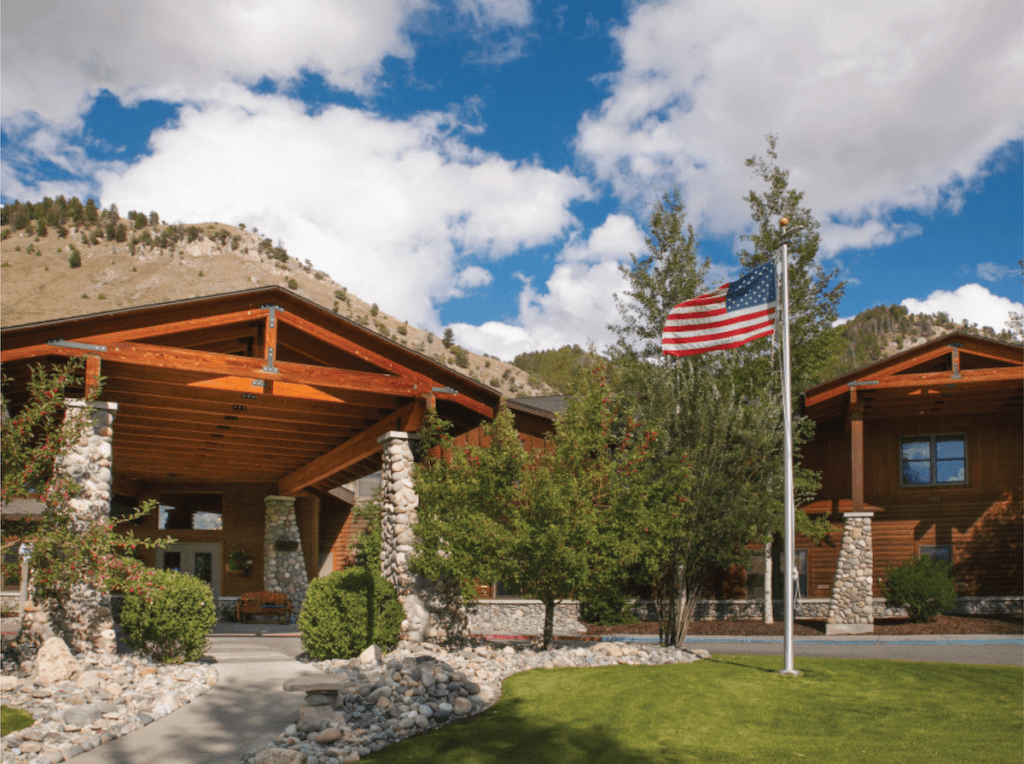
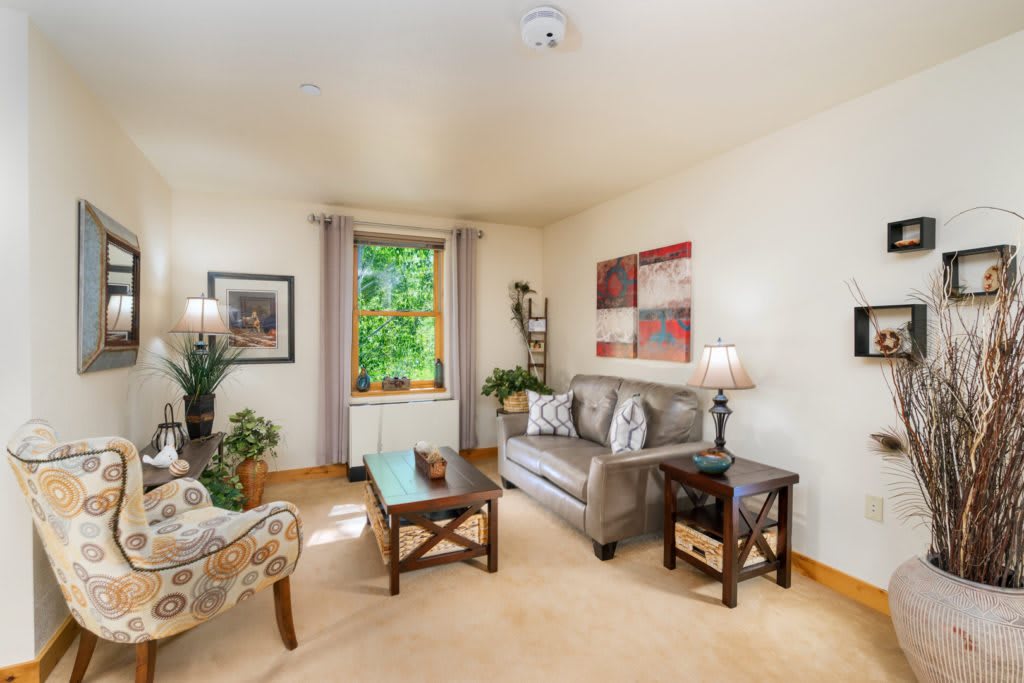
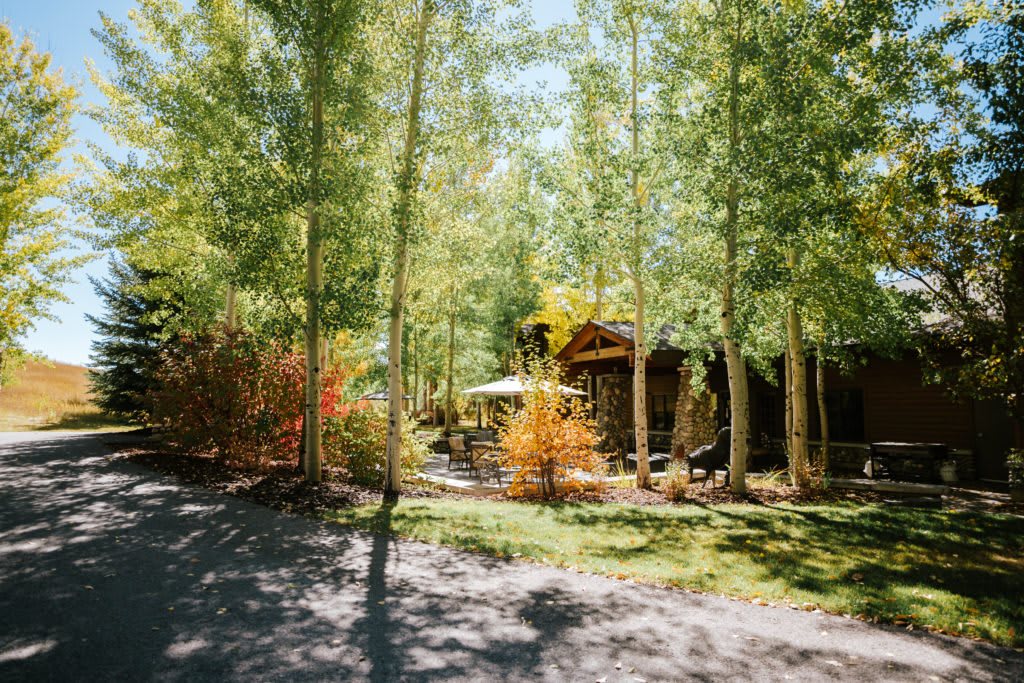
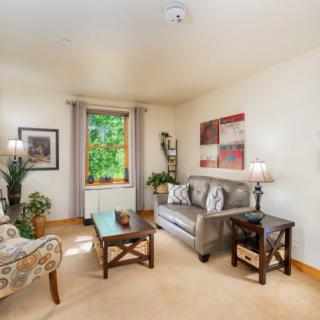
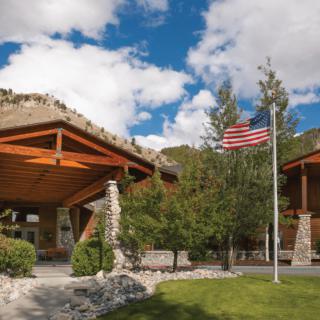
Legacy Lodge at Jackson Hole offers a distinctive lodging experience, reflected in its pricing structure that aligns with the elevated costs typical of Teton County and the broader state of Wyoming. The monthly rates for accommodations at Legacy Lodge are notably higher than the statewide averages, illustrating the premium associated with its location and amenities. For instance, a studio is priced at $4,554, matching Teton County's rate but significantly exceeding Wyoming's average of $3,322. Similarly, the one-bedroom unit at $5,195 also matches local prices while surpassing the state average of $3,890. The two-bedroom option stands at $5,845 - again consistent with Teton County but well above Wyoming's average of $4,540. This pricing reflects not only the high demand for real estate in this renowned tourist destination but also underscores Legacy Lodge's commitment to providing an exceptional living experience amidst the stunning landscapes of Jackson Hole.
| Floor plans | Legacy Lodge at Jackson Hole | Teton County | Wyoming |
|---|---|---|---|
| Studio | $4,554 | $4,554 | $3,322 |
| 1 Bedroom | $5,195 | $5,195 | $3,890 |
| 2 Bedrooms | $5,845 | $5,845 | $4,540 |
Overall Review of Legacy Lodge at Jackson Hole
Pros
 They changed her mother's life.
- In the last 20 months, she was surrounded by people who genuinely cared about her.
- That care changed their lives as well.
- They thank Legacy Lodge from the bottom of their hearts.
Review
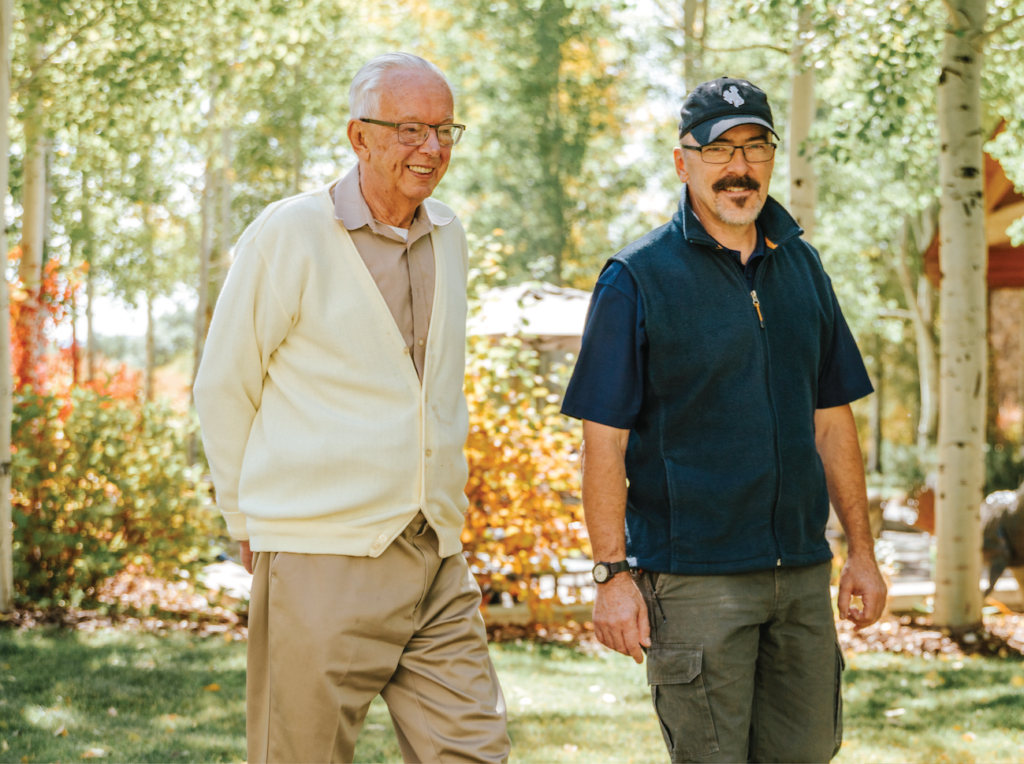
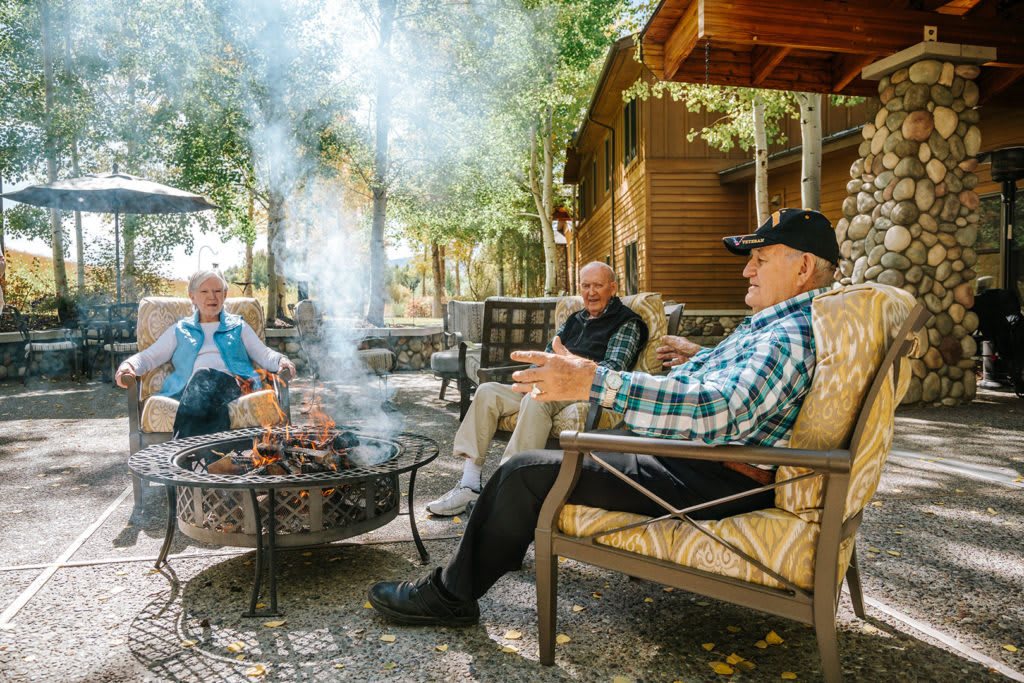
Legacy Lodge at Jackson Hole is best suited for families seeking a tightly knit, person-centered assisted living experience in Jackson Hole, where residents are treated as individuals and caregivers invest time in meaningful daily interactions. The community is a strong fit for seniors who prize warmth, dignity, and genuine human connection, with staff members who quickly become familiar with each resident’s preferences, routines, and life story. In this setting, daily life is shaped by relationships as much as by routines, and that relational approach translates into a noticeable uplift in mood, engagement, and overall quality of life for residents.
Those weighing alternatives should consider whether a higher level of medical oversight, specialized memory care, or more extensive independent living options are required. If rapid access to skilled nursing, complex clinical management, or a broader continuum of care is necessary, other communities may better meet those needs. Additionally, families on a tighter budget or seeking a wider array of service packages might find other regions or brands more flexible on pricing or program structure. For residents who value a big-city pace or highly diversified programming, the intimate scale here may feel limiting.
The strongest pro is the demonstrated, consistent commitment of staff to residents’ well-being. Families describe a life-changing impact on their loved ones, with caregivers who are genuinely invested in daily happiness, comfort, and meaningful activity. That kind of care creates a sense of safety and belonging, reducing isolation and fostering dignity in the final chapters of life. When the heart of the community is a dependable, compassionate caregiving culture, residents experience improved mood, greater participation in activities, and a steadier daily rhythm, all of which can offset the natural challenges of aging.
Because the available feedback is intensely favorable on care culture, potential drawbacks are less explicit but worth noting. In a smaller, resort-town facility, there may be limits on on-site medical resources and the breadth of clinical services compared with larger or more hospital-adjacent communities. Costs in high-desirability locations can be a factor, and some families might prefer more extensive transportation options or a wider variety of enrichment programs. The offset comes from the highly personalized attention, where staff-to-resident time and attentiveness often exceed expectations for the price point.
Practical criteria for evaluating Legacy Lodge should focus on care philosophy and daily life. Prospective families should inquire about staff-to-resident ratios across shifts, the process for individualized care planning, and how daily activities are curated to match resident interests. Ask to observe a typical day, review a sample activity calendar, and speak candidly with current residents or families about perceived gaps between promises and lived experience. Clarify what medical services are readily available on-site versus through partnerships, and confirm how emergencies are handled after hours.
In the end, Legacy Lodge at Jackson Hole stands out for families prioritizing a life-affirming, relationship-driven environment where staff genuinely care and residents are treated with consistent warmth. It is the clear recommendation for those who view caregiving as a personal bond rather than a transactional service and who want a setting that supports emotional well-being as a core element of daily life. For families needing more robust clinical oversight, memory-specific programs, or broader affordability options, it is wise to explore alternatives while using Legacy Lodge as a benchmark for what exceptional caregiving looks like in practice. A guided tour and candid conversations with staff will illuminate whether this community aligns with the resident’s needs and family expectations.
 Assisted Living
 Independent Living
 Cats allowed
 Dogs allowed
 Activities off-site
 Air-conditioning
 Beautician on-site
 Cable or satellite TV
 Devotional services off-site
 Ground floor units
 Handicap accessible
 Indoor common areas
 Kitchenette
 Outdoor common areas
 Respite or short term stays offered
 Wheelchair accessible showers
 Wi-Fi/high-speed internet available
 Jackson Hole (12 miles away)
 Ambulatory care
 Diabetic care
 Incontinence care
 Medication management
 Gluten-free
 Art classes
 Catholic services
 Day trips and outings
 Educational speakers / life long learning
 Happy hour
 Jewish services
 Wine tasting



 Comprehensive Insights into Activities of Daily Living (ADLs) and Their Assessment
 Medicare Coverage for Assisted Living: An In-Depth Exploration
 Choosing the Right Senior Care: A Detailed Exploration of Assisted Living and Nursing Homes