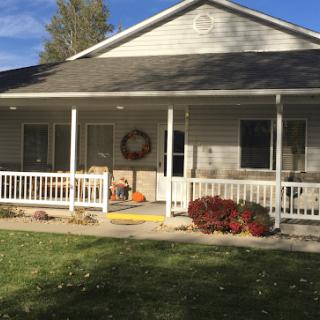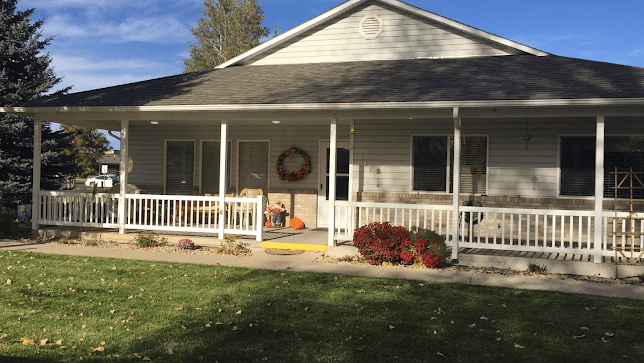
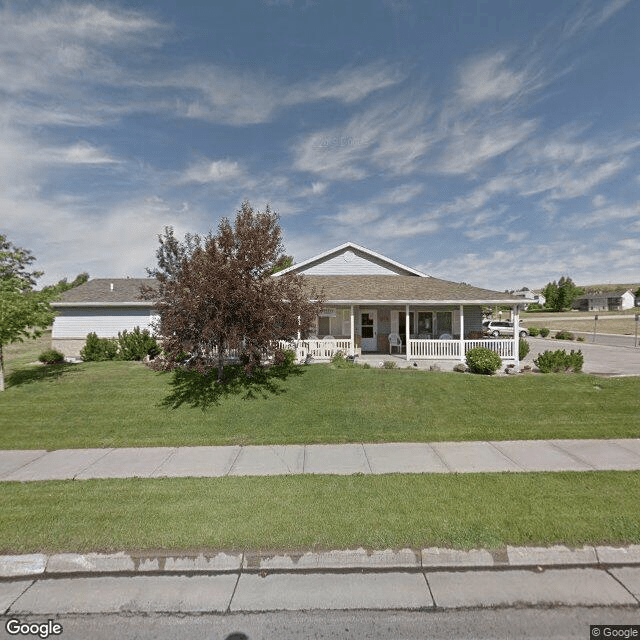
2300 Harder Dr., Gillette, WY 82718
To contact a resident: (307) 682-3406
For more information about senior living options: (866) 208-4318
Willow Creek of Gillette Costs & Pricing
At Willow Creek of Gillette, the monthly costs for living arrangements are highly competitive when compared to both Campbell County and the broader state of Wyoming. For a studio apartment, residents pay $3,275, which aligns with the county average but is slightly below the state average of $3,322. Similarly, for a one-bedroom unit, the cost is set at $3,400 - again on par with Campbell County's pricing but notably lower than Wyoming's average of $3,890. This positions Willow Creek as an attractive option for potential residents seeking quality accommodations without exceeding local financial expectations.
| Floor plans | Willow Creek of Gillette | Campbell County | Wyoming |
|---|---|---|---|
| Studio | $3,275 | $3,275 | $3,322 |
| 1 Bedroom | $3,400 | $3,400 | $3,890 |
Overall Review of Willow Creek of Gillette
Pros
 It is a wonderful, family-owned assisted living facility.
- The family works hard to provide the best for its residents.
- They strive to be the best and care for all the residents.
Cons
 They are not equipped to deal with anything but the healthiest patients, and only one at a time.
- Their skills are very limited.
- They only have one employee on site at a time and claim to be able to deal with complex issues.
- They could not provide the things needed for the resident’s care as promised.
- The cost of care was disappointing.
- They would not take the resident to the hospital when he contracted Covid.
Review
Willow Creek of Gillette is best suited for families seeking a small, family‑owned atmosphere where residents receive steady, personal attention and daily routines are guided by the people running the home. This community fits seniors who are relatively healthy or require only light daily support, and who value a homey, relationship‑driven environment over extensive clinical services. For families prioritizing warmth, consistent staff presence, and direct access to owners, Willow Creek delivers a compelling sense of accountability and a notch above a generic facility feel. It works when the need is predictable, and when the priority is trust and continuity in daily care.
Those evaluating options should explicitly consider when complex medical needs are likely or could arise. Alternatives with larger staffs, licensed nurses on site, and robust emergency transfer protocols are preferable for residents who require ongoing skilled care, frequent medication management, complex wound care, or rapid escalation of issues. If safety plans depend on rapid multi‑discipline intervention, or if the resident’s condition can change quickly, a multi‑staff community with formal clinical resources will generally outperform a small, single‑staff model. The question is not only cost but whether care capacity aligns with current and anticipated needs.
On the upside, the facility’s family ownership and visible dedication translate into a warmer atmosphere and a willingness to adapt to individual routines. Families report staff who are clearly invested in residents, with a level of attentiveness that can feel personal and reassuring. This can reduce stress for relatives who want frequent reassurance and who value a sense of community continuity. The advantage of a smaller setting is fewer layers between residents and decision‑makers, which can speed up simple care adjustments and favor a more individualized approach to daily living tasks.
The most consequential drawbacks center on staffing and capability. The community appears not equipped to handle anything beyond the healthiest residents, and the model relies on one employee on site at a time, which severely limits the capacity to manage chronic conditions, complex needs, or simultaneous care tasks. Statements from staff versus residents’ expectations have raised concerns about what can and cannot be provided, particularly when care plans require more than basic supervision. Cost comparisons also matter: what is offered versus what is charged may not align, leaving families feeling they did not get proportional value for the investment.
These gaps do not erase the value of the pros, but they do define clear boundaries on who Willow Creek serves best. For families with a resident who remains stable, enjoys help with daily living activities, and does not require frequent clinical oversight, the personal touch and consistent routines can still deliver a comfortable, predictable living environment. For anyone facing evolving or higher care needs, the strengths of the setting, trust, attentiveness, and a home‑like vibe, are outweighed by staffing limits and the potential for service gaps. The decision hinges on aligning current needs with a realistic view of how care can scale in this setting.
Before committing, a practical, disciplined due diligence plan is essential. Verify exact services included in the weekly rate and what constitutes “full care” versus “assistance with activities of daily living.” Confirm staffing patterns, on‑site licensed staff availability, and emergency transfer procedures. Demand a written, resident‑specific care plan with measurable milestones and a clear escalation path, including when a move to a higher‑level facility would be triggered. Tour with the lens of safety and responsiveness, meet the direct caregivers and the administrator, and ask for recent resident or family references. Finally, approach the decision with a contingency plan: if care needs escalate, have a clear timeline and criteria for transitioning to a facility with broader clinical capacity.
 Assisted Living
 Memory Care
 Activities on-site
 Devotional services off-site
 Indoor common areas
 Gillette-Campbell County (5 miles away)
 Ambulatory care
 High acuity care
 Incontinence care
 Medication management
 Meals provided

 Five Subtle Dementia Indicators to Observe: An In-Depth Guide to Understanding “Does My Mom Have Dementia?”
 Dementia, Paranoia, and Caregiver Guidance: Understanding the Connection
 Engaging Memory Care Activities That Enhance Quality of Life