
1000 South Douglas Highway, Gillette, WY 82716
For more information about senior living options: (866) 208-4318
Overall Review of Legacy Living And Rehabilitation Center
Pros
 The nurses were nice.
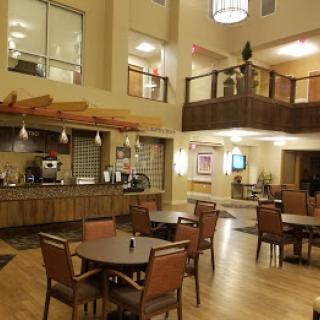
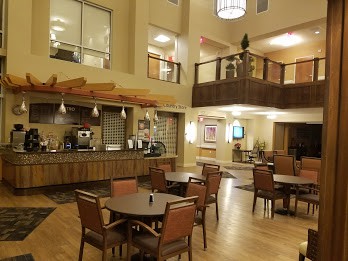
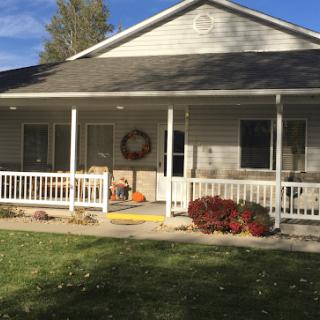
- The Legacy building is absolutely gorgeous.
- Elkhorn has two doctors who check in on every patient every morning to see how they are and if there is anything they need.
Cons
 They were not happy at Legacy.
- There were no staff trained in dementia to care for the dad.
- The dad wandered outside and could not get back in because of his dementia and memory issues.
- The facility had a chronic shortage of staff.
- No one was around during weekends.
- The patient did not receive the needed therapy.
- The patient was left unattended by a therapist, and the machine pulled on him and he could not turn it off.
- The patient developed a hernia requiring surgery.
- The patient had an inguinal hernia that protrudes and must be pushed back in.
- A nurse refused to address the issue, and nothing was done.
- There were no doctors around; Elkhorn had only two doctors checking in each morning.
- Pain medication was not properly regulated; the patient was in pain and no nurse was around to check or administer meds.
Review
Legacy Living and Rehabilitation Center in Gillette is best suited for seniors who expect a relatively light-touch care setting and for families prepared to provide vigilant, ongoing supervision. The facility presents as a well-kept, attractive building with courteous staff on duty, which can be appealing to residents needing short rehab or a more independent assisted-living arrangement. However, the care model appears to hinge on consistent staffing and proactive management that does not reliably materialize. For residents with dementia or other high-acuity needs, this is not the right fit, as safety gaps and uneven access to therapy create persistent risk rather than predictable, steady support.
Families should consider alternatives if dementia care expertise, round-the-clock nursing coverage, and physician oversight are nonnegotiable. In markets where on-site doctors check in daily and therapy teams are reliably staffed, the contrast is stark and meaningful for decision-making. If a loved one requires frequent therapeutic sessions, timely pain management, and immediate responses to shifting conditions, a facility with stronger staffing discipline and medical oversight will likely deliver more dependable outcomes. In short, this is a place to assess carefully only when those higher service levels are not essential.
The most salient pros, an appealing physical environment and some friendly, professional staff, do not meaningfully offset the core cons. The building’s aesthetics may reduce some stress and provide a pleasant backdrop, but appearance cannot substitute for consistent clinical competence or reliable supervision. When therapy is intermittent, weekends are understaffed, and nurses or therapists are unavailable, the advantages of a nice lobby or well-kept hallways quickly fade. The facility’s strengths are amplified only by sustained, competent care; without that, family members end up shouldering the gap.
Dementia care emerges as the most critical fault line. Reviews describe a lack of staff trained specifically to handle dementia, with residents wandering outside unmonitored and unable to re-enter safely. The absence of reliable oversight, no one around during weekends, limited access to doctors, and reports of underregulated medications, turns safety into a moving target. An 86-year-old with postural or cognitive challenges needs steady supervision and prompt intervention. When those elements falter, the risk of accidents or delayed medical responses rises sharply, undermining any potential benefit from physical therapy or routine nursing.
Therapy delivery and pain management are other nontrivial concerns. Alarming anecdotes about a therapist leaving a patient unattended on an exercise machine, resulting in a preventable injury, point to systemic gaps in supervision and safety protocols. Patient pain relief and medication administration appeared inconsistent, with slow or absent responses to requests for relief. In a setting where the primary goals include rehabilitation and comfort, such lapses convert care into a patchwork rather than a coherent program. The consequence is a loss of trust that can be difficult to rebuild, especially for families already navigating complicated health trajectories.
For families navigating a decision, the practical course is clear. If memory care needs, reliable rehab therapy, and constant medical oversight are paramount, pursue facilities known for robust staffing, daily physician input, and clear protocols for safety and pain management. Ask direct questions: what is the nurse-to-resident ratio on evenings and weekends? how many therapists are on-site daily, and what is the plan if a therapist is unexpectedly unavailable? what dementia-specific training exists for frontline staff, and how is wandering risk mitigated? A tour should include conversations with current residents and family members about response times and incident handling. Only with concrete assurances on these fronts should Legacy be considered a fit.
In the end, Legacy Living and Rehabilitation Center may suit families prioritizing aesthetics and a moderate level of daily assistance, provided there is meticulous external oversight and a reliable safety net. For anyone whose loved one depends on consistent therapy, proactive dementia care, and constant medical presence, alternatives are strongly recommended. The verdict: a cautious, conditional choice, best avoided for higher-acuity needs, remembered for a commendable physical setting and the potential for better outcomes only if staffing and oversight are decisively improved.
 160 resident community capacity
 Assisted Living
 Skilled Nursing Facility
 Air-conditioning
 Beauty salon
 Cable or satellite TV
 Computer center
 Dining room
 Fitness room
 Fully furnished
 Gaming room
 Garden
 Housekeeping services
 Kitchenette
 Move-in coordination
 Outdoor space
 Private bathrooms
 Restaurant-style dining
 Small library
 Telephone
 Wellness center
 Wi-Fi/high-speed internet available
 Gillette-Campbell County (5 miles away)
 Community operated transportation
 24-hour call system
 Activities of daily living assistance
 Assistance with bathing
 Assistance with dressing
 Assistance with transfers
 Diabetes diet
 Medication management
 Special dietary restrictions
 Concierge services
 Planned day trips

 Beyond the Bingo Hall: 50+ Enriching Activities for Seniors in Assisted Living
 Understanding the Distinctions: Assisted Living and Memory Care Explained
 Guiding Elderly Parents Who Refuse Assisted Living: 6 Practical Steps