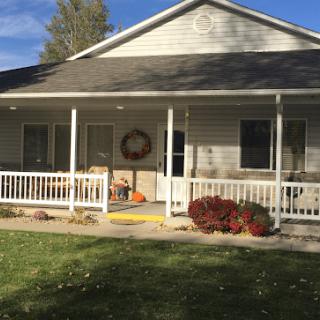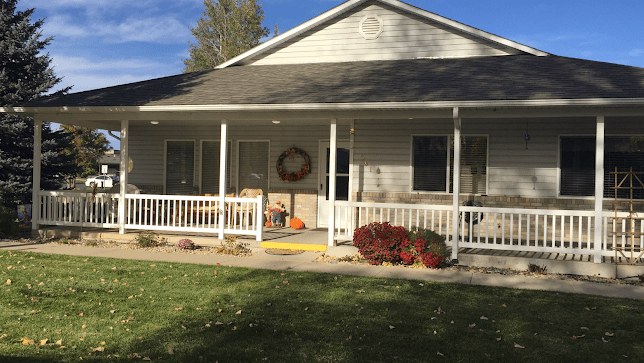
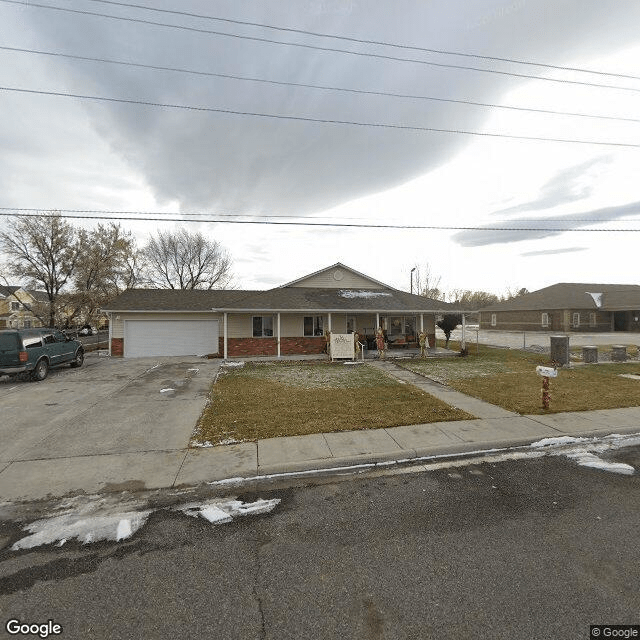
2716 Cougar Ave, Cody, WY 82414
To contact a resident: (307) 527-7355
For more information about senior living options: (866) 208-4318
Willow Creek of Cody Costs & Pricing
At Willow Creek of Cody, the monthly costs for accommodations are notably competitive when compared to both Park County and the broader state of Wyoming. For instance, a studio room is priced at $3,275, which is more economical than the county average of $3,628 and slightly below the state average of $3,322. Similarly, the 1-bedroom suite at Willow Creek is available for $3,400 - again undercutting Park County's average rate of $3,798 and offering a better value compared to Wyoming's statewide average of $3,890. These price points reflect Willow Creek's commitment to providing quality living options that remain accessible within the region while catering to the needs of its residents.
| Floor plans | Willow Creek of Cody | Park County | Wyoming |
|---|---|---|---|
| Studio | $3,275 | $3,628 | $3,322 |
| 1 Bedroom | $3,400 | $3,798 | $3,890 |
Memory care communities with a similar price nearby
-
from -$535 / mo
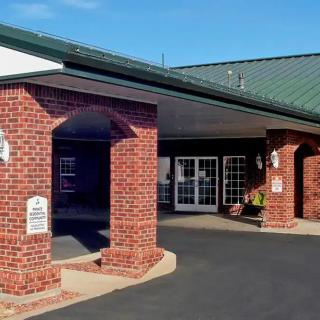
Absaroka Senior Living
$2,740 to $4,515 / month0.3 miles away
Overall Review of Willow Creek of Cody
Pros
 The facility offers a homelike environment with caring, loving staff.
- It makes a meaningful difference for residents who can no longer live alone, providing a compassionate nursing home setting.
- The staff take great care of the residents and are described as great people.
- Families have trusted the facility for years, reflecting long-standing positive care.
Review
Willow Creek of Cody is best suited for seniors who can no longer live independently but want a warm, homelike environment with consistently caring staff. The setting prioritizes comfort and routine over a clinical atmosphere, easing the transition from living alone to assisted living. Families facing that change will notice a tone of familiarity, with daily life that resembles a well-supported home rather than an institution. For residents who value personal attention, steady schedules, and a sense of belonging, Willow Creek delivers a welcoming, steadying atmosphere.
Those needing high-acuity medical care or complex skilled nursing should consider alternatives. The reviews highlight care and staff dedication, but there is no mention of aggressive medical oversight or extensive therapy programs. If a loved one requires frequent skilled interventions, respiratory support, or rigorous monitoring, a setting with broader clinical capabilities may be a better fit. Additionally, families seeking a highly bustling activity calendar or specialized services beyond daily assistance might want to compare options.
Key strengths revolve around a homelike atmosphere and a staff described as caring and loving. Residents appear to receive attentive, consistent care, supported by long-tenured employees who stay with the community for years. That stability translates into familiar faces, trusted routines, and an emotional ease that makes care feel less transactional. The message across family testimonials is clear: great people, genuine concern, and a sense of belonging. In practical terms, this translates into fewer disruptions for residents and reassurance for families during the care transition.
In weighing pros against the absence of explicit downsides in reviews, the homelike setting and dependable staff emerge as the decisive offset. The environment reduces the sense of loss that often accompanies relocation, while consistent caregivers minimize confusion and miscommunication. The main risk, implied rather than stated, is whether medical needs can be managed within the available team and resources; if those needs escalate, more clinical settings may be required. Still, for many who simply need daily assistance with meals, mobility, and routine tasks, the positives carry significant weight.
Practical steps for evaluating Willow Creek include observing interactions between staff and residents, assessing responsiveness to call bells, and confirming the accessibility of dining options and common areas. Tours should probe staff ratios, the stability of caregiving teams, and the ways residents engage socially. Asking about transition experiences, family communication, and examples of individualized care plans helps determine fit. While reviews emphasize a caring culture, prospective residents should verify that the level of care aligns with current needs and that plans exist for anticipated changes in health status.
Overall, Willow Creek of Cody stands out for families seeking a nurturing, home-like environment with reliable, long-tenured caregivers and a palpable sense of community. It is a strong match for residents who prioritize comfort, stability, and a personable care team over a hospital-like atmosphere. For those whose needs include higher medical acuity or more expansive clinical programming, alternatives should be explored. A focused visit, combining conversations with staff, resident observation, and a review of updated care plans, will reveal whether this community can maintain the level of support required as needs evolve.
 Assisted Living
 Memory Care
 Activities on-site
 Devotional services off-site
 Indoor common areas
 Yellowstone Regional (1 miles away)
 Ambulatory care
 High acuity care
 Incontinence care
 Medication management
 Meals provided


 8 Key Indicators That Suggest It May Be Time to Transition from Assisted Living to Skilled Nursing Care
 Nourishing the Mind: Essential Dietary Approaches for Dementia
 Understanding Dementia Behaviors: Practical Insights and Strategies for Caregivers