
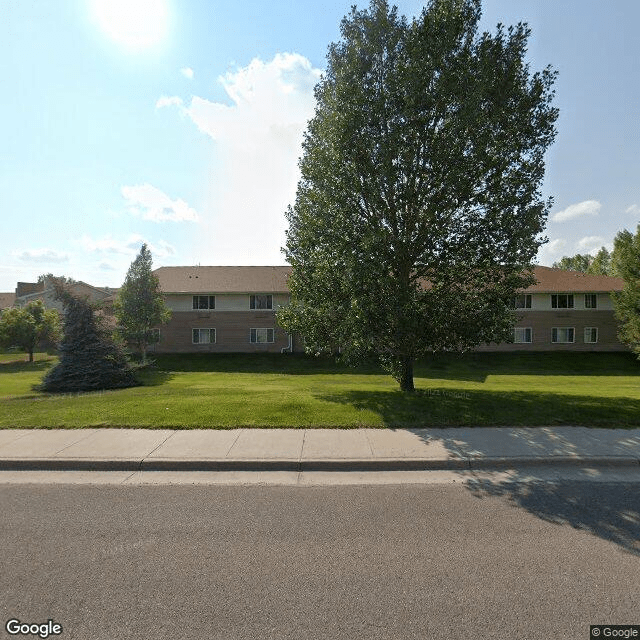
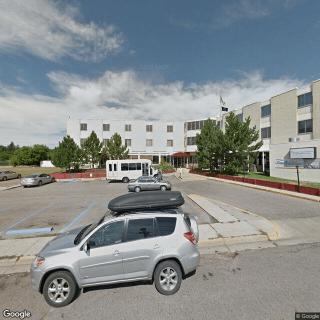
4606 N College Dr, Cheyenne, WY 82001
To contact a resident: (307) 638-7798
For more information about senior living options: (866) 208-4318
Sierra Hills Costs & Pricing
Sierra Hills presents a competitive pricing structure for its accommodations when compared to both Laramie County and the broader state of Wyoming. For a studio apartment, residents can expect to pay $2,995, which is slightly above the county average of $2,702 but notably more affordable than the state average of $3,322. The 1-bedroom option at Sierra Hills is priced at $3,625, again higher than Laramie County's rate of $3,207 yet still lower than the state average of $3,890. Similarly, for two-bedroom units, Sierra Hills charges $4,095 compared to Laramie County's $3,678 and Wyoming's overall average of $4,540. While Sierra Hills tends to be on the higher side within the county, it offers substantial value relative to statewide costs, making it an appealing choice for many prospective residents seeking quality living options in the area.
| Floor plans | Sierra Hills | Laramie County | Wyoming |
|---|---|---|---|
| Studio | $2,995 | $2,702 | $3,322 |
| 1 Bedroom | $3,625 | $3,207 | $3,890 |
| 2 Bedrooms | $4,095 | $3,678 | $4,540 |
Assisted Living communities with a similar price nearby
-
from -$405 / mo
Pointe Frontier Retirement
$2,590 to $3,530 / month2.4 miles away -
from +$100 / mo
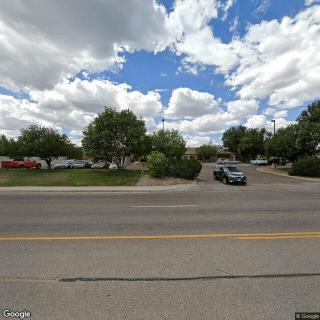
Aspen Wind
$3,095 to $3,505 / month0.4 miles away -
from +$505 / mo

Continue Care Home Health Agency
$3,500 / month3.8 miles away
Overall Review of Sierra Hills
Pros
 The facility treats employees like family.
- Management is open to ideas from employees.
- It is a great place to work.
- The team cares deeply about residents and advocates for them.
- The new management has been a blessing.
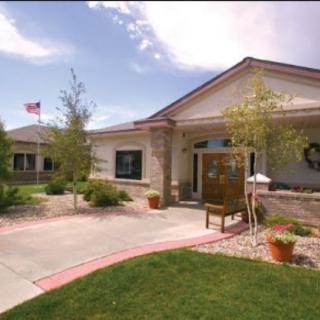
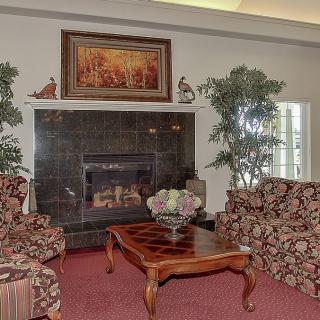
- The environment is clean, spacious, and well maintained.
- The staff are friendly, welcoming, and attentive.
- The activities director and staff plan engaging events that residents and staff enjoy.
- Residents receive excellent care and are engaged in meaningful activities.
Cons
 The staff do not have the residents' best interests in mind.
- They are not professional caregivers to the residents.
- They are self-righteous, judgmental, and very unprofessional.
- They ship residents off to rent kitchenette apartments for others when residents cannot assist themselves.
- They are a disgrace to the healthcare professions.
Review
Sierra Hills in Cheyenne, Wyoming is best suited for families seeking a warm, home-like assisted living where residents are treated with genuine affection, and where staff engagement and resident advocacy are front and center. This community shines when the goal is daily life that feels personal, not transactional. Prospective families will value a large, clean facility that is well maintained, with a culture that invites input from residents and employees alike. Management turnover has been addressed with a restructuring that emphasizes open communication, so those who want to influence care planning and programming will find a receptive environment.
Those who may want to consider alternatives are those who prioritize an ultra-structured, uniformly professional approach across every shift or have higher medical needs requiring more intensive oversight. A minority of voices in the feedback pool express concern about staff professionalism and resident care philosophy, suggesting potential inconsistencies in experience. For families with stringent expectations around caregiver boundaries and a strictly standardized bedside routine, it pays to explore other options and to verify how Sierra Hills handles caregiver training, accountability, and escalation of concerns before committing.
The strongest offset to these caveats is the culture of care that permeates the community. Visitors repeatedly notice smiling, welcoming staff and a resident-centered ethos, with nurses and CNAs described as wonderful by families and residents who rely on them daily. The staff’s willingness to advocate for residents, the genuine bonds formed, and the palpable sense of “family” translate into meaningful moments for residents, whether through celebrations of diverse cultures or the regular rhythm of engaging activities. An active director and programming team keep residents involved, with showcases of veterans’ service and family-friendly performances that reinforce belonging rather than confinement.
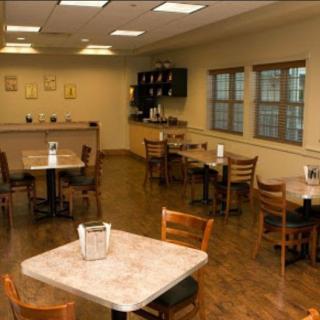
Cleanliness and environmental quality further reinforce the positive offset. The building’s size and layout are paired with consistent maintenance and a tidy, inviting atmosphere. Families repeatedly comment on the level of care-through-cuisine, noting good, even praised, food, which, alongside attentive rounds from caregivers, supports well-being and appetite. The facility’s emphasis on social engagement, an essential ingredient for quality of life in assisted living, manifests in an array of events that keep residents socially connected, mentally engaged, and emotionally engaged with their community.
From a decision-making standpoint, Sierra Hills offers a compelling balance for those who value resident advocacy and staff-driven warmth. Tours should focus on observing real-time interactions: how staff respond to questions, how residents initiate conversations with caregivers, and whether the atmosphere feels collaborative rather than prescriptive. Potential residents should inquire about turnover trends, the clarity of care plans, and how suggestions from residents and families are acted upon. It is prudent to probe how any complaints are handled, and to ask to speak with a few current residents about day-to-day experiences to confirm that the beloved “family” vibe isn’t just during visits.
In the end, Sierra Hills presents a practical, strong choice for families prioritizing warmth, engagement, and a community that treats residents like family. The overall experience leans toward daily life that is active, affectionate, and well-supported by a staff that is often praised for attentiveness and personal connection. Yet the presence of at least one sharply negative review cannot be ignored; it signals the importance of careful due diligence and direct conversations with leadership about staffing philosophy, training, and escalation processes. For families seeking a lively, people-centered environment with visible resident advocacy, Sierra Hills is a solid contender worth pursuing; for those requiring unwavering uniformity or heightened professional boundaries, alternatives should be explored before making a final commitment.
 Assisted Living
 Cats allowed
 Dogs allowed
 Activities on-site
 Beautician on-site
 Devotional services off-site
 Indoor common areas
 Respite or short term stays offered
 Wheelchair accessible showers
 Cheyenne (3 miles away)
 Ambulatory care
 Diabetic care
 Meals provided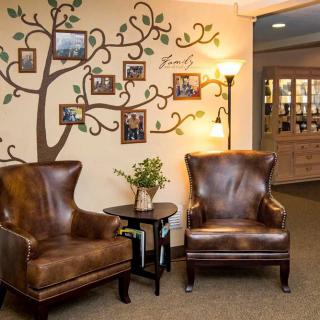

 Understanding the True Cost of Assisted Living in 2025: A Comprehensive Guide
 Understanding Medicaid Coverage for Assisted Living: A Comprehensive Guide
 How and When Medicaid May Cover Assisted Living Costs