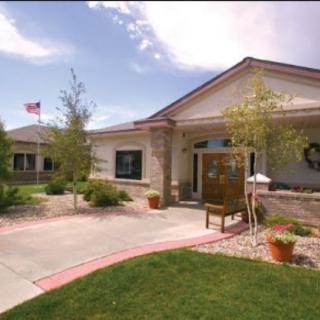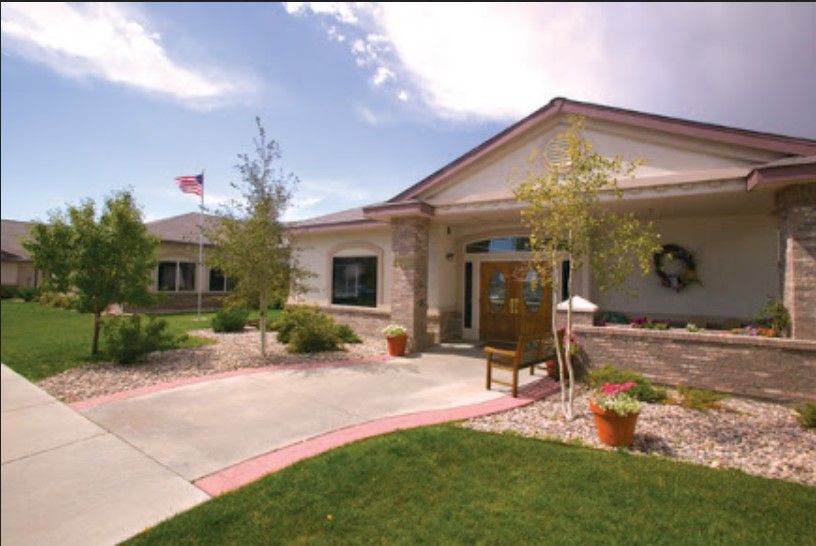
4010 North College Drive, Cheyenne, WY 82001
For more information about senior living options: (866) 208-4318
Overall Review of Aspen Wind Assisted Living Community
Pros
 The facility is amazing from management to housekeeping.
- Activities are top-notch and create a contagious energy that makes residents smile and laugh.
- The staff are top-notch caregivers who are responsive to residents’ and families’ needs.
- Aspen Wind provides great care with a friendly, welcoming staff.
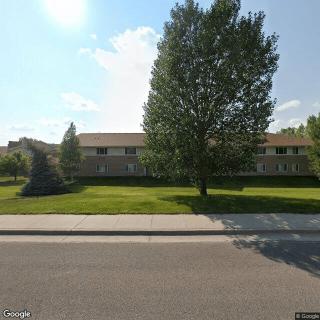
- The facility is clean and well kept, with care effectively managed by the team.
- The staff treat residents with genuine care, as if they were their own family.
- The team shows heart-of-gold compassion and goes above and beyond for residents and families.
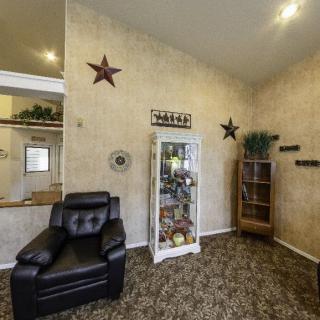
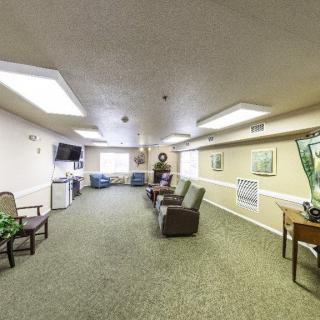
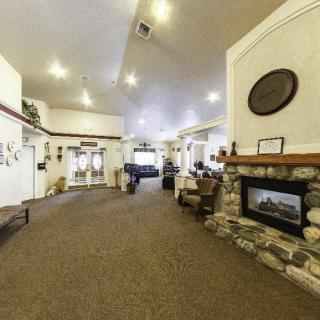
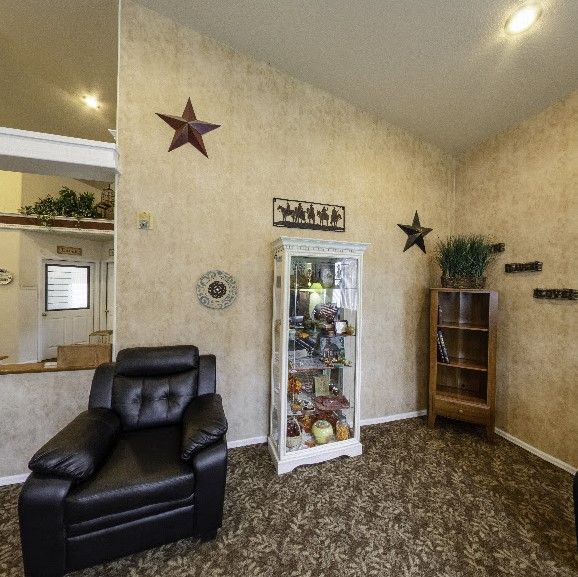
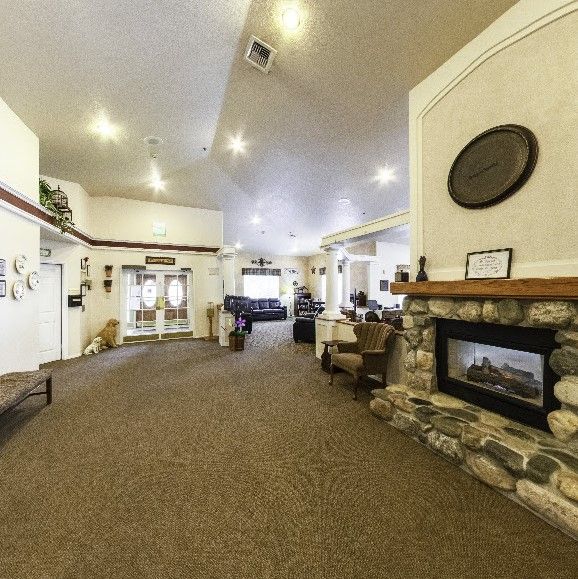
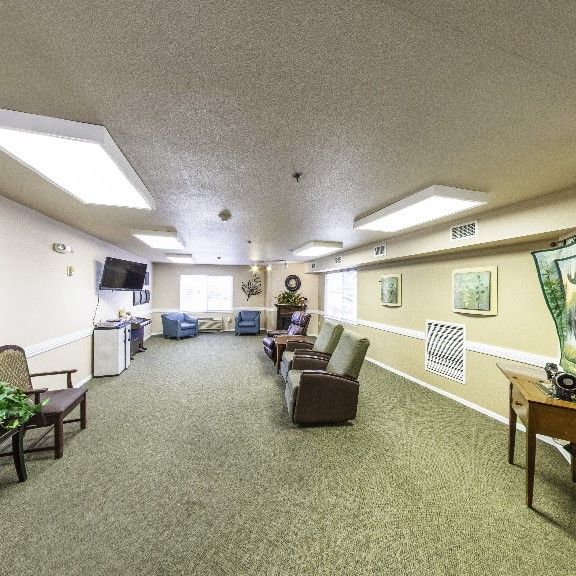
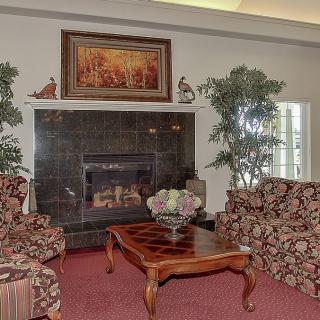
- The environment feels homey and welcoming, with inclusive activities and attentive maintenance.
- Aspen Wind is family-oriented, well managed, with amazing staff across departments, and residents who are well taken care of.
Cons
 One reviewer called the facility trash.
- One reviewer claimed the staff wouldn’t tell them if their grandmother had fallen or was injured.
- One reviewer stated the facility didn’t follow through on almost anything they said would improve her health, mood, or sociability.
- One reviewer said they had to fight to get their grandmother out and regretted having placed her there.
- One reviewer described Aspen Wind as a scary place.
- One reviewer claimed the place killed their dad in less than three weeks.
- One reviewer alleged the facility retained a full month’s cash payment for only three days of service.
- One reviewer noted the father contracted COVID-19 shortly after admission, leading to hospitalization and hospice.
Review
Aspen Wind Assisted Living Community in Cheyenne is best suited for families seeking a lively, family-oriented setting where daily life centers on engaging activities, genuine staff relationships, and a home-like atmosphere. The community clearly rewards residents and families who value sociability and personal connection, with activity programming described as “top notch” and an energy level that keeps residents smiling. It suits seniors who want to stay socially active, participate in exercise classes, crafts, parties, and outings, and who appreciate staff who seem invested in treating residents like family. The fit is particularly strong for those exploring assisted living with optional memory care, since reviewers point to an environment that accommodates varied care needs while maintaining a welcoming, inclusive vibe. For families prioritizing a tight medical team with exhaustive clinical oversight or a larger campus with a more expansive array of specialized services, Aspen Wind may feel secondary to bigger systems.
On the upside, the strongest and most consistent positives center on people and atmosphere. Numerous reviewers praise the staff across departments for warmth, responsiveness, and genuine care, from executive leadership to the CNAs and nurses who interact with residents daily. The activities director is frequently singled out for inclusion and creativity, and the maintenance and transportation teams are noted for keeping the building homey and functional. Cleanliness and upkeep are repeatedly cited as standout strengths, reinforcing a sense that this is a well-cared-for place where residents look well-groomed and comfortable. Families repeatedly mention being welcomed and supported, with staff going “above and beyond” in coordinating care and easing transitions for visiting relatives. Taken together, these factors create a reassuring impression for families who prize relational care and a vibrant community life.
Yet the record includes notable cautions that cannot be ignored when weighing Aspen Wind against alternatives. A small but real subset of reviews describe troubling gaps in communication and follow-through, particularly during health events or incidents: complaints that injuries were not promptly communicated, or that essential health updates and plans did not appear to be promptly or adequately conveyed to families. One account describes a financial dispute tied to a rapid discharge, including a denial of a refund for unused services, which underscores the importance of crystal-clear discharge and billing policies. The most alarming comments go further, alleging severe adverse outcomes and questioning whether adequate medical management and supervision were in place. While these accounts are not universal, they reveal a risk factor that attentive families must assess frankly: the degree to which incident reporting, transparency, and proactive clinical oversight meet expectations in real-world scenarios.
When weighing pros against cons, Aspen Wind’s core strengths tend to offset the most common downsides for families prioritizing engagement and warmth. The staff’s evident devotion, the homey environment, and the robust activity calendar tend to deliver meaningful daily quality of life that many residents and families value above all else. For families seeking a setting that supports social connectedness, meaningful programming, and compassionate end-of-life care, Aspen Wind delivers a compelling package, reinforced by positive experiences with hospice partnerships and a learning-friendly environment. The presence of memory care options within a setting that otherwise emphasizes personal attention can be a decisive advantage for families facing progressive conditions, where continuity of relationships with familiar caregivers matters deeply. The central question becomes whether the occasional lapses in communication are tolerable given the overall warmth and vitality of the community.
Those considering alternatives should attend with a focused checklist. If consistent, transparent incident reporting and dependable clinical follow-through are non-negotiables, it is prudent to compare Aspen Wind with other communities that boast larger medical staff rosters, more formalized care-transition protocols, or reported higher staffing ratios. For families with residents who require intensive medical management, frequent monitoring, or rapid escalation of care, a larger campus or a facility with a clearly defined escalation ladder may offer greater reassurance. It is also wise to request current caregiver-to-resident ratios, review the exact memory care offerings, and ask for concrete examples of how emergencies and injuries are communicated to families. Finally, probe the fine print of any discharge or refund policies and seek recent references from families with residents who have navigated hospitalizations, hospice, or end-of-life care in the last year.
In the end, Aspen Wind stands out as a strong choice for those who value a spirited, people-first environment with passionate staff and abundant activities. It is less ideal for families who cannot tolerate even occasional gaps in communication or who require ironclad guarantees about medical oversight and incident transparency. The decision hinges on how much weight is given to daily liveliness, relational care, and a home-like setting versus the importance of rigorous, protocol-driven management of health events. For families ready to lean into the community’s positive energy, and prepared to ask pointed questions about incident handling, billing, and care plans, Aspen Wind offers a compelling, practical path to a satisfying ongoing living arrangement for a loved one.
 94 resident community capacity
 Assisted Living
 Air-conditioning
 Beauty salon
 Cable or satellite TV
 Computer center
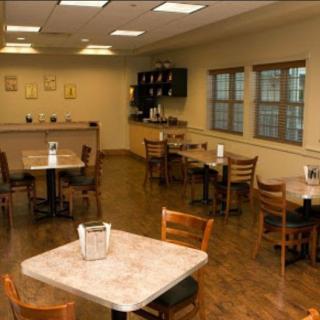
 Dining room
 Fitness room
 Fully furnished
 Gaming room
 Garden
 Housekeeping services
 Kitchenette
 Move-in coordination
 Outdoor space
 Private bathrooms
 Restaurant-style dining
 Small library
 Telephone
 Wellness center
 Wi-Fi/high-speed internet available
 Cheyenne (3 miles away)
 Community operated transportation
 24-hour call system
 Activities of daily living assistance
 Assistance with bathing
 Assistance with dressing
 Assistance with transfers
 Diabetes diet
 Medication management
 Special dietary restrictions
 Concierge services
 Planned day trips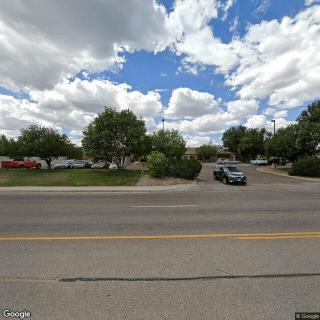


 Assisted Living Expenses and Long-Term Care Insurance: A Comprehensive Exploration
 Securing Financial Support for Assisted Living: A Comprehensive Overview
 Social Security Benefits and Assisted Living: Navigating Options Across the U.S.