Casper Mountain Rehabilitation And Care Center

Save

Casper Mountain Rehabilitation And Care Center

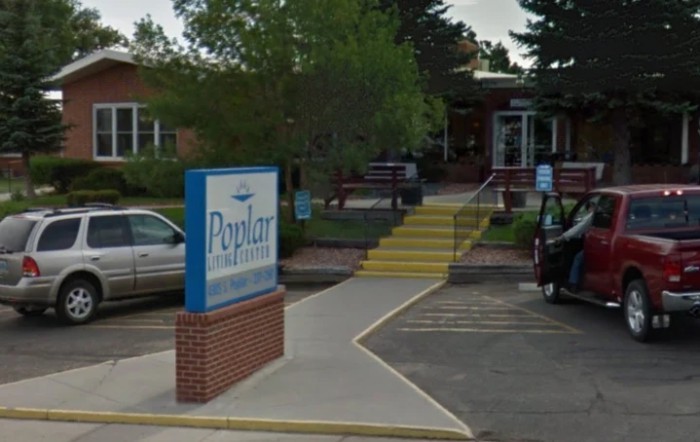
4305 South Poplar Street, Casper, WY 82601

For more information about senior living options: (844) 490-3973

3.2 from 42 reviews
5 stars
18
4 stars
7
3 stars
0
2 stars
0
1 stars
17

Assisted Living Skilled Nursing Facility

What level of care are you interested in?

Assisted Living

Memory Care

Independent Living

Skilled Nursing Facility

Continuing Care Retirement Community (CCRC)CCRC

Other


Request a tour at Casper Mountain Rehabilitation And Care Center

    Overall Review of Casper Mountain Rehabilitation And Care Center

    Pros

    • pro The therapy she received was top notch.
    • pro The staff was super, the food was good, and the therapy program was excellent.
    • pro Over the years, they became like family to her, with staff caring for her with love and compassion.
    • pro She enjoyed activities like bingo and crafts, and the staff provided TLC.
    • pro The employees were kind and caring, with many different activities for residents.
    • pro The residents are smiling and the staff really cares about making people happy.
    • pro It feels like a family, not just a facility, with care, love, and memories.

    Cons

    • pro The facility is severely understaffed and the staff appear not to care about their jobs.
    • pro Nurses and CNAs are unable to respond to call lights or residents in distress, leaving them waiting for help.
    • pro Residents are left in unsafe or demeaning situations, sometimes with no TV or adequate lighting, and even stuck in corners.
    • pro Diabetes care is poorly managed, with blood sugar not checked and medications going out of stock for days.
    • pro Personal belongings, such as wallets, IDs, and clothing, go missing and are not returned.
    • pro Staff are described as demeaning or unprofessional, including instances of telling residents to "go" because they have a diaper on.
    • pro Complaints and concerns are not properly addressed, with delayed or no return calls and unreachable administration.
    • pro Changes to insurance or Medicare plans are made without consent, causing loss of benefits and confusion.

    Review

    Casper Mountain Rehabilitation Center and Care Center emerges in voices from families as a place of stark contrasts: some residents and their loved ones speak of warmth, progress, and genuine care, while others warn of neglect, disorganization, and alarming safety lapses. Taken together, the tapestry of experiences paints a facility where the quality of care seems highly dependent on who is on duty, when, and how loudly families advocate for their loved ones. Across multiple stories, concerns about staffing levels sit side by side with moments of kindness, effective therapy, and a sense of community.

    Several reviewers describe a recurring problem with staffing that feels almost chronic. One family recounts a frightening first night in which their mom had to call 911 herself because no one answered a call light or her screams, leaving her in a corner without basic comforts like a TV or proper lighting. Others report medication and medical-management gaps, including insulin administered without proper blood-sugar checks and repeated delays in replenishing prescribed medicines. The consequence, they say, isn't merely inconvenience but a real risk to health and comfort, with long waits for attention and little proactive oversight for patients who require consistent monitoring. The sense of being overlooked is compounded by reports of inadequate food planning for diabetics and other dietary needs, as well as lost personal belongings - wallets, IDs, and clothing - that never seemed to surface after discharge or laundry cycles. The loss of important documents and items, and the frustration of repeated calls for a return phone call that never arrive, leaves families feeling unheard and powerless.

    The experience of navigating the administrative side of care adds to the unease for many. One account describes a Medicare rating of just one star, followed by complaints about not being able to voice concerns or receive timely responses after submitting formal complaints. In that vein, a family recounts a tense encounter with office staff who yelled, along with a general sense that the institution isn't equipped to address concerns promptly. The difficulty of reaching the administrator when needed adds to a perception that the facility is not fully prepared to handle feedback or accountability. These administrative friction points underscore a broader concern: families want reassurance that their loved ones' voices will be heard and that issues will be attended to with seriousness and speed.

    Amid these cautions, there are clearly bright spots that many reviewers return to with gratitude. Several families praise the level of care provided by nurses, CNAs, and outpatient therapy teams, highlighting "top-notch" therapy and a dedicated nursing staff that is genuinely helpful and compassionate. In some testimonies, the therapy program is described as excellent, with physical therapy and activities that bring meaningful progress and a sense of purpose. A particular note of warmth appears in stories about individual caregivers who go above and beyond - naming people like Dr. Stanco, Larissa, and Teresa Lenior, whose kindness and commitment are described as lifesaving for a resident's well-being. Beyond clinical care, routine touches - the bus drivers, kitchen staff, and activity organizers - contribute to a sense that for some residents, the facility is a welcoming community rather than a cold institution.

    The narratives also include deeply personal testaments to both dehumanizing moments and heartwarming resilience. One reviewer recalls a grandfather who, during a difficult stay, was spoken to in a humiliating way rather than treated with dignity, leading to a decision to transfer to another facility that offered far more humane care. Such stories serve as sobering counterpoints to the many accounts of compassionate attention and intentional effort to keep residents engaged and comfortable. On the flip side, other residents describe experiences of dignity and respect, with memories of outdoor time, bingo, crafts, and outings that create a sense of lasting family-like bonds. A grandmother who stayed for seven years is remembered as becoming part of the family, with everyday moments - greetings from staff, shared smiles, and visits to community events - creating a treasure trove of memories for her relatives.

    Within the varied experiences, there is a shared recognition that no place is perfect, but there is potential for beauty and real care with the right people in your corner. Some reviewers speak of renovations - new floors and improved lighting - that make the building feel brighter and more welcoming, alongside consistently clean facilities and friendly staff. Others note that while the care during rehabilitation can be superb, there are gaps in one-on-one physician access and clarity about who the primary doctor is, leaving families with questions about medical oversight at critical moments. A sense emerges that the best experiences often come when families are engaged, proactive, and able to advocate for their loved ones to ensure medications, comfort, and safety needs are met.

    Taken as a whole, the stories about Casper Mountain Rehabilitation Center and Care Center present a nuanced picture: a facility capable of delivering strong therapy, genuine warmth, and meaningful engagement for some residents, balanced against repeated warnings about understaffing, inconsistent responsiveness, mismanagement of belongings, and troubling experiences of neglect. For families considering placement, the message is clear but not absolute: the care your loved one receives may depend heavily on staffing levels, the day's shifts, and the tenacity with which family members pursue answers. If you're evaluating this center, plan to visit, observe how staff respond to call lights and requests for assistance, verify medication protocols and dietary plans, and directly inquire about how complaints are managed and how belongings are tracked. It is possible to find the care and community described by some residents, but it is equally possible to encounter the serious concerns voiced by others.

    Features

    Housing

    • 120 resident community capacity 120 resident community capacity

    Types of Care

    • Assisted Living Assisted LivingAssisted living facilities provide crucial support and care for seniors who may need help with daily tasks such as medication management, bathing, and meal preparation. These communities offer a safe and comfortable environment where seniors can maintain their independence while receiving the assistance they need to thrive in their golden years.
    • Skilled Nursing Facility Skilled Nursing FacilitySkilled Nursing Facilities are crucial for seniors as they provide round-the-clock medical care, rehabilitation services, and assistance with daily activities. These facilities ensure that seniors receive the specialized care they need to maintain their health and well-being as they age.

    Amenities

    • Air-conditioning Air-conditioningAir conditioning is important for seniors as they are more vulnerable to heat-related illnesses and may have underlying health conditions that make it difficult for them to regulate their body temperature. It helps to keep them comfortable, safe, and healthy in hot weather.
    • Beauty salon Beauty salonBeauty salons are important for seniors because they provide a space for them to feel pampered, socialize, and maintain their personal grooming and hygiene. Regular visits to a beauty salon can help boost seniors' self-esteem and overall well-being.
    • Cable or satellite TV Cable or satellite TVCable or satellite TV is important for seniors because it provides entertainment, news, and companionship, helping to combat loneliness and boredom. It also offers a wide range of programming options tailored to different interests and preferences.
    • Computer center Computer centerA computer center is essential for seniors as it provides access to technology, communication tools, and resources that can enhance their daily lives. It allows them to stay connected with loved ones, engage in online activities, and learn new skills, ultimately promoting socialization and mental stimulation.
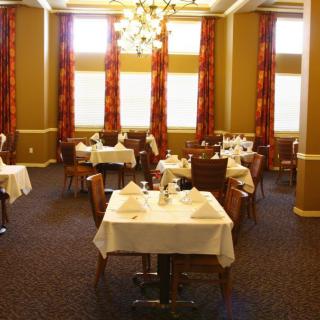
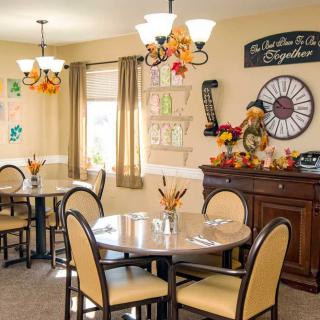
    • Dining room Dining roomDining rooms are important for seniors as they provide a space for socialization, connection, and nutritious meals. They offer opportunities for residents to bond over shared meals, foster a sense of community, and promote healthy eating habits. Dining rooms also ensure that seniors have access to well-balanced meals tailored to their dietary needs and preferences.
    • Fitness room Fitness roomHaving a fitness room in a senior living community is essential for seniors to stay active, maintain their physical health, and improve their overall well-being. Regular exercise can help prevent falls, reduce the risk of chronic diseases, and promote mental sharpness. It also provides social opportunities for residents to connect with others and enjoy a sense of community.
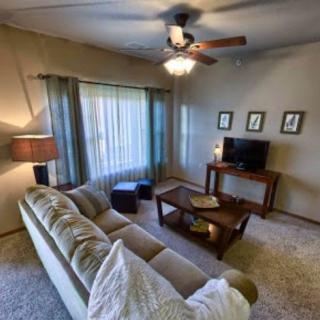
    • Fully furnished Fully furnishedFully furnished senior living communities are important for seniors because they provide convenience, comfort, and a hassle-free moving experience. Seniors can easily settle into their new living space without the stress of having to buy and move furniture. This allows them to focus on enjoying their new home and community.
    • Gaming room Gaming roomGaming rooms are important for seniors as they provide a fun and engaging environment for socializing, cognitive stimulation, and physical activity. Games can improve memory, problem-solving skills, and overall mental well-being while fostering friendships and reducing feelings of isolation.
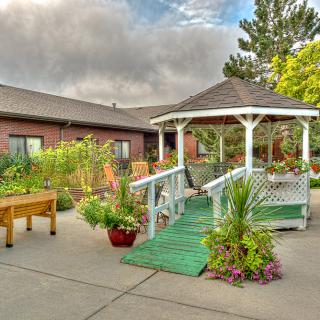
    • Garden GardenGardens are important for seniors as they provide a peaceful and therapeutic environment for relaxation, physical activity, and socialization. Being in nature has been shown to reduce stress, improve mood, and promote overall well-being. Gardens also offer opportunities for seniors to engage in gardening activities, which can improve mobility, flexibility, and cognitive function. Additionally, gardens create a sense of community and connection with others who share a passion for plants and outdoor spaces.
    • Housekeeping services Housekeeping servicesHousekeeping services are important for seniors because they help maintain a clean and safe living environment, promote independence, and reduce the risk of accidents or illnesses. Additionally, having assistance with household chores can alleviate physical strain and allow seniors to focus on other aspects of their well-being.
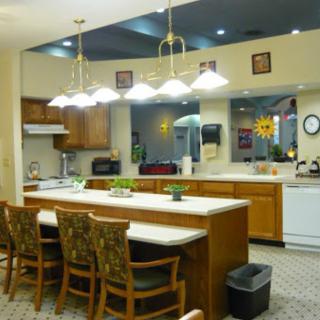
    • Kitchenette KitchenetteKitchenettes are important for seniors living in senior living communities because they provide the convenience and independence of being able to prepare simple meals and snacks in the comfort of their own living space. This can help promote a sense of autonomy and well-being for seniors, allowing them to maintain some level of control over their dietary choices and daily routines.
    • Move-in coordination Move-in coordinationMove-in coordination is important for seniors because it helps ease the transition into their new living environment. It ensures that all logistics, such as packing, organizing movers, and setting up utilities are taken care of, allowing seniors to focus on settling in and adjusting to their new home. Having a smooth move-in process can alleviate stress and anxiety, making the transition smoother and more enjoyable for seniors.
    • Outdoor space Outdoor spaceOutdoor spaces are important for seniors as they provide opportunities for physical activity, social interaction, exposure to natural light and fresh air, and a sense of connection to nature. Having access to outdoor spaces can improve overall well-being and quality of life for older adults living in senior communities.
    • Private bathrooms Private bathroomsPrivate bathrooms are important for seniors in senior living communities because they provide independence, dignity, and comfort. Having a private bathroom allows seniors to maintain their personal hygiene routines without the need for assistance, promoting a sense of autonomy and privacy. Additionally, private bathrooms help prevent the spread of infections and provide a safe and clean environment for seniors to navigate safely.
    • Restaurant-style dining Restaurant-style diningRestaurant-style dining is important for seniors because it allows them to enjoy delicious, nutritious meals in a social and upscale setting. This enhances their dining experience, promotes healthy eating habits, and fosters socialization with fellow residents, ultimately contributing to their overall well-being and quality of life.
    • Small library Small librarySmall libraries are important for seniors as they provide access to a variety of reading materials, including books, newspapers, and magazines. This can help stimulate their minds, keep them engaged, and provide a sense of community through book clubs and other social activities. Additionally, reading has been shown to improve cognitive function and overall mental well-being in older adults.
    • Telephone TelephoneTelephones are important for seniors as they provide a lifeline for communication with loved ones, emergency services, and healthcare providers. They offer a sense of security and independence, enabling seniors to stay connected and access assistance when needed.
    • Wellness center Wellness centerWellness centers are important for seniors because they offer a variety of programs and services that promote physical, mental, and emotional well-being. These centers provide opportunities for exercise, socialization, education, and relaxation, helping seniors maintain their overall health and quality of life.
    • Wi-Fi/high-speed internet available Wi-Fi/high-speed internet availableWi-Fi/high-speed internet is important for seniors to stay connected with loved ones, access online resources, and participate in virtual activities to combat feelings of loneliness and isolation. It also allows them to easily manage healthcare needs, access entertainment, and engage in lifelong learning opportunities.

    Transportation

    • Natrona County International (9 miles away) Natrona County International (9 miles away)
    • Community operated transportation Community operated transportationCommunity operated transportation is crucial for seniors as it provides them with the means to access essential services, social activities, and medical appointments. It allows seniors to maintain their independence and quality of life by ensuring they can participate in activities outside of their homes. Additionally, community-operated transportation services offer a safe and reliable way for seniors to travel without having to rely on family or friends for assistance.
    • Transportation arrangement Transportation arrangementTransportation arrangements are crucial for seniors as they may face challenges with driving, mobility, or access to public transportation. Having reliable transportation services ensures that seniors can easily attend appointments, social activities, and maintain their independence and quality of life.

    Care Services

    • 24-hour call system 24-hour call system24-hour call systems are important for seniors because they provide peace of mind and immediate assistance in case of emergencies. This technology ensures that help is always available, promoting safety and security for elderly individuals living alone or in assisted living facilities.
    • 24-hour supervision 24-hour supervision24-hour supervision is important for seniors to ensure their safety, well-being, and access to immediate assistance in case of emergencies or health issues. This constant support provides peace of mind for both seniors and their loved ones, allowing them to age in place with dignity and security.
    • Activities of daily living assistance Activities of daily living assistanceActivities of daily living assistance are important for seniors because they provide essential support with tasks such as eating, bathing, dressing, and mobility. This assistance helps seniors maintain their independence, dignity, and overall quality of life as they age.
    • Assistance with bathing Assistance with bathingAssistance with bathing is crucial for seniors as it helps maintain personal hygiene, prevents infections, and ensures their overall well-being and comfort. It also provides a sense of dignity and independence for seniors who may struggle with this task on their own.
    • Assistance with dressing Assistance with dressingAssistance with dressing is important for seniors because it helps maintain their independence, promotes personal hygiene, prevents accidents and injuries, and improves overall quality of life. This service ensures that seniors can continue to dress comfortably and confidently, despite any physical limitations they may have.
    • Assistance with transfers Assistance with transfersAssistance with transfers is crucial for seniors as it helps prevent falls and injuries, maintains their independence, and ensures they can safely navigate their living environment. It also provides peace of mind for both seniors and their loved ones.
    • Diabetes diet Diabetes dietA diabetes diet is crucial for seniors as it helps manage blood sugar levels, reduce risks of complications, and improve overall health and well-being. By following a balanced and nutritious diet tailored to their specific needs, seniors can better control their diabetes and enhance their quality of life.
    • Meal preparation and service Meal preparation and serviceMeal preparation and service are crucial for seniors as they may have limited mobility or energy to cook nutritious meals. Having access to healthy and convenient food options can ensure they are getting the proper nutrition needed to maintain their overall health and well-being.
    • Medication management Medication managementMedication management is crucial for seniors to ensure they are taking the right medications at the correct dosages and times. This helps prevent adverse drug interactions, reduces the risk of medication errors, and promotes overall health and well-being. Proactive management also allows for adjustments as needed based on changing health conditions or new prescriptions.
    • Special dietary restrictions Special dietary restrictionsSpecial dietary restrictions are important for seniors because age-related changes in metabolism and health conditions can make it difficult for their bodies to process certain foods. By following a diet tailored to their specific needs, seniors can maintain their overall health and well-being, manage chronic conditions, and reduce the risk of complications such as malnutrition or food interactions with medications.

    Dining

    • Diabetes diet Diabetes dietA diabetes diet is crucial for seniors as it helps manage blood sugar levels, reduce risks of complications, and improve overall health and well-being. By following a balanced and nutritious diet tailored to their specific needs, seniors can better control their diabetes and enhance their quality of life.
    • Special dietary restrictions Special dietary restrictionsSpecial dietary restrictions are important for seniors because age-related changes in metabolism and health conditions can make it difficult for their bodies to process certain foods. By following a diet tailored to their specific needs, seniors can maintain their overall health and well-being, manage chronic conditions, and reduce the risk of complications such as malnutrition or food interactions with medications.

    Activities

    • Community-sponsored activities Community-sponsored activitiesCommunity-sponsored activities are important for seniors as they provide opportunities for social interaction, mental stimulation, and physical activity. These activities can help improve overall well-being, combat loneliness and isolation, and promote a sense of belonging and purpose among older adults.
    • Concierge services Concierge servicesConcierge services are essential for seniors as they provide assistance with daily tasks and errands, enhance their quality of life by offering convenience and personalized care, and promote a sense of safety and security.
    • Fitness programs Fitness programsFitness programs are crucial for seniors as they help improve strength, flexibility, balance, and overall well-being. Staying active can reduce the risk of chronic diseases, improve mental health, and enhance quality of life in older adults.
    • Planned day trips Planned day tripsPlanned day trips are important for seniors because they offer opportunities for socialization, mental stimulation, and physical activity. They provide a change of scenery and help seniors stay engaged and connected to their community, promoting overall well-being and quality of life.
    • Resident-run activities Resident-run activitiesResident-run activities are important for seniors as they encourage social interaction, creativity, and a sense of autonomy. These activities empower seniors to stay engaged and active in their community while fostering meaningful connections with their peers.
    • Scheduled daily activities Scheduled daily activitiesScheduled daily activities are important for seniors because they provide structure, socialization, mental stimulation, and physical activity. Engaging in regular activities can improve overall well-being and quality of life for seniors living in a community setting.

    Description

    Casper Mountain Rehabilitation And Care Center is a skilled nursing facility located in Casper, WY. Our community offers a wide range of amenities to ensure the comfort and well-being of our residents. This includes a beauty salon for pampering, cable or satellite TV for entertainment, community-operated transportation for convenience, and a computer center for staying connected with loved ones.

    Our dining room provides restaurant-style dining with special dietary restrictions catered to. Residents can also enjoy their meals in our outdoor space or kitchenette. The fully furnished accommodations feature private bathrooms for added privacy and convenience.

    We prioritize the care and safety of our residents by offering 24-hour supervision and assistance with activities of daily living such as bathing, dressing, and transfers. Our dedicated staff also provides medication management and assistance with diabetes diets.

    At Casper Mountain Rehabilitation And Care Center, we believe in keeping our residents engaged and active. We offer a variety of activities including fitness programs, planned day trips, resident-run activities, and scheduled daily activities to promote socialization and well-being.

    Our community is conveniently located near various amenities such as cafes, parks, pharmacies, physicians' offices, restaurants, transportation options, places of worship, and theaters.

    Overall, Casper Mountain Rehabilitation And Care Center is committed to providing exceptional care in a comfortable environment that promotes independence and enhances the quality of life for our residents.

    Nearby Places of Interest

    Restaurants

    • Blimpie (0.1 miles)
    • Shogun Japanese Steak House (1.2 miles)
    • Fuzzy's Taco Shop (1.2 miles)
    • J's Pub & Grill (1.4 miles)
    • McDonald's (1.5 miles)
    • Arby's (1.5 miles)
    • Taco Bell (1.6 miles)

    Cafes

    • Blue Ridge Coffee (0.2 miles)
    • Starbucks (1.6 miles)
    • New Moon Cafe (2 miles)
    • West Side Motel (2.8 miles)
    • The Lincoln Street Cafe (3.1 miles)
    • Parkway Cafe (3.4 miles)
    • Starbucks (3.5 miles)

    Places of Worship

    • Shepherd of the Hills Presbyterian Church (0.2 miles)
    • Harvest Fields Ministries (0.4 miles)
    • 2nd Street Church of Christ Building Corporation, Casper, Wyoming (0.5 miles)
    • Bethel Baptist Church (0.7 miles)
    • Mount Hope Lutheran Church (1.3 miles)
    • Southern Baptist Convention (1.5 miles)
    • Southern Baptist Convention (1.7 miles)

    Physicians

    • Wyoms (0.5 miles)
    • Hardy Luke DDS - Wyoming Oral & Maxillofacial Surgery (0.5 miles)
    • Mesa Primary Care (1.2 miles)
    • McGinley Orthopaedic Innovations (2.4 miles)
    • Natrona County Health Department (2.7 miles)
    • Central Wyoming Optometric Center (2.7 miles)
    • Tubbs Virginia Pilot Butte Dermatology Casper (2.8 miles)

    Parks

    • Mike Sedar Park (1.1 miles)
    • Freedom Park (2 miles)
    • Fun Valley Park (3.6 miles)
    • Marion Kreiner Park (4 miles)

    Pharmacies

    • Smith's Food & Drug (1.5 miles)
    • Walgreens (1.8 miles)
    • Albertsons Pharmacy (1.9 miles)
    • Pharmacy Solutions (3.3 miles)
    • Albertsons Pharmacy (3.8 miles)
    • Community Health Pharmacy (3.8 miles)
    • Compounding Specialists Of Wyoming (3.8 miles)

    Transportation

    • U-Haul Neighborhood Dealer (2.8 miles)
    • Alamo (3.7 miles)

    Theaters

    • Rialto Theatre (3 miles)

    Frequently Asked Questions

    Where is Casper Mountain Rehabilitation And Care Center?
    What photos are available for Casper Mountain Rehabilitation And Care Center in Casper, Wyoming?

    Nearby Communities

    Related Resources

    • assisted living vs nursing homeChoosing the Right Senior Care: A Detailed Exploration of Assisted Living and Nursing Homes

      Choosing between assisted living and nursing homes involves evaluating emotional and financial factors, with assisted living offering independence and support for daily activities at a lower cost, while nursing homes provide intensive medical care for individuals with significant health needs. The decision is influenced by personal preferences, health status, cognitive function, and varying Medicaid coverage across states.

    • assisted living costUnderstanding the True Cost of Assisted Living in 2025: A Comprehensive Guide

      Assisted living in 2025 offers a crucial balance of independence and support for seniors, with costs varying from $2,500 to over $7,000 per month based on factors such as location and care level. Understanding pricing complexities, including regional differences and potential hidden fees, is essential for families to plan financially while ensuring quality care for their loved ones.

    • does medicaid pay for assisted livingUnderstanding Medicaid Coverage for Assisted Living: A Comprehensive Guide

      The guide outlines the complexities of Medicaid coverage for assisted living, highlighting significant state-to-state variations, limited coverage often restricted to personal care services, and the existence of specialized waivers for certain needs like memory care. It advises families to consult local Medicaid offices for options while emphasizing the importance of understanding state-specific regulations and facility policies.


    Get Pricing Ask A Question Schedule A Tour Contact Senior Advisor