Cranberry Court Assisted Living II in Wisconsin Rapids, WI

2230 James Ct, Wisconsin Rapids, WI 54494

For more information about senior living options: (844) 490-3973

4.1 from 19 reviews
5 stars
12
4 stars
3
3 stars
0
2 stars
1
1 stars
3

Assisted Living Memory Care

What level of care are you interested in?

Assisted Living

Memory Care

Independent Living

Skilled Nursing Facility

Continuing Care Retirement Community (CCRC)CCRC

Other


Request a tour at Cranberry Court Assisted Living II

    Overall Review of Cranberry Court Assisted Living II

    Pros

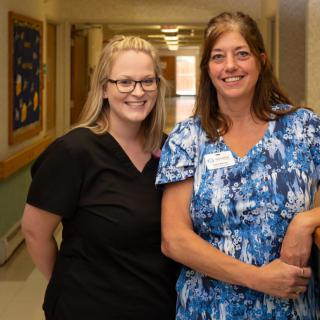
    • pro The staff and management are caring.
    • pro The aides do a wonderful job attending to residents and keep families posted.
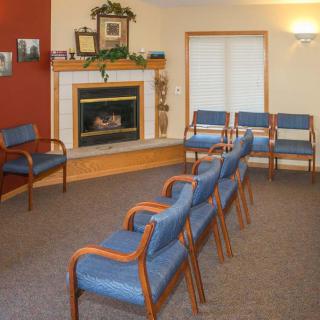
    • pro The facility has a home-like atmosphere with plenty of light and welcoming fireplaces.
    • pro The staff are friendly, helpful, and respectful, and the buildings are clean and well maintained.
    • pro The atmosphere is amazing with great food.
    • pro The environment is clean and inviting, making it a good place to visit family.
    • pro The staff are very caring and helpful, providing the best possible care.
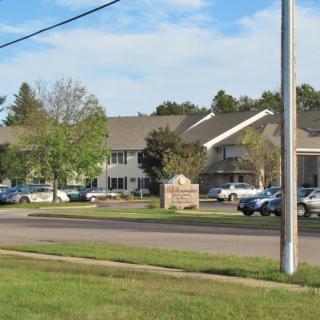
    • pro The grounds are manicured, spacious, and well kept for safe outdoor activities.
    • pro The main rooms are nicely decorated and residents seem happy; activities are interesting and participation is encouraged.
    • pro Snacks and meals are healthy, delicious, and offer a broad variety to accommodate dietary needs.
    • pro The library is nicely stocked and many residents are avid readers.
    • pro Residents look well cared for and happy, and newcomers blend in well.

    Cons

    • pro The staff is dishonest and unprofessional, and the facilities are not well maintained.
    • pro Family members visiting residents reported that the staff were rude and antagonistic toward them.
    • pro There are widespread reports that residents and employees have been mistreated and taken advantage of.

    Review

    Cranberry Court Assisted Living II in Wisconsin Rapids is best suited for seniors who value a warm, home-like environment, strong and approachable staff, and a lively, engaging daily rhythm. This community tends to appeal to families seeking visible, everyday kindness from aides and managers, reassurance through regular updates, and a setting that feels comfortable rather than clinical. It works well for residents who want accessible social activities, good meals, and a sense of community in a modern, well-kept space. For those whose top priority is ironclad, error-free care with unwavering consistency across all shifts, or a setting with highly specialized memory-care programming, alternatives should be explored.

    The most consistently positive notes center on the caregiving core: staff and management who are described as caring, friendly, and attentive. Families report aides who are pleasant to interact with, and a culture where staff members communicate about changes in a resident's condition and collaborate with hospice when appropriate. The atmosphere is frequently described as home-like, with comfortable common areas, fireplaces, and a bright, welcoming feel. Cleanliness and upkeep are repeatedly praised, and residents are depicted as engaged in a broad range of activities, from local entertainment to garden time and in-house events. Food and snacks are warm, varied, and prepared with attention to individual dietary needs, contributing to overall resident satisfaction.

    Yet the picture is not uniformly positive. A subset of reviews raises serious concerns about the integrity and professionalism of some staff, with alarms about dishonesty and rude, antagonistic treatment of visitors. Another thread notes residents and employees who felt mistreated or taken advantage of, signaling potential gaps in accountability and training. Maintenance and facility upkeep are occasionally flagged as concerns, presenting a contrast to the otherwise clean and well-maintained impression found in many tours or anecdotes. These outlier experiences matter: they highlight real risks where trust can be breached and can undermine a family's confidence in day-to-day operations.

    In weighing the pros against the cons, the strength of Cranberry Court II's caregiving culture and its social, home-like environment can offset many downsides for families who prioritize human connection and responsiveness. Where staff are consistently engaged, communicate well with families, and maintain a focused, resident-centered approach, the positives - quality meals, vibrant activities, and a safe, comfortable living space - tave meaningful value. However, the same advantages may not fully compensate for ongoing concerns about staff conduct, visit interactions, and maintenance lapses. For families with prior negative experiences or heightened sensitivity to perceived mistreatment or inconsistent accountability, these red flags should prompt thorough due diligence.

    Those who should seriously consider alternatives include families prioritizing rigorous professional conduct and uniform safety standards, or those who need highly specialized memory-care oversight beyond what an assisted-living setting typically provides. Prospective residents with a history of complicated medical needs that require highly predictable responses, or households seeking an environment with a flawless track record of visitor interactions and facility maintenance, may find stronger alignment elsewhere. It is essential to seek firsthand reassurance: schedule multiple visits at different times, request direct conversations with the administrator, review incident and resolution policies, and talk candidly with current residents and their families.

    Bottom line: Cranberry Court II delivers a compelling blend of warmth, activity, and attentive caregiving that makes it a strong option for engaged seniors who value a friendly, community-focused atmosphere and dependable day-to-day functioning. The community shines when staff demonstrate consistency, kindness, and proactive communication, while caveats around staff reliability, visitor experiences, and maintenance should temper expectations. A disciplined due-diligence process - direct discussions with leadership, observation of staff-resident interactions, and verification of how concerns are resolved - will help determine whether Cranberry Court II is the right fit or if another option better matches a family's expectations for safety, consistency, and professional conduct.

    Features

    Housing

    • 22 resident community capacity 22 resident community capacity

    Types of Care

    • Assisted Living Assisted LivingAssisted living facilities provide crucial support and care for seniors who may need help with daily tasks such as medication management, bathing, and meal preparation. These communities offer a safe and comfortable environment where seniors can maintain their independence while receiving the assistance they need to thrive in their golden years.
    • Memory Care Memory CareMemory care is crucial for seniors as it provides specialized support and services for individuals with dementia or Alzheimer's disease. These programs offer a safe and secure environment where residents receive personalized care, cognitive stimulation, and help with daily activities. Memory care helps seniors maintain their independence, quality of life, and dignity while also providing peace of mind for their families.

    Amenities

    • Beautician on-site Beautician on-siteHaving a beautician on-site at a senior living community is important for seniors as it allows them to easily access grooming and personal care services, boosting their self-esteem and overall well-being. It also provides convenience and helps seniors maintain their sense of independence and personal style.
    • Beauty salon Beauty salonBeauty salons are important for seniors because they provide a space for them to feel pampered, socialize, and maintain their personal grooming and hygiene. Regular visits to a beauty salon can help boost seniors' self-esteem and overall well-being.
    • Cable or satellite TV Cable or satellite TVCable or satellite TV is important for seniors because it provides entertainment, news, and companionship, helping to combat loneliness and boredom. It also offers a wide range of programming options tailored to different interests and preferences.
    • Dining room Dining roomDining rooms are important for seniors as they provide a space for socialization, connection, and nutritious meals. They offer opportunities for residents to bond over shared meals, foster a sense of community, and promote healthy eating habits. Dining rooms also ensure that seniors have access to well-balanced meals tailored to their dietary needs and preferences.
    • Fully furnished Fully furnishedFully furnished senior living communities are important for seniors because they provide convenience, comfort, and a hassle-free moving experience. Seniors can easily settle into their new living space without the stress of having to buy and move furniture. This allows them to focus on enjoying their new home and community.
    • Garden GardenGardens are important for seniors as they provide a peaceful and therapeutic environment for relaxation, physical activity, and socialization. Being in nature has been shown to reduce stress, improve mood, and promote overall well-being. Gardens also offer opportunities for seniors to engage in gardening activities, which can improve mobility, flexibility, and cognitive function. Additionally, gardens create a sense of community and connection with others who share a passion for plants and outdoor spaces.
    • Housekeeping services Housekeeping servicesHousekeeping services are important for seniors because they help maintain a clean and safe living environment, promote independence, and reduce the risk of accidents or illnesses. Additionally, having assistance with household chores can alleviate physical strain and allow seniors to focus on other aspects of their well-being.
    • Kitchenette KitchenetteKitchenettes are important for seniors living in senior living communities because they provide the convenience and independence of being able to prepare simple meals and snacks in the comfort of their own living space. This can help promote a sense of autonomy and well-being for seniors, allowing them to maintain some level of control over their dietary choices and daily routines.
    • Move-in coordination Move-in coordinationMove-in coordination is important for seniors because it helps ease the transition into their new living environment. It ensures that all logistics, such as packing, organizing movers, and setting up utilities are taken care of, allowing seniors to focus on settling in and adjusting to their new home. Having a smooth move-in process can alleviate stress and anxiety, making the transition smoother and more enjoyable for seniors.
    • Outdoor space Outdoor spaceOutdoor spaces are important for seniors as they provide opportunities for physical activity, social interaction, exposure to natural light and fresh air, and a sense of connection to nature. Having access to outdoor spaces can improve overall well-being and quality of life for older adults living in senior communities.
    • Respite or short term stays offered Respite or short term stays offeredRespite or short term stays provide seniors with a temporary solution when their regular caregiver is unavailable, offering them the opportunity to receive additional care and support during times of need, while also giving caregivers a chance to rest and recharge.
    • Restaurant-style dining Restaurant-style diningRestaurant-style dining is important for seniors because it allows them to enjoy delicious, nutritious meals in a social and upscale setting. This enhances their dining experience, promotes healthy eating habits, and fosters socialization with fellow residents, ultimately contributing to their overall well-being and quality of life.
    • Small library Small librarySmall libraries are important for seniors as they provide access to a variety of reading materials, including books, newspapers, and magazines. This can help stimulate their minds, keep them engaged, and provide a sense of community through book clubs and other social activities. Additionally, reading has been shown to improve cognitive function and overall mental well-being in older adults.
    • Telephone TelephoneTelephones are important for seniors as they provide a lifeline for communication with loved ones, emergency services, and healthcare providers. They offer a sense of security and independence, enabling seniors to stay connected and access assistance when needed.
    • Wi-Fi/high-speed internet available Wi-Fi/high-speed internet availableWi-Fi/high-speed internet is important for seniors to stay connected with loved ones, access online resources, and participate in virtual activities to combat feelings of loneliness and isolation. It also allows them to easily manage healthcare needs, access entertainment, and engage in lifelong learning opportunities.

    Transportation

    • Transportation & parking Transportation & parkingTransportation and parking are vital for seniors as they offer access to essential services, activities, and social interactions. Reliable transportation options can help seniors maintain independence, stay connected within their community, and enjoy a higher quality of life. Additionally, convenient parking facilities ensure that seniors can easily access necessary resources and amenities without added stress or difficulty.

    Care Services

    • 24-hour call system 24-hour call system24-hour call systems are important for seniors because they provide peace of mind and immediate assistance in case of emergencies. This technology ensures that help is always available, promoting safety and security for elderly individuals living alone or in assisted living facilities.
    • 24-hour supervision 24-hour supervision24-hour supervision is important for seniors to ensure their safety, well-being, and access to immediate assistance in case of emergencies or health issues. This constant support provides peace of mind for both seniors and their loved ones, allowing them to age in place with dignity and security.
    • Activities of daily living assistance Activities of daily living assistanceActivities of daily living assistance are important for seniors because they provide essential support with tasks such as eating, bathing, dressing, and mobility. This assistance helps seniors maintain their independence, dignity, and overall quality of life as they age.
    • Assistance with bathing Assistance with bathingAssistance with bathing is crucial for seniors as it helps maintain personal hygiene, prevents infections, and ensures their overall well-being and comfort. It also provides a sense of dignity and independence for seniors who may struggle with this task on their own.
    • Assistance with dressing Assistance with dressingAssistance with dressing is important for seniors because it helps maintain their independence, promotes personal hygiene, prevents accidents and injuries, and improves overall quality of life. This service ensures that seniors can continue to dress comfortably and confidently, despite any physical limitations they may have.
    • Assistance with transfers Assistance with transfersAssistance with transfers is crucial for seniors as it helps prevent falls and injuries, maintains their independence, and ensures they can safely navigate their living environment. It also provides peace of mind for both seniors and their loved ones.
    • Diabetes diet Diabetes dietA diabetes diet is crucial for seniors as it helps manage blood sugar levels, reduce risks of complications, and improve overall health and well-being. By following a balanced and nutritious diet tailored to their specific needs, seniors can better control their diabetes and enhance their quality of life.
    • Meal preparation and service Meal preparation and serviceMeal preparation and service are crucial for seniors as they may have limited mobility or energy to cook nutritious meals. Having access to healthy and convenient food options can ensure they are getting the proper nutrition needed to maintain their overall health and well-being.
    • Medication management Medication managementMedication management is crucial for seniors to ensure they are taking the right medications at the correct dosages and times. This helps prevent adverse drug interactions, reduces the risk of medication errors, and promotes overall health and well-being. Proactive management also allows for adjustments as needed based on changing health conditions or new prescriptions.
    • Mental wellness program Mental wellness programMental wellness programs are essential for seniors as they promote cognitive stimulation, emotional support, and social engagement. These programs help prevent isolation, depression, and cognitive decline, ultimately enhancing the overall quality of life for older adults.
    • Mild cognitive impairment Mild cognitive impairment"Mild cognitive impairment" is important for seniors because it is an early stage of cognitive decline that can potentially progress to more severe conditions such as dementia. Recognizing and addressing mild cognitive impairment can help seniors receive appropriate care and support to maintain their quality of life and independence for as long as possible.
    • Special dietary restrictions Special dietary restrictionsSpecial dietary restrictions are important for seniors because age-related changes in metabolism and health conditions can make it difficult for their bodies to process certain foods. By following a diet tailored to their specific needs, seniors can maintain their overall health and well-being, manage chronic conditions, and reduce the risk of complications such as malnutrition or food interactions with medications.
    • Specialized memory care programming Specialized memory care programmingSpecialized memory care programming is crucial for seniors with cognitive impairments such as dementia or Alzheimer's disease. These programs provide a safe and supportive environment tailored to the unique needs of individuals with memory loss, helping them maintain their independence, dignity, and quality of life.

    Dining

    • Diabetes diet Diabetes dietA diabetes diet is crucial for seniors as it helps manage blood sugar levels, reduce risks of complications, and improve overall health and well-being. By following a balanced and nutritious diet tailored to their specific needs, seniors can better control their diabetes and enhance their quality of life.
    • Special dietary restrictions Special dietary restrictionsSpecial dietary restrictions are important for seniors because age-related changes in metabolism and health conditions can make it difficult for their bodies to process certain foods. By following a diet tailored to their specific needs, seniors can maintain their overall health and well-being, manage chronic conditions, and reduce the risk of complications such as malnutrition or food interactions with medications.

    Activities

    • Activities off-site Activities off-siteActivities off-site are crucial for seniors as they provide opportunities for socialization, mental stimulation, and physical activity outside of their usual routine. This helps combat feelings of isolation and boredom, promotes overall well-being, and allows seniors to remain engaged in the community.
    • Community-sponsored activities Community-sponsored activitiesCommunity-sponsored activities are important for seniors as they provide opportunities for social interaction, mental stimulation, and physical activity. These activities can help improve overall well-being, combat loneliness and isolation, and promote a sense of belonging and purpose among older adults.
    • Religious services Religious servicesReligious services provide seniors with a sense of community, support, and spiritual fulfillment, which can improve their overall well-being and mental health. It also offers them opportunities for socialization and connection with others who share their beliefs.
    • Resident-run activities Resident-run activitiesResident-run activities are important for seniors as they encourage social interaction, creativity, and a sense of autonomy. These activities empower seniors to stay engaged and active in their community while fostering meaningful connections with their peers.
    • Scheduled daily activities Scheduled daily activitiesScheduled daily activities are important for seniors because they provide structure, socialization, mental stimulation, and physical activity. Engaging in regular activities can improve overall well-being and quality of life for seniors living in a community setting.

    Languages Spoken

    • English EnglishEnglish is important for seniors as it allows them to communicate effectively with healthcare providers, understand important information related to their health and medications, stay connected with loved ones, and engage in social activities within their communities. It also opens up opportunities for lifelong learning and intellectual stimulation.

    Description

    Cranberry Court Assisted Living II in Wisconsin Rapids, WI offers top-notch memory care services in a comfortable and nurturing environment. Our community is equipped with various amenities to enhance the quality of life for our residents. We provide a beauty salon for their grooming needs, and cable or satellite TV for entertainment. Our dining room offers restaurant-style dining with delicious meals prepared and served by our staff. The fully furnished apartments are designed to make residents feel at home, while the outdoor space provides a serene environment for relaxation.

    The dedicated housekeeping staff ensures that each apartment is kept clean and tidy. Our move-in coordination team assists residents in transitioning smoothly into our community. For those who require short-term stays, we offer respite care as well.

    We understand the importance of mental wellness, which is why we have specialized memory care programming tailored to meet the unique needs of individuals with memory impairments. Our 24-hour supervision ensures that residents receive round-the-clock care and assistance with activities of daily living, such as bathing, dressing, and transfers.

    Our medication management services guarantee that medications are administered accurately and on time. We also provide support for those on diabetes diets or with specialized dietary restrictions.

    At Cranberry Court Assisted Living II, we believe in promoting an active lifestyle. Our community-sponsored activities foster social engagement and companionship among residents. Religious services are held regularly for those seeking spiritual connection. Residents can also participate in resident-run activities and enjoy scheduled daily activities.

    Convenience is a priority for our residents, which is why we have several amenities nearby including cafes, parks, pharmacies, physicians' offices, restaurants, transportation options, places of worship, theaters, and hospitals.

    Choosing Cranberry Court Assisted Living II means choosing exemplary memory care services in a warm and welcoming environment where residents can thrive both physically and mentally.

    Nearby Places of Interest

    Places of Worship

    • St Luke's Lutheran Church (0.2 miles)
    • United Methodist Church (1.1 miles)
    • First English Lutheran Church (1.2 miles)
    • St John The Evangelist-Episcopal (1.3 miles)
    • Marian Center For Peace (1.6 miles)
    • Ss Peter & Paul Rectory (1.7 miles)
    • St Alexander's (3 miles)

    Restaurants

    • Perkins Restaurant and Bakery (0.3 miles)
    • Pizza Hut (0.4 miles)
    • Olympic II Family Restaurant (0.4 miles)
    • Jimmy John's (0.4 miles)
    • Culver's (0.4 miles)
    • Qdoba Mexican Eats (0.5 miles)
    • Checkers (0.5 miles)

    Transportation

    • U-Save Car & Truck Rental (0.4 miles)
    • River City Cab (0.4 miles)
    • Budget Truck Rental (0.5 miles)
    • River City Cab (3 miles)
    • U-Haul Neighborhood Dealer (3.3 miles)
    • Anderson Taxidermy (3.5 miles)
    • U-Haul Neighborhood Dealer (6.3 miles)

    Pharmacies

    • CVS Pharmacy (0.4 miles)
    • Home Town Pharmacy (0.4 miles)
    • Copps (0.4 miles)
    • Daly Drug (0.7 miles)
    • Walgreens (0.7 miles)
    • Majors Health Mart (5.7 miles)

    Cafes

    • Starbucks (0.4 miles)
    • Out of the Box Coffee House (1 miles)
    • From the Ground Up Coffee House (1.6 miles)
    • Chat-R-Box Cafe (4.4 miles)

    Physicians

    • HearCare (0.5 miles)
    • Wausau Speciality Clinics (1 miles)
    • Marshfield Clinic Wisconsin Rapids Center (1 miles)
    • Dermatology Associates of Wisconsin, S.C. (1 miles)
    • Avada Audiology & Hearing Care (1.1 miles)
    • Aspirus Endocrinology Clinic (1.1 miles)
    • Riverview Family Clinic (1.1 miles)

    Parks

    • South Wood County Humane Society (0.8 miles)
    • Witter Field (1 miles)
    • Robinson Park (1.6 miles)
    • The Zoo Playground (2 miles)
    • Mead Field (2.1 miles)
    • Edwards Alexander Memorial Park (3.4 miles)
    • Room to Roam Dog Park of Rome (12.2 miles)

    Hospitals

    • Theyedoctor.Com (1 miles)
    • Riverview Hospital Association (1.1 miles)

    Theaters

    • Rogers Cinemas (1.4 miles)

    Frequently Asked Questions

    Where is Cranberry Court Assisted Living II?
    Does Cranberry Court Assisted Living II provide care for residents with dementia or Alzheimer's disease?

    Nearby Communities

    • Cranberry Court Assisted Living

      Cranberry Court Assisted Living

      Wisconsin Rapids, WI

      4.2 from 38 reviews
      $3,400 / month

      pro Clean, spacious rooms and a cozy, home-like atmosphere with attentive staff and engaging activities

    • Willow Bay Elder Svc

      Willow Bay Elder Svc

      Wisconsin Rapids, WI


      pro Extensive nearby amenities and healthcare access.

    • Assisted Living in Wisconsin Rapids

      Assisted Living in Wisconsin Rapids

      Wisconsin Rapids, WI

      3.8 from 10 reviews
       

    • Evergreen

      Evergreen

      Wisconsin Rapids, WI


      pro Fully furnished apartments with meals, 24-hour supervision, and move-in coordination.

    • Pathways

      Pathways

      Wisconsin Rapids, WI


      pro Comprehensive assisted living with 24-hour supervision, medication management, and care coordination.

    • Chula Vista Manor

      Chula Vista Manor

      Wisconsin Rapids, WI


      pro Diabetes-specialized care with on-site activities and convenient nearby amenities.

    • River Run Assisted Living

      River Run Assisted Living

      Wisconsin Rapids, WI

      4.8 from 4 reviews
      $2,081 to $2,457 / month

      pro Caring staff and a pleasant, convenient environment.

    • Arborwood Lodge

      Arborwood Lodge

      Wisconsin Rapids, WI

      4.7 from 3 reviews
      $3,300 to $3,800 / month

      pro Pleasant, clean environment with spacious rooms and friendly, attentive staff.

    • Port Haven Manor

      Port Haven Manor

      Port Edwards, WI


      pro Specialized diabetic care and abundant nearby amenities.

    Related Resources

    • active senior livingVibrant Senior Living: A Comprehensive Guide for Active Older Adults

      Vibrant Senior Living emphasizes active senior living communities that promote independence and engagement through diverse amenities and activities, fostering wellness and social interaction among older adults. These communities range from independent to assisted living, with a focus on personal growth, family involvement, financial planning, and leveraging technology to enhance residents' experiences.

    • assisted living vs memory careAssisted Living and Memory Care: Understanding Their Core Differences

      Assisted living provides moderate support for seniors seeking independence, while memory care offers specialized support for individuals with dementia or cognitive impairments through structured routines and trained staff. Key differences include care approaches, environment security measures, staff training levels, activity types, and cost considerations.

    • assisted living vs nursing homeChoosing the Right Senior Care: A Detailed Exploration of Assisted Living and Nursing Homes

      Choosing between assisted living and nursing homes involves evaluating emotional and financial factors, with assisted living offering independence and support for daily activities at a lower cost, while nursing homes provide intensive medical care for individuals with significant health needs. The decision is influenced by personal preferences, health status, cognitive function, and varying Medicaid coverage across states.


    Get Pricing Ask A Question Schedule A Tour Contact Senior Advisor