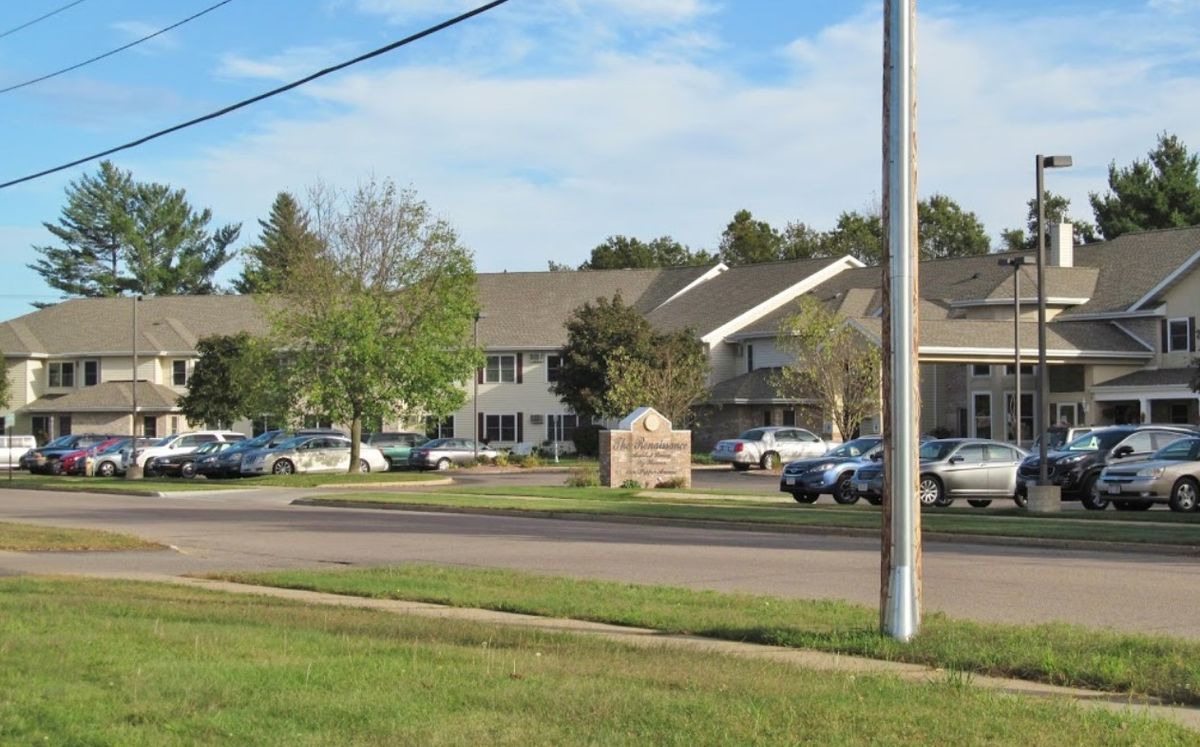
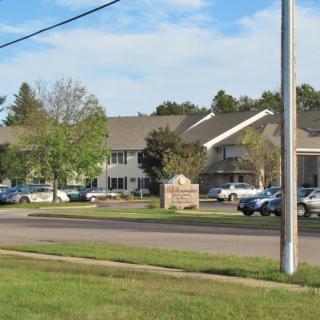
1500 Pepper Avenue, Wisconsin Rapids, WI 54494
For more information about senior living options: (866) 208-4318
Overall Review of Assisted Living in Wisconsin Rapids
Pros
 The staff are good, and the residents are well cared for.
- The facility offers great hospitality and a wonderful overall environment.
- It feels homey and clean with plenty of activities for residents.
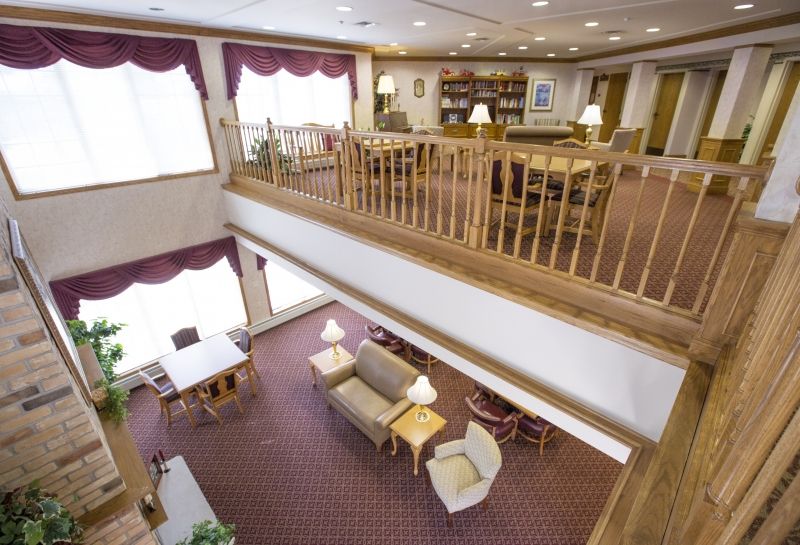
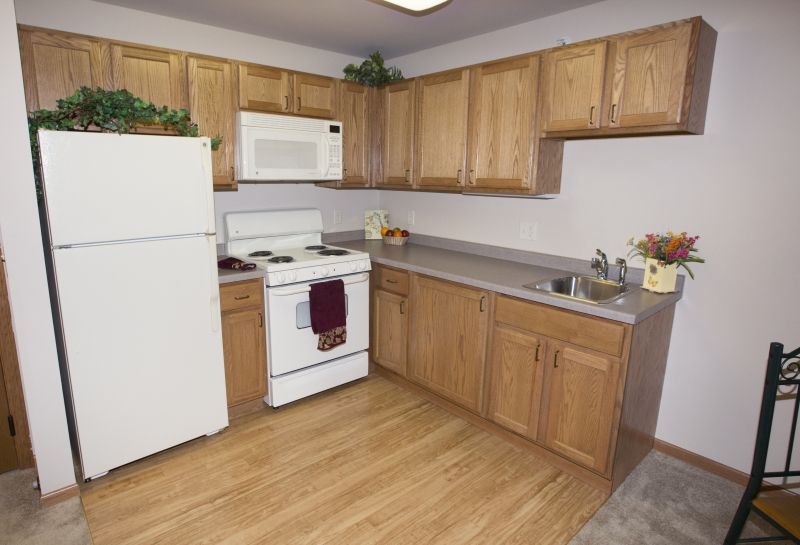
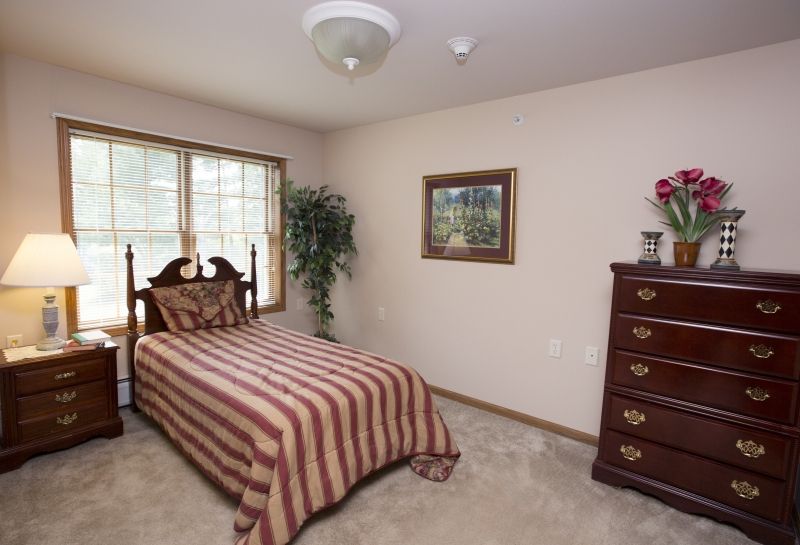
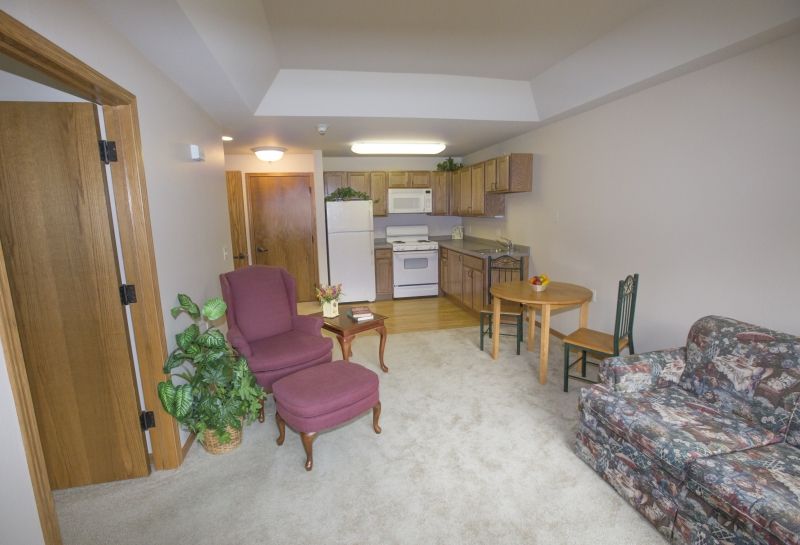
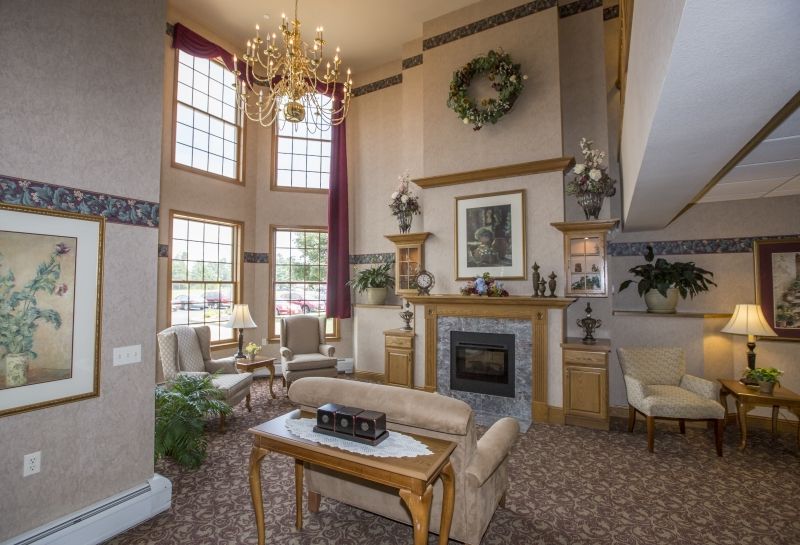
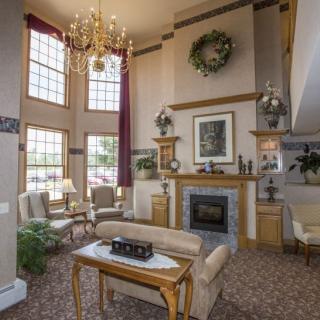
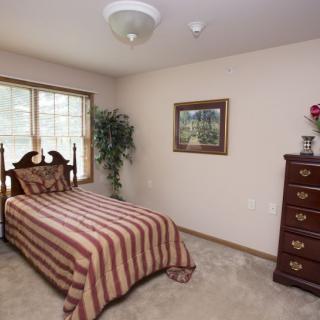
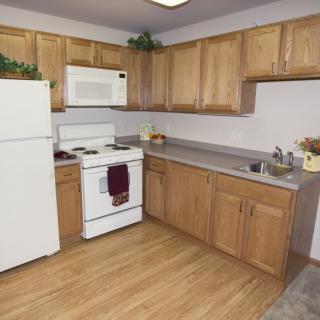
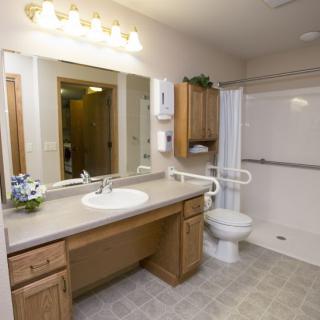
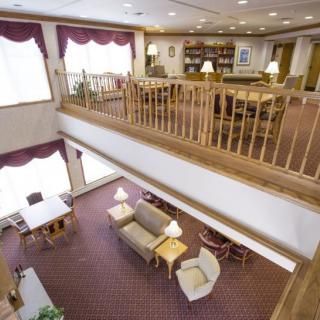
- The rooms are spacious and many include a small kitchen; amenities include a salon, library, and billiard table.
- The residents are active and the atmosphere is elegant in a good location.
- The staff have good work ethics and know the residents well, providing attentive personal care.
- Meals are good to excellent, with social outings and friendly, supportive staff.
Cons
 The facility looked like an old-fashioned nursing home with people in the hallways drooling and confused.
- The first impression was negative due to a resident being seen in a really bad shape.
- It advertised assisted living but looked like a nursing home.
- Everything seemed outdated, like from the 70s or 80s, which was a turn-off.
- Meals were not included and had to be paid for separately.
- Rent costs seemed to go up each year.
- The food wasn't good.
Review
Renaissance Assisted Living in Wisconsin Rapids is best suited for seniors who want a warm, social, home-like setting where aides and neighbors are accessible, and private living spaces feel comfortable rather than clinical. The community leans toward a mid-sized, intimate feel rather than a sterile campus, with spacious apartments that often include a small kitchen and private bath. On-site amenities such as a salon, library, and casual recreation help foster daily engagement, and multiple reviewers describe staff as attentive and residents as genuinely pleasant. This is a place where daily routines revolve around companionship, accessible assistance with activities of daily living, and opportunities to participate in outings and events. It suits those who prize continuity, familiarity, and a sense of belonging over flashier branding.
Alternatives are worth considering for seniors who crave a more modern, resort-like vibe, or who require stronger medical oversight. If memory care needs or constant nursing supervision are central, this may not be the best fit. Those who want meals included with a predictable, all-in price may find the payment structure here negotiable rather than fully transparent, since some reviews note meals are optional or cost extra. For budget-conscious families, annual rent increases are a factor to weigh, and the more formal, “grand hotel” aesthetic noted in some descriptions can feel dated to others. In short, if pristine, up-to-date décor and bundled dining are top priorities, look at competing communities.
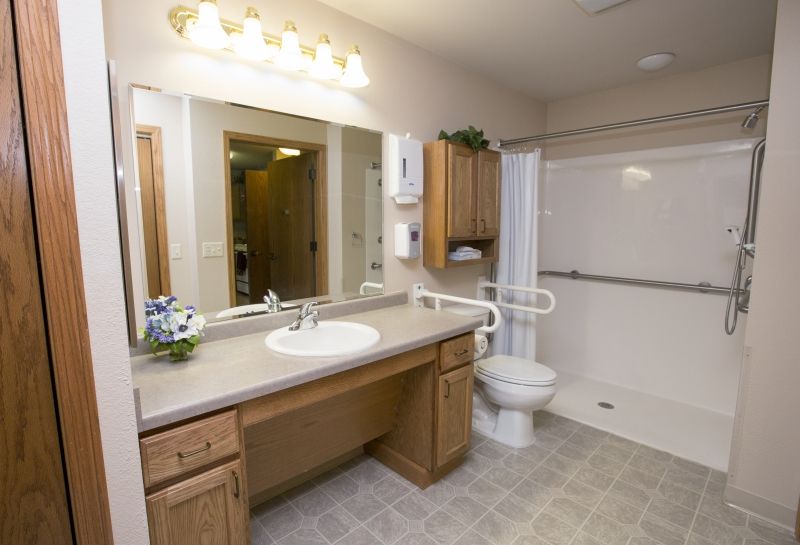
Yet the strongest positives tend to offset several drawbacks. Staff consistently earns praise for kindness, responsiveness, and genuine engagement, which translates into reliable help when assistance is needed and a sense of security for families. Residents appear active and socially connected, with programs and informal camaraderie that reduce isolation. Rooms are described as roomy with private bathrooms, and kitchenettes enable a degree of independence that many seniors value. The atmosphere can feel welcoming and homelike, not institutional, and for families along busy life paths, the ability to drive by or visit easily reinforces a sense of continuity. These factors cushion concerns over decor or dining costs.
Where the negative threads show up, they matter. A few critics describe a dated, almost nursing-home ambiance and uneven first impressions, an alarming contrast to the advertised assisted living model. Instances of staff not greeting visitors or lacking proactive engagement can leave families uncertain about responsiveness during off-hours. Some residents report meals priced separately or inconsistently, which complicates budgeting for those who expect a single, predictable monthly figure. The rent can creep upward year to year, and a few reviews recount variability in what’s included vs. what’s extra. Taken together, these realities test the promise of a consistently polished experience.
Families evaluating this community should plan to visit multiple times, speak directly with staff, and assess how care is delivered in practice. Ask about who qualifies for assistance with daily tasks, how quickly help is available, and whether memory care or higher-acuity services are offered on-site. Clarify meal policies, what’s included, what costs extra, and whether bundles are available, and obtain a printed, current price breakdown. Tour several resident rooms, test the noise level, safety features, and cleanliness; talk to current residents about their satisfaction and daily routines. Finally, request sample contracts, note any annual increases, and verify what triggers changes in services or pricing.
Overall, Renaissance stands out as a practical, dependable option for seniors who value community, accessibility, and a homey environment over polish and extravagance. It’s particularly well-suited for those who want an engaged, friendly staff, meaningful social opportunities, and private apartments with real kitchen spaces. Families should be prepared to tolerate occasional decor tiredness and a pricing structure that can shift over time. For residents who require a sleeker, more modern setting, or robust medical oversight and memory-care depth, alternatives are worth a closer look. When care and companionship take precedence over showroom aesthetics, this community often delivers a meaningful, reassuring home.
 79 resident community capacity
 Studio apartments
 Assisted Living
 Memory Care
 Skilled Nursing Facility
 Air-conditioning
 Beautician on-site
 Cable or satellite TV
 Computer center
 Dining room
 Fitness room
 Full kitchen
 Fully furnished
 Gaming room
 Garden
 Guest parking
 Housekeeping services
 Laundry
 Move-in coordination
 Outdoor space
 Private bathrooms
 Restaurant-style dining
 Small library
 Spa
Spa Telephone
 Wi-Fi/high-speed internet available
 Community operated transportation
 12-16 hour nursing
 24-hour call system
 Activities of daily living assistance
 Assistance with bathing
 Assistance with dressing
 Assistance with transfers
 Diabetes diet
 Medication management
 Mental wellness program
 Special dietary restrictions
 Arts and crafts
 Concierge services
 Games
Games Planned day trips
 English



 Guiding Your Journey: Understanding Power of Attorney for Elderly Parents
 22 Remarkable Caregiver Support Groups Available Online and In-Person
 Understanding Medicaid Coverage for Assisted Living: A Comprehensive Guide