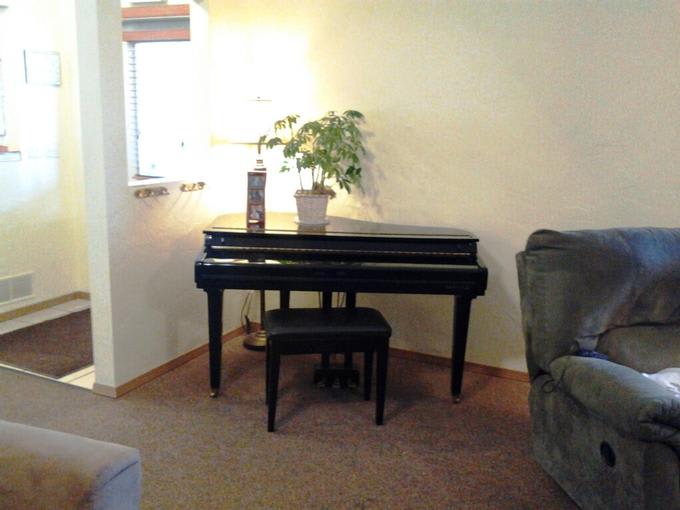
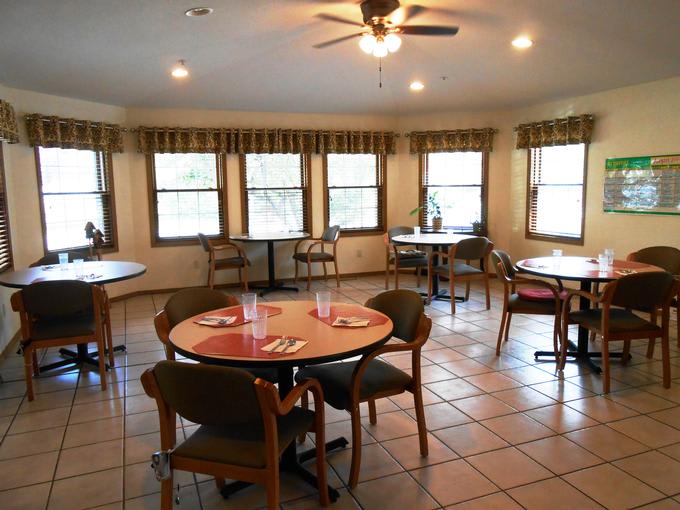
234 S 5th St, Winneconne, WI 54986
To contact a resident: (920) 582-4662
For more information about senior living options: (866) 208-4318
Care Partners Assisted Living-Winneconne Costs & Pricing
Care Partners Assisted Living-Winneconne offers competitive pricing for its residents, with monthly costs that reflect a thoughtful approach to care and accommodation. For a semi-private room, the cost is $3,700, which is slightly lower than the average in Winnebago County at $3,771 and notably more affordable compared to the statewide average of $3,977. Residents preferring private accommodations will find the monthly rate of $4,400 to be comparable yet still appealing against county figures at $4,438 and Wisconsin's overall average of $4,339. This positioning not only highlights Care Partners' commitment to providing value but also emphasizes their focus on fostering a supportive living environment within the community.
| Floor plans | Care Partners Assisted Living-Winneconne | Winnebago County | Wisconsin |
|---|---|---|---|
| Semi-Private | $3,700 | $3,771 | $3,977 |
| Private | $4,400 | $4,438 | $4,339 |
Senior living communities with a similar price nearby
-
from +$300 / mo
Century Oaks Assisted Living
$4,000 to $4,600 / month21.9 miles away -
from +$579 / mo
CopperStone Assisted Living
$4,279 to $5,562 / month12.5 miles away -
from +$700 / mo

Heartwood Homes Senior Living
$4,400 / month18.4 miles away -
from -$411 / mo

Living Tree Estates
$3,289 to $3,789 / month16.2 miles away -
About the same

Oakwood Manor
$3,725 to $4,075 / month7.9 miles away
Overall Review of Care Partners Assisted Living-Winneconne
Pros
 The community is great.
- The staff are caring and helpful.
- The meals are appealing with pleasing variety.
- The activities are helpful for residents.
- They provide great care for loved ones at good value.
- The facility offers a roofed patio and engaging activities like bingo, cards, and singing.
- The food is very good.
Review
Care Partners Assisted Living-Winneconne is best suited for seniors who want a small, attentive, service-driven community where staff familiarity translates into dependable daily care, consistent cleanliness, and a pleasant, home-like routine. This setting rewards families seeking a transparent, value-oriented option with reliable housekeeping, well-maintained grounds, and a calendar of social activities that nurtures connection without overwhelming residents. It is an ideal match for residents who thrive on predictable schedules, straightforward care, and the reassurance of staff who know their preferences well.
Those considering alternatives should be mindful of potential needs not clearly described in the available reviews. The accounts do not detail memory care programming, on-site skilled nursing, or a broad spectrum of clinical services. If memory impairment, high-acuity medical support, or a continuum of care from independent living to skilled nursing is required, families should explore options with explicit memory-care design and a wider care ladder. Similarly, families seeking extensive campus-wide amenities, robust transportation offerings, or highly specialized therapeutic programs may want to compare with larger communities.
The strongest pros, caring, dependable staff; clean rooms and grounds; appealing, varied meals; and meaningful activities, materially offset potential downsides by delivering a reliably warm, low-stress daily experience. Staff are described as consistently caring and helpful, which cultivates trust and reduces the burden on families. Cleanliness and well-kept surroundings contribute to residents’ comfort and to infection-control goals, while meals with variety support appetite and mood. The social calendar, including bingo, cards, live entertainment, and regular visitors, enhances routine without introducing chaos, a combination that often minimizes relocation stress for long-term residents.
What remains uncertain, and therefore worth validating during a visit, are the facility’s capabilities for residents with higher care needs and the specifics of pricing and coverage. The reviews offer little detail on therapy services, transportation, or emergency responsiveness beyond general impressions of good care. Prospective families should request a clear outline of what is included in base rates, what constitutes extra charges, and whether support for memory care, wrenching transitions, or overnight nursing supervision is available on-site or through affiliated partners. In addition, clarification about room configurations, private versus shared spaces, and how laundry services are billed will help families avoid ambiguity.
When the pros align with priorities, personalized attention, strong cleanliness standards, tasty meals, and an engaging activity lineup, the positives tend to dominate any limited uncertainty about broader care capabilities. The intimate, close-knit feel reduces the likelihood of residents feeling lost in a larger campus, while individualized attention, evidenced by personal room adjustments and selective laundry practices, supports dignity and privacy. In practice, these strengths can translate into fewer relocations, steadier routines, and a smoother transition for spouses and children who want hands-on involvement without sacrificing quality of life for their loved one.
The recommended path is a targeted visit with a clear checklist. Confirm staffing patterns during peak hours, ask to observe a meal and a typical activity, and speak with multiple staff members about how care plans are developed and updated. Verify the availability of memory-care options or alternative arrangements for residents whose needs evolve, and obtain a transparent written understanding of inclusions, optional services, and pricing. If the fit is right, Care Partners Assisted Living-Winneconne offers a compelling, practical solution for families prioritizing a nurturing environment, value-driven care, and a socially engaged daily life.
 Board and Care Home
 Cats allowed
 Dogs allowed
 Activities off-site
 Beautician on-site
 Devotional services off-site
 Handicap accessible
 Indoor common areas
 Outdoor common areas
 Private
 Respite or short term stays offered
 Wheelchair accessible showers
 Outagamie County Regional (14 miles away)
 Diabetic care
 High acuity care
 Incontinence care
 Medication management
 Anytime dining
 Visiting chaplain or priest

 Nurturing Our Loved Ones: A Daughter's Journey in Caring for Her Mother
 Nurturing Our Elders: Linda's Journey of Supporting Her Mother
 A Comprehensive Exploration of Common Misunderstandings about Powers of Attorney