
1061 W Blackhawk Dr # 8, Whitewater, WI 53190
To contact a resident: (262) 473-2229
For more information about senior living options: (866) 208-4318
Overall Review of Brookdale Manor
Cons
 Brookdale Manor did not feel personal and seemed more like a big corporation.
- Brookdale Manor was farther away.
- They felt the level of care needed was beyond what the facility could provide.
- These concerns were the main reasons they did not choose the facility for their loved one.
Review
Brookdale Manor in Whitewater, WI is most appropriate for families seeking the security and predictability of a large, national senior living network. This community suits those who value established processes, standardized programming, and the backing of a well-known operator. The upside of that scale is a sense of stability: consistent routines, broader access to services, and a structure that can accommodate varied activity calendars and staffing models. Proximity to family is a factor, but the distance can be a hurdle for frequent visits, so the decision hinges on whether the perceived benefits of a big-network environment outweigh the logistical extra miles.
Those considering alternatives should weigh which features matter most. If a highly personalized, intimate atmosphere is nonnegotiable, or if a closer geographic footprint is essential for daily involvement, a smaller, locally owned community may deliver the warmth and accessibility that Brookdale Manor lacks. For families grappling with rising care needs, especially memory care or more intensive assistance, explore options with a proven track record in delivering higher levels of support onsite. The decision should also factor in the desire for nimble communication and hands-on family engagement, which can be tougher in a larger corporate setting.
The strongest pro of Brookdale Manor is the resource backing that comes with a nationwide operator. When routine care is the priority, help with dressing, medications, and scheduled activities, the scale can translate into steady staffing, reliable programming, and access to a broad care continuum. These advantages can offset some concerns about consistency and coverage, particularly for residents who thrive on routine and predictable care plans. However, the practical reach of a large operation has limits; the care needs of a resident can outpace what the community routinely provides, especially if the expectation grows for very hands-on, individualized attention at all hours.
A primary con, as reflected in the feedback, is the sense that the place can feel impersonal. Families reported an impression of Brookdale Manor as a big corporation rather than a close-knit, home-like environment. That vibe matters because the emotional and relational aspects of care, knowing the staff, having daily interactions with caregivers who see the resident as an individual, often determine quality of life as much as physical care. Distance compounds this concern: when visits are less frequent, the risk of residents fading into a more generic routine increases, and personalized engagement can diminish.
These tensions point to actionable steps for families evaluating a tour. Probe caregiver-to-resident ratios and staff turnover, which strongly influence whether care feels attentive or routine. Request, in concrete terms, how care plans are developed and updated, and ask to see examples of individualized plans. Tour the dining and common areas with an eye for how residents are addressed by name, how activities are tailored to varying interests, and how the community handles transitions if a higher level of care becomes necessary. Speak with current residents and families about responsiveness, communication quality, and the overall sense of belonging. If the questions yield confident, detailed answers, Brookdale Manor stands a better chance of meeting expectations; if not, alternatives merit priority.
In the end, Brookdale Manor represents a solid option for families prioritizing reliability, programming breadth, and the assurances that come from a well-resourced operator. It is a particularly sensible fit for those who are comfortable with a corporate ambiance and who are not counting on a boutique, intimate setting to feel like home. For households where warmth, directness of care, and a close-knit environment are nonnegotiable, or where proximity to family for daily involvement is critical, exploring smaller, more personal communities or facilities with proven higher-acuity capabilities is prudent. The choice should align with the resident’s current needs and the family’s access priorities, with a clear plan to reassess as care requirements evolve.
 Assisted Living
 Independent Living
 Activities on-site
 Devotional services off-site
 Indoor common areas
 Ambulatory care
 Diabetic care
 Meals provided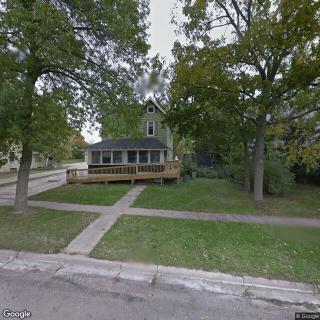
 Fully furnished accommodations with 24/7 supervision, ADL assistance, medication management, and on-site activities.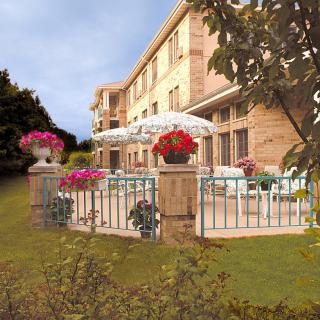


 When to Transition from Assisted Living to Memory Care: Key Indicators, Steps, and Finding the Right Community
 Assisted Living and Memory Care: Understanding Their Core Differences
 Beyond the Bingo Hall: 50+ Enriching Activities for Seniors in Assisted Living