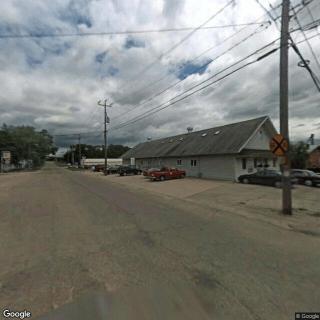
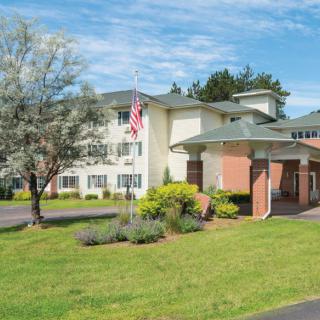
Waupaca Elder Care Home in Waupaca, WI

510 River Street, Waupaca, WI 54981

For more information about senior living options: (844) 490-3973

4.6 from 7 reviews
5 stars
5
4 stars
1
3 stars
1
2 stars
0
1 stars
0

Assisted Living Board and Care Home Memory Care

What level of care are you interested in?

Assisted Living

Memory Care

Independent Living

Skilled Nursing Facility

Continuing Care Retirement Community (CCRC)CCRC

Other


Request a tour at Waupaca Elder Care Home

    Overall Review of Waupaca Elder Care Home

    Pros

    • pro Waupaca Elder Care Home has a wonderful team.
    • pro The staff are dedicated to the care they provide for their residents.
    • pro They function like a small family, being understanding and flexible.
    • pro The facility's circular layout allows viewing all rooms from the center, contributing to a smaller, welcoming community.
    • pro The care approach is holistic, with access to physical therapy and pastoral support as needed.
    • pro Overall, reviewers would recommend the home.

    Cons

    • pro The building and its facilities seemed outdated.
    • pro There was a medication error between the mother-in-law's doctor/hospital and a nurse on site.
    • pro The reviewer was concerned that the mother-in-law wasn't receiving the type of care she deserved.
    • pro The reviewer was not convinced that the error was the fault of the staff there.
    • pro The incident left the reviewer with a bad impression initially.

    Review

    Waupaca Elder Care Home is best suited for families seeking a small, family-style setting where personalized attention and close staff-resident relationships are the core strength. It works well for seniors who thrive in a intimate, easily navigable space and value a holistic approach to care - one that blends medical support with physical therapy and pastoral encouragement. This community shines for residents who want meaningful social engagement in a compact environment, where staff know residents by name and foster interaction rather than scheduling them into a crowded program. It is not the right fit for families hoping for cutting-edge facilities or a broad, apartment-like amenity slate.

    The strongest selling points center on the care team and the atmosphere. The staff is described as dedicated, friendly, and flexible, creating a sense of being part of a small, supportive family. The circular layout makes it easy to supervise and notice changes in a resident's condition, reinforcing safety and day-to-day consistency. Activities are designed to promote connection among residents, which helps maintain morale and social skills. The commitment to a holistic model shows in non-medical support as well, including access to physical therapy and pastoral services when requested. For families who prize warmth, reliability, and a culture of caring, this translates into a dependable, reassuring environment.

    But the facility's aging infrastructure stands out as a practical drawback. Several reviewers note that the building and its amenities feel outdated, which can be a tangible factor for anyone accustomed to newer surroundings or more expansive common areas. The smaller scale of the community, while advantageous for intimacy, also means fewer high-end amenities and potentially fewer on-site options for entertainment or specialized care beyond the basics. A concrete concern involves medical coordination; a miscommunication between a hospital/doctor and an on-site nurse produced a troubling moment. Although the sentiment is that staff were not wholly at fault and care continued, the episode underscores a real risk in how information is relayed and acted upon within a small campus.

    These tensions are not unsalvageable, however. The pros largely offset the cons for families prioritizing comfort, continuity, and a responsive care culture. The staff's willingness to adapt, the emphasis on holistic care, and the emphasis on fostering resident engagement create a protective layer around daily life and recovery. The small size cultivates accountability - things are visible, and staff are more likely to know when a resident needs a nudge, a therapy session, or pastoral support. In practice, this translates to faster, more personalized attention when needs shift, which is especially valuable during recovery from a fall or medical setbacks. The upbeat rating from most reviewers reflects confidence in this approach, even when physical plant limitations are evident.

    For families deciding whether to pursue this option, practical vetting steps matter. Consider how the community handles medication management and inter-provider communication, and ask to see a sample care plan that details how holistic services integrate with medical routines. Inquire about daily activities suitable for different cognitive and physical levels, and how staff facilitate social interaction without overwhelming residents. If modern aesthetics, expansive common areas, or robust on-site rehab programs are a priority, alternatives in larger campuses or facilities with newer infrastructure may be preferable. The right choice balances the comfort and continuity of a small, attentive team with the resident's needs for safety, engagement, and reliable care coordination.

    In the end, Waupaca Elder Care Home delivers a compelling value for families who want intimate, compassionate care anchored by a committed staff and a holistic care philosophy. The main caveat is an older facility and the potential for med-management hiccups in a small setting. When these are weighed against the strength of the team, the focus on meaningful activities, and the proven capacity to support recovery and pastoral needs, this community stands out as a strong, practical choice for those who prioritize closeness, attentiveness, and a warm, family-like atmosphere over luxe amenities or expansive medical on-site capabilities. For the right family, it offers a trustworthy home where residents are known, cared for, and connected.

    Features

    Housing

    • 16 resident community capacity 16 resident community capacity

    Types of Care

    • Assisted Living Assisted LivingAssisted living facilities provide crucial support and care for seniors who may need help with daily tasks such as medication management, bathing, and meal preparation. These communities offer a safe and comfortable environment where seniors can maintain their independence while receiving the assistance they need to thrive in their golden years.
    • Board and Care Home Board and Care HomeBoard and care homes provide a smaller, more intimate setting for seniors who require assistance with daily tasks but do not need the level of care offered by a nursing home. They offer personalized care, meals, and social activities in a homelike environment, ensuring that seniors receive individualized attention and support in their golden years.
    • Memory Care Memory CareMemory care is crucial for seniors as it provides specialized support and services for individuals with dementia or Alzheimer's disease. These programs offer a safe and secure environment where residents receive personalized care, cognitive stimulation, and help with daily activities. Memory care helps seniors maintain their independence, quality of life, and dignity while also providing peace of mind for their families.

    Amenities

    • Cable or satellite TV Cable or satellite TVCable or satellite TV is important for seniors because it provides entertainment, news, and companionship, helping to combat loneliness and boredom. It also offers a wide range of programming options tailored to different interests and preferences.
    • Dining room Dining roomDining rooms are important for seniors as they provide a space for socialization, connection, and nutritious meals. They offer opportunities for residents to bond over shared meals, foster a sense of community, and promote healthy eating habits. Dining rooms also ensure that seniors have access to well-balanced meals tailored to their dietary needs and preferences.
    • Fully furnished Fully furnishedFully furnished senior living communities are important for seniors because they provide convenience, comfort, and a hassle-free moving experience. Seniors can easily settle into their new living space without the stress of having to buy and move furniture. This allows them to focus on enjoying their new home and community.
    • Garden GardenGardens are important for seniors as they provide a peaceful and therapeutic environment for relaxation, physical activity, and socialization. Being in nature has been shown to reduce stress, improve mood, and promote overall well-being. Gardens also offer opportunities for seniors to engage in gardening activities, which can improve mobility, flexibility, and cognitive function. Additionally, gardens create a sense of community and connection with others who share a passion for plants and outdoor spaces.
    • Housekeeping services Housekeeping servicesHousekeeping services are important for seniors because they help maintain a clean and safe living environment, promote independence, and reduce the risk of accidents or illnesses. Additionally, having assistance with household chores can alleviate physical strain and allow seniors to focus on other aspects of their well-being.
    • Move-in coordination Move-in coordinationMove-in coordination is important for seniors because it helps ease the transition into their new living environment. It ensures that all logistics, such as packing, organizing movers, and setting up utilities are taken care of, allowing seniors to focus on settling in and adjusting to their new home. Having a smooth move-in process can alleviate stress and anxiety, making the transition smoother and more enjoyable for seniors.
    • Outdoor space Outdoor spaceOutdoor spaces are important for seniors as they provide opportunities for physical activity, social interaction, exposure to natural light and fresh air, and a sense of connection to nature. Having access to outdoor spaces can improve overall well-being and quality of life for older adults living in senior communities.
    • Small library Small librarySmall libraries are important for seniors as they provide access to a variety of reading materials, including books, newspapers, and magazines. This can help stimulate their minds, keep them engaged, and provide a sense of community through book clubs and other social activities. Additionally, reading has been shown to improve cognitive function and overall mental well-being in older adults.
    • Telephone TelephoneTelephones are important for seniors as they provide a lifeline for communication with loved ones, emergency services, and healthcare providers. They offer a sense of security and independence, enabling seniors to stay connected and access assistance when needed.

    Care Services

    • 24-hour supervision 24-hour supervision24-hour supervision is important for seniors to ensure their safety, well-being, and access to immediate assistance in case of emergencies or health issues. This constant support provides peace of mind for both seniors and their loved ones, allowing them to age in place with dignity and security.
    • Activities of daily living assistance Activities of daily living assistanceActivities of daily living assistance are important for seniors because they provide essential support with tasks such as eating, bathing, dressing, and mobility. This assistance helps seniors maintain their independence, dignity, and overall quality of life as they age.
    • Assistance with bathing Assistance with bathingAssistance with bathing is crucial for seniors as it helps maintain personal hygiene, prevents infections, and ensures their overall well-being and comfort. It also provides a sense of dignity and independence for seniors who may struggle with this task on their own.
    • Assistance with dressing Assistance with dressingAssistance with dressing is important for seniors because it helps maintain their independence, promotes personal hygiene, prevents accidents and injuries, and improves overall quality of life. This service ensures that seniors can continue to dress comfortably and confidently, despite any physical limitations they may have.
    • Assistance with transfers Assistance with transfersAssistance with transfers is crucial for seniors as it helps prevent falls and injuries, maintains their independence, and ensures they can safely navigate their living environment. It also provides peace of mind for both seniors and their loved ones.
    • Diabetes diet Diabetes dietA diabetes diet is crucial for seniors as it helps manage blood sugar levels, reduce risks of complications, and improve overall health and well-being. By following a balanced and nutritious diet tailored to their specific needs, seniors can better control their diabetes and enhance their quality of life.
    • Meal preparation and service Meal preparation and serviceMeal preparation and service are crucial for seniors as they may have limited mobility or energy to cook nutritious meals. Having access to healthy and convenient food options can ensure they are getting the proper nutrition needed to maintain their overall health and well-being.
    • Medication management Medication managementMedication management is crucial for seniors to ensure they are taking the right medications at the correct dosages and times. This helps prevent adverse drug interactions, reduces the risk of medication errors, and promotes overall health and well-being. Proactive management also allows for adjustments as needed based on changing health conditions or new prescriptions.
    • Mental wellness program Mental wellness programMental wellness programs are essential for seniors as they promote cognitive stimulation, emotional support, and social engagement. These programs help prevent isolation, depression, and cognitive decline, ultimately enhancing the overall quality of life for older adults.
    • Mild cognitive impairment Mild cognitive impairment"Mild cognitive impairment" is important for seniors because it is an early stage of cognitive decline that can potentially progress to more severe conditions such as dementia. Recognizing and addressing mild cognitive impairment can help seniors receive appropriate care and support to maintain their quality of life and independence for as long as possible.
    • Special dietary restrictions Special dietary restrictionsSpecial dietary restrictions are important for seniors because age-related changes in metabolism and health conditions can make it difficult for their bodies to process certain foods. By following a diet tailored to their specific needs, seniors can maintain their overall health and well-being, manage chronic conditions, and reduce the risk of complications such as malnutrition or food interactions with medications.

    • Specialized memory care programming Specialized memory care programmingSpecialized memory care programming is crucial for seniors with cognitive impairments such as dementia or Alzheimer's disease. These programs provide a safe and supportive environment tailored to the unique needs of individuals with memory loss, helping them maintain their independence, dignity, and quality of life.

    Dining

    • Diabetes diet Diabetes dietA diabetes diet is crucial for seniors as it helps manage blood sugar levels, reduce risks of complications, and improve overall health and well-being. By following a balanced and nutritious diet tailored to their specific needs, seniors can better control their diabetes and enhance their quality of life.
    • Special dietary restrictions Special dietary restrictionsSpecial dietary restrictions are important for seniors because age-related changes in metabolism and health conditions can make it difficult for their bodies to process certain foods. By following a diet tailored to their specific needs, seniors can maintain their overall health and well-being, manage chronic conditions, and reduce the risk of complications such as malnutrition or food interactions with medications.

    Activities

    • Community-sponsored activities Community-sponsored activitiesCommunity-sponsored activities are important for seniors as they provide opportunities for social interaction, mental stimulation, and physical activity. These activities can help improve overall well-being, combat loneliness and isolation, and promote a sense of belonging and purpose among older adults.
    • Scheduled daily activities Scheduled daily activitiesScheduled daily activities are important for seniors because they provide structure, socialization, mental stimulation, and physical activity. Engaging in regular activities can improve overall well-being and quality of life for seniors living in a community setting.

    Description

    The Waupaca Elder Care Home in Waupaca, WI is a warm and inviting assisted living community providing top-notch care for seniors. Our dedicated staff offers board and care home services as well as specialized memory care for individuals with cognitive impairments.

    Residents can enjoy a variety of amenities designed to enhance their quality of life. We have a spacious dining room where delicious meals are served, accommodating special dietary restrictions. All rooms are fully furnished, providing a comfortable and welcoming environment. Our outdoor space allows residents to relax in the fresh air and enjoy nature. For those who love reading, our small library offers a quiet place to escape.

    Housekeeping services are provided to ensure that residents can focus on enjoying their time here without worrying about chores. Our move-in coordination service makes the transition into our community seamless and stress-free. Each resident has access to a telephone for staying connected with loved ones.

    Our caring staff is trained in assisting with activities of daily living such as bathing, dressing, and transfers. We also offer specialized assistance for individuals with diabetes through our diabetes diet program. Medication management is provided to ensure that residents receive the right medications at the right times.

    We prioritize mental wellness by offering a comprehensive program tailored for each individual's needs. For those with mild cognitive impairment or memory loss, we provide specialized memory care programming to promote cognitive function and engagement.

    Located in Waupaca, WI, our community enjoys proximity to various amenities in the area. There are 4 cafes nearby where residents can meet friends for coffee or socialize. For outdoor enthusiasts, there are 2 parks nearby offering beautiful scenery and opportunities for leisurely walks. Accessing healthcare is convenient with 6 pharmacies and 11 physicians in close proximity. Residents also have numerous dining options at their fingertips with 22 restaurants nearby.

    Transportation services are available for easy access to local destinations, ensuring that residents can maintain an active lifestyle within the community and beyond. For spiritual needs, there are 4 places of worship nearby. In case of any medical emergencies, 2 hospitals are conveniently located in the vicinity.

    At the Waupaca Elder Care Home, we strive to create a supportive and engaging environment for our residents. With a range of amenities and services, we aim to enhance their overall well-being and provide a nurturing place that feels like home.

    Nearby Places of Interest

    Places of Worship

    • Radiant Fellowship (0.1 miles)
    • Wels (1.9 miles)
    • Southern Baptist Convention (2.1 miles)
    • Victory Church (2.8 miles)
    • Spencer Lake Christian Center (5.1 miles)
    • St Peter's Pella Opening, Office (7.3 miles)
    • Scandinavia Lutheran Church (7.3 miles)

    Transportation

    • Enterprise Rent-A-Car (0.4 miles)
    • Waupaca Taxi (0.8 miles)
    • Brown Cab Taxi (0.8 miles)
    • Riverside Hospital Heliport (2 miles)
    • Waupaca Airport (4.4 miles)
    • Brunner Field (4.6 miles)
    • U-Haul Neighborhood Dealer (10.1 miles)

    Physicians

    • Heistad Hearing Services (0.5 miles)
    • Community Eyecare Center (0.6 miles)
    • Avada Audiology & Hearing Care (1.3 miles)
    • Aspirus Waupaca Clinic (1.3 miles)
    • Waupaca Kidney Center (1.3 miles)
    • Ministry Medical Group (1.3 miles)
    • Forefront Dermatology Waupaca, WI (1.5 miles)

    Pharmacies

    • Stratton's Drug Store (0.6 miles)
    • Home Town Pharmacy (0.6 miles)
    • Professional Pharmacy (0.6 miles)
    • Youthful Essence Wellness (0.6 miles)
    • Waupaca Woods Pharmacy (0.6 miles)
    • Walgreens (0.7 miles)
    • Sweet Medicine Pharmacy (10.2 miles)

    Restaurants

    • Banjo's (0.6 miles)
    • T. W. Martins Irish Pub (0.6 miles)
    • Simpson's Restaurant (0.6 miles)
    • McDonald's (0.7 miles)
    • Little Caesars Pizza (0.7 miles)
    • Dq Grill & Chill (0.8 miles)
    • Domino's Pizza (0.8 miles)

    Cafes

    • Little Fat Gretchen's (0.6 miles)
    • Secret Garden Cafe (0.9 miles)
    • Freckled Frogg (2.8 miles)
    • Scoopers (4.4 miles)
    • Crystal Cafe (10.1 miles)
    • The Daily Grind Cafe (11 miles)

    Parks

    • Schwenn Lions Park (0.7 miles)
    • South Park (1 miles)
    • Whispering Pines Hartman Creek State Park (5.5 miles)
    • Nelson Park (6 miles)
    • Hartman Creek State Park (6.4 miles)
    • Ellison Park (7.5 miles)
    • Stedman Park (8 miles)

    Hospitals

    • Riverside Medical Center (1.5 miles)
    • Wisconsin Veteran's Home At King (3.1 miles)

    Theaters

    • The Gerold Movie Theatre (8.5 miles)

    Frequently Asked Questions

    Where is Waupaca Elder Care Home?
    Does Waupaca Elder Care Home provide care for residents with dementia or Alzheimer's disease?

    Nearby Communities

    • Angelus Downtown Apartments

      Angelus Downtown Apartments

      Waupaca, WI

      2.5 from 2 reviews
       

      pro Downtown location with extensive nearby amenities and healthcare access.

    • Garden Park House

      Garden Park House

      Waupaca, WI


      pro Intimate 14-bed community with a home-like atmosphere and comprehensive care (ADLs, medication management, diabetes diet, transportation).

    • Recover Health of Wisconsin

      Recover Health of Wisconsin

      Waupaca, WI


      pro Strong convenience with access to a wide range of nearby amenities and healthcare options.

    • Whistling Pines

      Whistling Pines

      Waupaca, WI


      pro Specialized memory care with 24-hour supervision.

    • Bethany Home

      Bethany Home

      Waupaca, WI

      3.8 from 25 reviews
       

      pro Long-standing campus with multiple care levels and active programming.

    • Bethany Pines

      Bethany Pines

      Waupaca, WI


      pro Fully furnished assisted living with 24/7 care and restaurant-style dining.

    • Park Vista- Waupaca

      Park Vista- Waupaca

      Waupaca, WI

      4 from 8 reviews
      $2,480 to $4,055 / month

      pro Immaculate facilities with friendly staff, a pleasant setting, and meals included for residents.

    • Rosemore Village Retirement Community

      Rosemore Village Retirement Community

      Wild Rose, WI

      4.3 from 6 reviews
      $995 / month

      pro Compassionate staff and a welcoming, homey atmosphere with spacious rooms and engaging activities.

    • Preston Place RCAC

      Preston Place RCAC

      Redgranite, WI

      4.1 from 9 reviews
      $1,575 to $1,775 / month

      pro Clean, inviting facility with friendly staff and active common areas.

    Related Resources

    • in home dementia care costsEstimating the Expenses of At-Home Dementia Care: A Detailed Exploration

      At-home dementia care expenses vary widely based on care levels, location, and caregiver expertise, with monthly costs for home health aides exceeding $4,500 and specialized care potentially surpassing $100,000 annually. While families favor in-home care for its comfort and personalized attention, they must consider financial planning and the challenges of caregiver fatigue.

    • end stage dementiaComprehensive Insights on the Late Stages of Dementia: What to Expect and How to Provide Care

      The article discusses the late stages of dementia, detailing the progression from mild to severe impairment and highlighting key characteristics such as profound cognitive decline and dependency in daily activities. It emphasizes care strategies focused on comfort and dignity, the importance of advance directives, and the emotional support needed for family caregivers facing this challenging journey.

    • list of drugs linked to dementiaMedications Associated with Dementia Risk: A Comprehensive Overview

      The article examines the link between certain medications and increased dementia risk, particularly in older adults, emphasizing that long-term or high-dose use of anticholinergics, benzodiazepines, and other drug classes can exacerbate cognitive impairment. It calls for careful medication evaluation and shared decision-making to mitigate these risks while managing treatment efficacy.


    Get Pricing Ask A Question Schedule A Tour Contact Senior Advisor