
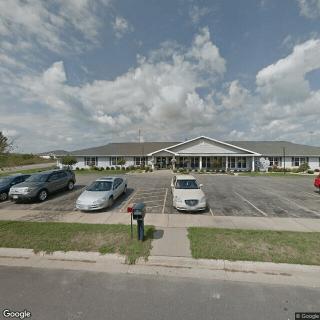
1031 Heeler Avenue, Tomah, WI 54660
For more information about senior living options: (866) 208-4318
Overall Review of Cranberry Court I
Pros
 The place is a quiet little haven for nan.
- The staff are caring.
- It sits in a quieter neighborhood.
- It has easy access in and out.
- It has its own little buildings to keep things quieter between houses.
Review
Cranberry Court I in Tomah, Wisconsin is best suited for an older adult who thrives in a small, quiet, home-like setting and places a premium on personal attention over bustle. The campus is described as quiet and neighborhood-friendly, with easy access in and out and a design that uses separate, smaller buildings to keep everyday life from feeling crowded. This arrangement suits someone who dislikes long walks through a large facility or the sensory load of a big campus, yet still wants predictable routines, dependable care, and visible staff presence. The care staff’s reputation for warmth and attentiveness is a meaningful edge, translating into steady daily support, calmer interactions, and fewer friction points during routine tasks like meals, medication, and transfers.
For families seeking a robust social calendar, a wide array of on-site amenities, or a full, visible medical services continuum, Cranberry Court I may fall short. Those needing extensive rehabilitative services, memory care expertise, or more expansive on-site programming should consider alternatives with larger staff rosters, more structured activity schedules, and a broader range of care options under one roof. If independence is paired with a desire for constant, high-energy engagement or if a resident’s medical needs require round-the-clock, specialized attention, a bigger community could be a better match. In short, this setting suits modest-to-moderate care needs rather than escalated or highly specialized care.
The strongest positives center on environment and caregiver relationships. A quiet neighborhood atmosphere lowers stimulation and stress, an asset for residents who prefer routine, predictability, and a serene living space. The easy ingress and egress simplify family visits, transportation logistics, and daily transitions, which reduces friction for caregivers and reduces the likelihood of missed appointments or rushed mornings. The campus’s division into smaller clusters reinforces privacy and a sense of belonging to a compact, familiar neighborhood rather than a sprawling, impersonal campus. When a resident values a gentle pace and consistent staff interactions, these elements become decisive advantages.
However, the limited information available from a single review introduces legitimate caution. Questions about the full scope of on-site services, nursing, therapy, transportation, and meal variation, remain unanswered. Without broader transparency, potential residents cannot easily gauge whether care levels will scale with changing needs or if accommodations for memory support, fall prevention, or assistive devices are readily accessible. Costs, eligibility for different levels of assisted living, and eligibility for any optional add-ons also remain unclear. Such gaps matter because the perceived quiet and staffing warmth can be outweighed by a shortage of essential services if health or mobility declines.
When the positives align with needs, the pros can effectively offset the cons. For someone who prioritizes a calm, uncluttered living space, where staff know residents by name and respond promptly, Cranberry Court I delivers reliability and peace of mind that larger, busier communities may struggle to match. The intimate setting promotes consistent routines, easier family communication, and fewer transitions, factors that reduce confusion and anxiety for aging adults who resist institutional energy. Yet the offset only holds if the resident’s care requirements stay within the level of support historically provided in a small, quiet campus.
The practical path to decision-making is clear. Schedule a direct tour to assess the actual pace, noise levels, and layout in person; request a comprehensive list of services, staffing ratios, and what on-site care is available now versus what requires off-site arrangements. Ask for transparent pricing, including what is included in base fees and what costs may accompany changes in care needs. In addition, probe whether memory care, rehab, or assisted-living extensions exist on-site or nearby, and what transition pathways look like if health declines. If those answers confirm a match to a quiet, personal-touch environment with dependable staffing, Cranberry Court I stands out as a solid, well-suited option; if not, the field may yield a better-aligned community with more robust programming and care flexibility.
 14 resident community capacity
 Assisted Living
 Board and Care Home
 Cable or satellite TV
 Dining room
 Fully furnished
 Garden
 Housekeeping services
 Move-in coordination
 Outdoor space
 Telephone
 Wi-Fi/high-speed internet available
 24-hour supervision
 Activities of daily living assistance
 Assistance with bathing
 Assistance with dressing
 Assistance with transfers
 Diabetes diet
 Meal preparation and service
 Medication management
 Special dietary restrictions
 Transportation arrangement (medical)
 Transportation to doctors appointments


 8 Key Indicators That Suggest It May Be Time to Transition from Assisted Living to Skilled Nursing Care
 Vibrant Senior Living: A Comprehensive Guide for Active Older Adults
 When to Transition from Assisted Living to Memory Care: Key Indicators, Steps, and Finding the Right Community