At Hyland Crossings, the monthly cost for a studio room is set at $6,120, which notably exceeds both the Dane County average of $4,418 and Wisconsin's state average of $3,999. This disparity in pricing reflects the premium services and amenities that Hyland Crossings offers to its residents. While the rates are higher than those in the surrounding areas, they may be justified by the quality of care and enriched living environment provided at this facility. Residents and their families looking for exceptional support and a vibrant community may find that the investment aligns with their expectations for comfort and well-being.
Floor plans
Hyland Crossings
Dane County
Wisconsin
Studio
$6,120
$4,418
$3,999
Memory care communities with a similar price nearby
Residents describe the community as consistently clean and well-kept.
Multiple residents and families mention spotless, neat, and well-maintained spaces, including both the overall look and day-to-day care areas. Several reviews also connect the clean environment with a sense of comfort and safety for people living with advanced Alzheimer’s or dementia.
differentiator20 reviews mention this
Staff are dementia-focused and attentive
Residents consistently describe staff as dementia-experienced and very attentive.
Reviewers repeatedly highlight staff who understand dementia care needs and respond thoughtfully to changes over time. Several families specifically praise communication with loved ones and with family members, and some describe hands-on support during difficult stages near the end of life. This focus aligns with the community offering memory care programming and support services such as medication management and specialized memory care programming.
common5 reviews mention this
Food stands out for residents
Families often mention the meals as a real positive.
Dining comes up often, with residents described as enjoying the food and families appreciating how meals fit their loved one’s needs. A few reviews also refer to homemade-style meals and snacks, along with staff support around specific food concerns. Overall, it matches the community’s restaurant-style dining and meal-provided approach.
common6 reviews mention this
Activities help residents stay engaged
Residents and families describe meaningful daily activities.
Several reviews mention structured options that help people stay occupied, including room-based activities like puzzles and crafts. Others describe personalized activities and social engagement, plus outings such as field trips and bus rides. This reflects a community that offers scheduled daily activities and day trips for residents across memory care.
How we summarize
Counts show how many written reviews mention each theme; a review can touch several themes, and only frequently mentioned themes are displayed.
Features
Housing
24 resident community capacity
Types of Care
Assisted Living
Memory Care
Amenities
Activities off-site
Activities on-site
Air-conditioning
Bath tubs
Beautician on-site
Beauty salon
Cable or satellite TV
Devotional services on-site
Dining room
Fully furnished
Garden
Ground floor units
Handicap accessible
Housekeeping services
Indoor common areas
Kitchenette
Move-in coordination
Outdoor common areas
Outdoor space
Respite or short term stays offered
Restaurant-style dining
Small library
Telephone
Wheelchair accessible showers
Wi-Fi/high-speed internet available
Transportation
Dane County Regional (7 miles away)
Care Services
24-hour call system
24-hour supervision
Activities of daily living assistance
Ambulatory care
Assistance with bathing
Assistance with dressing
Assistance with transfers
Diabetes diet
Diabetic care
Incontinence care
Meal preparation and service
Medication management
Mental wellness program
Mild cognitive impairment
Special dietary restrictions
Specialized memory care programming
Dining
Anytime dining
Diabetes diet
Gluten-free
Guest meals
Low / no sodium
Meals provided
No Sugar
Special dietary restrictions
Special dining programs
Vegetarian
Activities
Art classes
Catholic services
Community-sponsored activities
Cooking classes
Day trips and outings
Devotional activities on-site
Educational speakers / life long learning
Karaoke
Live dance or theater performances
Live musical performances
Live well programs
Other religious services
Protestant services
Resident-run activities
Scheduled daily activities
Nearby Places of Interest
Located in Sun Prairie, Wisconsin, this area offers a variety of amenities and services that cater to the needs of older individuals looking for a comfortable and convenient place to live. With several physician offices nearby such as Allure Skin Health and Total Wellness, access to healthcare is readily available. There are also numerous dining options including Buck & Honey’s and Culver's, as well as pharmacies like Walgreens and Pick 'n Save Pharmacy for easy access to medications. For outdoor recreation, there are several parks within close proximity such as Wetmore Park and Pheasant Run Park. Additionally, there are places of worship such as Sacred Hearts of Jesus and Mary Catholic Church for spiritual fulfillment. In terms of entertainment, Flix Brewhouse offers a unique movie-going experience. Overall, this part of Sun Prairie provides a well-rounded community with various resources for seniors looking to settle down in a welcoming environment.
Physicians
Allure Skin Health (0.2 miles)
Total Wellness (0.4 miles)
Sun Prairie Clinic (0.9 miles)
Dean Health System (0.9 miles)
Dean Clinic (0.9 miles)
Robertson Plastic Surgery (2.3 miles)
Aesthetic Artistry MedSpa (3 miles)
Restaurants
Buck & Honey’s (0.2 miles)
Lost Court Bar and Grill (0.4 miles)
McDonald's (0.8 miles)
Daly's Bar & Grill (0.9 miles)
Guimo's Mexican Restaurant (1.3 miles)
Culver's (1.5 miles)
Nitty Gritty Sun Prairie (1.6 miles)
Parks
Sheehan Park (0.7 miles)
Wetmore Park (1 miles)
Orfan Park (1 miles)
Bristol Ridge Community Park (1.5 miles)
Pheasant Run Park (1.5 miles)
Angell Park Dream Park (1.7 miles)
Sunny Valley Park (2 miles)
Pharmacies
Walgreens (0.8 miles)
SSM Health Prescription Center (0.9 miles)
O'Connell Pharmacy (1.2 miles)
Pick 'n Save Pharmacy (1.8 miles)
Walgreens (2 miles)
UW Health at The American Center Pharmacy (4.7 miles)
Walgreens (6.3 miles)
Places of Worship
Sacred Hearts of Jesus and Mary Catholic Church (1.4 miles)
Heartland Community Church (1.8 miles)
Eastside Evangelical Lutheran (6.3 miles)
Norway Grove Memorial Lutheran Church Elca (7.3 miles)
At Hyland Crossings, the monthly cost for a studio room is set at $6,120, which notably exceeds both the Dane County average of $4,418 and Wisconsin's state average of $3,999. This disparity in pricing reflects the premium services and amenities that Hyland Crossings offers to its residents. While the rates are higher than those in the surrounding areas, they may be justified by the quality of care and enriched living environment provided at this facility. Residents and their families looking for exceptional support and a vibrant community may find that the investment aligns with their expectations for comfort and well-being.
Hyland Crossings' 24-hour supervision ensures that residents receive constant support, enhancing their safety and security, which is crucial for individuals with dementia or Alzheimer's. The assistance with activities of daily living, including bathing and dressing, fosters a sense of dignity and promotes independence, while help with transfers minimizes the risk of falls and injuries. Incontinence care is provided empathetically, addressing a sensitive aspect of dignity in personal care. Meal preparation and service are tailored to ensure nutritional needs are met, which is vital for cognitive function. Medication management helps prevent complications from missed doses or incorrect medications, while mental wellness programs focus on emotional well-being. Additionally, specialized memory care programming targets the unique needs of those with mild cognitive impairment or advanced stages of dementia, promoting engagement through activities designed to stimulate memory and cognitive skills. Together, these features create an environment conducive to maintaining quality of life for residents dealing with memory challenges.
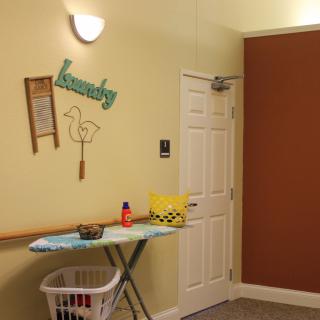
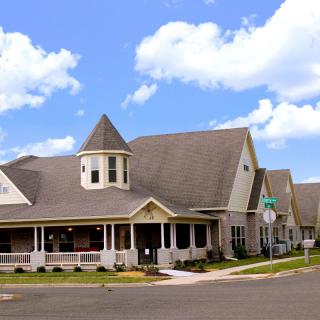
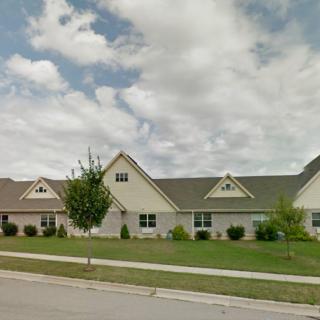
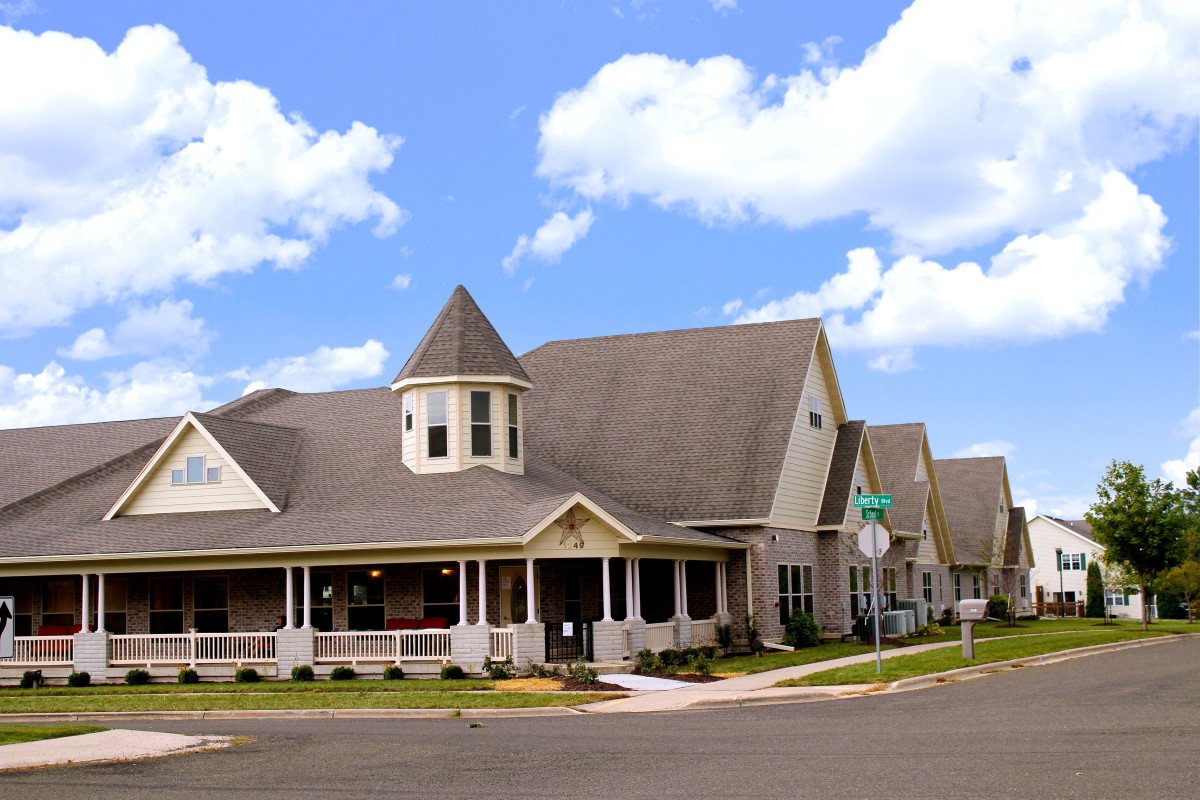
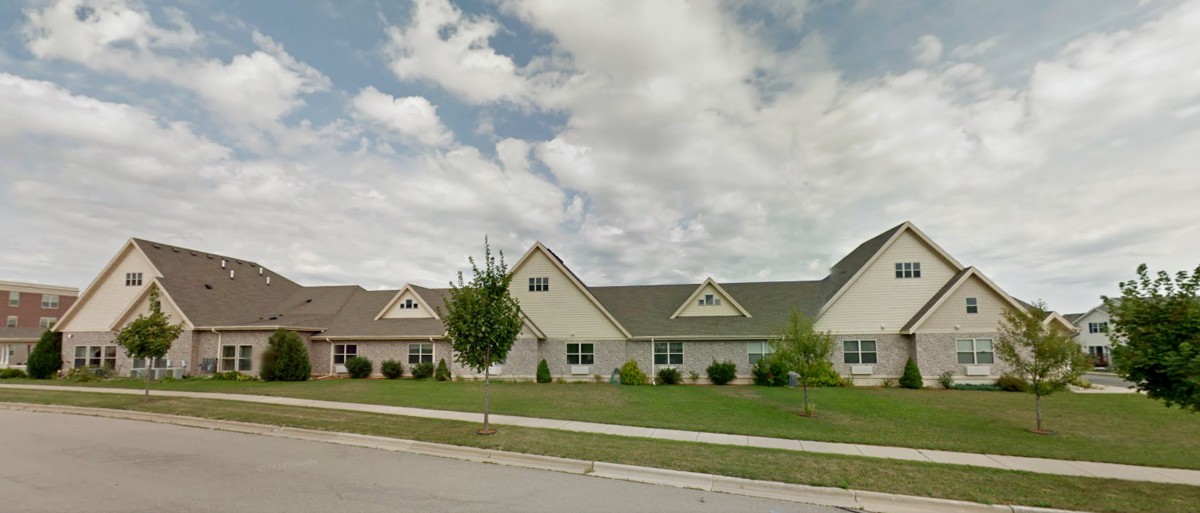
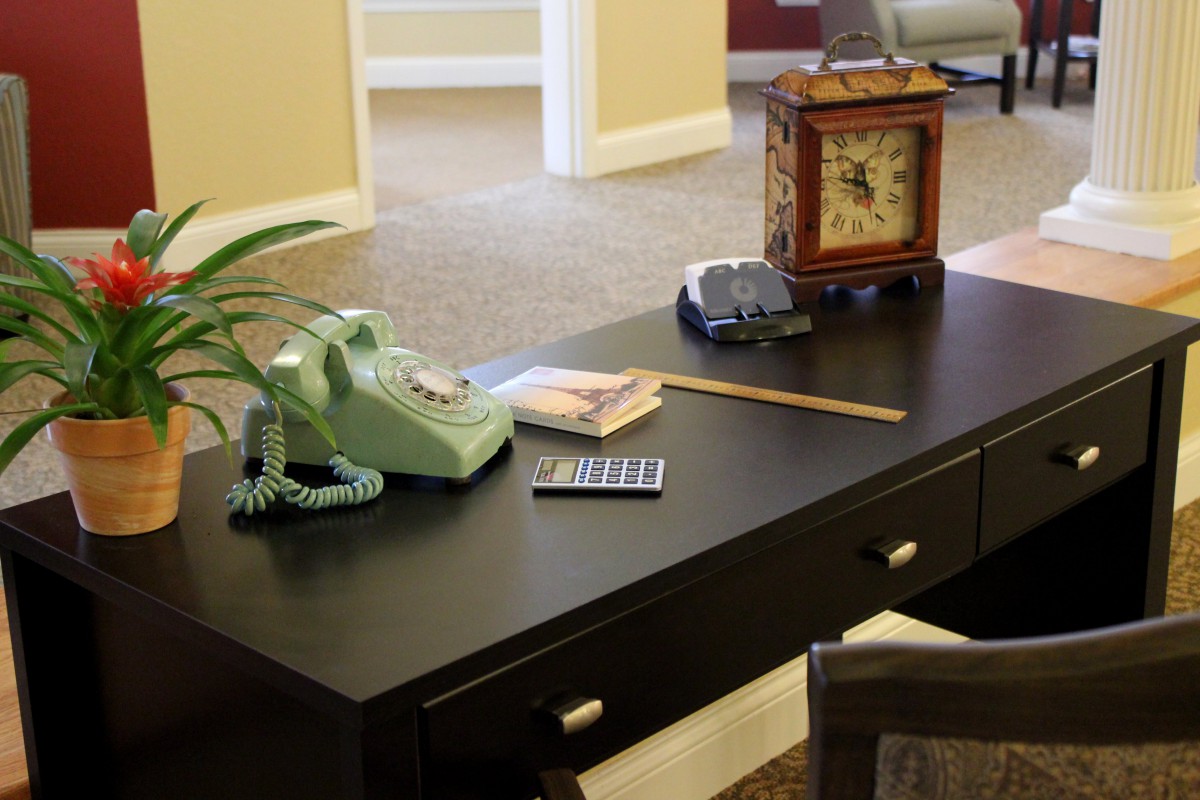
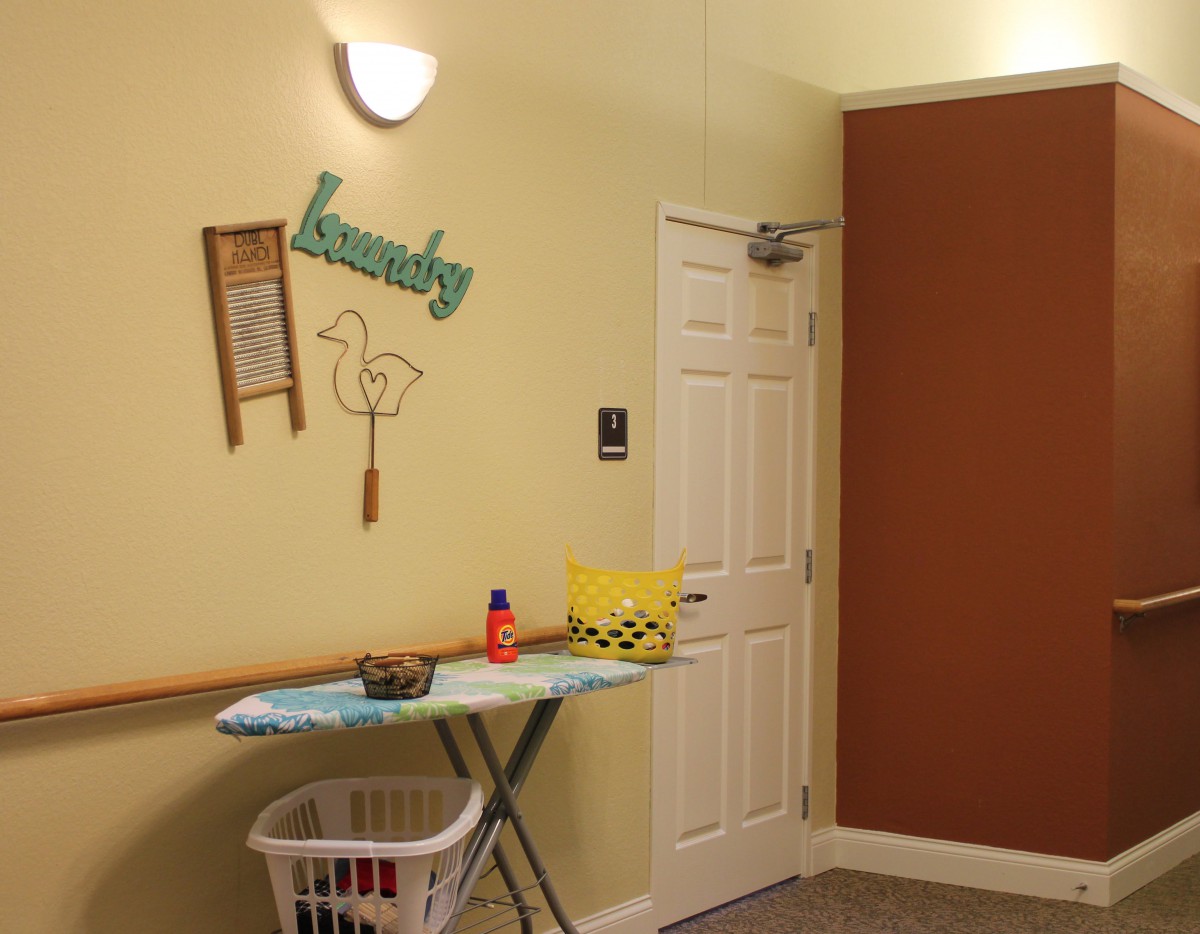
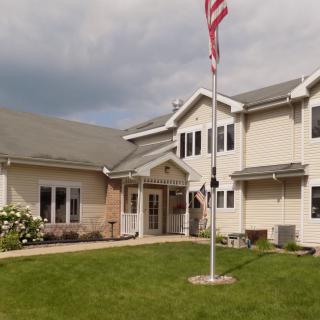
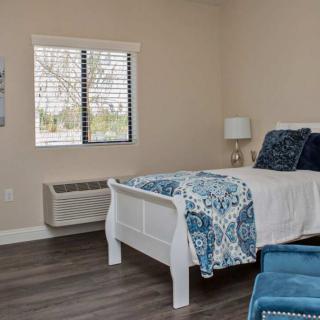
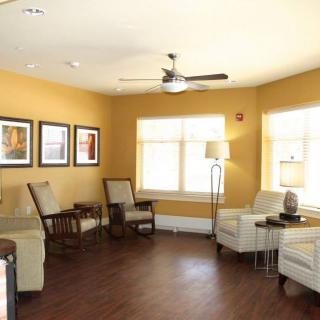
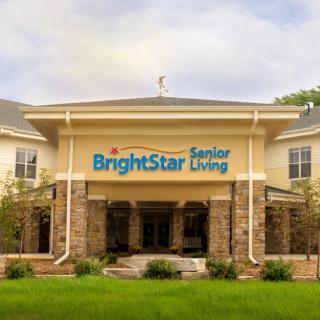
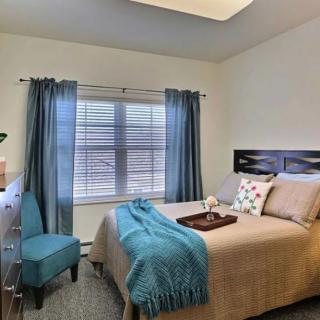
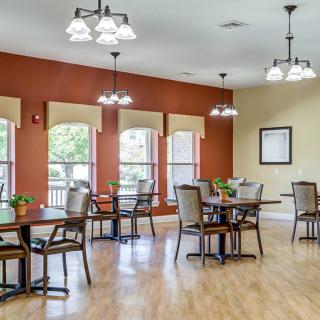
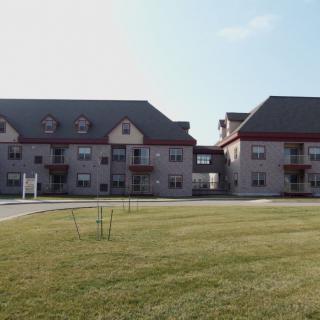
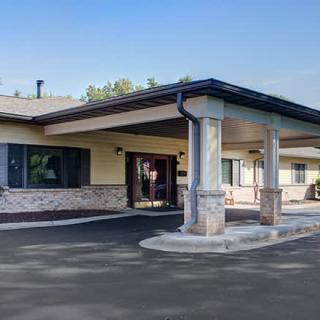
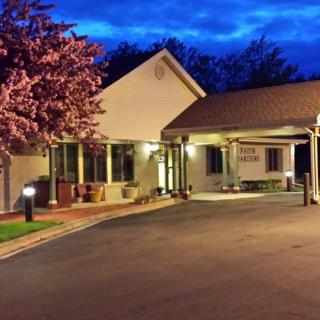
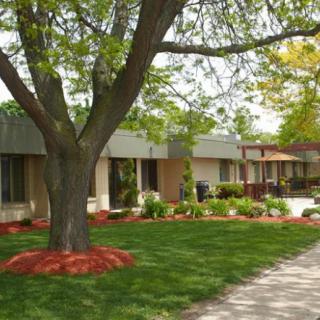
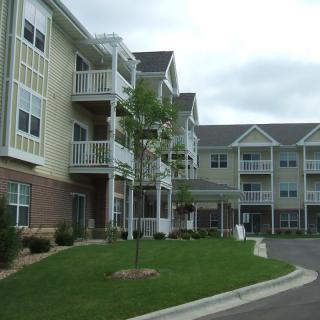
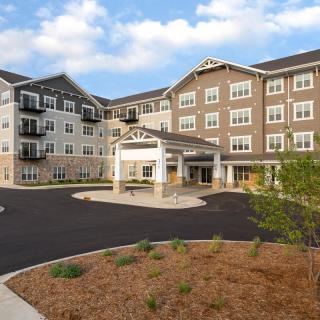
Hyland Crossings on seniors.fyi includes 6 photos including images showing building, architecture, clouds, landscaping, sidewalk, wall art, hallway, vintage, and more.
Nearby Communities
Haack's Tendercare, Inc.
Sun Prairie, WI
3 from 4 reviews
$3,100 / month
Attentive staff delivering personalized care and strong resident support.
As You Wish Home Care
Sun Prairie, WI
5 from 1 review
Responsive, compassionate staff.
Hyland Campus
Sun Prairie, WI
4.6 from 31 reviews
Beautiful, well-kept campus with a seamless transition from independent to assisted living.
Hyland Park of Sun Prairie
Sun Prairie, WI
4.5 from 63 reviews
$3,445 to $4,365 / month
Caring staff with strong family communication and engaging activities.
Brookdale Sun Prairie
Sun Prairie, WI
4.1 from 61 reviews
$8,635 / month
Caring, attentive staff in a small, home-like memory care setting with engaging activities.
Faith Gardens
Sun Prairie, WI
3.3 from 18 reviews
$3,300 / month
Friendly staff, clean environment, and engaging activities.
Crossroads Care Center Of Sun Prairie
Sun Prairie, WI
3.2 from 43 reviews
Caring CNAs and friendly admissions staff; clean, well-maintained facility.
Angell Park
Sun Prairie, WI
2.5 from 4 reviews
$642 to $803 / month
Comprehensive on-site amenities and accessible spaces.
Talamore Sun Prairie
Sun Prairie, WI
4.8 from 126 reviews
$2,660 to $3,655 / month
Clean, well-maintained community with engaging activities and friendly, in-house staff.
Alzheimer’s disease is a progressive neurological disorder that significantly impacts memory and cognitive functions, accounting for 60-80% of dementia cases, with early diagnosis being crucial yet challenging. It involves brain changes like beta-amyloid plaques and tau tangles, influenced by genetic and lifestyle factors, and while there is no cure, symptom management and support for caregivers are essential.
Dementia, influenced by aging and certain medications, may be exacerbated by drug classes such as anticholinergics, benzodiazepines, and antipsychotics, which are associated with cognitive impairment. Regular medication reviews by healthcare professionals are crucial for older adults to manage risks and optimize cognitive health.
Dementia often results in disrupted sleep patterns, leading to excessive daytime sleeping due to factors like brain damage affecting circadian rhythms, medication side effects, and lack of structure in daily activities. Caregivers must monitor these changes closely, as oversleeping can increase risks such as malnutrition or dehydration, and provide necessary support and routines to enhance patient engagement and well-being.
Get PricingAsk A QuestionSchedule A TourContact Senior Advisor
By clicking submit, you agree to our Partner's Terms of Use. You
also consent to receive calls and texts, which may be autodialed, from our Partner. Your consent is not a condition to
using our Partner's service. Please visit our Partner's Privacy Policy for information about their privacy practices.


 24 resident community capacity
 Assisted Living
 Memory Care
 Activities off-site
 Air-conditioning
 Bath tubs
 Beautician on-site
 Cable or satellite TV
 Devotional services on-site
 Dining room
 Fully furnished
 Garden
 Ground floor units
 Handicap accessible
 Housekeeping services
 Indoor common areas
 Kitchenette
 Move-in coordination
 Outdoor common areas
 Respite or short term stays offered
 Restaurant-style dining
 Small library
 Telephone
 Wheelchair accessible showers
 Wi-Fi/high-speed internet available
 Dane County Regional (7 miles away)
 24-hour call system
 Ambulatory care
 Assistance with bathing
 Assistance with dressing
 Assistance with transfers
 Diabetes diet
 Diabetic care
 Incontinence care
 Medication management
 Mental wellness program
 Special dietary restrictions
 Art classes
 Catholic services
 Cooking classes
 Day trips and outings
 Educational speakers / life long learning
 Karaoke
 Live dance or theater performances
 Live musical performances
 Live well programs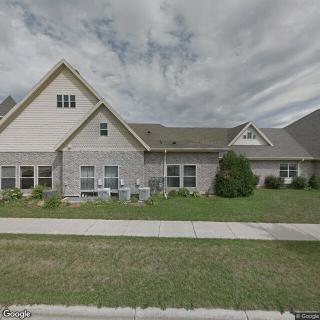
 Attentive staff delivering personalized care and strong resident support.
 Illuminating Insights About Alzheimer's Disease: Ten Crucial Realities
 A Thorough Discussion of Medications Potentially Linked to Dementia Risk
 Why Do Dementia Patients Sleep So Much? Understanding Oversleeping, Stages, and Care Approaches