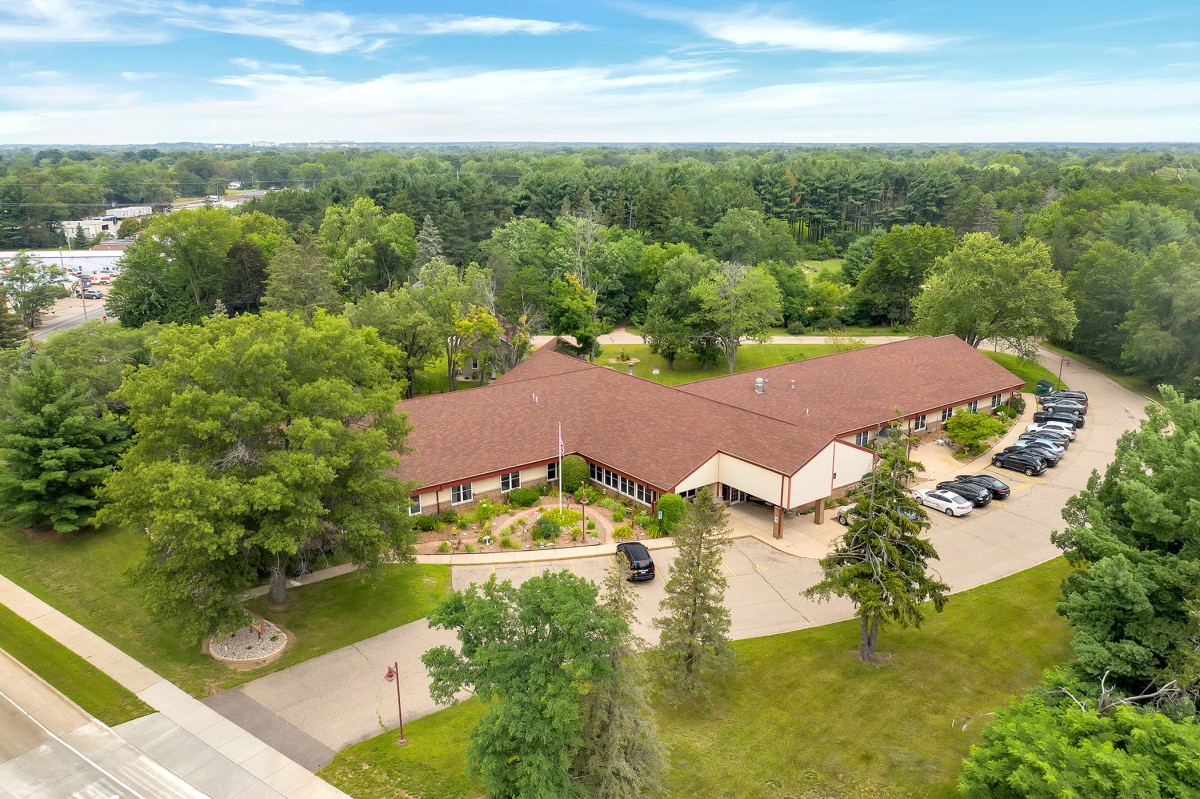
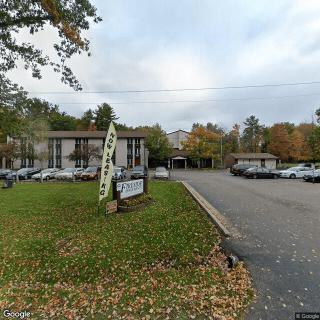
1902 Post Road, Stevens Point, WI 54481
For more information about senior living options: (866) 208-4318
Overall Review of Wellington Place Of Whiting
Pros
 Wellington Place at Whiting is described as an exceptional care facility with a warm, home-like atmosphere.
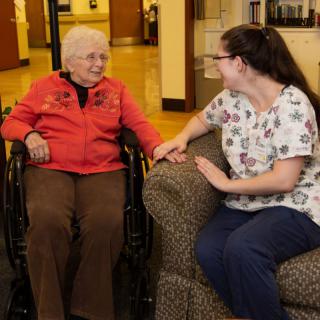
- The staff are portrayed as friendly, caring, and attentive, making residents feel like family.
- Residents praise the home-cooked meals and the high-quality dining experience.
- The facility is noted to be clean, well-maintained, and comfortable, with a smaller, more personal feel.
- Activities and celebrations are highlighted as engaging, frequent, and meaningful for residents.
- The staff’s handling of emergencies and daily care is described as competent, calm, and well-coordinated.
- The care staff are commended for deep, loving care, especially during end-of-life moments, with gratitude for their dedication.
Cons
 They never returned phone calls.
 - The admissions process included delays and a lack of follow-up communication, with no clear answer after assessments.
- The management and staff were described as ranging from barely adequate to horrible.
- There were concerns about under-staffing and frequent staff turnover.
- The shower was not handicap-friendly due to a high edge and insufficient grab bars.
Review
Wellington Place of Whiting in Stevens Point is best suited for families seeking a warm, intimate assisted living experience where residents receive real personalization in a small, single-level setting. This community shines for seniors who want a home-like atmosphere, home-cooked meals, and a social environment that feels like a true extended family. It is particularly well aligned with residents who value consistent, long-tenured staff who know residents by name, celebrate holidays together, and proactively support daily routines, from meals to strolls, without the clinical feel of a larger campus. It is a strong pick for someone who wants safety, accessibility, and meaningful connection woven into everyday living.
Those weighing alternatives should consider options if a larger footprint, broader medical services, or more formal clinical programming is essential. A few reviewers note that inquiries and admissions can require patience, and in one instance there was feedback about missed return calls during the admissions process. If the family needs rapid, gate-to-gate coordination for complex medical needs, or if room availability and immediate pricing clarity are non-negotiable, exploring other facilities may be prudent. Wellington Place excels in care culture and atmosphere, but the admission process and capacity dynamics can steer families toward different models.
The strongest pros are palpable and deeply connected to resident well-being. The staff are described as caring, friendly, and consistently responsive, with many residents and families reporting a highly personal, family-like vibe. Meals receive frequent praise, and the dining experience is integrated with social interaction rather than a sterile, cafeteria-style routine. The environment stays clean, cozy, and well maintained, reinforcing the sense of a home rather than an institution. Importantly, staff turnover is low, which translates into continuity of care and meaningful familiarity for residents who rely on caregivers day after day. When health needs shift, the team’s ability to coordinate activities, meals, and social opportunities helps sustain independence and mood.
That care culture also shows up in tangible, practical strengths. Instances described by families include proficient catheter care management, quick problem-solving around medical devices, and well-handled emergency drills that keep residents calm and informed. The facility’s small footprint and one-level design reduce hazards and support safer mobility, while the layout fosters spontaneous socializing and easy access to common areas, a beauty shop, chapel, library, and outdoor spaces. Residents who need assistive mobility or enjoy gentle outings report positive momentum, such as walking with aides’ encouragement, reinforcing the impression that the community can contribute to improved functioning and dignity in daily life.
Yet some caveats deserve attention. A few reviewers highlighted admissions-related communication gaps, including unanswered calls, which can add stress during already difficult transitions. Accessibility considerations also arose, with one note about a bathroom edge and grab-bar placement that could hinder someone with significant mobility needs. Availability can be limited, and for families requiring immediate placement or a broader range of specialized medical services, this setting may feel constrained compared to larger campuses. These factors don’t negate the overall value, but they do shape expectations for practical planning and timing.
In forming a decision, this community’s core strengths, personalized care, long-tenured staff, warm atmosphere, strong family engagement, and well-organized response to health events, make it a compelling choice for those prioritizing comfort, connection, and daily life that feels like home. The main cautions center on admissions processes, room availability, and certain accessibility nuances; addressing these head-on during tours and pre-admission conversations will clarify fit. Prospective families should test how well the staff respond to specific needs, ask about memory support options, and verify how the community handles transitions to hospice or rehabilitative services if those futures become relevant.
The practical path forward is clear: schedule a tour focused on interaction quality, observe staff-resident rapport during mealtimes and activities, and interrogate the admissions timeline and pricing implications. Seek direct answers from the administrator and care coordinator about room options, what is included in the monthly rate, and how care plans adapt to evolving health needs. Confirm that bathroom accessibility meets current standards and that there is transparent, ongoing communication with families about changes in care or scheduling. If a smaller, homey environment with a strong caregiver culture aligns with what matters most, dignity, belonging, and steady, attentive support, Wellington Place of Whiting is the recommended direction, with a clear caveat to verify availability and admissions responsiveness before committing.
 28 resident community capacity
 Studio apartments
 Assisted Living
 Memory Care
 Skilled Nursing Facility
 Beauty salon
 Cable or satellite TV
 Dining room
 Fully furnished
 Garden
 Housekeeping services
 Kitchenette
 Laundry
 Move-in coordination
 Outdoor space
 Telephone
 Wi-Fi/high-speed internet available
 Central Wisconsin (20 miles away)
 Transportation & parking
 24-hour call system
 Activities of daily living assistance
 Assistance with bathing
 Assistance with dressing
 Assistance with transfers
 Diabetes diet
 Hospice waiver
 Meal preparation and service
 Medication management
 Mental wellness program
 Physical therapy
 Special dietary restrictions
 Transportation arrangement (medical)
 Religious services
 English




 8 Key Indicators That Suggest It May Be Time to Transition from Assisted Living to Skilled Nursing Care
 Nourishing the Mind: Essential Dietary Approaches for Dementia
 Understanding Dementia Behaviors: Practical Insights and Strategies for Caregivers