
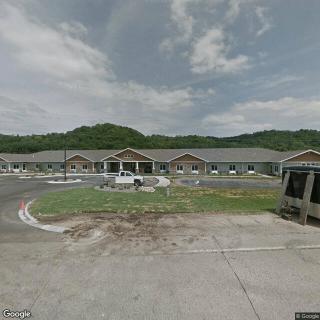
11765 State Highway 71, Sparta, WI 54656
For more information about senior living options: (866) 208-4318
Overall Review of Rbi Care House 5
Pros
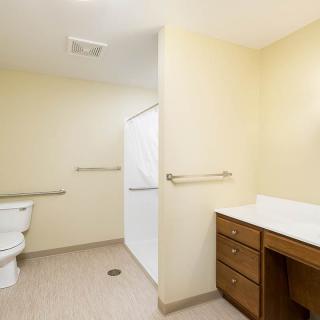
 The facilities are clean and well maintained.
- Grandma seems to be happy.
Cons
 The owner is rude.
Review
This community is best suited for families that prize a clean, well-maintained environment and the impression that residents are content, while accepting that information about care quality and pricing is limited. The reviews emphasize tidy facilities and a resident who appears happy, which can translate into a calmer daily experience for a loved one who values atmosphere and routine over detailed performance metrics. For families facing tight budgets or urgent placement, the visible upkeep may feel like a practical starting point. However, the lack of transparency on care standards means this option should be examined with careful, specific questions about daily support, medical oversight, and long-term viability.
Those who should seriously consider alternatives are families seeking reliable, clearly documented care outcomes and straightforward financial terms. The most salient red flags in the feedback concern ownership and management, with a reviewer labeling the owner as rude. When management behavior is unpredictable or dismissive, it undermines trust and complicates escalation of issues such as care gaps, billing disputes, or scheduling changes. In short, if dependable communication and a respectful working relationship with staff are nonnegotiable, other communities with transparent pricing, steady leadership, and stronger references deserve priority.
The upside centers on cleanliness and ongoing upkeep. A well-maintained physical plant is not incidental; it reduces safety hazards and supports day-to-day comfort. The positive anecdote about a resident appearing happy adds a practical signal that daily routines may be agreeable on a superficial level. Yet these positives do not automatically translate into high-quality care, consistent staffing, or predictable responsiveness. In environments where appearance and mood are the only documented positives, the absence of information on clinical oversight, activity programming, and individualized care plans leaves a substantial gap for families evaluating long-term viability for a loved one who may require increasing assistance.
Significant gaps arise from the lack of documented care quality, pricing clarity, and staffing detail. The reviews acknowledge an incapacity to speak to price or the level of care, which means families must fill in with direct inquiries and verification during visits. Without clear staffing ratios, caregiver training standards, medication management practices, and emergency response protocols, the risk of misalignment between expectations and reality remains real. The single negative note about the owner compounds concern, because leadership style often shapes staffing morale, incident resolution, and adherence to resident-centered care. These unknowns should be treated as non-negotiables in the decision-making process.
Practically, decision-makers should schedule a focused visit that probes care routines, daily activities, meals, and clinical oversight, while demanding transparent pricing and contract terms. Seek to meet current staff, request a written outline of what is included in monthly fees, and ask for recent inspection or licensing records. Inquire about how incidents are handled, what constitutes a care plan, and how family communication is documented and escalated. Consider talking to multiple families or residents in similar programs to gauge consistency of experience. The aim is to verify that the clean environment translates into reliable, compassionate care and a respectful partnership with leadership.
In the end, this community represents a cautious choice: it may satisfy those who equate a tidy, calm setting with safety and resident happiness, but it hinges on concerns about management demeanor and the absence of transparent, verifiable care information. For families unwilling to gamble on undefined care quality or unpredictable administrative interactions, alternatives with clear pricing, established care protocols, and steady leadership should take priority. If a tour reveals strong, transparent answers on staffing, care planning, and accountability, and the atmosphere feels consistently respectful, then this option can be revisited with a more confident, data-driven endorsement.
 4 resident community capacity
 Assisted Living
 Cable or satellite TV
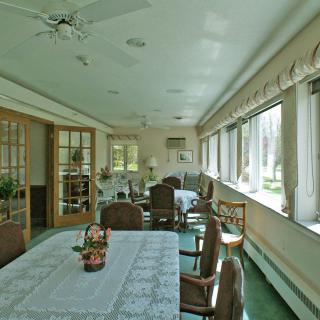
 Dining room
 Fully furnished
 Garden
 Housekeeping services
 Move-in coordination
 Outdoor space
 Telephone
 Wi-Fi/high-speed internet available
 24-hour supervision
 Activities of daily living assistance
 Assistance with bathing
 Assistance with dressing
 Assistance with transfers
 Diabetes diet
 Meal preparation and service
 Medication management
 Special dietary restrictions
 Transportation arrangement (medical)
 Transportation to doctors appointments

 When to Transition from Assisted Living to Memory Care: Key Indicators, Steps, and Finding the Right Community
 Assisted Living and Memory Care: Understanding Their Core Differences
 Beyond the Bingo Hall: 50+ Enriching Activities for Seniors in Assisted Living