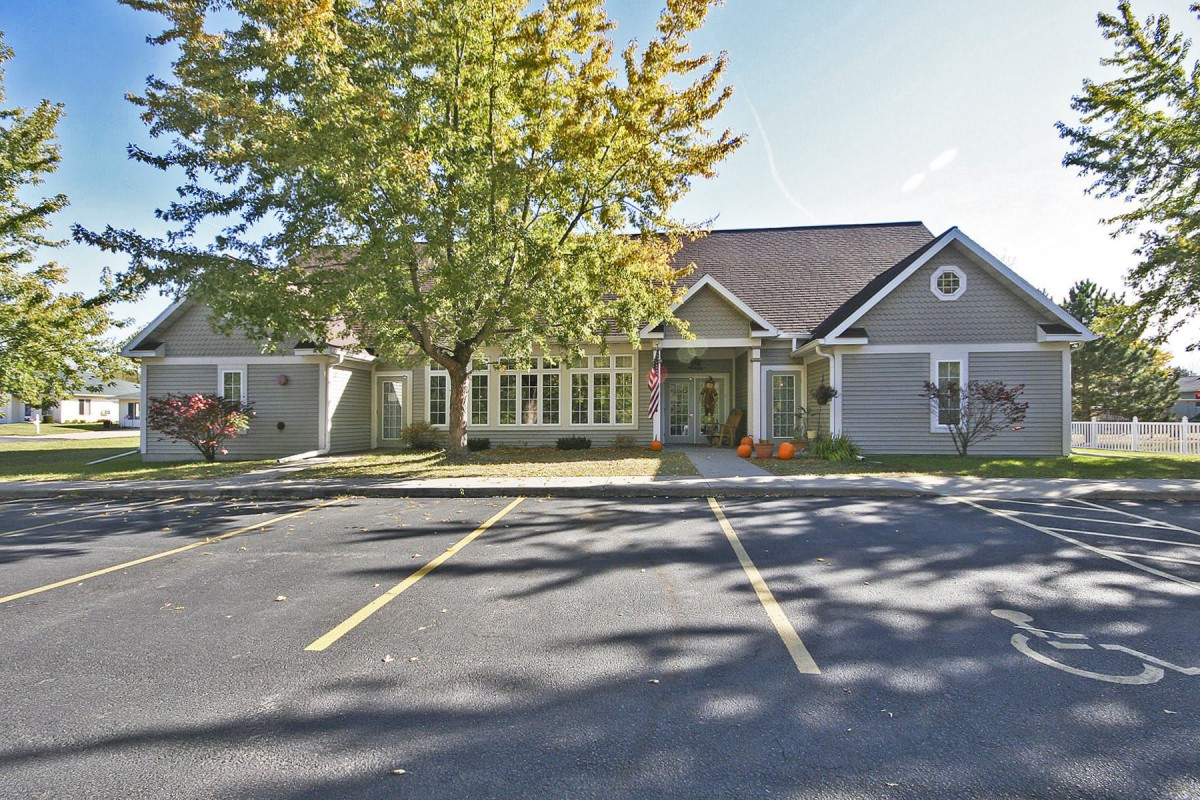
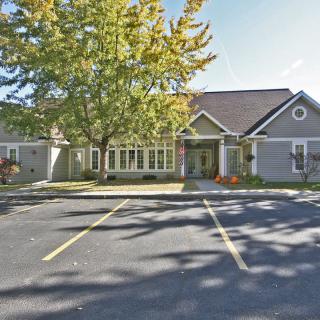

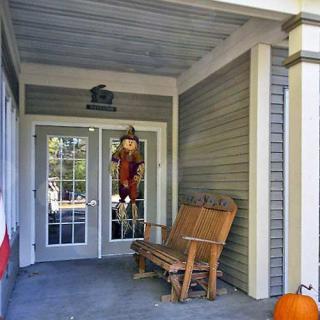
355 Mack Drive, Reedsburg, WI 53959
For more information about senior living options: (866) 208-4318
Our House Senior Living - Reedsburg Assisted Care Costs & Pricing
Our House Senior Living - Reedsburg Assisted Care offers a competitive monthly rate of $3,400 for a one-bedroom unit, positioning itself slightly above the average cost in Sauk County, which is $2,620. In comparison to the broader state average for Wisconsin at $3,412, this pricing indicates that while Our House provides quality care and amenities tailored to senior living needs, it still remains within a reasonable range for the region. This balance ensures residents receive value for their investment in comfort and support in their golden years.
| Floor plans | Our House Senior Living - Reedsburg Assisted Care | Sauk County | Wisconsin |
|---|---|---|---|
| 1 Bedroom | $3,400 | $2,620 | $3,412 |
Assisted Living communities with a similar price nearby
-
About the same

Our House Senior Living - Baraboo Assisted Care
$3,450 / month13.9 miles away -
About the same

Our House Senior Living - Wisconsin Dells Memory Care
$3,450 / month14.3 miles away -
from -$525 / mo
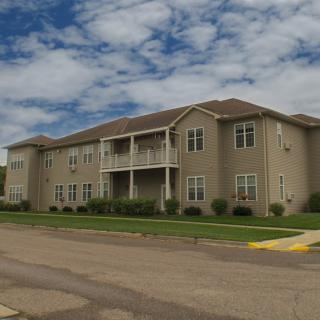
Our House Senior Living Assisted Care and Memory Care - Richland Center
$2,875 to $3,475 / month24.0 miles away -
from -$300 / mo

Artisan Senior Living Baraboo
$3,100 to $4,500 / month13.6 miles away -
from -$200 / mo

Our House Senior Living Assisted Care - Wisconsin Dells
$3,200 / month14.4 miles away
Overall Review of Our House Senior Living - Reedsburg Assisted Care
Pros
 It didn't take long for her to call this home.
- She loves having her own room where she can have her own furniture and decorations.
- The rooms are large, and each one has its own half bathroom.
- The staff has always been very friendly, helpful and has taken excellent care of her.
- If you are looking for assisted living for a loved one, they highly encourage you to consider Our House in Reedsburg.
- She’s happy there, it’s going great, and she has three meals a day.
- The staff is very good.
- The community is clean and offers a lot for the residents.
Cons
 The rooms were tiny.
- The experience there was horrible.
- She was not cared for as she should have been.
- They didn't clean her room regularly.
- The food was awful.
- They were understaffed and appeared not to be trained.
- They didn't bring her medications when they should have.
- There were no organized activities, so she stayed in her room 24 hours a day.
- The facility is more expensive.
Review
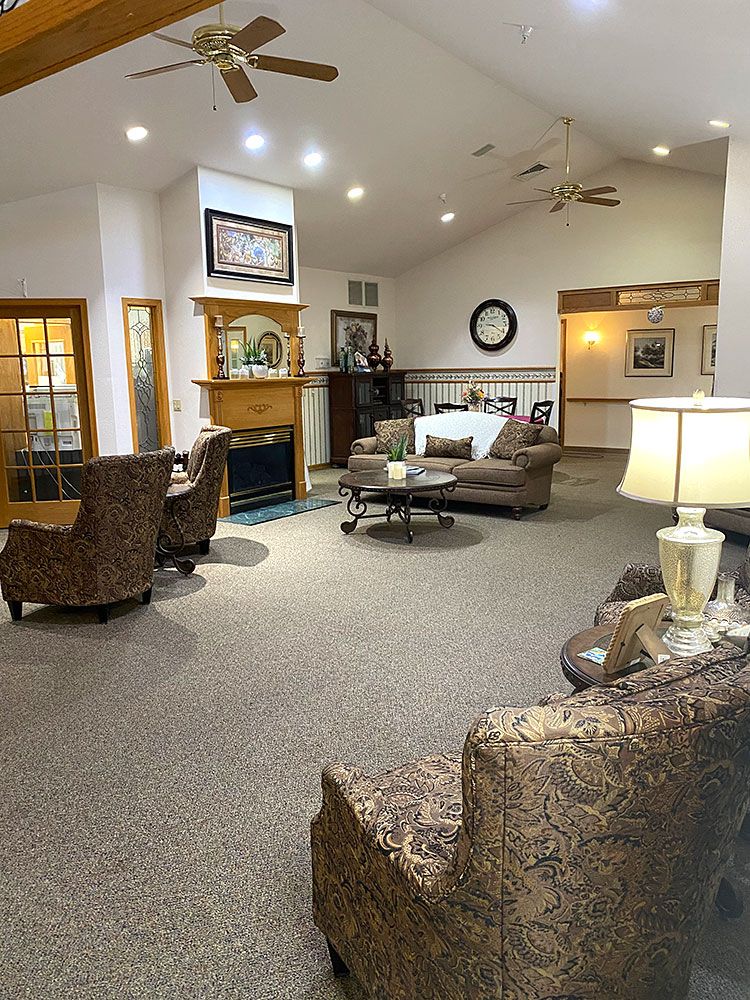
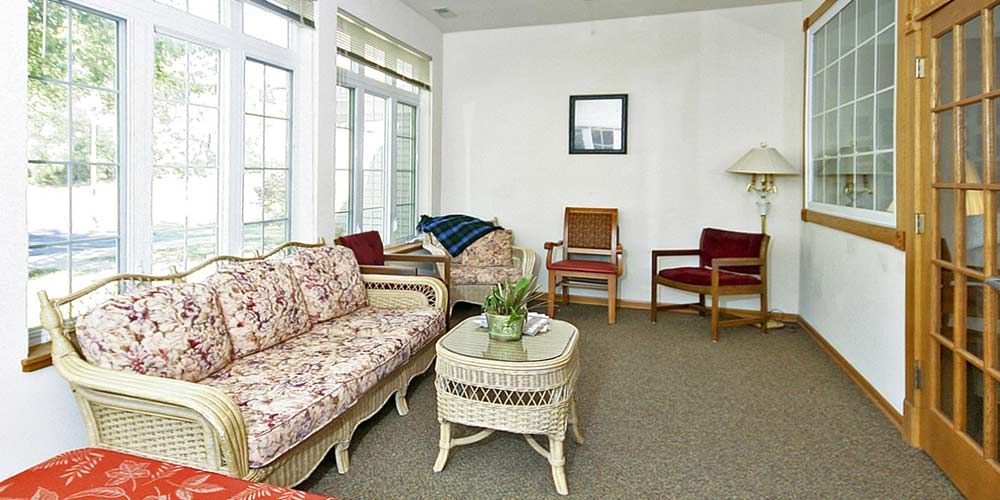
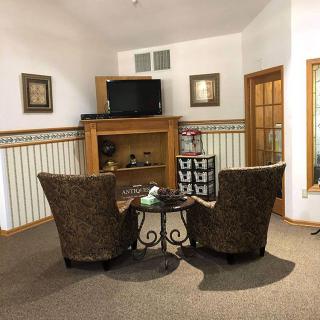
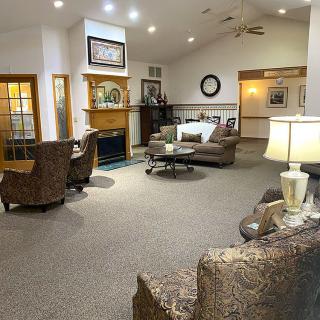
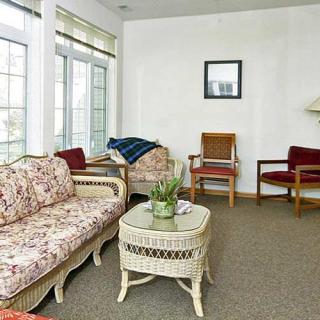
This community is best suited for families seeking a warm, home-like assisted living option in a small-town setting where residents can truly personalize their living space and stay connected to family nearby. Several reviews highlight a strong sense of home: long-term residents who settle in quickly, rooms large enough for personal furniture and decorations, and the comfort of having a private half-bath. The sunroom and the idea that a resident can remain in a familiar, personal environment matter here. Proximity to relatives is a practical plus, with at least one reviewer noting the facility is a mile from a family home, making visits easier and more frequent. The central message is clear: when consistency in care is paired with a homelike atmosphere, this place shines for those prioritizing comfort and ongoing rapport with staff.
That said, concerns about alternatives are real for families with different priorities. Several reviews point to smaller rooms (and in at least one case, a shower located outside the room), which can feel restrictive for someone moving from a larger, private apartment. More troubling are reports of understaffing, missed medications, and lapses in housekeeping and meal quality. While one family praised the food as part of a home-cooked experience, others describe meals that feel rushed or reheated. Activities can also be uneven, with one reviewer noting a lack of organized engagement. For families where space, a predictable schedule of meaningful daily activities, or rigorous medication management are paramount, alternatives with larger rooms, steadier staffing, or more robust programming may be worth exploring.
On the upside, the strongest pros center on staff demeanor and overall organization. Across several accounts, staff are described as friendly, helpful, and attentive, with care that meets basic daily needs and supports medication distribution. The facility’s cleanliness and the ability to create a comfortable, navigable routine for residents come through consistently. Where the numbers matter most, reliability, respect, and the ability to personalize a space, these positive impressions carry substantial weight. A competitive rate and a sense of order in daily operations further reinforce the impression that this community can deliver dependable, person-centered care when conditions align and staffing levels cooperate.
The main cons do not exist in a vacuum; their impact hinges on how well the daily operation is managed. The risk of small rooms and a less robust meal program can be mitigated by opting for a larger room where possible, and by verifying meal plans and flexibility with kitchen staff before move-in. The staffing concerns require proactive verification: ask to meet the caregiving team, review shift coverage, and request a clear plan for medication administration and regular housekeeping. In practice, the strongest care outcomes arise when a family explicitly confirms that their loved one’s routine can be tailored, that med passes are timely, and that a consistent activities schedule is in place. Without those assurances, the cons can undermine otherwise solid positives.
Practical steps turn these observations into action. Schedule a tour and request to see both a larger and a smaller room to compare living space directly. Ask about daily activity calendars, transportation options, and meal planning to gauge consistency and quality. Clarify how medications are managed, how often rooms are cleaned, and what staffing ratios look like across shifts. Given proximity to home matters, verify access to care teams and scheduling around family visits. During discussions, press for concrete examples of problem resolution and ask for references from current families who have navigated long-term care decisions here. These checks turn a good impression into a reliable, informed choice.
In the end, this community offers a solid, practical choice for families prioritizing a home-like environment, personal rooms, and nearby family access, backed by friendly, attentive staff and an organized operation. It is less well-suited for those requiring expansive living spaces, highly consistent high-calorie meals, or guaranteed, highly structured programming without variability. If space, near-daily engagement, and rock-solid medication management are non-negotiables, exploring comparable options with larger rooms and more uniform programming is prudent. For families who can leverage proximity, personalized rooms, and dependable day-to-day care, this community can serve as a capable, comforting home.
 16 resident community capacity
 1-bedroom apartments
 Assisted Living
 Board and Care Home
 Cats allowed
 Dogs allowed
 Activities off-site
 Bath tubs
 Beautician on-site
 Cable or satellite TV
 Devotional services off-site
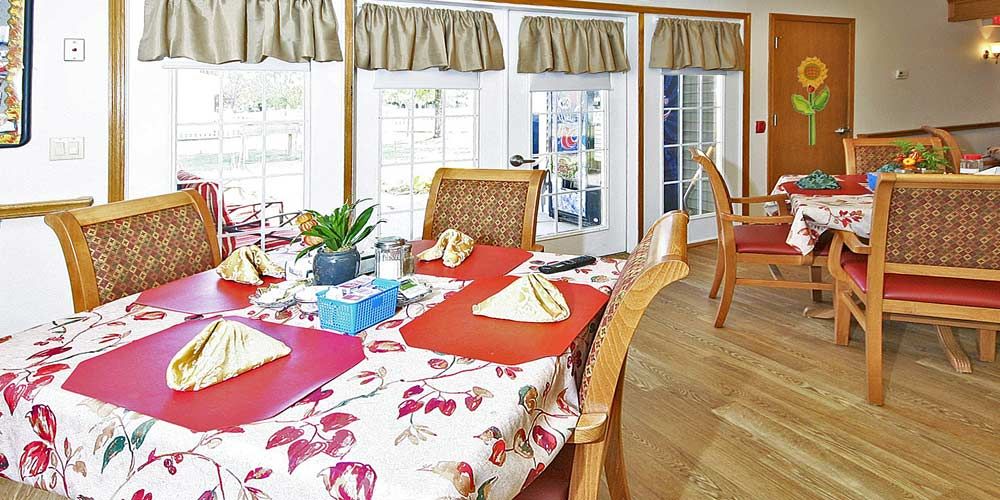
 Dining room
 Fully furnished
 Garden
 Housekeeping services
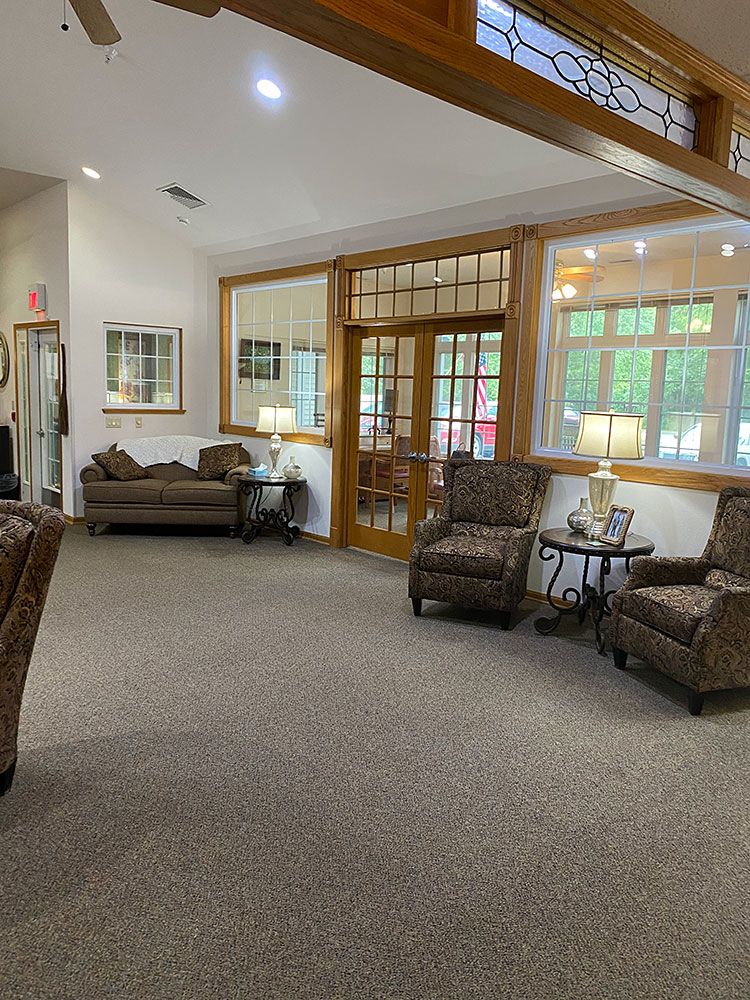
 Indoor common areas
 Move-in coordination
 Outdoor common areas
 Respite or short term stays offered
 Telephone
 Wheelchair accessible showers
 Wi-Fi/high-speed internet available
 24-hour supervision
 Ambulatory care
 Assistance with bathing
 Assistance with dressing
 Assistance with transfers
 Dementia waiver
 Diabetes diet
 Diabetic care
 Hospice waiver
 Incontinence care
 Meal preparation and service
 Medication management
 Special dietary restrictions
 Transportation arrangement (medical)
 Transportation to doctors appointments
 BBQs or picnics
 Birthday parties
 Happy hour
 Live dance or theater performances
 Live musical performances


 Social Security Benefits and Assisted Living: Navigating Options Across the U.S.
 An Extensive Exploration of the VA Aid and Attendance Benefit
 Senior Transition Services: Understanding Their Role, Cost, and Importance