
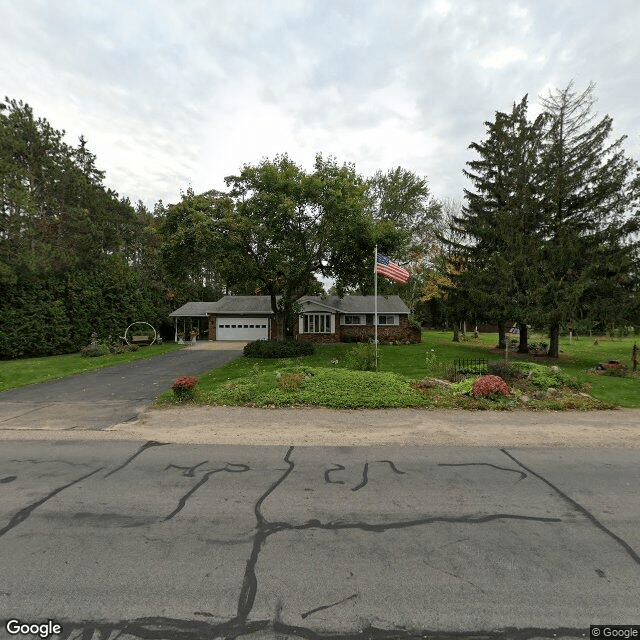
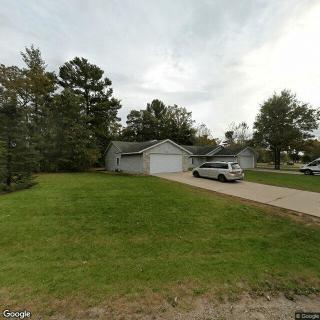
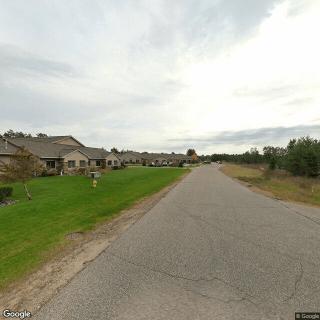
2831 Maple Dr, Plover, WI 54467
To contact a resident: (715) 341-0909
For more information about senior living options: (866) 208-4318
Our House Assisted Living Costs & Pricing
Our House Assisted Living offers a competitive pricing structure for its one-bedroom accommodations, with a monthly cost of $3,350. This rate is slightly higher than the average in Portage County, which stands at $3,040, yet remains quite close to the statewide average of $3,412 in Wisconsin. The pricing reflects the quality of care and living environment that Our House provides, ensuring residents receive personalized attention and support tailored to their needs. While costs vary by location, Our House maintains a reputation for delivering value through both amenities and exceptional service in assisted living.
| Floor plans | Our House Assisted Living | Portage County | Wisconsin |
|---|---|---|---|
| 1 Bedroom | $3,350 | $3,040 | $3,412 |
Assisted Living communities with a similar price nearby
-
About the same
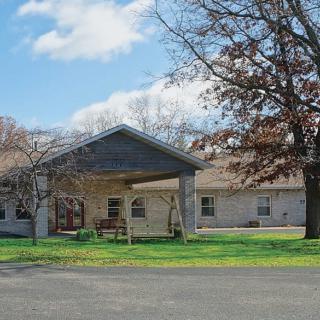
Our House Senior Living - Wisconsin Rapids Assisted Care
$3,300 / month13.9 miles away -
from -$165 / mo

River View Lodge Assisted Living
$3,185 to $3,825 / month3.5 miles away -
About the same
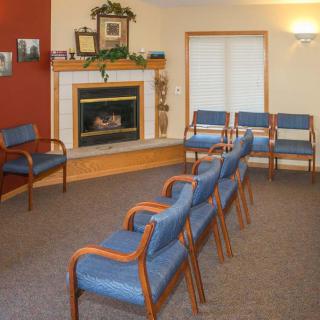
Cranberry Court Assisted Living
$3,400 / month14.0 miles away -
from -$430 / mo

Wellington Place Biron
$2,920 to $3,900 / month12.7 miles away -
from +$573 / mo
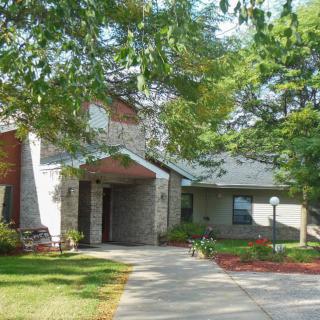
Sylvan Crossings of Stevens Point
$3,923 / month5.9 miles away
Overall Review of Our House Assisted Living
Pros
 The staff, from managers to caregivers, are compassionate.
- Caregivers treat residents as if they were family members.
- The owners are local and often on-site.
- Many staff members, including managers, have worked at the facility for several years.
- Visitors feel like part of a large family when at the facility.
- The facility has a well-earned reputation for memory care.
Cons
 Her care is horrific.
- She is left sitting in the dark alone, not fed and filthy.
- Her adult diapers have not been changed for days.
- When confronted, the staff respond with hostility, excuses, and blame shifting.
- This situation is infuriating for families.
- The management is god-awful, with managers avoiding workers and family members at all costs.
- The memory care unit smells of urine and needs to be shampooed.
- Staff take care of those in need, yet they talk behind families’ backs.
- This place should be avoided by anyone who loves their family member.
Review
Our House Assisted Living in Plover, WI is best suited for families who want a locally owned, homey feel and who can actively supervise care, especially for memory-impaired relatives. When staffing is stable and caregivers are genuinely engaged, residents often receive attentive, person-centered interaction that can feel like a close-knit, family atmosphere. The setting can work well for families who are willing to stay involved, shadow the routine, and press for accountability, with the understanding that daily care quality can hinge on the mood and consistency of the on-site team.
Those who may want to consider alternatives are families prioritizing rock-solid consistency, transparent management, and rigorous hygiene standards. If daily safety and cleanliness are non-negotiable, or if resistance to confrontation with leadership is a concern, this facility may not be the best match. Prospective residents who require highly predictable routines, minimal family involvement, or a facility with a demonstrably high level of housekeeping and oversight should compare options elsewhere before deciding.
On the positive side, several reviews highlight caregivers who are compassionate and who treat residents like family when the staff is operating at full strength. The facility reportedly maintains a strong memory-care reputation, and long-tenured managers and caregivers can translate into meaningful relationships and meaningful continuity of care in the best shifts. Those advantages can meaningfully offset frustrations when the environment remains cohesive and leadership is accessible and responsive. In the right circumstances, families may experience meaningful engagement, personal connections, and a sense of belonging that makes a difficult transition tolerable.
However, the substantial cons cannot be ignored. There are repeated, serious concerns about care lapses that damage trust and safety: reports of residents left in the dark or unfed, with inadequate assistance and infrequent changes of personal hygiene products. Odor issues in the memory care section point to housekeeping gaps, and confrontations with staff when concerns are raised emphasize a fragile, manager-centric culture rather than a consistently proactive one. Allegations of staff talking behind families’ backs and general hostility toward family members suggest a hostile communication climate that further undermines confidence in daily operations. Taken together, these factors raise legitimate red flags about whether routine, necessary care can be relied upon under pressure.
For families weighing the decision, the practical path is to insist on rigorous, concrete assurances before committing. Schedule multiple visits at different times, request to see current care plans and incident logs, and question how staffing levels align with resident acuity, especially in memory care. Probe how housekeeping is managed, what the daily hygiene schedule looks like, and how management handles complaints when families report issues. Seek out current resident-family references and ask specific questions: Are changes in condition monitored promptly? Do staff respond with consistency across shifts? Is there evidence of prompt corrective action when problems arise? If the facility cannot provide clear answers and demonstrable improvements, it is prudent to look elsewhere.
In the end, this community presents a conditional recommendation. It can be a fit for families who can actively partner with a engaged, locally rooted operation, who value a memory-care focus, and who can tolerate the risk of inconsistent care quality tied to staffing and management dynamics. For those who require rigorous daily reliability, pristine cleanliness, and unambiguous leadership accountability, alternatives with stronger track records in supervision and hygiene should be pursued. The onus is on families to demand clarity up front, to observe operations closely, and to choose with a clear expectation that advocacy will be ongoing.
 Assisted Living
 Activities on-site
 Devotional services off-site
 Indoor common areas
 Central Wisconsin (23 miles away)
 Ambulatory care
 Diabetic care
 Meals provided


 Comprehensive Insights into Activities of Daily Living (ADLs) and Their Assessment
 Medicare Coverage for Assisted Living: An In-Depth Exploration
 Choosing the Right Senior Care: A Detailed Exploration of Assisted Living and Nursing Homes