
220 230 South Westfield Street, Oshkosh, WI 54902
For more information about senior living options: (866) 208-4318
Overall Review of Westfield
Pros
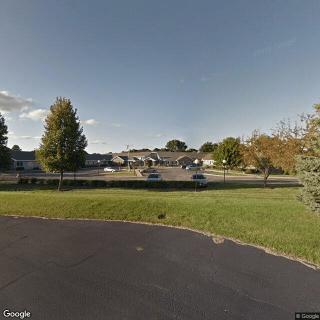
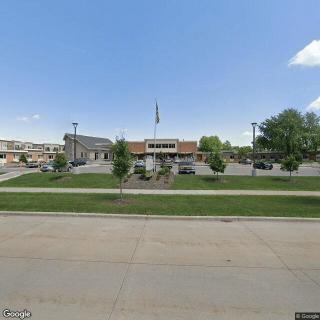
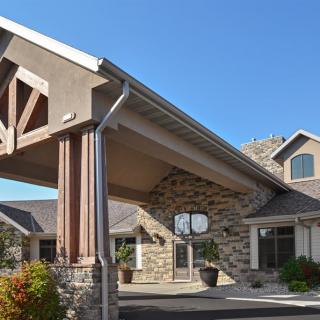
 The Carmel Residence is described as a lovely, well-maintained senior community both inside and out.
- The reviews indicate the facility would have been a happy place to live.
- The residence offers terrific accommodations for hearing aid users and cochlear implant users, with hearing loops and clear signage.
- The facility is very clean, the food is excellent, and it has underground parking, making it great for independent living.
- The community is described as nice and well-maintained.
Cons
 The reviewer expressed disappointment that a room could not be rented to them because they are only 45.
Review
Westfield in Oshkosh, Wisconsin is best suited for independent seniors who want a clean, well‑kept, maintenance‑forward lifestyle with dependable dining, strong on‑site amenities, and the reassurance that comes with underground parking and solid upkeep. The community tends to attract residents who prize a polished environment and predictable routines, where leasing terms and a straightforward, low‑friction experience matter as much as location. For families weighing options, Westfield offers a high‑quality baseline of living that reduces the daily concerns of upkeep and logistics, even if a move-in window isn’t instantaneous.
Those who should consider alternatives include younger seniors who may not yet meet a typical 55+ threshold suggested by the housing model, or anyone seeking assisted living or memory care services in the near term. The weight of a waiting list is a practical reality here, as one reviewer noted being on a waiting list before receiving a call elsewhere, underscoring that a fast‑track move is not guaranteed. For families needing immediate placement, or for residents who anticipate needing higher levels of care soon, other options with more immediate access to supportive services may be a wiser choice.
The strongest pros center on environmental quality and predictable daily life. Reviewers consistently highlight Westfield as a lovely, well‑maintained community both inside and out, with cleanliness and a refined presentation that signals reliability. Food receives praise, contributing to a comfortable, home‑like atmosphere, and the underground parking adds real convenience for residents who drive. For independent living, these elements translate into fewer headaches around upkeep, scheduling, and weather‑related burdens, which in turn supports a calmer, more social daily routine.
The primary drawbacks revolve around access and applicability rather than service gaps. The most notable constraint is eligibility and availability: prospective residents may face a waiting period and may discover the community’s environment is optimized for those who can manage independently for the foreseeable future. There is also the indirect signal that Westfield may not be the destination for those who require immediate care or who do not meet the age or independence criteria. These factors can push families to benchmark against options that offer more flexibility or a broader spectrum of care settings.
In weighing the pros against the cons, the value proposition becomes clear. For families prioritizing a solid, well‑executed independent living option with dependable maintenance, appealing dining, and practical conveniences, Westfield delivers with minimal drama. The waiting list is a reality that often accompanies quality, and while it delays access, it also indicates demand for a high standard of living. The absence of explicit, publicly shared details about higher‑care services suggests that this community’s strength lies in supported independence rather than rapid escalation to assisted living; for many households this alignment is exactly right, reducing stress and maintaining autonomy until a move becomes appropriate.
The practical verdict is decisive: Westfield is a strong match for proposals that center on independent living in a tidy, secure setting with reliable amenities, provided that time can be accommodated for a possible wait and that eligibility aligns with the resident’s current needs. Families should approach with a plan, verify age eligibility expectations, inquire about current wait times, and probe what is included in the monthly cost to understand how long the quality of life can be sustained before any escalation to medical or personal care becomes necessary. If immediate access to higher levels of care, or a more flexible age policy, is non‑negotiable, alternatives such as Carmel Residence (Miravida Living) or other nearby communities merit careful comparison. In the right circumstances, Westfield stands out as a prudent, well‑executed choice for those prioritizing independence, comfort, and a thoughtfully run residence in Oshkosh.
 4 resident community capacity
 Assisted Living
 Board and Care Home
 Memory Care
 Cable or satellite TV
 Dining room
 Fully furnished
 Garden
 Housekeeping services
 Move-in coordination
 Outdoor space
 Telephone
 Wi-Fi/high-speed internet available
 Outagamie County Regional (17 miles away)
 24-hour supervision
 Activities of daily living assistance
 Assistance with bathing
 Assistance with dressing
 Assistance with transfers
 Diabetes diet
 Hospice waiver
 Meal preparation and service
 Medication management
 Mental wellness program
 Special dietary restrictions
 Transportation arrangement (medical)
 Transportation to doctors appointments

 Nourishing the Mind: Essential Dietary Approaches for Dementia
 Understanding Dementia Behaviors: Practical Insights and Strategies for Caregivers
 When Dementia Sparks Anger and Aggression: Understanding the Connection and Ways to Cope