
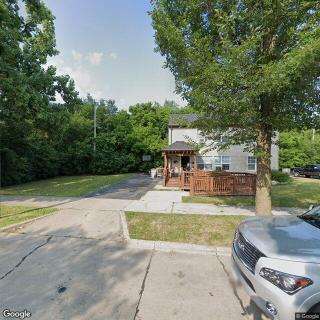
5014 North 19Th Place, Milwaukee, WI 53209
For more information about senior living options: (866) 208-4318
Overall Review of Victory Resources
Pros
 The organization is very decent, helping the public and helping people grow their own food.
- It is a terrific place.
- Dr. Jones and the volunteers support an amazing facility and set an inspiring example for addressing urban food deserts.
- Gardening is seen as rewarding, spreading blessings everywhere.
- They provide raised beds and offer several classes; the place is great.
- The art is loved, and the atmosphere and work with kids are greatly needed in the heart of the community.
- They are a very kind and friendly community resource.
- The nutrition classes there are informative and helpful.
- It is an awesome urban agriculture nonprofit featuring a 1.5-acre urban farm, youth education programs, a CSA, and a large area for picking fruits and vegetables for free.
- They are a non-profit supporting urban farming.
- They are amazing, genuine leaders for the food movement, inspiring others to engage in the Food Leader Program.
Review
Victory Resources is best suited for seniors who want active, purpose-driven engagement in Milwaukee’s urban fabric, especially those who value hands-on gardening, community education, and intergenerational programs over traditional residential care. This isn’t a place to live with daily caregiving or medical oversight; it’s a daytime hub that turns an urban garden into a community lifeline. For seniors who can reliably participate in daytime activities, live nearby, and want meaningful volunteer opportunities, the campus offers a robust avenue to stay connected, active, and invested in something larger than personal routines.
Those seeking formal senior housing or 24/7 care should consider alternatives. Victory Resources does not provide on-site medical staff, memory care, or assisted living amenities, and there is no residential option described in the available materials. Families prioritizing housing with meals, medication management, or around-the-clock supervision will find better alignment with conventional assisted living communities or adult day centers that pair housing with structured caregiving. For seniors needing regular transportation support or enhanced accessibility, it’s wise to verify transportation arrangements and accessibility specifics before committing to participation.
What stands out are the tangible, mission-driven advantages. The core asset is a dynamic, welcoming community that treats urban farming as a catalyst for growth and connection. The 1.5-acre urban farm supports hands-on gardening, raised beds, and opportunities to pick fresh produce, even free, creating practical benefits for participants’ nutrition and daily activity. Educational offerings, nutrition classes, gardening workshops, and youth programming, foster ongoing learning and skill-building, while volunteer leadership and community momentum provide motivation and a sense of purpose. The appeal is amplified by a vibrant atmosphere and an artful environment that reinforces a positive, inclusive mood for visitors of all ages.
There are clear limitations to balance against the strengths. The model relies on voluntary participation and daytime programming rather than caregiving or housing, so it cannot substitute for the daily rhythms of life that some seniors require. Transportation and weather can influence attendance and consistency, particularly for those with mobility or energy constraints. A small portion of the rating spectrum suggests that expectations about scope, frequency, or reliability may vary, and some visitors may seek more extensive offerings than a community garden and education hub can deliver. In short, this is not a one-stop solution for all senior living needs.
The key question for families is whether the pros truly offset the cons in light of the senior’s goals. For purpose-driven elders who want to contribute, learn, and stay physically and socially active, the benefits offer meaningful payoff: reduced isolation, structured activity, and practical health gains from regular outdoors engagement and access to fresh produce. The intergenerational dimension, working with youth and volunteers, can enrich cognitive and emotional well-being in ways that traditional solitary aging can miss. When paired with external caregiving supports or adult day services, Victory Resources becomes a powerful enrichment layer rather than a stand-alone care plan.
The practical recommendation is clear. Prioritize Victory Resources for seniors who crave community immersion, gardening-based activity, and affordable access to fresh produce, provided they can manage daytime participation and transport. Use it as an enrichment resource, not as a residential or full-care solution. For those requiring housing, round-the-clock supervision, or medical oversight, pursue traditional senior living options first, while keeping Victory Resources on the radar as a value-adding supplement that can enhance daily life, expand social networks, and deepen connections to Milwaukee’s urban farming movement. A visit, a class, or a volunteer session will reveal whether the mission aligns with the senior’s personal goals and daily living needs.
 4 resident community capacity
 Assisted Living
 Cable or satellite TV
 Dining room
 Fully furnished
 Garden
 Housekeeping services
 Move-in coordination
 Outdoor space
 Telephone
 Wi-Fi/high-speed internet available
 General Mitchell International (11 miles away)
 24-hour supervision
 Activities of daily living assistance
 Assistance with bathing
 Assistance with dressing
 Assistance with transfers
 Diabetes diet
 Meal preparation and service
 Medication management
 Special dietary restrictions
 Transportation arrangement (medical)
 Transportation to doctors appointments


 Comprehensive Insights into Activities of Daily Living (ADLs) and Their Assessment
 Medicare Coverage for Assisted Living: An In-Depth Exploration
 Your Comprehensive Guide to Luxury Assisted Living: Elevated Facilities, Amenities, and Costs