
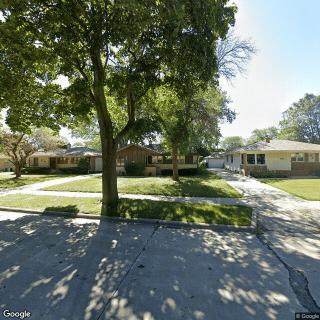
4601 North 45 Th Street, Milwaukee, WI 53218
For more information about senior living options: (866) 208-4318
Overall Review of Soul Nurturing Care Center
Pros
 The reviewer sees potential for fair compensation and proper overtime payment.
 - The reviewer notes opportunities to create a more adequately staffed and trained team.
- The reviewer is optimistic that leadership will listen to feedback and implement positive changes.
- The reviewer believes constructive input can spur meaningful improvements for employees.
Cons
 The owner underpays and does not compensate for overtime worked.
- The staff is understaffed and undertrained.
Review
Soul Nurturing Care Center in Milwaukee, WI shows a profile that fits a narrow slice of seniors: those who need light to moderate assistance and who can tolerate variability in daily care because family members or external aides will fill gaps. The community carries a modest public score, a 3.5 out of 5 from two reviews, including one 5-star rating and one 2-star rating, which signals a meaningful inconsistency in resident experience. This is not a facility built for residents who require steady, high-acuity support or highly reliable staffing; it is better evaluated by families who can actively monitor quality and step in when needed.
Families should consider alternatives if care needs extend beyond occasional help with activities of daily living, medication reminders, or timetable companionship. Operators with robust staffing models, transparent wage practices, and strong retention histories tend to deliver the predictable routines that high-need residents require. For residents with significant cognitive or medical needs, or for households that cannot regularly verify day-to-day care quality, a larger, more seasoned operator or a nonprofit provider with proven staffing stability is often a safer bet.
The most salient factor in assessing Soul Nurturing Care Center is staffing quality and its downstream effects. The core concern voiced in the available feedback centers on compensation and staffing levels: underpayment that leads to overtime concerns, under-staffing, and insufficient training. When caregivers are stretched thin or not incentivized to stay, turnover rises, and consistency suffers. In practical terms, that means delays in assistance, uneven attention during meals or mediation tasks, and gaps in supervision that compound risk for residents who require reliable monitoring. These dynamics can erode trust and lead to a pattern where some days feel well-managed while others fall short, depending on which team is on shift.
Still, there is a hint of potential upside in a smaller operator: when staffing aligns, a center like this can offer more intimate, personalized interactions and a sense of continuity that larger facilities sometimes struggle to achieve. A lone high rating among the reviews suggests that, for at least one resident or family, staff engagement and the environment delivered a positive experience. However, a single positive signal does not counterbalance the structural issues surfaced in the broader feedback. The practical takeaway is clear: any perceived warmth or individualized attention will be inconsistent unless the staffing baseline, and the compensation model that supports stable, trained caregivers, improves.
To move from uncertainty to a well-informed decision, families should demand concrete answers during tours and conversations. Key questions include: what is the current staff-to-resident ratio on each shift, and how does that ratio change at night? what is the turnover rate among direct caregivers and supervisors, and how long do most staff stay? what training protocols exist for medication administration, emergency procedures, and dementia care? how is overtime handled and compensated, and what steps are taken to recruit and retain qualified staff? who provides oversight and accountability for care quality, and how are resident concerns tracked and resolved? obtaining written policies, recent staffing rosters, and references from current residents or families will illuminate whether the claimed care philosophy translates into day-to-day reliability.
In the end, Soul Nurturing Care Center should be approached with clear boundaries and exact expectations. It is not a strong fit for residents needing dependable, high-quality care on a daily basis without vigilant oversight. For families with flexibility on budget and a readiness to actively supervise care, it could serve as a backup option or a place to trial care while arranging supplementary supports. Those prioritizing consistency, trained staff, and transparent wage practices would do better to compare this center against more established assisted living providers or community-based organizations known for low turnover and strong caregiver training. A decisive action plan includes scheduling multiple visits at varied times, interviewing direct caregivers, and securing a detailed, written care plan that addresses explicit response times and supervision standards before any commitment.
 4 resident community capacity
 Assisted Living
 Board and Care Home
 Memory Care
 Cable or satellite TV
 Dining room
 Fully furnished
 Garden
 Housekeeping services
 Move-in coordination
 Outdoor space
 Telephone
 Wi-Fi/high-speed internet available
 General Mitchell International (11 miles away)
 24-hour supervision
 Activities of daily living assistance
 Assistance with bathing
 Assistance with dressing
 Assistance with transfers
 Diabetes diet
 Hospice waiver
 Meal preparation and service
 Medication management
 Mental wellness program
 Special dietary restrictions
 Transportation arrangement (medical)
 Transportation to doctors appointments


 A Holistic Dementia Care Guide: Effective Strategies for Memory Support
 Memory Care Pathways: A Holistic Guide to Dementia Support
 Comprehending Evening Confusion in Dementia: Causes, Manifestations, and Support