Right At Home II

4128 North Elmhurst Street, Milwaukee, WI 53216

For more information about senior living options: (844) 490-3973

4.8 from 6 reviews
5 stars
5
4 stars
1
3 stars
0
2 stars
0
1 stars
0

Assisted Living Board and Care Home Memory Care

Overall Review of Right At Home II

Pros

  • pro The service began outstandingly when Jon met the mom in the hospital on the same day they called, and he explained answers clearly.
  • pro Jon arranged home care within 24 hours, getting everything started quickly.
  • pro Tanya provided an updated caregiver schedule and communicated changes quickly and clearly.
  • pro The caregivers were responsive and helped the mom get back on her feet.
  • pro The mom recovered more quickly because she could stay at home while being cared for and kept safe.
  • pro Jean goes above and beyond to ensure that dad has everything he needs, when he needs it.
  • pro Jean proactively went a day early and saved dad's life by getting him to the hospital and staying with him.
  • pro The staff has been wonderful, communicative, and kind during transitions.
  • pro They provided consistent support for mom as she moved from independent living to attended care to nursing home, with familiar faces.
  • pro The organization is wonderful to work with; every caregiver has been excellent and easy to adjust to scheduling changes.
  • pro Jon was patient, kind, professional, and tender during the husband's illness.
  • pro The family highly recommends Right at Home for caring support.

Cons

  • pro There were a couple bumps in the road.
  • pro Finding a caregiver is very intimate and can be difficult to match with the whole family.

Review

Right at Home in Waukesha has earned high praise from families who relied on their in-home care during some of the most challenging moments. One family describes bringing in 24/7 support for an 88-year-old mother after a 12-day hospital stay, highlighting how quickly the team mobilized to protect and empower her at home. The experience began with the owner, Jon, visiting the hospital to meet the mother on the same day they called the office. This immediate, personal contact stood out, as did the way the meeting gave Mom a real voice in the decisions about her care. Jon was able to address every question clearly, and within a full day - less than 24 hours - he returned to the house to set everything in motion. The level of involvement from the leadership team left a lasting impression on the family.

A key factor in that success was the communication and organization that followed. The family specifically credits Tanya, the scheduler, for providing an up-to-the-minute schedule of caregivers and for promptly communicating any changes. The caregivers themselves were described as responsive and willing to help their mother regain independence and strength. The combination of attentive planning and hands-on, compassionate care helped her recover more quickly than expected. The family emphasizes that being able to remain at home, with trusted support close by, contributed to both her safety and her happiness, which in turn supported her recovery.

The same family notes a broader pattern of reliable, respectful care from Right at Home. They describe the staff as a cohesive team that consistently prioritized their mother's needs and provided the familiar, reassuring presence families rely on as care needs evolve - from independent living to attended care and even nursing home settings. The continuity of familiar faces offered by the company made family visits easier and more comforting, ensuring that their loved one always had a recognizable and caring person to rely on, no matter the setting.

In addition to focusing on their mother's care, the family highlights the relationship they've had with a long-time caregiver for the father. Jean, who has been visiting the father for years, is portrayed as going above and beyond to ensure he has everything he needs when he needs it and in the way he prefers. There is a dramatic moment when Jean arrived a day early, sensing something was off with the father's responsiveness. He hadn't reacted, and Jean chose to proceed with the early visit anyway. That decision proved crucial, as he helped safeguard the father's health and well-being by recognizing the situation and stepping in. Jean drove the father from Waukesha to a hospital about 30 minutes away - exactly the kind of personalized, proactive care the family trusted - and stayed with him through admission, even beyond the end of her shift, until family members could arrive. This incident underscored the extraordinary commitment of the team and the trust the family places in their caregivers.

The overall experience across the organization is characterized by warmth, communication, and a deep sense of support during transitions. The family notes how the staff has remained wonderful and responsive throughout the unusual and challenging moments of adjusting care needs, and how having a dependable staff member available at home during these transitions has been invaluable. The consistent availability of caregivers who are both compassionate and capable provided a stable foundation for their loved ones during times of change, reinforcing the sense of security that comes with reliable, at-home care.

Another reviewer adds that Right at Home has been a steadfast partner for a substantial period. They have been using the service for about two and a half years, and they report that every caregiver has been excellent and genuinely caring. The team is described as easy to work with regarding scheduling adjustments and changes, which is a crucial capability when family circumstances shift. The reviewer strongly recommends Right at Home, underscoring the ease of collaboration and the consistently high quality of care they have experienced over many months and multiple caregivers.

In a further testament to the organization's impact, another family shares a story of facing a terminal illness with their husband. They were devastated and unsure how to maintain his comfort and dignity at home. A hospice caregiver recommended Right at Home, and the process began with finding the right schedule and match for their husband. While there were a few bumps along the road - as is common in intimate, emotional caregiving situations - the owner, Jon, demonstrated patience and kindness, handling everything with professionalism and tenderness. The family remains grateful for the caregivers and the daily visits that helped them navigate this profoundly difficult period with greater peace and support. The overarching message from these experiences is a deep appreciation for a caregiving team that combines empathy, practical expertise, and a genuine commitment to keeping loved ones safe and - most importantly - at home.

Features

Housing

  • 3 resident community capacity 3 resident community capacity

Types of Care

  • Assisted Living Assisted LivingAssisted living facilities provide crucial support and care for seniors who may need help with daily tasks such as medication management, bathing, and meal preparation. These communities offer a safe and comfortable environment where seniors can maintain their independence while receiving the assistance they need to thrive in their golden years.
  • Board and Care Home Board and Care HomeBoard and care homes provide a smaller, more intimate setting for seniors who require assistance with daily tasks but do not need the level of care offered by a nursing home. They offer personalized care, meals, and social activities in a homelike environment, ensuring that seniors receive individualized attention and support in their golden years.
  • Memory Care Memory CareMemory care is crucial for seniors as it provides specialized support and services for individuals with dementia or Alzheimer's disease. These programs offer a safe and secure environment where residents receive personalized care, cognitive stimulation, and help with daily activities. Memory care helps seniors maintain their independence, quality of life, and dignity while also providing peace of mind for their families.

Amenities

  • Cable or satellite TV Cable or satellite TVCable or satellite TV is important for seniors because it provides entertainment, news, and companionship, helping to combat loneliness and boredom. It also offers a wide range of programming options tailored to different interests and preferences.
  • Dining room Dining roomDining rooms are important for seniors as they provide a space for socialization, connection, and nutritious meals. They offer opportunities for residents to bond over shared meals, foster a sense of community, and promote healthy eating habits. Dining rooms also ensure that seniors have access to well-balanced meals tailored to their dietary needs and preferences.
  • Fully furnished Fully furnishedFully furnished senior living communities are important for seniors because they provide convenience, comfort, and a hassle-free moving experience. Seniors can easily settle into their new living space without the stress of having to buy and move furniture. This allows them to focus on enjoying their new home and community.
  • Garden GardenGardens are important for seniors as they provide a peaceful and therapeutic environment for relaxation, physical activity, and socialization. Being in nature has been shown to reduce stress, improve mood, and promote overall well-being. Gardens also offer opportunities for seniors to engage in gardening activities, which can improve mobility, flexibility, and cognitive function. Additionally, gardens create a sense of community and connection with others who share a passion for plants and outdoor spaces.
  • Housekeeping services Housekeeping servicesHousekeeping services are important for seniors because they help maintain a clean and safe living environment, promote independence, and reduce the risk of accidents or illnesses. Additionally, having assistance with household chores can alleviate physical strain and allow seniors to focus on other aspects of their well-being.
  • Move-in coordination Move-in coordinationMove-in coordination is important for seniors because it helps ease the transition into their new living environment. It ensures that all logistics, such as packing, organizing movers, and setting up utilities are taken care of, allowing seniors to focus on settling in and adjusting to their new home. Having a smooth move-in process can alleviate stress and anxiety, making the transition smoother and more enjoyable for seniors.
  • Outdoor space Outdoor spaceOutdoor spaces are important for seniors as they provide opportunities for physical activity, social interaction, exposure to natural light and fresh air, and a sense of connection to nature. Having access to outdoor spaces can improve overall well-being and quality of life for older adults living in senior communities.
  • Telephone TelephoneTelephones are important for seniors as they provide a lifeline for communication with loved ones, emergency services, and healthcare providers. They offer a sense of security and independence, enabling seniors to stay connected and access assistance when needed.
  • Wi-Fi/high-speed internet available Wi-Fi/high-speed internet availableWi-Fi/high-speed internet is important for seniors to stay connected with loved ones, access online resources, and participate in virtual activities to combat feelings of loneliness and isolation. It also allows them to easily manage healthcare needs, access entertainment, and engage in lifelong learning opportunities.

Transportation

  • General Mitchell International (11 miles away) General Mitchell International (11 miles away)

Care Services

  • 24-hour supervision 24-hour supervision24-hour supervision is important for seniors to ensure their safety, well-being, and access to immediate assistance in case of emergencies or health issues. This constant support provides peace of mind for both seniors and their loved ones, allowing them to age in place with dignity and security.
  • Activities of daily living assistance Activities of daily living assistanceActivities of daily living assistance are important for seniors because they provide essential support with tasks such as eating, bathing, dressing, and mobility. This assistance helps seniors maintain their independence, dignity, and overall quality of life as they age.
  • Assistance with bathing Assistance with bathingAssistance with bathing is crucial for seniors as it helps maintain personal hygiene, prevents infections, and ensures their overall well-being and comfort. It also provides a sense of dignity and independence for seniors who may struggle with this task on their own.
  • Assistance with dressing Assistance with dressingAssistance with dressing is important for seniors because it helps maintain their independence, promotes personal hygiene, prevents accidents and injuries, and improves overall quality of life. This service ensures that seniors can continue to dress comfortably and confidently, despite any physical limitations they may have.
  • Assistance with transfers Assistance with transfersAssistance with transfers is crucial for seniors as it helps prevent falls and injuries, maintains their independence, and ensures they can safely navigate their living environment. It also provides peace of mind for both seniors and their loved ones.
  • Coordination with health care providers Coordination with health care providersCoordination with health care providers is crucial for seniors to ensure proper medical care, medication management, and overall well-being. This collaboration helps prevent overlapping treatments, track progress more effectively, and provide comprehensive support tailored to individual needs.
  • Dementia waiver Dementia waiverDementia waivers are essential for seniors as they provide critical protections and accommodations for those experiencing cognitive decline. These waivers ensure individuals with dementia receive appropriate care, support, and resources to maintain their quality of life and dignity as they navigate the challenges of this progressive condition.
  • Diabetes diet Diabetes dietA diabetes diet is crucial for seniors as it helps manage blood sugar levels, reduce risks of complications, and improve overall health and well-being. By following a balanced and nutritious diet tailored to their specific needs, seniors can better control their diabetes and enhance their quality of life.
  • Hospice waiver Hospice waiverHospice waivers are important for seniors because they allow individuals to receive specialized end-of-life care and support at home or in a hospice facility. This waiver ensures that seniors can access the necessary resources and services to maintain comfort and dignity during their final days.
  • Meal preparation and service Meal preparation and serviceMeal preparation and service are crucial for seniors as they may have limited mobility or energy to cook nutritious meals. Having access to healthy and convenient food options can ensure they are getting the proper nutrition needed to maintain their overall health and well-being.
  • Medication management Medication managementMedication management is crucial for seniors to ensure they are taking the right medications at the correct dosages and times. This helps prevent adverse drug interactions, reduces the risk of medication errors, and promotes overall health and well-being. Proactive management also allows for adjustments as needed based on changing health conditions or new prescriptions.
  • Mental wellness program Mental wellness programMental wellness programs are essential for seniors as they promote cognitive stimulation, emotional support, and social engagement. These programs help prevent isolation, depression, and cognitive decline, ultimately enhancing the overall quality of life for older adults.
  • Mild cognitive impairment Mild cognitive impairment"Mild cognitive impairment" is important for seniors because it is an early stage of cognitive decline that can potentially progress to more severe conditions such as dementia. Recognizing and addressing mild cognitive impairment can help seniors receive appropriate care and support to maintain their quality of life and independence for as long as possible.
  • Special dietary restrictions Special dietary restrictionsSpecial dietary restrictions are important for seniors because age-related changes in metabolism and health conditions can make it difficult for their bodies to process certain foods. By following a diet tailored to their specific needs, seniors can maintain their overall health and well-being, manage chronic conditions, and reduce the risk of complications such as malnutrition or food interactions with medications.
  • Specialized memory care programming Specialized memory care programmingSpecialized memory care programming is crucial for seniors with cognitive impairments such as dementia or Alzheimer's disease. These programs provide a safe and supportive environment tailored to the unique needs of individuals with memory loss, helping them maintain their independence, dignity, and quality of life.
  • Transportation arrangement (medical) Transportation arrangement (medical)Transportation arrangements for medical purposes are essential for seniors as they may have difficulty driving themselves to appointments or accessing public transportation. Having reliable and safe transportation options ensures that seniors can receive timely medical care and maintain their health and well-being.
  • Transportation to doctors appointments Transportation to doctors appointmentsTransportation to doctors' appointments is crucial for seniors as it ensures they have access to necessary medical care and support for their health needs. Without reliable transportation, seniors may struggle to attend important appointments, leading to potential delays in treatment and health complications. Providing transportation services helps seniors maintain their overall well-being and quality of life.

Dining

  • Diabetes diet Diabetes dietA diabetes diet is crucial for seniors as it helps manage blood sugar levels, reduce risks of complications, and improve overall health and well-being. By following a balanced and nutritious diet tailored to their specific needs, seniors can better control their diabetes and enhance their quality of life.
  • Special dietary restrictions Special dietary restrictionsSpecial dietary restrictions are important for seniors because age-related changes in metabolism and health conditions can make it difficult for their bodies to process certain foods. By following a diet tailored to their specific needs, seniors can maintain their overall health and well-being, manage chronic conditions, and reduce the risk of complications such as malnutrition or food interactions with medications.

Activities

  • Community-sponsored activities Community-sponsored activitiesCommunity-sponsored activities are important for seniors as they provide opportunities for social interaction, mental stimulation, and physical activity. These activities can help improve overall well-being, combat loneliness and isolation, and promote a sense of belonging and purpose among older adults.
  • Scheduled daily activities Scheduled daily activitiesScheduled daily activities are important for seniors because they provide structure, socialization, mental stimulation, and physical activity. Engaging in regular activities can improve overall well-being and quality of life for seniors living in a community setting.

Description

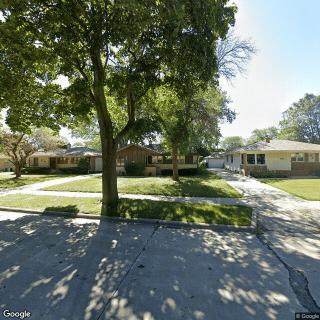
Right At Home II in Milwaukee, WI is an assisted living community that offers a range of care services to meet the individual needs of our residents. Our facility provides board and care home as well as memory care services.

We pride ourselves on offering a comfortable and inviting environment for our residents. Each room is fully furnished, ensuring that our residents feel right at home from the moment they move in. We also have a beautiful garden and outdoor space where residents can relax and enjoy the fresh air.

At Right At Home II, we understand the importance of maintaining a clean and organized living space. That's why we provide housekeeping services to ensure that our residents' rooms are always neat and tidy.

In addition to our comprehensive care services, we also offer amenities to enhance the quality of life for our residents. Our on-site dining room provides nutritious meals tailored to any special dietary restrictions. We also offer Wi-Fi/high-speed internet access and telephone services so that residents can stay connected with their loved ones.

Our caring staff is trained to provide assistance with activities of daily living, including bathing, dressing, and transfers. We work closely with health care providers to coordinate any necessary medical care for our residents.

For those with memory-related conditions, we offer specialized memory care programming designed to support their unique needs. Our mental wellness program focuses on promoting cognitive function and overall well-being.

Transportation arrangements can be made for medical appointments, ensuring that our residents have access to the necessary healthcare services they require. Additionally, there are several cafes, parks, pharmacies, physicians' offices, restaurants, places of worship, and hospitals located conveniently nearby for added convenience.

At Right At Home II in Milwaukee, WI, we strive to create an inclusive and supportive community where each resident feels valued and cared for. Contact us today to learn more about how we can meet your assisted living needs.

Nearby Places of Interest

Pharmacies

  • Walgreens (0.9 miles)
  • CVS Pharmacy (1.5 miles)
  • Walgreens (2.4 miles)
  • Walgreens (2.8 miles)
  • CVS Pharmacy (2.8 miles)
  • Walgreens (2.8 miles)
  • Walgreens (2.9 miles)

Hospitals

  • Wheaton Franciscan - St. Joseph Campus (1.4 miles)
  • Aurora Sinai Medical Center (3.8 miles)
  • Aurora Psychiatric Hospital (4 miles)
  • Froedtert Pavilion (4.6 miles)

Restaurants

  • Shark's Fish & Chicken (1.9 miles)
  • Checkers (2.3 miles)
  • Kopp's Frozen Custard (2.7 miles)
  • Estabrook Beer Garden (2.8 miles)
  • McDonald's (2.8 miles)
  • The Brick Pub & Grill (3.1 miles)
  • The Cheesecake Factory (3.2 miles)

Places of Worship

  • Redemption Lutheran Church (2.6 miles)
  • Northwest Baptist Church (3.4 miles)
  • Honey Creek Church (4.7 miles)

Parks

  • Estabrook Park (2.8 miles)
  • Kern Park (3.4 miles)
  • Hoyt Park (4.1 miles)
  • Red Arrow Park (4.3 miles)
  • Atwater Park (4.4 miles)
  • Brown Deer Park (4.7 miles)
  • Algonquin Park (4.8 miles)

Cafes

  • Starbucks (3.7 miles)
  • Starbucks (4.2 miles)
  • Starbucks (4.4 miles)
  • Colectivo Lakefront (4.6 miles)
  • Starbucks (4.8 miles)

Physicians

  • Aurora Nephrology (3.9 miles)
  • Rheumatic Disease Center (4.4 miles)
  • Aurora Advanced Healthcare (4.5 miles)
  • Froedtert Clinical Cancer Center (4.7 miles)
  • Froedtert Hospital (4.8 miles)
  • Aurora Health Center (5.5 miles)

Transportation

  • U-Haul Moving & Storage (4 miles)
  • Milwaukee Intermodal Station (4.6 miles)

Frequently Asked Questions

Where is Right At Home II?
Does Right At Home II provide care for residents with dementia or Alzheimer's disease?

Nearby Communities

Related Resources

  • assisted living vs memory careUnderstanding the Distinctions: Assisted Living and Memory Care Explained

    The article differentiates between assisted living and memory care, explaining that assisted living supports seniors with daily activities while promoting independence, whereas memory care provides specialized services for individuals with dementia, focusing on secure environments and cognitive support. It also addresses staff training, safety considerations, costs, family involvement, and transition strategies for families navigating these care options.

  • how to talk to someone with dementiaHow to Communicate with a Loved One Living with Dementia: 10 Supportive Strategies
    The article outlines effective communication strategies for interacting with loved ones with dementia, highlighting the need for empathy, patience, and understanding while emphasizing supportive approaches like using simple language, minimizing distractions, and focusing on feelings over facts to maintain dignity and foster connection. It also suggests seeking professional guidance when needed as communication challenges evolve.

  • va nursing homeComprehensive Guide to VA Nursing Homes: A Crucial Long-Term Care Resource for Veterans

    VA nursing homes, or Community Living Centers (CLCs), offer tailored long-term care for veterans, featuring medical attention and rehabilitation in a supportive environment. The guide covers facility types, eligibility criteria, financial assistance options, quality of care standards, and alternatives to full-time nursing home placement.