
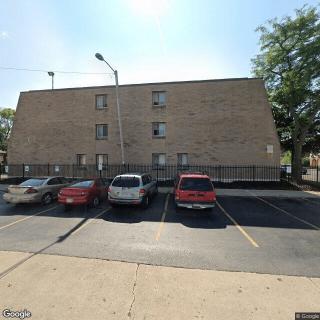
2414 North Booth Street, Milwaukee, WI 53212
For more information about senior living options: (866) 208-4318
Overall Review of Rhouse Assisted Living Center
Pros
 They cared for her mom as if she were their own mother.
- They are forever grateful and have great appreciation for her.
- It is a nice place.
Review
This Milwaukee community is best suited for families seeking a warm, highly personalized living environment where staff treat residents as if they were their own family. The strongest signal from the available notes is a hands-on, compassionate approach: caregivers who “took care of my mom like it was her mom,” delivering care that feels truly oriented to comfort, dignity, and everyday reassurance. For families prioritizing a homelike atmosphere, a calm, pleasant setting, and caregivers who are deeply invested in the person rather than the procedure, this community offers a compelling alignment.
Those weighing alternatives should consider what happens when more formal clinical oversight or specialized programming is required. If a loved one needs aggressive medical management, memory-care-specific protocols, regular on-site nursing leadership, or a broad spectrum of rehabilitation services, the limited information available about clinical depth and program breadth suggests that other communities with clearly delineated medical staffing and memory-care pathways may be preferable. Similarly, families who want a more expansive campus with a wider array of amenities, scheduled activities, or transportation options might find substitutes that better fit those expectations.
The few explicit positives in the reviews , chiefly the sense that care feels deeply personal and the environment is “nice” , are meaningful leverage points. A caregiver team that treats residents with the same care they would show their own family fosters trust and reduces anxiety for anxious families. When staff investment translates into emotional security and consistent daily routines, the risk of confusion or agitation for residents who value familiarity is mitigated. In these terms, the pros directly offset potential concerns about a lack of formalized, high-intensity medical programming, provided the resident’s needs stay within the level of support the community clearly emphasizes: attentive, respectful, and family-like care.
However, the limited breadth of publicly shared information invites cautious consideration. Pros paired with a thin public profile imply that prospective families should probe beyond the surface during tours: verify how staffing levels hold steady across shifts, confirm the presence and qualifications of licensed nursing staff, and understand how care plans are developed and updated. It is prudent to inquire about daily activities, nutritious and flexible meal options, safety features, and how celebrations or routines are tailored to individual preferences. These factors will determine whether the experience remains consistently strong as a loved one’s needs evolve, especially for residents who crave structure and predictable medical oversight.
In practice, families can translate these reflections into concrete questions. What is the resident-to-staff ratio, particularly during evenings and weekends? Which personnel coordinate care (nurses, social workers, activity coordinators), and how is care plan progress documented and communicated to families? What memory-care or rehab services are available on-site, and how are transitions managed if a higher level of care becomes necessary? How are meals organized, and are dining options adaptable to dietary restrictions and cultural preferences? Finally, what does a typical day look like, and how does staff introduce and sustain meaningful activities for different energy levels and interests?
The bottom-line verdict is pragmatic and clear: Rhouse Assisted Living Center sits apart for families seeking a remarkably compassionate, family-style caregiving culture in a pleasant, home-like setting. It stands out as a strong choice for residents whose needs align with attentive personal care and steady emotional support, rather than for those prioritizing expansive medical services or a broad campus footprint. For families whose loved ones require robust clinical management, specialized memory-care programming, or extensive rehabilitation, alternatives with clearly defined medical infrastructure should be examined alongside this option. In the right match, the warmth and everyday reliability described by grateful families can translate into real peace of mind and tangible quality of life.
 4 resident community capacity
 Assisted Living
 Board and Care Home
 Memory Care
 Cable or satellite TV
 Dining room
 Fully furnished
 Garden
 Housekeeping services
 Move-in coordination
 Outdoor space
 Telephone
 Wi-Fi/high-speed internet available
 General Mitchell International (8 miles away)
 24-hour supervision
 Activities of daily living assistance
 Assistance with bathing
 Assistance with dressing
 Assistance with transfers
 Diabetes diet
 Hospice waiver
 Meal preparation and service
 Medication management
 Mental wellness program
 Special dietary restrictions
 Transportation arrangement (medical)
 Transportation to doctors appointments


 Five Subtle Dementia Indicators to Observe: An In-Depth Guide to Understanding “Does My Mom Have Dementia?”
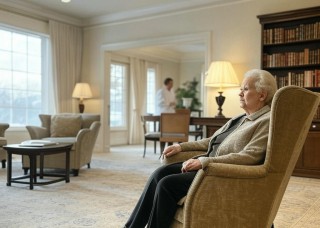 Dementia, Paranoia, and Caregiver Guidance: Understanding the Connection
 Engaging Memory Care Activities That Enhance Quality of Life