
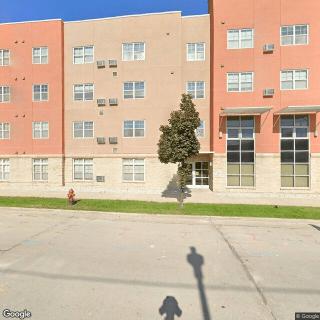
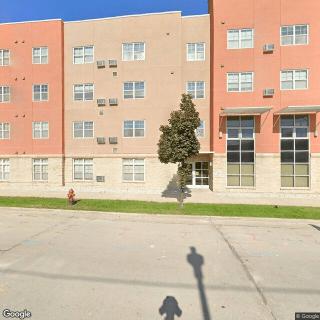
827 South 14 Street, Milwaukee, WI 53204
For more information about senior living options: (866) 208-4318
Overall Review of Recovery Network II
Pros
 Jim the owner is a great man who really cares for his clients.
- He manages medications and takes clients to doctor appointments.
- The staff are great as well.
Review
Recovery Network II in Milwaukee is best suited for seniors and adults who want hands-on, daily living support delivered in a small, people-centered setting. The model foregrounds personal attention from the owner and a stable team, rather than a large institutional footprint. Families facing a transition from hospital or independent living will find value in someone who oversees medications and coordinates medical appointments with a straightforward, reliable routine. The community earns strong marks for compassionate leadership, Jim, the owner, who shows up in the care plan, handles med administration, and ensures transportation to doctor visits. In a market saturated with sprawling campuses, this option appeals to those who want a focused, low-friction path to steadier daily rhythms, rather than a high-traffic, high-amenity environment.
Who may want to consider alternatives? Individuals with complex nursing needs that require 24/7 on-site clinical care or specialized memory care may find a smaller operator limiting. Families seeking robust programming, a wide array of on-site therapies, or a facility with broad hospital affiliations might prefer larger campuses. Those prioritizing extensive social programming or a campus-like setting with abundant amenities could be disappointed by a leaner footprint. Additionally, any concern about continuity if the owner steps back should be considered; check whether a plan exists for staffing and governance that preserves the level of care over time.
On balance, the clear strengths are substantial. The owner’s genuine care translates into dependable medication supervision and proactive coordination of doctor appointments, reducing the risk of missed doses and lapses in care. That practical support is reinforced by capable staff who are described as great, responsive, and engaged. The resulting stability in daily routines minimizes confusion and anxiety for residents and provides welcome reassurance for families. The 5-star consensus across three reviews reinforces confidence in reliability and care quality, not as a pleasant afterthought but as a core operating principle. In short, the unit’s strength lies not in flashy amenities but in trustworthy, hands-on care that keeps medical management tightly integrated with daily living.
Despite the positive notes, potential drawbacks exist by omission. The reviews do not reveal much about clinical nursing hours or whether on-site physicians are available around the clock. The leaner footprint could translate into fewer therapy options, limited social programming, and a tighter activity calendar compared with larger communities. Dependence on a single owner for vision, while a strength in consistency, can raise questions about long-term continuity if leadership changes or staffing gaps occur. Prospective families should verify the exact care levels offered, whether short-term post-acute recovery residence is the focus, and what contingencies are in place for staffing coverage during vacations or illnesses.
Nevertheless, the strongest positives offset these concerns for the right resident. The central value is reliable, personalized care with medication management and medical-appointment logistics baked into everyday routines. For families pressed by the complexity of coordinating meds, transport, and clinicians, this model delivers real, practical peace of mind. The owner-led approach can also mean quicker decisions and clearer lines of communication. If someone prioritizes a respectful, small-scale setting over a bustling campus, Recovery Network II's pros align well with those goals. The potential drawbacks become tradeoffs, fewer bells and whistles in exchange for predictability and intimacy in care.
Decision guidance: this community is a strong fit for seniors who want hands-on daily support, straightforward medication oversight, and dependable doctor-visit coordination in a small, trusted environment. It may not be the best choice for those needing heavy nursing supervision, complex dementia-specific programming, or a broad menu of on-site therapies. Families should arrange a visit, meet the care team, and review the care plan, staffing schedules, and cost structure. Ask about how med changes are managed, the process for hospital discharge coordination, and the backup plan if the owner is away. When alignment is found, Recovery Network II offers a practical path to steadier living with a genuine human touch.
 4 resident community capacity
 Assisted Living
 Cable or satellite TV
 Dining room
 Fully furnished
 Garden
 Housekeeping services
 Move-in coordination
 Outdoor space
 Telephone
 Wi-Fi/high-speed internet available
 General Mitchell International (5 miles away)
 24-hour supervision
 Activities of daily living assistance
 Assistance with bathing
 Assistance with dressing
 Assistance with transfers
 Diabetes diet
 Meal preparation and service
 Medication management
 Special dietary restrictions
 Transportation arrangement (medical)
 Transportation to doctors appointments


 Comprehensive Insights into Activities of Daily Living (ADLs) and Their Assessment
 Medicare Coverage for Assisted Living: An In-Depth Exploration
 Choosing the Right Senior Care: A Detailed Exploration of Assisted Living and Nursing Homes