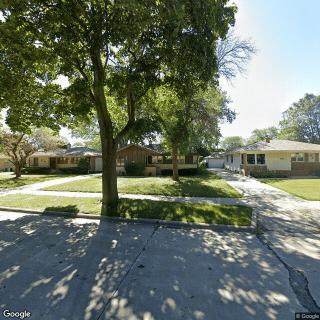
Primrose Residential Facility in Milwaukee, WI

3910 3910 A West Burleigh Street, Milwaukee, WI 53210

For more information about senior living options: (844) 490-3973

4 from 1 review
Assisted Living Board and Care Home

Overall Review of Primrose Residential Facility

Pros

  • pro The Primrose Residential Facility offers a park-like backyard with lush trees and manicured lawns for seniors to enjoy.
  • pro The interior design is fresh and bright, with ample natural light and pleasant views.
  • pro The private dwellings are tastefully decorated, creating a homey atmosphere with plenty of light and nice views.
  • pro The bathrooms are spacious and designed with safety in mind.
  • pro The menus feature interesting dishes and American home-style cooking, with snacks available throughout the day.
  • pro The main dining room is comfortable and spacious, offering a nice casual restaurant setting.
  • pro The exercise center provides equipment and daily yoga and aerobics classes.
  • pro Residents can safely navigate the outer paths for walking and recreation.
  • pro The calendar of events includes stimulating activities, such as nature walks and opportunities to enjoy Milwaukee's culture.
  • pro The staff are kind and competent and take good care of the residents.
  • pro The overall environment is stimulating yet tranquil, and residents clearly enjoy living there.

Review

Primrose Residential Facility in Milwaukee is best suited for seniors who want a calm, homelike living environment with everyday opportunities for activity, nourishment, and gentle social engagement. The setting combines a park-like exterior with bright, airy interior spaces, where private dwellings feel comfortable, well-lit, and thoughtfully designed for safety. For families seeking a residence that emphasizes ease of daily living without sacrificing independence, Primrose offers a balanced mix: private spaces, accessible outdoor paths, and a lifestyle that blends routine with regular opportunities to participate in meaningful activities.

Those evaluating Primrose should note that it may not be the ideal fit for every care profile. The strengths described point to a community centered on an active, socially engaged, and wellness-oriented lifestyle rather than a facility built around intensive medical oversight. Families with members who require high-acuity nursing, memory-care-focused design, or around-the-clock clinical intervention will likely want alternatives that provide more robust on-site medical staffing and specialized programming. Additionally, pricing details and the breadth of care options aren't disclosed in the available information, so households operating within strict budget constraints or seeking a wide range of care tiers should verify these essentials before committing.

The major advantages of Primrose are clear and cohesive. The outdoor environment is inviting, with mature trees and manicured lawns that create immediate appeal for residents who enjoy nature and fresh air. Inside, the d?cor feels homey, with ample natural light and views that contribute to a sense of well-being. Bath spaces are described as spacious and safety-focused, a meaningful plus for seniors prioritizing independence. Dining is a standout feature: menus blend interesting choices with American home-style cooking, accompanied by snacks available throughout the day. The main dining room is described as comfortable and casual, reinforcing a restaurant-like atmosphere that can reduce the perceived formality of daily meals. The fitness offerings - an equipped exercise center with daily yoga and aerobics - paired with safe outer paths, support ongoing physical health and mobility. The calendar of events appears rich, including nature walks and cultural outings that leverage Milwaukee's offerings, which can help residents remain connected to the broader community and maintain cognitive engagement. Finally, staff are characterized as kind and competent, which translates into reliable day-to-day care and a calmer, more secure living environment for residents and families alike.

However, the review leaves important questions that families should verify. The single-voice rating and limited third-party input mean there is insufficient longitudinal data on how the community performs over time, especially through transitions in care levels or health fluctuations. There is no explicit detail on on-site medical services, rehabilitation options, memory-care accommodations, or staffing ratios for evenings and weekends. Prospective residents will want concrete information on availability of skilled nursing, transportation services, housekeeping and laundry options, and the range of assisted-living supports offered. Understanding these elements is essential to ensure alignment with personal care needs and budget expectations.

When the positives are weighed against these unanswered questions, Primrose still stacks up as a compelling option for a specific niche: seniors who prize an aesthetically pleasing, tranquil setting, a strong social and wellness program, and attentive staff, all within a residence that feels like home. The environment's emphasis on safety, engaging activities, and accessible exercise creates meaningful value for those who prefer an active but relaxed lifestyle over a more clinical or urban-feeling facility. The key offset to any potential gaps lies in the commitment demonstrated by staff, the quality of dining, and the breadth of programming that makes daily life with Primrose feel purposeful rather than routine.

For families evaluating next steps, Primrose warrants a thoughtful visit. Schedule a tour to experience the resident environment firsthand, sample a meal, and observe dining service flow. Inquire about care tiers, on-site medical options, and how care coordination is managed as needs evolve. Speak with current residents and families about day-to-day satisfaction and about how safety features function in practice. If the priority is a serene, activity-rich setting with dependable staff and a home-like ambiance, Primrose stands out as a strong contender. If, however, medical acuity, expansive on-site clinical services, or a more urban, high-traffic location are non-negotiables, exploration of alternatives is strongly advised.

Features

Housing

  • 7 resident community capacity 7 resident community capacity

Types of Care

  • Assisted Living Assisted LivingAssisted living facilities provide crucial support and care for seniors who may need help with daily tasks such as medication management, bathing, and meal preparation. These communities offer a safe and comfortable environment where seniors can maintain their independence while receiving the assistance they need to thrive in their golden years.
  • Board and Care Home Board and Care HomeBoard and care homes provide a smaller, more intimate setting for seniors who require assistance with daily tasks but do not need the level of care offered by a nursing home. They offer personalized care, meals, and social activities in a homelike environment, ensuring that seniors receive individualized attention and support in their golden years.

Amenities

  • Cable or satellite TV Cable or satellite TVCable or satellite TV is important for seniors because it provides entertainment, news, and companionship, helping to combat loneliness and boredom. It also offers a wide range of programming options tailored to different interests and preferences.
  • Dining room Dining roomDining rooms are important for seniors as they provide a space for socialization, connection, and nutritious meals. They offer opportunities for residents to bond over shared meals, foster a sense of community, and promote healthy eating habits. Dining rooms also ensure that seniors have access to well-balanced meals tailored to their dietary needs and preferences.
  • Fully furnished Fully furnishedFully furnished senior living communities are important for seniors because they provide convenience, comfort, and a hassle-free moving experience. Seniors can easily settle into their new living space without the stress of having to buy and move furniture. This allows them to focus on enjoying their new home and community.
  • Garden GardenGardens are important for seniors as they provide a peaceful and therapeutic environment for relaxation, physical activity, and socialization. Being in nature has been shown to reduce stress, improve mood, and promote overall well-being. Gardens also offer opportunities for seniors to engage in gardening activities, which can improve mobility, flexibility, and cognitive function. Additionally, gardens create a sense of community and connection with others who share a passion for plants and outdoor spaces.
  • Housekeeping services Housekeeping servicesHousekeeping services are important for seniors because they help maintain a clean and safe living environment, promote independence, and reduce the risk of accidents or illnesses. Additionally, having assistance with household chores can alleviate physical strain and allow seniors to focus on other aspects of their well-being.
  • Move-in coordination Move-in coordinationMove-in coordination is important for seniors because it helps ease the transition into their new living environment. It ensures that all logistics, such as packing, organizing movers, and setting up utilities are taken care of, allowing seniors to focus on settling in and adjusting to their new home. Having a smooth move-in process can alleviate stress and anxiety, making the transition smoother and more enjoyable for seniors.
  • Outdoor space Outdoor spaceOutdoor spaces are important for seniors as they provide opportunities for physical activity, social interaction, exposure to natural light and fresh air, and a sense of connection to nature. Having access to outdoor spaces can improve overall well-being and quality of life for older adults living in senior communities.
  • Telephone TelephoneTelephones are important for seniors as they provide a lifeline for communication with loved ones, emergency services, and healthcare providers. They offer a sense of security and independence, enabling seniors to stay connected and access assistance when needed.
  • Wi-Fi/high-speed internet available Wi-Fi/high-speed internet availableWi-Fi/high-speed internet is important for seniors to stay connected with loved ones, access online resources, and participate in virtual activities to combat feelings of loneliness and isolation. It also allows them to easily manage healthcare needs, access entertainment, and engage in lifelong learning opportunities.

Transportation

  • General Mitchell International (9 miles away) General Mitchell International (9 miles away)

Care Services

  • 24-hour supervision 24-hour supervision24-hour supervision is important for seniors to ensure their safety, well-being, and access to immediate assistance in case of emergencies or health issues. This constant support provides peace of mind for both seniors and their loved ones, allowing them to age in place with dignity and security.
  • Activities of daily living assistance Activities of daily living assistanceActivities of daily living assistance are important for seniors because they provide essential support with tasks such as eating, bathing, dressing, and mobility. This assistance helps seniors maintain their independence, dignity, and overall quality of life as they age.
  • Assistance with bathing Assistance with bathingAssistance with bathing is crucial for seniors as it helps maintain personal hygiene, prevents infections, and ensures their overall well-being and comfort. It also provides a sense of dignity and independence for seniors who may struggle with this task on their own.
  • Assistance with dressing Assistance with dressingAssistance with dressing is important for seniors because it helps maintain their independence, promotes personal hygiene, prevents accidents and injuries, and improves overall quality of life. This service ensures that seniors can continue to dress comfortably and confidently, despite any physical limitations they may have.
  • Assistance with transfers Assistance with transfersAssistance with transfers is crucial for seniors as it helps prevent falls and injuries, maintains their independence, and ensures they can safely navigate their living environment. It also provides peace of mind for both seniors and their loved ones.
  • Coordination with health care providers Coordination with health care providersCoordination with health care providers is crucial for seniors to ensure proper medical care, medication management, and overall well-being. This collaboration helps prevent overlapping treatments, track progress more effectively, and provide comprehensive support tailored to individual needs.
  • Diabetes diet Diabetes dietA diabetes diet is crucial for seniors as it helps manage blood sugar levels, reduce risks of complications, and improve overall health and well-being. By following a balanced and nutritious diet tailored to their specific needs, seniors can better control their diabetes and enhance their quality of life.
  • Meal preparation and service Meal preparation and serviceMeal preparation and service are crucial for seniors as they may have limited mobility or energy to cook nutritious meals. Having access to healthy and convenient food options can ensure they are getting the proper nutrition needed to maintain their overall health and well-being.
  • Medication management Medication managementMedication management is crucial for seniors to ensure they are taking the right medications at the correct dosages and times. This helps prevent adverse drug interactions, reduces the risk of medication errors, and promotes overall health and well-being. Proactive management also allows for adjustments as needed based on changing health conditions or new prescriptions.
  • Special dietary restrictions Special dietary restrictionsSpecial dietary restrictions are important for seniors because age-related changes in metabolism and health conditions can make it difficult for their bodies to process certain foods. By following a diet tailored to their specific needs, seniors can maintain their overall health and well-being, manage chronic conditions, and reduce the risk of complications such as malnutrition or food interactions with medications.
  • Transportation arrangement (medical) Transportation arrangement (medical)Transportation arrangements for medical purposes are essential for seniors as they may have difficulty driving themselves to appointments or accessing public transportation. Having reliable and safe transportation options ensures that seniors can receive timely medical care and maintain their health and well-being.
  • Transportation to doctors appointments Transportation to doctors appointmentsTransportation to doctors' appointments is crucial for seniors as it ensures they have access to necessary medical care and support for their health needs. Without reliable transportation, seniors may struggle to attend important appointments, leading to potential delays in treatment and health complications. Providing transportation services helps seniors maintain their overall well-being and quality of life.

Dining

  • Diabetes diet Diabetes dietA diabetes diet is crucial for seniors as it helps manage blood sugar levels, reduce risks of complications, and improve overall health and well-being. By following a balanced and nutritious diet tailored to their specific needs, seniors can better control their diabetes and enhance their quality of life.
  • Special dietary restrictions Special dietary restrictionsSpecial dietary restrictions are important for seniors because age-related changes in metabolism and health conditions can make it difficult for their bodies to process certain foods. By following a diet tailored to their specific needs, seniors can maintain their overall health and well-being, manage chronic conditions, and reduce the risk of complications such as malnutrition or food interactions with medications.

Activities

  • Community-sponsored activities Community-sponsored activitiesCommunity-sponsored activities are important for seniors as they provide opportunities for social interaction, mental stimulation, and physical activity. These activities can help improve overall well-being, combat loneliness and isolation, and promote a sense of belonging and purpose among older adults.
  • Scheduled daily activities Scheduled daily activitiesScheduled daily activities are important for seniors because they provide structure, socialization, mental stimulation, and physical activity. Engaging in regular activities can improve overall well-being and quality of life for seniors living in a community setting.

Description

The Primrose Residential Facility in Milwaukee, WI is a board and care home that provides a comfortable and supportive environment for seniors in need of assistance with daily living activities.

Residents at Primrose can enjoy the convenience of having their meals provided in the dining room, which offers delicious and nutritious options to accommodate special dietary restrictions. The facility is fully furnished, ensuring that residents have everything they need for a cozy and home-like atmosphere.

Primrose also offers a range of amenities to enhance the living experience for its residents. A garden provides a peaceful outdoor space where residents can relax and enjoy nature. Housekeeping services ensure that the facility is always clean and well-maintained. Wi-Fi/high-speed internet and telephone services are available to keep residents connected with their loved ones.

The caring staff at Primrose is committed to providing personalized care services tailored to each resident's needs. This includes assistance with activities of daily living such as bathing, dressing, and transfers. The staff also coordinates with healthcare providers to ensure that residents receive the necessary medical care and medication management.

The community surrounding Primrose offers numerous conveniences and opportunities for residents. There are three cafes nearby where residents can socialize or enjoy a cup of coffee. Nine parks provide beautiful spaces for leisurely walks or outdoor activities. With 24 pharmacies in close proximity, accessing medications is convenient for residents. Nearby physicians offer easy access to medical services, while transportation arrangements are available for medical appointments.

In addition to these amenities, there are 41 restaurants nearby, allowing residents to explore different cuisines and dining experiences. Three places of worship provide spiritual support within the community. Lastly, there are four hospitals nearby for any emergency medical needs.

Overall, the Primrose Residential Facility in Milwaukee, WI offers a warm and welcoming environment where seniors can receive personalized care while enjoying a range of amenities and conveniences both within the facility itself and in its surrounding community.

Nearby Places of Interest

Hospitals

  • Wheaton Franciscan - St. Joseph Campus (0.7 miles)
  • Aurora Sinai Medical Center (2.9 miles)
  • Aurora Psychiatric Hospital (3.1 miles)
  • Froedtert Pavilion (3.8 miles)

Pharmacies

  • Walgreens (1.3 miles)
  • Walgreens (2.3 miles)
  • Walgreens (2.5 miles)
  • Walgreens (2.5 miles)
  • Walgreens (2.5 miles)
  • Walgreens (2.6 miles)
  • CVS Pharmacy (2.6 miles)

Restaurants

  • Checkers (2.4 miles)
  • Leff's Lucky Town (2.7 miles)
  • Shark's Fish & Chicken (2.8 miles)
  • McDonald's (3.1 miles)
  • Company Brewing (3.1 miles)
  • Veggas Pub (3.2 miles)
  • The Tracks (3.2 miles)

Cafes

  • Starbucks (2.9 miles)
  • Starbucks (3.8 miles)
  • Colectivo Lakefront (4.1 miles)
  • Starbucks (5.2 miles)
  • Starbucks (5.4 miles)

Parks

  • Estabrook Park (3.3 miles)
  • Hoyt Park (3.4 miles)
  • Kern Park (3.4 miles)
  • Red Arrow Park (3.5 miles)
  • Wil-O-Way Underwood Park (4.2 miles)
  • Lakeshore State Park (4.3 miles)
  • Paliafito Park (4.4 miles)

Places of Worship

  • Redemption Lutheran Church (3.6 miles)
  • Northwest Baptist Church (3.6 miles)
  • Honey Creek Church (3.8 miles)

Transportation

  • Milwaukee Intermodal Station (3.6 miles)
  • U-Haul Moving & Storage (5.1 miles)

Physicians

  • Froedtert Clinical Cancer Center (3.9 miles)
  • Froedtert Hospital (3.9 miles)
  • Aurora Advanced Healthcare (4.4 miles)
  • Aurora Health Center (4.8 miles)
  • Aurora Nephrology (5 miles)

Frequently Asked Questions

Where is Primrose Residential Facility?

Nearby Communities

  • Heart Of Home

    Heart Of Home

    Milwaukee, WI

    3.4 from 11 reviews
     

    pro Small, homelike setting with personalized care and comprehensive services (24/7 supervision, ADL assistance, meals, medication management, transportation, housekeeping, and connectivity).

  • For Your Care

    For Your Care

    Milwaukee, WI

    4.6 from 9 reviews
     

    pro Small-capacity, personalized care with comprehensive services and amenities.

  • Sun Vale Home 1

    Sun Vale Home 1

    Milwaukee, WI


    pro Fully furnished apartments with 24-hour care and diabetes-friendly meals.

  • House Of Jericho

    House Of Jericho

    Milwaukee, WI

    4.6 from 35 reviews
     

    pro Small, personalized memory care with 24-hour supervision, daily living support, and specialized dementia programming.

  • Oasis Home

    Oasis Home

    Milwaukee, WI


    pro Intimate 4-resident setting with personalized care and robust memory support.

  • Merit Adult Daycare And Residental Home

    Merit Adult Daycare And Residental Home

    Milwaukee, WI


    pro Intimate, home-like setting with 24-hour supervision and specialized memory care programs.

  • Hart Park Square

    Hart Park Square

    Wauwatosa, WI

    4.6 from 59 reviews
    $1,695 to $2,415 / month

    pro Friendly staff and a warm, sociable community with good dining.

  • Hawthorne Terrace Apartments

    Hawthorne Terrace Apartments

    Wauwatosa, WI

    4.9 from 69 reviews
    $860 to $1,220 / month

    pro On-site beautician and wheelchair-accessible showers.

  • Jefferson Crest III Yellow Rose

    Jefferson Crest III Yellow Rose

    Milwaukee, WI

    2.3 from 3 reviews
     

    pro Diabetes-focused assisted living with devotional services and comfortable social spaces.

Related Resources

  • active senior livingVibrant Senior Living: A Comprehensive Guide for Active Older Adults

    Vibrant Senior Living emphasizes active senior living communities that promote independence and engagement through diverse amenities and activities, fostering wellness and social interaction among older adults. These communities range from independent to assisted living, with a focus on personal growth, family involvement, financial planning, and leveraging technology to enhance residents' experiences.

  • when to move from assisted living to memory careWhen to Transition from Assisted Living to Memory Care: Key Indicators, Steps, and Finding the Right Community

    Transitioning from assisted living to memory care is driven by an individual's cognitive decline and specific needs, requiring careful evaluation of indicators like increased confusion and wandering. The process involves consulting medical professionals, researching suitable communities, considering financial and legal aspects, and ensuring effective communication for personalized care plans.

  • assisted living vs memory careAssisted Living and Memory Care: Understanding Their Core Differences

    Assisted living provides moderate support for seniors seeking independence, while memory care offers specialized support for individuals with dementia or cognitive impairments through structured routines and trained staff. Key differences include care approaches, environment security measures, staff training levels, activity types, and cost considerations.