Luther Manor Courtyards offers competitive pricing for its residents, particularly in the context of Waukesha County and the broader Wisconsin area. For a studio apartment, the monthly cost at Luther Manor is $4,172, which is slightly lower than the county average of $4,225 but higher than the state average of $3,999. In contrast, the one-bedroom option reflects a different picture; at $6,026 per month, it significantly surpasses both Waukesha County's average of $2,752 and Wisconsin's state average of $3,412. This discrepancy highlights a potential premium for services or amenities provided at Luther Manor that may appeal to individuals seeking enhanced living experiences in assisted or independent living environments within a vibrant community setting.
Floor plans
Luther Manor Courtyards
Waukesha County
Wisconsin
Studio
$4,172
$4,225
$3,999
1 Bedroom
$6,026
$2,752
$3,412
Assisted Living communities with a similar price nearby
Residents and families frequently describe admissions teams as patient, knowledgeable, and responsive during transitions.
In multiple reviews, families highlight named staff members for explaining the process clearly and answering questions without rushing. Several write that help continued after move-in, including ongoing communication while concerns were being settled. Even reviewers who based their comments on the tour and admissions experience still describe the interactions as calm, organized, and supportive.
common9 reviews mention this
Dining is often praised
Dining is a recurring bright spot, with residents describing meals and dining experiences they look forward to.
Many positive reviews mention the quality of the food and a dining atmosphere that feels more than just basic meals. Some residents specifically describe restaurant-style dining, and others mention cooks or meal satisfaction in everyday life. A smaller set of negative reviews criticize meal temperature or overall food quality, which is worth noting alongside the positive comments.
caveat12 reviews mention this
Care quality varies by experience
Reviews are split, with some families reporting neglect or unsafe-feeling care and others describing attentive support.
Several reviews describe serious breakdowns in care, including medication issues, long waits for help, and disrespectful interactions. Others report the opposite—attentive caregivers, better comfort during transitions, and support that helped residents settle in. Because the stories differ so sharply, it may be especially important to ask how care is handled day to day for your loved one’s specific needs.
caveat8 reviews mention this
Staffing and response-time concerns recur
Some residents and families report long response times and understaffing challenges when help is needed.
A recurring theme in critical reviews is delayed assistance after call buttons are used, along with descriptions of short staffing. Families describe situations where assistance was not immediate and express worry about delays for toileting and medication-related needs. These comments appear alongside reviews that describe consistently kind, present staff, suggesting the experience may depend on unit, timing, and circumstances.
caveat2 reviews mention this
Pricing differs by unit type
Pricing appears to run close to county averages for studios but is higher for one-bedroom units.
Price ranges vary notably by unit type, with studios priced near the county comparison while one-bedrooms sit farther above it. Reviews also include disputes and concerns tied to costs in a few accounts, which reinforces the importance of confirming total charges and how billing is handled for your situation.
common2 reviews mention this
Nearby conveniences are within reach
The surrounding area includes nearby pharmacy and healthcare options.
Residents and families reference being able to access everyday essentials and health-related services nearby. Even when reviews focus on campus life, the neighborhood listing reflects close options for pharmacies and medical offices. This can matter for families who want quicker access for checkups or errands.
How we summarize
Counts show how many written reviews mention each theme; a review can touch several themes, and only frequently mentioned themes are displayed.
Features
Types of Care
Assisted Living
Pets
Cats allowed
Amenities
Activities off-site
Activities on-site
Air-conditioning
Bath tubs
Beautician on-site
Cable or satellite TV
Devotional services on-site
Ground floor units
Indoor common areas
Outdoor common areas
Respite or short term stays offered
Wheelchair accessible showers
Transportation
General Mitchell International (13 miles away)
Care Services
Ambulatory care
Diabetic care
Incontinence care
Medication management
Dining
Gluten-free
Guest meals
Kosher
Low / no sodium
Meals provided
No Sugar
Professional chef
Restaurant style dining
Room service
Special dining programs
Vegetarian
Activities
Art classes
Catholic services
Day trips and outings
Devotional activities on-site
Educational speakers / life long learning
Happy hour
Live dance or theater performances
Live musical performances
Live well programs
Protestant services
Stretching classes
Nearby Places of Interest
This area of Wauwatosa, Wisconsin offers a variety of amenities and services that may be appealing for seniors looking to reside in the area. With several places of worship nearby, individuals can find spiritual fulfillment within their community. Additionally, there are multiple pharmacies in close proximity, making it convenient for residents to access necessary medications and healthcare products. A selection of restaurants provides dining options for those who prefer eating out, while various healthcare facilities and hospitals offer medical care and services within a short distance. Nearby parks offer opportunities for outdoor recreation and leisure activities, and transportation options such as U-Haul Moving & Storage provide easy access to travel if needed. Overall, this neighborhood provides a range of resources and conveniences that may enhance the quality of life for seniors considering senior living in Wauwatosa.
Places of Worship
Northwest Baptist Church (0.4 miles)
Redemption Lutheran Church (2.2 miles)
Honey Creek Church (4.6 miles)
Pharmacies
Walgreens (0.8 miles)
Walgreens (1.2 miles)
Walgreens (1.4 miles)
Walgreens (2.6 miles)
Walgreens (2.7 miles)
Walgreens (2.8 miles)
Swan Service-U Pharmacy (2.8 miles)
Restaurants
Checkers (1.5 miles)
McDonald's (2 miles)
McDonald's (2 miles)
Chick-Fil-A (2.1 miles)
Culver's (2.1 miles)
Shark's Fish & Chicken (2.4 miles)
Sluggo's Sports Pub & Grill (2.7 miles)
Physicians
Aurora Advanced Healthcare (1.9 miles)
Wheaton Franciscan Medical Group (2.9 miles)
Aurora Health Center (4.1 miles)
Froedtert Hospital (4.2 miles)
Froedtert Clinical Cancer Center (4.3 miles)
Drs. Roy and Associates (5.1 miles)
Aurora Nephrology (5.2 miles)
Parks
Hoyt Park (3.3 miles)
Wil-O-Way Underwood Park (3.4 miles)
Elm Grove Village Park (4.5 miles)
Algonquin Park (5 miles)
Imperial Estate Park (5.4 miles)
Dousman Stage Coach Inn Museum (5.5 miles)
Brown Deer Park (5.7 miles)
Hospitals
Wheaton Franciscan - St. Joseph Campus (3.3 miles)
Luther Manor Courtyards offers competitive pricing for its residents, particularly in the context of Waukesha County and the broader Wisconsin area. For a studio apartment, the monthly cost at Luther Manor is $4,172, which is slightly lower than the county average of $4,225 but higher than the state average of $3,999. In contrast, the one-bedroom option reflects a different picture; at $6,026 per month, it significantly surpasses both Waukesha County's average of $2,752 and Wisconsin's state average of $3,412. This discrepancy highlights a potential premium for services or amenities provided at Luther Manor that may appeal to individuals seeking enhanced living experiences in assisted or independent living environments within a vibrant community setting.
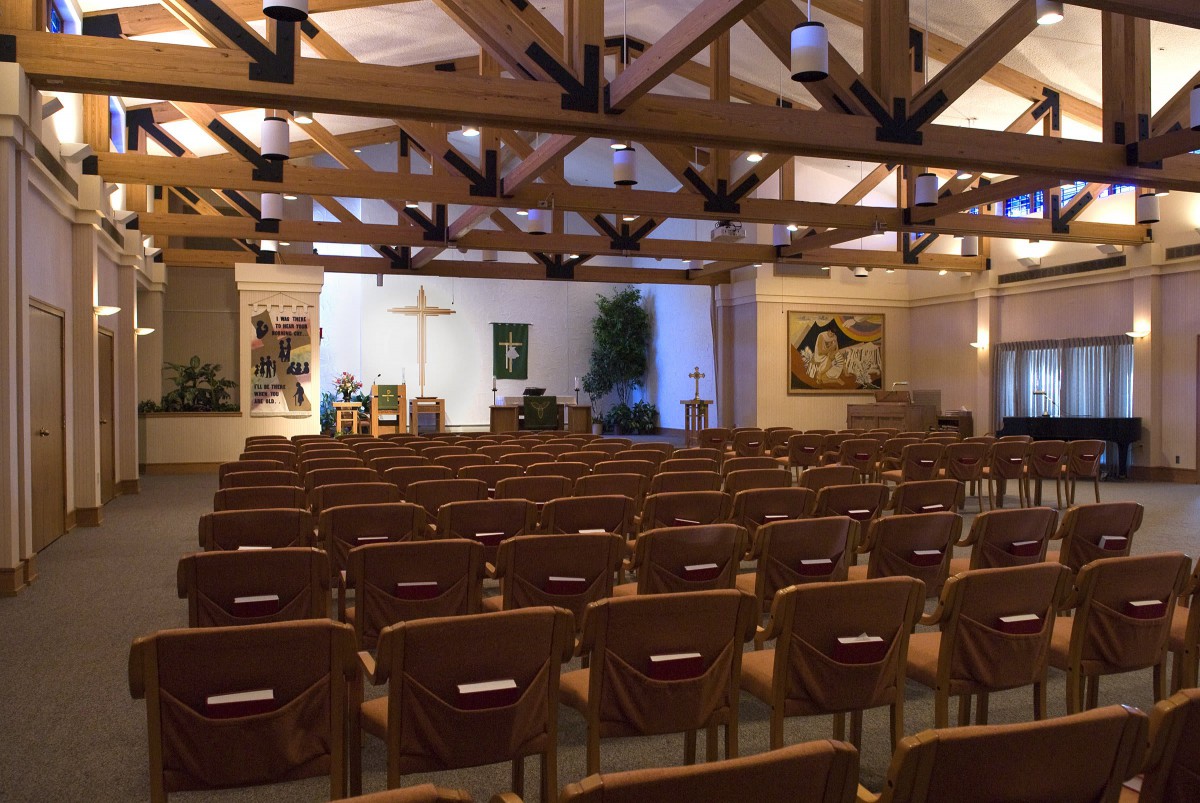
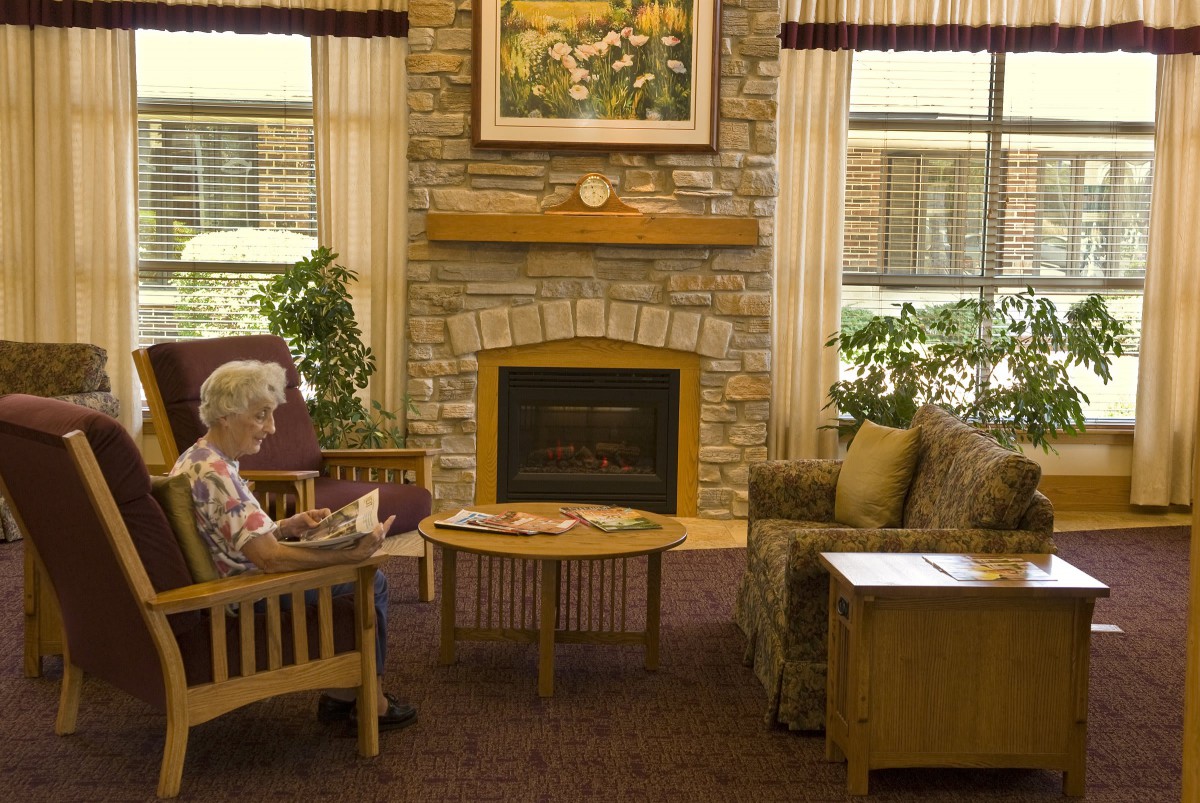
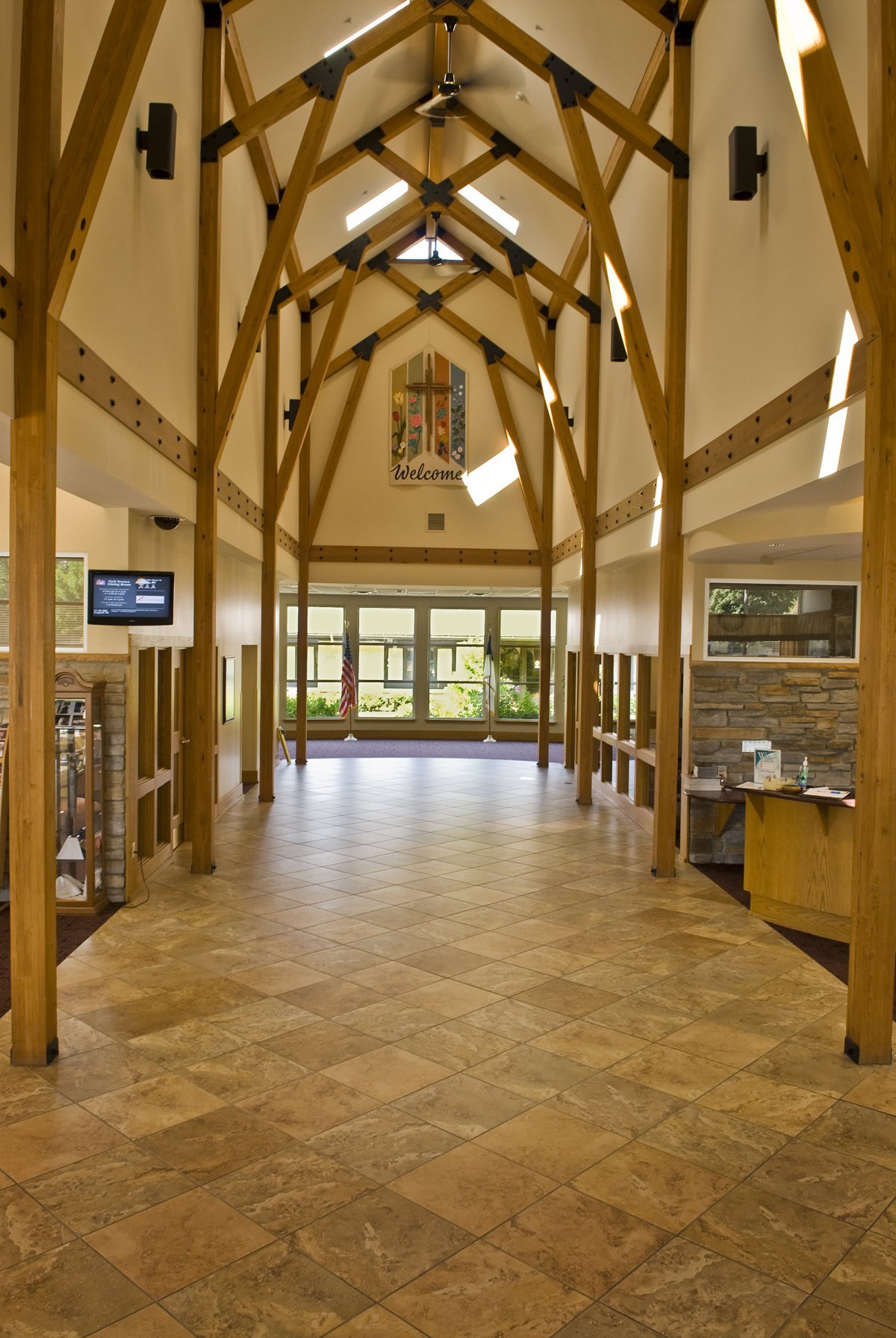
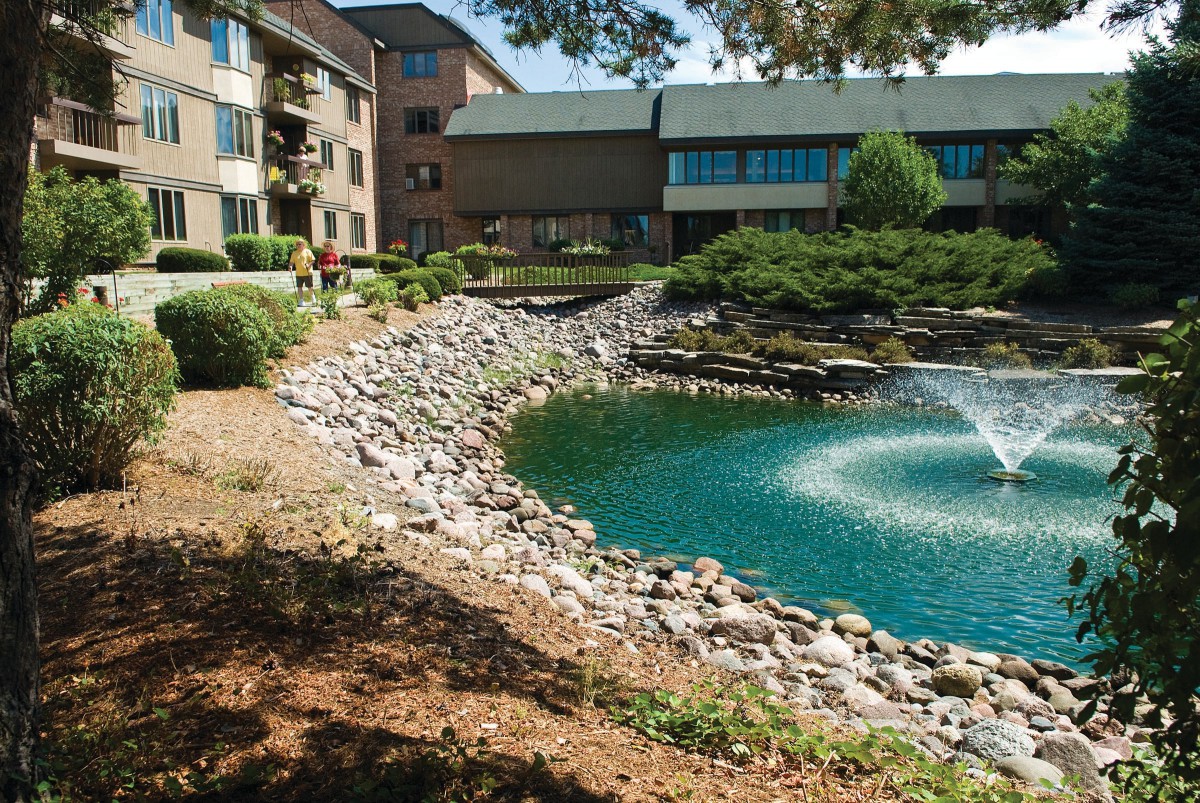
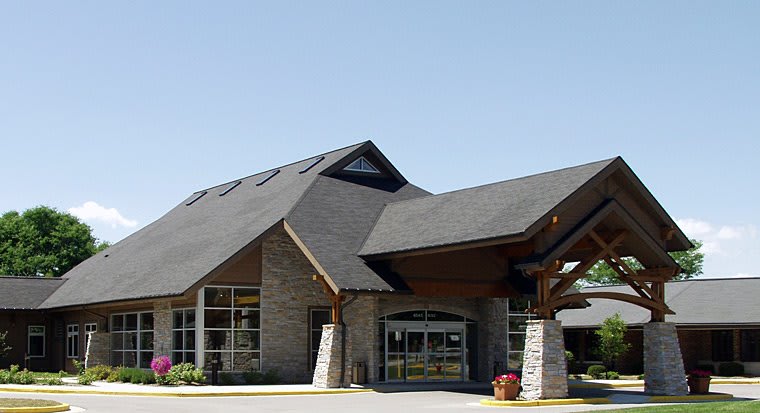
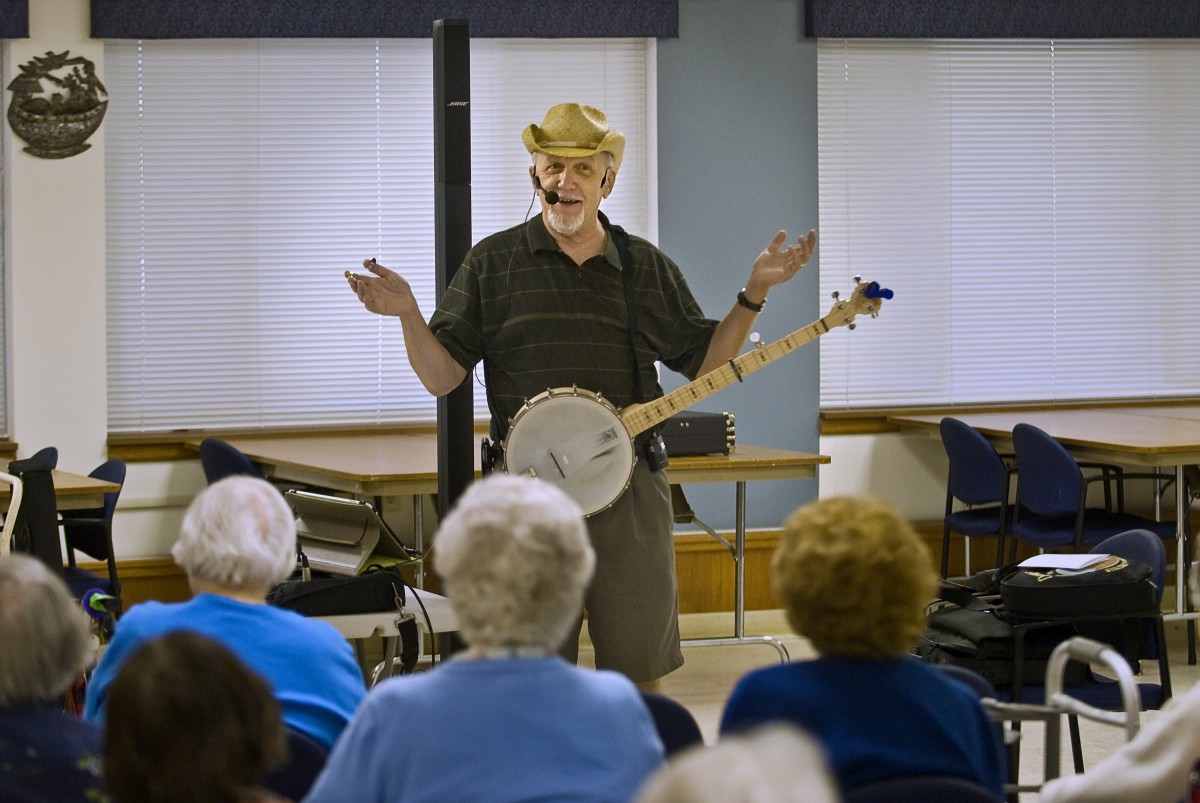
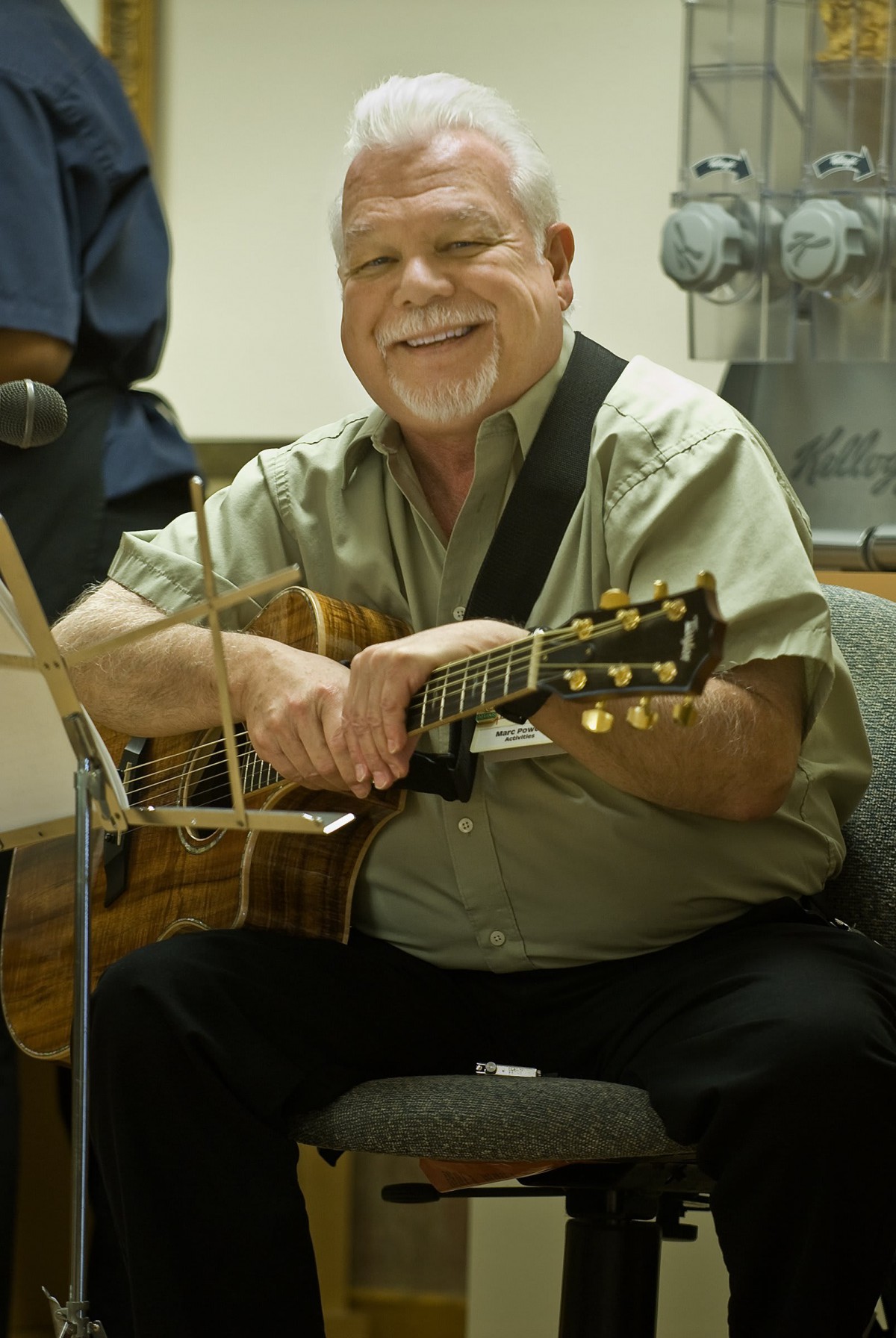
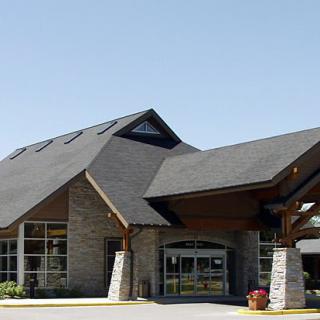
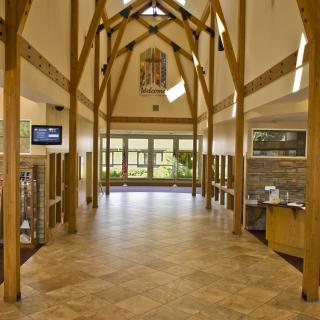
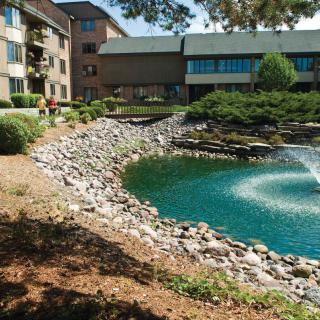
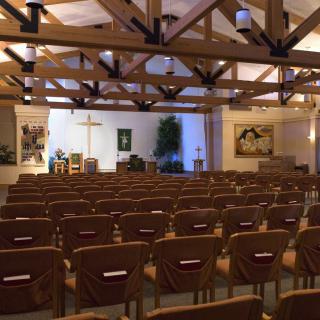
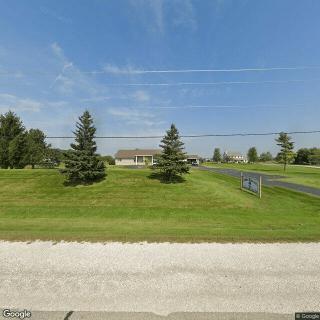
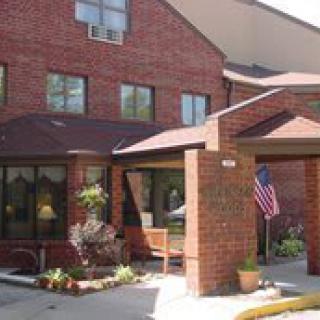
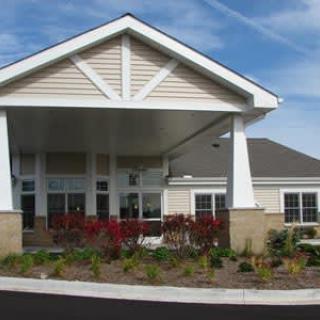
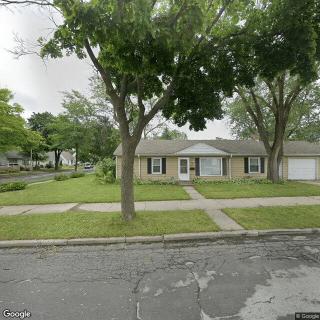
Luther Manor Courtyards on seniors.fyi includes 9 photos including images showing interior, building, architecture, wooden beams, reading, hallway, entrance, windows, and more.
Nearby Communities
Luther Manor: A Life Plan Community
Wauwatosa, WI
3.8 from 118 reviews
$1,570 to $2,911 / month
Active community with caring staff and affordable rates
Daisy House 2
Milwaukee, WI
5 from 1 review
Intimate 4-bed memory care home with 24/7 supervision, specialized dementia programs, and easy access to nearby services.
Sun Vale 90
Milwaukee, WI
Specialized memory care with 24-hour supervision.
Congress Place
Milwaukee, WI
$4,500 to $5,000 / month
24/7 supervision with memory care programming.
Morgans Way West
Milwaukee, WI
Small, intimate community with 24/7 supervision, ADL support, medication management, meals, and furnished apartments.
Holy Homes - AFH
Milwaukee, WI
5 from 3 reviews
Small, personalized assisted living with 24-hour supervision, comprehensive care, and nearby dining options.
Jefferson Crest III Yellow Rose
Milwaukee, WI
2.3 from 3 reviews
Diabetes-focused assisted living with devotional services and comfortable social spaces.
Heritage Court I
Menomonee Falls, WI
3.7 from 10 reviews
Fully furnished apartments with 24/7 memory-care support and engaging activities.
Congregational Home
Brookfield, WI
4.1 from 61 reviews
Spacious private rooms with private bathrooms, caring staff, and well-kept gardens.
Assisted living for adults with disabilities has transformed to provide personalized care and support services aimed at improving residents' quality of life while balancing independence and assistance. However, low-income individuals often face challenges in affording these services, requiring navigation of various financial resources and advocacy for better policies and solutions.
Assisted living facilities provide support for older adults needing help with daily activities without extensive medical care, but their costs can be high and vary by location and services offered. Families often seek various funding options and financial strategies to manage these expenses effectively while considering future needs and potential price increases.
The article discusses assisted living expenses, the importance of long-term care insurance in covering these costs, and various financing options, highlighting the need for careful policy review and early planning to address potential needs. It also clarifies common misconceptions about Medicare and private health insurance limitations regarding long-term care coverage.
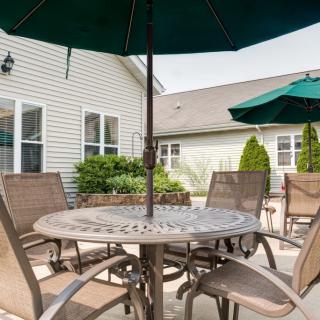
Landscaping, Nature, Fountain, Apartment Complex, and Pond
Windows and Hallway
Building
Architecture
Entrance and Exterior
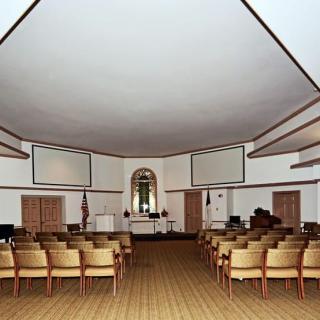
Seating and Church
Painting
Wooden Beams
Get PricingAsk A QuestionSchedule A TourContact Senior Advisor
By clicking submit, you agree to our Partner's Terms of Use. You
also consent to receive calls and texts, which may be autodialed, from our Partner. Your consent is not a condition to
using our Partner's service. Please visit our Partner's Privacy Policy for information about their privacy practices.







 Assisted Living
 Cats allowed
 Activities off-site
 Air-conditioning
 Bath tubs
 Beautician on-site
 Cable or satellite TV
 Devotional services on-site
 Ground floor units
 Indoor common areas
 Outdoor common areas
 Respite or short term stays offered
 Wheelchair accessible showers
 General Mitchell International (13 miles away)
 Ambulatory care
 Diabetic care
 Incontinence care
 Medication management
 Gluten-free
 Art classes
 Catholic services
 Day trips and outings
 Educational speakers / life long learning
 Happy hour
 Live dance or theater performances
 Live musical performances
 Live well programs
 Active community with caring staff and affordable rates
 Comprehensive Supportive Living Arrangements for Adults with Disabilities
 Funding and Affording Assisted Living: A Thorough Overview
 Assisted Living Expenses and Long-Term Care Insurance: A Comprehensive Exploration