
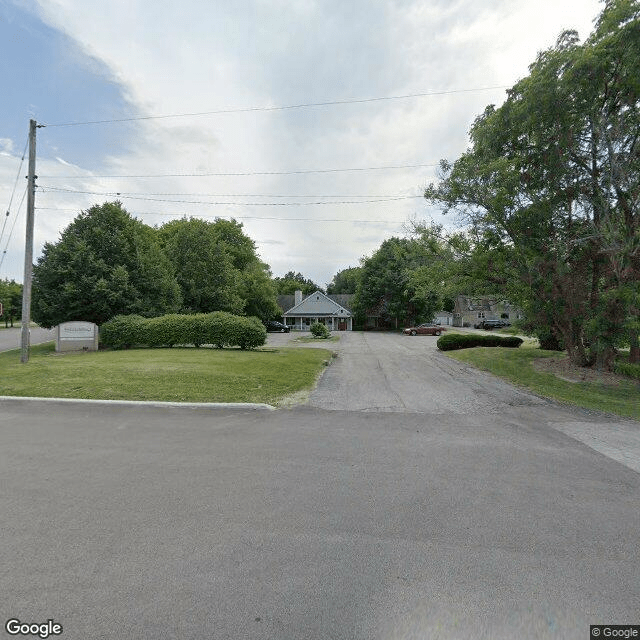
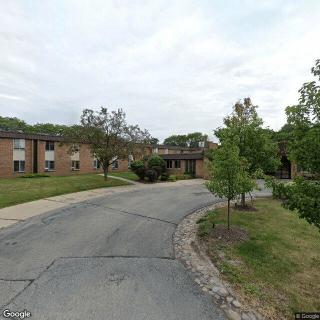
4015 W. Woodale, Brown Deer, WI 53209
To contact a resident: (414) 355-7272
For more information about senior living options: (866) 208-4318
KindredHearts of Brown Deer Costs & Pricing
KindredHearts of Brown Deer offers competitive pricing for its studio accommodations, with a monthly cost of $3,553. This rate is notably lower than the average for Milwaukee County, which stands at $3,841, and is also below the state average of $3,999 for similar living arrangements. This makes KindredHearts an appealing option for potential residents seeking quality care in a more budget-friendly environment while still benefiting from the amenities and support that come with residing in a dedicated community setting.
| Floor plans | KindredHearts of Brown Deer | Milwaukee County | Wisconsin |
|---|---|---|---|
| Studio | $3,553 | $3,841 | $3,999 |
Assisted Living communities with a similar price nearby
-
from -$453 / mo
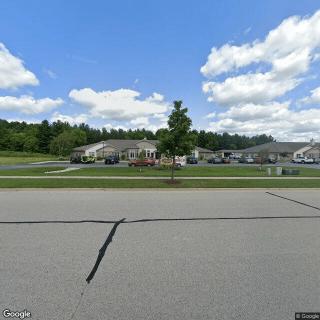
Serenity Villa
$3,100 to $5,500 / month18.6 miles away -
from +$647 / mo

River Way Place
$4,200 / month21.0 miles away -
from -$463 / mo
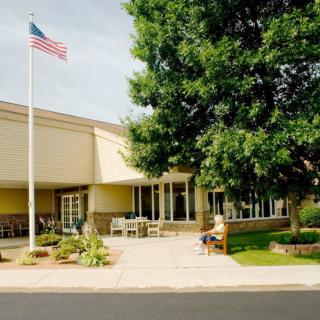
Wellington Place at Hartford
$3,090 to $4,020 / month22.5 miles away -
from -$484 / mo
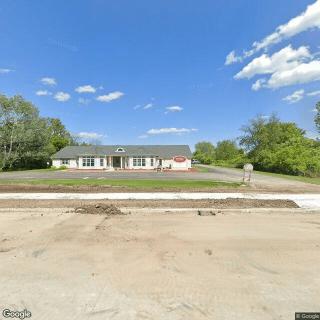
Matthews of Oak Creek
$3,069 / month17.5 miles away -
from +$447 / mo
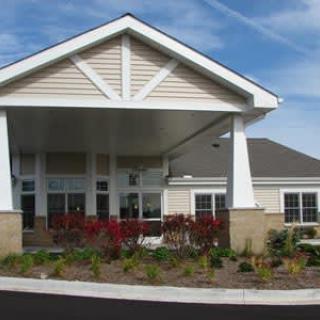
Ellens Home Germantown
$4,000 / month8.7 miles away
Overall Review of KindredHearts of Brown Deer
Pros
 The staff are very friendly and knowledgeable.
- The establishment is quaint and home-like.
- They excel at respecting tenants' privacy and managing medications and meals.
- Residents seem happy.
- The staff are tolerant, helpful, and kind.
- The manager is empathetic, humorous, discreet, and maintains high standards of cleanliness and safety.
- The setting is near a wonderful park.
- The facility is clean.
Cons
 The facility did not offer enough amenities.
- It wasn't the right fit for the mom.
- Loneliness, boredom, and anxiety were the elder relative's greatest unmet needs, caused by mental illness and memory loss.
- The usual problems with tenants pulling their alarm strings too frequently seemed to cause a casual response to alarms in general.
- The staff were tolerant, helpful and kind, though not especially proactive.
Review
KindredHearts of Brown Deer is best suited for families seeking a small, home‑like environment for an elder with memory challenges who values privacy, consistent personal attention, and a calm, intimate setting over expansive amenities. The community excels when the resident can tolerate a quieter atmosphere, where staff are friendly, knowledgeable, and available, and where the daily routine centers on basic needs, safe meals, and medication management. It’s a fit for those who prioritize proximity to family and a nearby park, rather than a bright, bustling campus with a full slate of activities and high‑end amenities. This is not the place for someone who needs a vibrant social calendar or a wide array of modern comforts.
Those considering alternatives should focus on residents who crave larger, brighter facilities with robust programming, more on‑site activities, and stronger 24/7 nursing or memory‑care support. If a high level of social engagement, structured daily programming, and advanced medical oversight are non‑negotiables, other communities will likely outpace KindredHearts. Families dealing with advanced dementia or significant behavioral needs may also want to look at dedicated memory‑care environments that can offer more proactive engagement and supervision around the clock. In short, the strongest fit is an individual who can thrive with intimate staffing and a homey feel, not a comprehensive care campus.
The strongest pros center on people and process. Staff are consistently described as friendly, patient, and respectful, with a dependable routine for monitoring medications, physical needs, and meals. The facility prides itself on a clean, safe environment and on maintaining residents’ privacy while staying attentive to unusual events or changes in condition. An experienced manager, with a history of steady leadership, helps keep operations steady even amid turnover among some frontline workers. The open‑door policy and the sense that long‑term staff are valued by leadership contribute to a reliable, family‑like atmosphere that families often appreciate when a loved one does not have extensive outside social supports.
Yet the main drawbacks are tangible and substantive. The building is older and quaint rather than bright and expansive, with amenities that don’t compete with larger senior living campuses. Social programming isn’t as proactive or pervasive as some families expect, which can leave residents feeling lonely or bored, an issue compounded for those with memory loss and anxiety. Alarm systems and safety checks can suffer from occasional false alarms due to tenants pulling strings, which can dull the responsiveness over time if not actively managed. Staffing turnover, while mitigated by some seasoned caregivers, can also lead to periods of limited continuity. And while there is ongoing care supervision, the absence of round‑the‑clock nursing and intensive memory‑care support can leave families needing to supplement with outside visits and external activities.
The key question becomes whether the pros can realistically offset the cons for a particular elder. For families able to supplement with regular visits, outside engagement, and personal routines, the intimate setting can provide meaningful comfort, safer privacy, and steadier daily routines without the overhead of a large campus. The park‑adjacent location and the home‑like feel can support a slower, more dignified phase of life for someone who does not require intensive programming or constant medical oversight. However, for those whose loved one requires robust social stimulation, predictable daily activities, or tighter medical supervision, the balance shifts away from the positives and toward the limitations.
For decision‑makers, practical steps are essential. Schedule a tour focused on staffing patterns: number of staff per shift, caregiver qualifications, and whether there is dedicated memory‑care staff or routine access to a nurse. Review the activity calendar and ask for examples of how loneliness and anxiety are addressed in daily life. Probe safety protocols, especially around alarm responsiveness and falls prevention, and verify whether there is a plan for escalating care if cognitive or physical needs worsen. Compare costs against what is offered, and consider a trial period if feasible. In the end, KindredHearts of Brown Deer should be chosen only when its intimate, respectful, low‑key environment aligns with the elder’s memory care needs and the family’s capacity to provide or procure supplementary stimulation and oversight.
 16 resident community capacity
 Assisted Living
 Board and Care Home
 Activities off-site
 Beautician on-site
 Cable or satellite TV
 Devotional services off-site
 Dining room
 Fully furnished
 Garden
 Housekeeping services
 Indoor common areas
 Move-in coordination
 Outdoor space
 Respite or short term stays offered
 Telephone
 Wi-Fi/high-speed internet available
 General Mitchell International (15 miles away)
 24-hour supervision
 Assistance with bathing
 Assistance with dressing
 Assistance with transfers
 Dementia waiver
 Diabetes diet
 Diabetic care
 Hospice waiver
 Incontinence care
 Meal preparation and service
 Medication management
 Special dietary restrictions
 Transportation arrangement (medical)
 Transportation to doctors appointments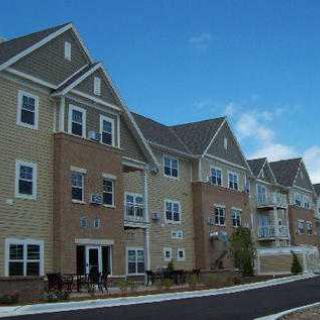
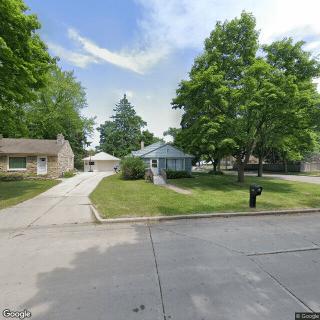
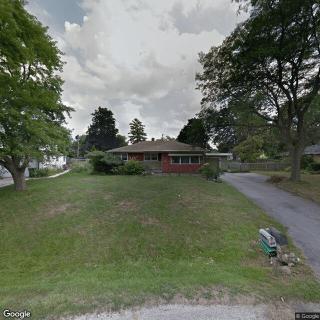

 Assisted Living and Memory Care: Understanding Their Core Differences
 Beyond the Bingo Hall: 50+ Enriching Activities for Seniors in Assisted Living
 Understanding the Distinctions: Assisted Living and Memory Care Explained