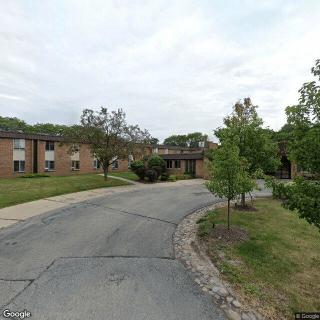
Ideal Community Living

6911 West Lima Street, Milwaukee, WI 53223

For more information about senior living options: (844) 490-3973

1 from 1 review
Assisted Living Board and Care Home Memory Care

What level of care are you interested in?

Assisted Living

Memory Care

Independent Living

Skilled Nursing Facility

Continuing Care Retirement Community (CCRC)CCRC

Other


Request a tour at Ideal Community Living

    Overall Review of Ideal Community Living

    Cons

    • pro They were shocked that this place is licensed at all.
    • pro The facility was filthy.
    • pro The smell of urine was overpowering.
    • pro Dana was extremely rude and unprofessional.
    • pro They would never want anyone they know to live at this facility.
    • pro It should be shut down.

    Review

    During a recent FaceTime tour conducted with a family member, I found myself watching with growing disbelief as the visit unfolded. What was supposed to be an informative look at a facility turned into a jarring reminder of how a place can look on paper - licensed and regulated - yet feel wholly unsuitable in reality. The experience left me deeply unsettled about how such a place can maintain a license and be presented as a viable option for anyone who might need care in the future.

    From the screen, the facility came across as filthy and ill cared-for, a stark contrast to the expectations that usually accompany a licensed care setting. Surfaces appeared neglected, and the general upkeep gave the impression that cleanliness was not a priority. The atmosphere carried with it a sense of decay rather than care, and the overall condition made it hard to imagine that residents would be kept in a safe and hygienic environment. The impression was not just about appearance, but about a level of maintenance that suggested deeper, systemic issues.

    One detail that stood out in the conversation and the tour was the overwhelming smell of urine. My family member mentioned it clearly, describing it as overpowering. The odor added a weight to the visual cues of neglect, reinforcing the sense that basic sanitation and odor control were not being adequately addressed. It's hard to separate smell from overall perception in a setting like this, because strong, unpleasant odors can be a telling sign of underlying problems with cleanliness, supply management, and routine housekeeping.

    The experience was further marred by the demeanor of the staff member we interacted with, Dana. According to what we observed, Dana came across as extremely rude and unprofessional. The tone, responsiveness, and general approach felt dismissive rather than supportive, which is especially troubling in a setting where residents and their families deserve empathy, patience, and clear communication. The negative impression of Dana's conduct amplified our concerns about how residents would be treated and how questions or worries would be addressed in normal, day-to-day operations.

    After we completed the tour, the conclusions we drew were firm and unambiguous: we would never want anyone we know to live at this facility. The combination of filthy conditions, a pervasive urine odor, and an unprofessional staff member created an impression that caregiving standards, safety, and dignity were not being adequately upheld. It was a stark reminder that appearances can be deceiving on paper, but the lived experience - what families actually encounter during a tour - speaks volumes about what a place truly prioritizes.

    Ultimately, the experience led to a blunt verdict about the facility's place in the care landscape. The improprieties we observed - cleanliness issues, odor problems, and rude, unhelpful staffing - left us convinced that this facility does not meet the standards we expect or deserve for residents. The takeaways were clear: licensing alone cannot guarantee quality or humane treatment; ongoing oversight, transparent operations, and respectful, professional engagement from staff are essential. Given what we witnessed, the facility seems ill-suited to the needs and safety of potential residents, and the thought of recommending or relying on it for anyone's care feels inappropriate.

    In summary, the FaceTime tour painted a troubling picture of a licensed facility that, in our view, falls short on fundamental care and dignity. The environment appeared unsanitary and poorly maintained, the odor underscored deeper issues with cleanliness, and Dana's rude demeanor suggested a troubling lack of professional care and attention. The overall experience left us unequivocally opposed to the idea that this place should serve as a residence for loved ones, reinforcing our belief that further scrutiny and action would be warranted to protect future residents from encountering similar problems.

    Features

    Housing

    • 4 resident community capacity 4 resident community capacity

    Types of Care

    • Assisted Living Assisted LivingAssisted living facilities provide crucial support and care for seniors who may need help with daily tasks such as medication management, bathing, and meal preparation. These communities offer a safe and comfortable environment where seniors can maintain their independence while receiving the assistance they need to thrive in their golden years.
    • Board and Care Home Board and Care HomeBoard and care homes provide a smaller, more intimate setting for seniors who require assistance with daily tasks but do not need the level of care offered by a nursing home. They offer personalized care, meals, and social activities in a homelike environment, ensuring that seniors receive individualized attention and support in their golden years.
    • Memory Care Memory CareMemory care is crucial for seniors as it provides specialized support and services for individuals with dementia or Alzheimer's disease. These programs offer a safe and secure environment where residents receive personalized care, cognitive stimulation, and help with daily activities. Memory care helps seniors maintain their independence, quality of life, and dignity while also providing peace of mind for their families.

    Amenities

    • Cable or satellite TV Cable or satellite TVCable or satellite TV is important for seniors because it provides entertainment, news, and companionship, helping to combat loneliness and boredom. It also offers a wide range of programming options tailored to different interests and preferences.
    • Dining room Dining roomDining rooms are important for seniors as they provide a space for socialization, connection, and nutritious meals. They offer opportunities for residents to bond over shared meals, foster a sense of community, and promote healthy eating habits. Dining rooms also ensure that seniors have access to well-balanced meals tailored to their dietary needs and preferences.
    • Fully furnished Fully furnishedFully furnished senior living communities are important for seniors because they provide convenience, comfort, and a hassle-free moving experience. Seniors can easily settle into their new living space without the stress of having to buy and move furniture. This allows them to focus on enjoying their new home and community.
    • Garden GardenGardens are important for seniors as they provide a peaceful and therapeutic environment for relaxation, physical activity, and socialization. Being in nature has been shown to reduce stress, improve mood, and promote overall well-being. Gardens also offer opportunities for seniors to engage in gardening activities, which can improve mobility, flexibility, and cognitive function. Additionally, gardens create a sense of community and connection with others who share a passion for plants and outdoor spaces.
    • Housekeeping services Housekeeping servicesHousekeeping services are important for seniors because they help maintain a clean and safe living environment, promote independence, and reduce the risk of accidents or illnesses. Additionally, having assistance with household chores can alleviate physical strain and allow seniors to focus on other aspects of their well-being.
    • Move-in coordination Move-in coordinationMove-in coordination is important for seniors because it helps ease the transition into their new living environment. It ensures that all logistics, such as packing, organizing movers, and setting up utilities are taken care of, allowing seniors to focus on settling in and adjusting to their new home. Having a smooth move-in process can alleviate stress and anxiety, making the transition smoother and more enjoyable for seniors.
    • Outdoor space Outdoor spaceOutdoor spaces are important for seniors as they provide opportunities for physical activity, social interaction, exposure to natural light and fresh air, and a sense of connection to nature. Having access to outdoor spaces can improve overall well-being and quality of life for older adults living in senior communities.
    • Telephone TelephoneTelephones are important for seniors as they provide a lifeline for communication with loved ones, emergency services, and healthcare providers. They offer a sense of security and independence, enabling seniors to stay connected and access assistance when needed.
    • Wi-Fi/high-speed internet available Wi-Fi/high-speed internet availableWi-Fi/high-speed internet is important for seniors to stay connected with loved ones, access online resources, and participate in virtual activities to combat feelings of loneliness and isolation. It also allows them to easily manage healthcare needs, access entertainment, and engage in lifelong learning opportunities.

    Transportation

    • General Mitchell International (14 miles away) General Mitchell International (14 miles away)

    Care Services

    • 24-hour supervision 24-hour supervision24-hour supervision is important for seniors to ensure their safety, well-being, and access to immediate assistance in case of emergencies or health issues. This constant support provides peace of mind for both seniors and their loved ones, allowing them to age in place with dignity and security.
    • Activities of daily living assistance Activities of daily living assistanceActivities of daily living assistance are important for seniors because they provide essential support with tasks such as eating, bathing, dressing, and mobility. This assistance helps seniors maintain their independence, dignity, and overall quality of life as they age.
    • Assistance with bathing Assistance with bathingAssistance with bathing is crucial for seniors as it helps maintain personal hygiene, prevents infections, and ensures their overall well-being and comfort. It also provides a sense of dignity and independence for seniors who may struggle with this task on their own.
    • Assistance with dressing Assistance with dressingAssistance with dressing is important for seniors because it helps maintain their independence, promotes personal hygiene, prevents accidents and injuries, and improves overall quality of life. This service ensures that seniors can continue to dress comfortably and confidently, despite any physical limitations they may have.
    • Assistance with transfers Assistance with transfersAssistance with transfers is crucial for seniors as it helps prevent falls and injuries, maintains their independence, and ensures they can safely navigate their living environment. It also provides peace of mind for both seniors and their loved ones.
    • Coordination with health care providers Coordination with health care providersCoordination with health care providers is crucial for seniors to ensure proper medical care, medication management, and overall well-being. This collaboration helps prevent overlapping treatments, track progress more effectively, and provide comprehensive support tailored to individual needs.
    • Dementia waiver Dementia waiverDementia waivers are essential for seniors as they provide critical protections and accommodations for those experiencing cognitive decline. These waivers ensure individuals with dementia receive appropriate care, support, and resources to maintain their quality of life and dignity as they navigate the challenges of this progressive condition.
    • Diabetes diet Diabetes dietA diabetes diet is crucial for seniors as it helps manage blood sugar levels, reduce risks of complications, and improve overall health and well-being. By following a balanced and nutritious diet tailored to their specific needs, seniors can better control their diabetes and enhance their quality of life.
    • Hospice waiver Hospice waiverHospice waivers are important for seniors because they allow individuals to receive specialized end-of-life care and support at home or in a hospice facility. This waiver ensures that seniors can access the necessary resources and services to maintain comfort and dignity during their final days.
    • Meal preparation and service Meal preparation and serviceMeal preparation and service are crucial for seniors as they may have limited mobility or energy to cook nutritious meals. Having access to healthy and convenient food options can ensure they are getting the proper nutrition needed to maintain their overall health and well-being.
    • Medication management Medication managementMedication management is crucial for seniors to ensure they are taking the right medications at the correct dosages and times. This helps prevent adverse drug interactions, reduces the risk of medication errors, and promotes overall health and well-being. Proactive management also allows for adjustments as needed based on changing health conditions or new prescriptions.
    • Mental wellness program Mental wellness programMental wellness programs are essential for seniors as they promote cognitive stimulation, emotional support, and social engagement. These programs help prevent isolation, depression, and cognitive decline, ultimately enhancing the overall quality of life for older adults.
    • Mild cognitive impairment Mild cognitive impairment"Mild cognitive impairment" is important for seniors because it is an early stage of cognitive decline that can potentially progress to more severe conditions such as dementia. Recognizing and addressing mild cognitive impairment can help seniors receive appropriate care and support to maintain their quality of life and independence for as long as possible.
    • Special dietary restrictions Special dietary restrictionsSpecial dietary restrictions are important for seniors because age-related changes in metabolism and health conditions can make it difficult for their bodies to process certain foods. By following a diet tailored to their specific needs, seniors can maintain their overall health and well-being, manage chronic conditions, and reduce the risk of complications such as malnutrition or food interactions with medications.
    • Specialized memory care programming Specialized memory care programmingSpecialized memory care programming is crucial for seniors with cognitive impairments such as dementia or Alzheimer's disease. These programs provide a safe and supportive environment tailored to the unique needs of individuals with memory loss, helping them maintain their independence, dignity, and quality of life.
    • Transportation arrangement (medical) Transportation arrangement (medical)Transportation arrangements for medical purposes are essential for seniors as they may have difficulty driving themselves to appointments or accessing public transportation. Having reliable and safe transportation options ensures that seniors can receive timely medical care and maintain their health and well-being.
    • Transportation to doctors appointments Transportation to doctors appointmentsTransportation to doctors' appointments is crucial for seniors as it ensures they have access to necessary medical care and support for their health needs. Without reliable transportation, seniors may struggle to attend important appointments, leading to potential delays in treatment and health complications. Providing transportation services helps seniors maintain their overall well-being and quality of life.

    Dining

    • Diabetes diet Diabetes dietA diabetes diet is crucial for seniors as it helps manage blood sugar levels, reduce risks of complications, and improve overall health and well-being. By following a balanced and nutritious diet tailored to their specific needs, seniors can better control their diabetes and enhance their quality of life.
    • Special dietary restrictions Special dietary restrictionsSpecial dietary restrictions are important for seniors because age-related changes in metabolism and health conditions can make it difficult for their bodies to process certain foods. By following a diet tailored to their specific needs, seniors can maintain their overall health and well-being, manage chronic conditions, and reduce the risk of complications such as malnutrition or food interactions with medications.

    Activities

    • Community-sponsored activities Community-sponsored activitiesCommunity-sponsored activities are important for seniors as they provide opportunities for social interaction, mental stimulation, and physical activity. These activities can help improve overall well-being, combat loneliness and isolation, and promote a sense of belonging and purpose among older adults.
    • Scheduled daily activities Scheduled daily activitiesScheduled daily activities are important for seniors because they provide structure, socialization, mental stimulation, and physical activity. Engaging in regular activities can improve overall well-being and quality of life for seniors living in a community setting.

    Description

    Welcome to our ideal community living in Milwaukee, WI. Our community offers various types of care including board and care home as well as memory care for those with specialized needs.

    When you step into our community, you will find a comfortable and fully furnished environment that feels like home. Our residents can enjoy the beautiful garden and outdoor spaces, perfect for relaxation and socializing. Our housekeeping services ensure that the living spaces remain clean and tidy at all times.

    We understand that transitioning to a new place can be challenging, which is why we offer move-in coordination services to make the process smoother for our residents. In terms of communication and connectivity, we provide telephone services as well as Wi-Fi/high-speed internet access for staying connected with loved ones.

    Our dedicated staff is trained in providing assistance with activities of daily living such as bathing, dressing, and transfers. We also coordinate with health care providers to ensure comprehensive care for our residents. For those requiring specialized care, we offer dementia waivers, diabetes diets, hospice waivers, mental wellness programs, as well as catering to special dietary restrictions.

    In terms of dining options, our community accommodates special dietary restrictions to ensure that all residents receive nutritious meals tailored to their needs. Additionally, there are scheduled daily activities to keep residents engaged and entertained.

    Located in close proximity to various amenities, our community offers convenience and accessibility. There are two cafes nearby where residents can enjoy a cup of coffee or a meal outside of the community. Nature enthusiasts will appreciate having three parks nearby for leisurely walks or picnics. With 13 pharmacies in the vicinity, accessing medications is easy and efficient. Furthermore, there are three physicians nearby for regular medical check-ups.

    For dining out options or occasional outings with friends and family, there are 20 restaurants located nearby offering various cuisines and culinary experiences. In terms of transportation arrangements, there is one transportation service available for medical purposes while transportation arrangements can be made for doctors' appointments. Additionally, there are two places of worship nearby for those seeking spiritual connections.

    Furthermore, the presence of three hospitals in close proximity ensures prompt access to medical care if needed.

    At our ideal community living in Milwaukee, WI, we strive to provide a comfortable and supportive environment where residents can enjoy their lives with peace of mind, knowing that their needs are well taken care of.

    Nearby Places of Interest

    Pharmacies

    • Walgreens (0.4 miles)
    • Walgreens (1.6 miles)
    • Walgreens (2.2 miles)
    • Walgreens (2.3 miles)
    • Walgreens (2.9 miles)
    • CVS Pharmacy (2.9 miles)
    • Walgreens (3.3 miles)

    Cafes

    • Starbucks (0.8 miles)
    • Starbucks (4.2 miles)
    • Starbucks (5.9 miles)
    • Starbucks (6 miles)
    • Panera Bread (6.9 miles)
    • Starbucks (7 miles)

    Restaurants

    • McDonald's (0.8 miles)
    • Shark's Fish & Chicken (1.8 miles)
    • McDonald's (2.2 miles)
    • KFC (2.2 miles)
    • Papa John's Pizza (2.4 miles)
    • Family Table Restaurant (2.8 miles)
    • Wendy's (2.9 miles)

    Transportation

    • U-Haul Moving & Storage (1 miles)

    Places of Worship

    • Redemption Lutheran Church (1.2 miles)
    • Northwest Baptist Church (3.2 miles)
    • Honey Creek Church (7 miles)

    Parks

    • Algonquin Park (2 miles)
    • Brown Deer Park (2.9 miles)
    • A C Hanson Park (3.3 miles)
    • Estabrook Park (5.3 miles)
    • Hoyt Park (5.9 miles)
    • Wil-O-Way Underwood Park (6.2 miles)
    • Kern Park (6.3 miles)

    Physicians

    • Aurora Nephrology (2.6 miles)
    • Rheumatic Disease Center (4.4 miles)
    • Aurora Advanced Healthcare (4.8 miles)
    • Wheaton Franciscan Medical Group (5.5 miles)
    • Froedtert Orthopaedic, Sports and Spine Center (6.3 miles)
    • Premier Vision (6.5 miles)
    • Froedtert Hospital (6.8 miles)

    Hospitals

    • Ambulatory EEG Recordings (2.7 miles)
    • Rogers Memorial Hospital (3.8 miles)
    • Wheaton Franciscan - St. Joseph Campus (4.5 miles)
    • Aurora Psychiatric Hospital (6.3 miles)
    • Froedtert Pavilion (6.7 miles)

    Frequently Asked Questions

    Where is Ideal Community Living?
    Does Ideal Community Living provide care for residents with dementia or Alzheimer's disease?

    Nearby Communities

    Related Resources

    • assisted living vs nursing homeChoosing the Right Senior Care: A Detailed Exploration of Assisted Living and Nursing Homes

      Choosing between assisted living and nursing homes involves evaluating emotional and financial factors, with assisted living offering independence and support for daily activities at a lower cost, while nursing homes provide intensive medical care for individuals with significant health needs. The decision is influenced by personal preferences, health status, cognitive function, and varying Medicaid coverage across states.

    • how to prevent memory loss in old ageSafeguarding Your Memory Through the Golden Years: Eight Ways to Preserve Cognitive Health

      The article presents eight strategies for preserving cognitive health and memory in older adults, emphasizing a nutrient-rich diet, regular exercise, intellectually stimulating activities, adequate sleep, social connections, stress management techniques, limiting harmful substances, and regular medical checkups to mitigate age-related memory decline.

    • activities of daily livingComprehensive Insights into Activities of Daily Living (ADLs) and Their Assessment

      Activities of Daily Living (ADLs) are fundamental tasks vital for an individual's independence, particularly in older adults over 85, and include functions like bathing and dressing; assessing ADLs alongside Instrumental Activities of Daily Living (IADLs) helps determine the level of required assistance due to age-related health challenges. Tailored support plans, involving family and community resources, are essential for maintaining dignity and autonomy in assisted living environments.


    Get Pricing Ask A Question Schedule A Tour Contact Senior Advisor