House Of Imani is an assisted living community in Milwaukee, WI.
Information last verified:
4762 North 71St Street, Milwaukee, WI 53218
For more information about senior living options: (866) 208-4318
3.2 from 31 reviews
5 stars
15
4 stars
2
3 stars
1
2 stars
0
1 stars
13
Overall Review of House Of Imani
differentiator6 reviews mention this
The program teaches life skills
Residents describe a structured program that helps mothers build practical skills and stability.
Many reviews highlight learning outcomes like budgeting money, parenting skills, and learning to live without drugs or alcohol. Several residents also describe progress tied to education and employment, including GED progress and moving toward stable careers. Others describe the program as a place they could call home while they rebuilt day-to-day routines and confidence.
common2 reviews mention this
Leadership is a frequent theme
Multiple reviewers point to leadership changes as part of what shaped the program experience.
One review credits a new executive director with changing the program’s direction, including opportunities for classes and work. Another praises the leadership team as dedicated and focused on improving outcomes for mothers and their children.
caveat6 reviews mention this
Strict rules and limited privacy
Several reviewers describe tight supervision and restrictions that can feel harsh.
Some residents report that they could not leave freely, including mentions of curfews and paperwork-heavy travel. Others say staff enter apartments without permission, treat them like children, and restrict choices around work. A few reviewers frame the overall experience as prison-like, including concerns about how residents’ belongings and interactions are handled.
caveat3 reviews mention this
Money concerns come up repeatedly
Some reviewers raise serious concerns about costs, payments, and money handling.
A few reviews allege money was taken or that rent charges were unreasonable, including specific claims about amounts due. Others describe having to pay bills while in the program and state they were not getting money back after leaving. One review also claims the program required a monthly payment while limiting key freedoms like the ability to work early on.
How we summarize
Counts show how many written reviews mention each theme; a review can touch several themes, and only frequently mentioned themes are displayed.
Features
Housing
3 resident community capacity
Types of Care
Assisted Living
Amenities
Cable or satellite TV
Dining room
Fully furnished
Garden
Housekeeping services
Move-in coordination
Outdoor space
Telephone
Wi-Fi/high-speed internet available
Transportation
General Mitchell International (12 miles away)
Care Services
24-hour supervision
Activities of daily living assistance
Assistance with bathing
Assistance with dressing
Assistance with transfers
Coordination with health care providers
Diabetes diet
Meal preparation and service
Medication management
Special dietary restrictions
Transportation arrangement (medical)
Transportation to doctors appointments
Dining
Diabetes diet
Special dietary restrictions
Activities
Community-sponsored activities
Scheduled daily activities
Nearby Places of Interest
This part of Milwaukee, Wisconsin, offers a variety of amenities and services that cater to seniors looking for convenient living options. With a selection of fast-food restaurants such as Shark's Fish & Chicken, Checkers, and multiple McDonald's locations nearby, seniors have easy access to quick dining options. Additionally, there are several pharmacies like Walgreens and CVS Pharmacy within a short distance for any medical needs. For spiritual fulfillment, there are churches like Redemption Lutheran Church and Northwest Baptist Church in the area. The presence of hospitals like Wheaton Franciscan - St. Joseph Campus and Aurora Psychiatric Hospital ensures access to quality healthcare facilities. Seniors can also enjoy the tranquility of parks such as Hoyt Park and Estabrook Park for leisurely walks or outdoor activities. Overall, this part of Milwaukee provides a well-rounded environment with various amenities for seniors considering it as their new home.
Restaurants
Shark's Fish & Chicken (0.9 miles)
Checkers (1.1 miles)
McDonald's (3 miles)
McDonald's (3.1 miles)
McDonald's (3.5 miles)
Culver's (3.6 miles)
Chick-Fil-A (3.6 miles)
Pharmacies
Walgreens (1 miles)
Walgreens (1.4 miles)
Walgreens (1.5 miles)
Walgreens (2.2 miles)
CVS Pharmacy (2.6 miles)
Walgreens (2.6 miles)
Walgreens (2.6 miles)
Places of Worship
Redemption Lutheran Church (1.1 miles)
Northwest Baptist Church (1.5 miles)
Honey Creek Church (4.8 miles)
Hospitals
Wheaton Franciscan - St. Joseph Campus (2.4 miles)
House Of Imani is located at 4762 North 71St Street, Milwaukee, WI 53218 in Milwaukee County, Wisconsin
Nearby Communities
Hampton II
Milwaukee, WI
Intimate, fully furnished assisted living with comprehensive ADL support, diabetes-friendly dining, and medication management (including medical transportation).
Amazing Grace Adult Family Home
Milwaukee, WI
Small, intimate setting with personalized care and comprehensive services.
Unity Family Health And Services II
Milwaukee, WI
Personalized care with diabetes-friendly meals and transportation for medical appointments.
Parkview
Milwaukee, WI
Cozy, fully furnished apartments with garden space and comprehensive care.
KCS Royal Care
Milwaukee, WI
Intimate setting with 24/7 supervision, comprehensive daily living support, meals, and a garden.
Community Supportive Home Care II
Milwaukee, WI
Small, intimate community with 24/7 supervision and comprehensive care services.
Jefferson Crest III Yellow Rose
Milwaukee, WI
2.3 from 3 reviews
Diabetes-focused assisted living with devotional services and comfortable social spaces.
Laurel Oaks Senior Living
Glendale, WI
4.7 from 59 reviews
Friendly, attentive staff in a clean, home-like setting with engaging activities and well-maintained grounds.
Villa At Bradley Estates
Milwaukee, WI
$6,536 / month
Extensive amenities with 24/7 care and private rooms.
The guide highlights the importance of assisted living facilities for aging veterans needing daily support, discusses unique challenges they face, and outlines available financial assistance from the VA, including the Aid and Attendance program. It emphasizes understanding eligibility criteria and navigating the VA system to access necessary benefits effectively.
The article compares assisted living and skilled nursing facilities, detailing their differing levels of assistance, medical support, cost structures, and day-to-day experiences. It emphasizes that assisted living is for those needing help with daily activities while maintaining independence, whereas skilled nursing facilities provide intensive medical care with 24-hour staff supervision.
The transition from assisted living to skilled nursing care is often prompted by complex medical needs that assisted living cannot meet, with key indicators including frequent health declines, increased falls, severe memory issues, and caregiver burnout. Families should recognize these signs early to discuss options with healthcare providers and prepare for the emotional and logistical aspects of moving to a facility that offers comprehensive medical support.
Get PricingAsk A QuestionSchedule A TourContact Senior Advisor
By clicking submit, you agree to our Partner's Terms of Use. You
also consent to receive calls and texts, which may be autodialed, from our Partner. Your consent is not a condition to
using our Partner's service. Please visit our Partner's Privacy Policy for information about their privacy practices.

 3 resident community capacity
 Assisted Living
 Cable or satellite TV
 Dining room
 Fully furnished
 Garden
 Housekeeping services
 Move-in coordination
 Outdoor space
 Telephone
 Wi-Fi/high-speed internet available
 General Mitchell International (12 miles away)
 24-hour supervision
 Activities of daily living assistance
 Assistance with bathing
 Assistance with dressing
 Assistance with transfers
 Diabetes diet
 Meal preparation and service
 Medication management
 Special dietary restrictions
 Transportation arrangement (medical)
 Transportation to doctors appointments
 Intimate, fully furnished assisted living with comprehensive ADL support, diabetes-friendly dining, and medication management (including medical transportation).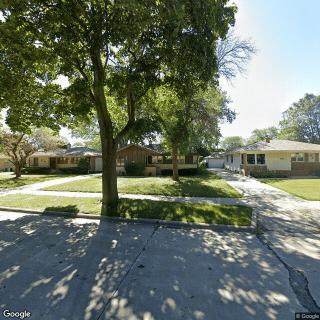

 Assisted Living Support for Veterans: A Complete and Detailed Overview
 Exploring the Contrasts Between Assisted Living and Skilled Nursing
 8 Key Indicators That Suggest It May Be Time to Transition from Assisted Living to Skilled Nursing Care