
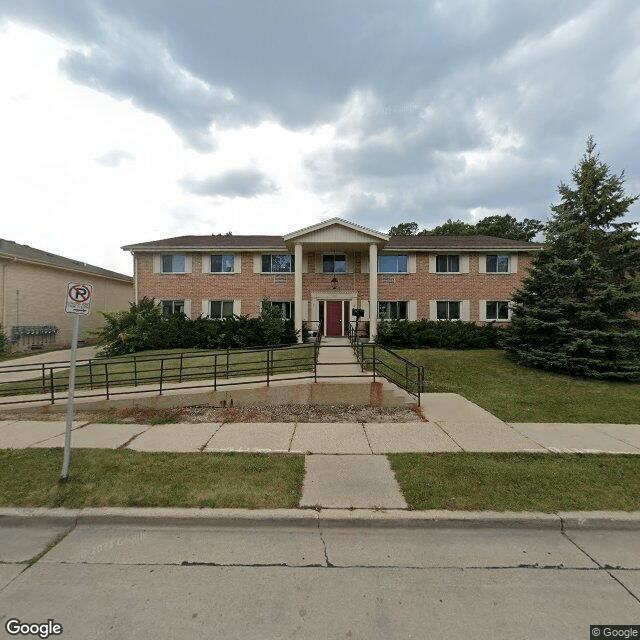
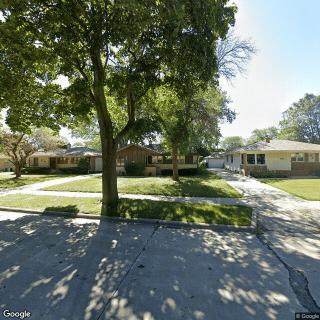
4265 North 104 Th Street, Milwaukee, WI 53222
For more information about senior living options: (866) 208-4318
Grantosa Home Costs & Pricing
Grantosa Home offers competitive pricing for its studio accommodations, with a monthly cost of $3,400. This rate is significantly lower than the average costs in Milwaukee County, which stands at $3,841, and even more so compared to the overall state average of $3,999 for similar living arrangements. By choosing Grantosa Home, residents can benefit from quality care and a welcoming environment while enjoying substantial savings compared to both county and state averages. This affordability positions Grantosa Home as an attractive option for those seeking comfort and community without straining their budgets.
| Floor plans | Grantosa Home | Milwaukee County | Wisconsin |
|---|---|---|---|
| Studio | $3,400 | $3,841 | $3,999 |
Memory care communities with a similar price nearby
-
About the same
Dolphin Manor
$3,500 / month24.4 miles away -
from -$300 / mo
Serenity Villa
$3,100 to $5,500 / month19.2 miles away -
from -$250 / mo
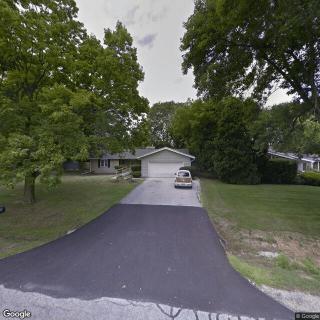
Home Share North Shore House
$3,150 / month7.6 miles away -
from -$310 / mo
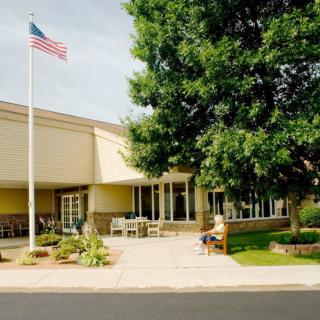
Wellington Place at Hartford
$3,090 to $4,020 / month22.1 miles away -
from +$650 / mo
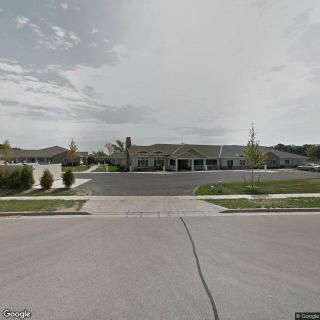
Waterford Senior Living
$4,050 to $5,450 / month24.5 miles away
Overall Review of Grantosa Home
Pros
 The facility is a clean, family-oriented group home that truly cares about its residents.
- It offers fun planned activities and meals eaten together, adding to a homey atmosphere.
- It provides quality care with caring staff.
- The residents are seen enjoying a variety of activities and appear well cared for and content.
- The staff are attentive and helpful, taking the time to learn residents' names and preferences.
- The environment is welcoming, with staff providing tours, snacks, and guidance to families seeking the right location.
- The ownership and leadership are supportive, and staff look out for residents and their families.
Cons
 One resident frequently told him to cut his hair, calling him a punk.
Review
Grantosa Home in Milwaukee is best suited for families seeking a warm, close-knit, home-like assisted living where residents are known by name, daily routines are shared, and caregiving feels personal. The community functions as a small, family-oriented group home with hands-on leadership from nurses and a staff that keeps residents engaged through structured activities and shared meals. For older adults who value companionship, predictable daily rhythms, and a sense of belonging, Grantosa delivers an atmosphere where residents appear content, well-cared-for, and emotionally supported by people who treat care as a calling rather than a transaction.
Those considering alternatives should note that Grantosa’s model may not fit every care scenario. For residents requiring high-acuity medical oversight, comprehensive memory-care programming, or a campus with extensive on-site clinical resources, a larger, more clinical setting could be a better fit. This is not a facility designed to substitute for hospital-level care or to meet complex rehabilitation needs on a 24/7 basis. Families facing advanced dementia, significant mobility challenges, or the need for specialized therapies may find more appropriate options elsewhere.
The strongest positives hinge on genuine warmth, reliability, and social vibrancy. Cleanliness and a proven, family-oriented culture create trust from day one. The 24-hour staffing provides dependable supervision and rapid response, which is especially reassuring after a fall or during nights when mobility concerns arise. Residents are invited to participate in a robust slate of activities, cookie decorating, carol sing-alongs, puzzles, and projects that emphasize familiar, meaningful routines. Across locations, the staff and owners cultivate a sense of community as a real asset, not merely a service.
This practical care model can feel like a significant offset to any potential downsides. The intimate scale means staff can tailor engagement to individual preferences, something that larger operations often struggle to preserve. The availability of two Milwaukee-area homes adds continuity and flexibility, allowing transitions within a familiar care framework if needs evolve. The owner-operators’ hands-on approach further strengthens trust, with anecdotal notes from volunteers and interns underscoring a culture of respect, teamwork, and resident-centered decision-making. For families prioritizing relational care, these factors frequently outweigh the limitations of a smaller footprint.
In deciding, the visit and conversation become decisive. Prospective families should scrutinize staff-to-resident ratios across day and night shifts, how care plans are developed and updated, and how respite needs are managed when a temporary supervisor is required after a fall. The ability to observe activities in real time, speak with caregivers about how they tailor routines, and even meet staff who know residents by name matters greatly. It’s also wise to explore how transfers between the Bluemound and Wauwatosa locations work in practice, and whether family participation in meals, outings, and planning is supported. The answers will reveal whether Grantosa can sustain the level of daily connection that already resonates with current residents and their families.
Bottom line: Grantosa Home offers an unusually personable, high-touch option for families seeking a small, home-like environment where residents thrive on camaraderie, consistent staffing, and purposeful activity. It shines for seniors who prize belonging, predictable routines, and the reassurance of 24-hour care delivered with evident care and professionalism. Those needing intensive medical services, dementia-focused programming, or a larger, institutional setting should look elsewhere. For priority-driven decisions, a thoughtful visit, direct dialogue with the owner, and a careful review of care planning and transfer options will determine whether Grantosa meets the practical and emotional needs of the prospective resident.
 20 resident community capacity
 Assisted Living
 Board and Care Home
 Memory Care
 Activities on-site
 Beauty salon
 Cable or satellite TV
 Devotional services off-site
 Dining room
 Fully furnished
 Garden
 Housekeeping services
 Indoor common areas
 Kitchenette
 Move-in coordination
 Outdoor space
 Telephone
 Wi-Fi/high-speed internet available
 General Mitchell International (13 miles away)
 24-hour call system
 Ambulatory care
 Assistance with bathing
 Assistance with dressing
 Assistance with transfers
 Diabetes diet
 Diabetic care
 Hospice waiver
 Incontinence care
 Meal preparation and service
 Medication management
 Mental wellness program
 Special dietary restrictions
 Transportation arrangement (medical)
 Transportation to doctors appointments
 Are Dementia and Alzheimer's Disease Lethal? A Comprehensive Exploration
 Exploring the Power of Reminiscence Therapy for Individuals With Dementia
 An In-Depth Look at Reminiscence Therapy in Dementia Care