Family Ties in Milwaukee, WI

10512 West Greenfield Avenue, Milwaukee, WI 53214

For more information about senior living options: (844) 490-3973

3 from 2 reviews
Assisted Living

Overall Review of Family Ties

Pros

  • pro The organization has drive and passion for children.
  • pro The organization is dedicated to advocating for children.
  • pro The reviewer found the advocacy for their son to be effective.
  • pro The reviewer was not disappointed with the organization's services.

Review

Best suited for families that prize advocacy and active involvement in a resident's plan of care, Family Ties presents a culture where staff are seen as relentless champions of those they serve. The only detailed feedback focuses on the organization's drive and passion for children, and the reviewer notes successfully engaging them as an advocate for a family member. In senior living terms, that signals a team inclined to mobilize resources, push for appropriate services, and keep families in the loop as care plans evolve. For seniors who benefit from aggressive advocacy and transparent, hands-on collaboration with care partners, this community appears to offer one of the more engaged, relationship-forward environments in Milwaukee.

Those who should consider alternatives are families seeking a traditional clinical setting with clearly defined geriatric care credentials and a long track record in memory care or rehabilitation. The rating profile is mixed (3 out of 5, from two reviews), and the data available do not provide a clear baseline for clinical outcomes, staffing ratios, or daily routines. For residents who require steady medical oversight, predictable programming, or a fixed approach to care, other communities with established elder-care specialties may offer more predictable experiences and documented standards of practice.

From the available signal, the hallmark is advocacy orientation and family-aligned problem solving. Pros include potential for high responsiveness, strong communication with families, and a willingness to escalate concerns until outcomes improve. That energy can offset some conventional gaps - such as limited public data on services - by ensuring issues get prioritized. In practice, this means residents may receive tailored attention, particularly when family members are actively involved. However, the lack of explicit senior-care credentials in the public reviews means this advantage is contingent on leadership and on the specific staff team in place at any given time.

The main concerns center on the absence of concrete elder-care metrics in the reviews. The 3/5 rating suggests inconsistent experiences, and without details on staffing, safety, activities, or clinical oversight, families cannot assume a standard level of care. If a resident needs regular medical management, physical therapy, memory-care programming, or structured daily routines, the community's advocacy-heavy approach may be excellent for advocating needed services but could fall short without clear clinical protocols and oversight. The risk is that advocacy momentum alone cannot substitute for consistent, licensed care or for a transparent, evidence-based care model.

During tours and conversations, prioritize questions about elder-care credentials: licensing and certifications; whether memory-care or skilled-nursing services exist on site; staff-to-resident ratios; availability of full-time social workers or care coordinators; processes for care planning and family meetings; how emergencies are managed; partnerships with physicians or home-health agencies; transparency about fees and contracts; and the resident grievance process. Observe staff interactions: do they listen, document preferences, and follow through? Ask to speak with current residents or families about responsiveness and consistency. Demand clarity on what is included in the base rate and what requires add-ons. Secure written policies on safeguarding, transportation, and activity programming to gauge day-to-day reliability.

Bottom line and decision direction: Family Ties could be an excellent match for families that want an actively engaged partner who will fight for resident needs, keep family members in the loop, and drive care decisions with zeal. The asset is unmistakable advocacy energy and a culture that values family involvement. The caveat is the limited, unclear elder-care data and the possibility of uneven experiences given the current rating pattern. For seniors whose priority is a predictable clinical program with clear outcomes and fewer variables tied to advocacy, the prudent move is to compare with other Milwaukee communities that showcase strong geriatric care credentials. Visit, ask hard questions, and align the choice with the resident's care needs and the family's tolerance for advocacy-oriented care.

Features

Housing

  • 3 resident community capacity 3 resident community capacity

Types of Care

  • Assisted Living Assisted LivingAssisted living facilities provide crucial support and care for seniors who may need help with daily tasks such as medication management, bathing, and meal preparation. These communities offer a safe and comfortable environment where seniors can maintain their independence while receiving the assistance they need to thrive in their golden years.

Amenities

  • Cable or satellite TV Cable or satellite TVCable or satellite TV is important for seniors because it provides entertainment, news, and companionship, helping to combat loneliness and boredom. It also offers a wide range of programming options tailored to different interests and preferences.
  • Dining room Dining roomDining rooms are important for seniors as they provide a space for socialization, connection, and nutritious meals. They offer opportunities for residents to bond over shared meals, foster a sense of community, and promote healthy eating habits. Dining rooms also ensure that seniors have access to well-balanced meals tailored to their dietary needs and preferences.
  • Fully furnished Fully furnishedFully furnished senior living communities are important for seniors because they provide convenience, comfort, and a hassle-free moving experience. Seniors can easily settle into their new living space without the stress of having to buy and move furniture. This allows them to focus on enjoying their new home and community.
  • Garden GardenGardens are important for seniors as they provide a peaceful and therapeutic environment for relaxation, physical activity, and socialization. Being in nature has been shown to reduce stress, improve mood, and promote overall well-being. Gardens also offer opportunities for seniors to engage in gardening activities, which can improve mobility, flexibility, and cognitive function. Additionally, gardens create a sense of community and connection with others who share a passion for plants and outdoor spaces.
  • Housekeeping services Housekeeping servicesHousekeeping services are important for seniors because they help maintain a clean and safe living environment, promote independence, and reduce the risk of accidents or illnesses. Additionally, having assistance with household chores can alleviate physical strain and allow seniors to focus on other aspects of their well-being.
  • Move-in coordination Move-in coordinationMove-in coordination is important for seniors because it helps ease the transition into their new living environment. It ensures that all logistics, such as packing, organizing movers, and setting up utilities are taken care of, allowing seniors to focus on settling in and adjusting to their new home. Having a smooth move-in process can alleviate stress and anxiety, making the transition smoother and more enjoyable for seniors.
  • Outdoor space Outdoor spaceOutdoor spaces are important for seniors as they provide opportunities for physical activity, social interaction, exposure to natural light and fresh air, and a sense of connection to nature. Having access to outdoor spaces can improve overall well-being and quality of life for older adults living in senior communities.
  • Telephone TelephoneTelephones are important for seniors as they provide a lifeline for communication with loved ones, emergency services, and healthcare providers. They offer a sense of security and independence, enabling seniors to stay connected and access assistance when needed.
  • Wi-Fi/high-speed internet available Wi-Fi/high-speed internet availableWi-Fi/high-speed internet is important for seniors to stay connected with loved ones, access online resources, and participate in virtual activities to combat feelings of loneliness and isolation. It also allows them to easily manage healthcare needs, access entertainment, and engage in lifelong learning opportunities.

Transportation

  • General Mitchell International (9 miles away) General Mitchell International (9 miles away)

Care Services

  • 24-hour supervision 24-hour supervision24-hour supervision is important for seniors to ensure their safety, well-being, and access to immediate assistance in case of emergencies or health issues. This constant support provides peace of mind for both seniors and their loved ones, allowing them to age in place with dignity and security.
  • Activities of daily living assistance Activities of daily living assistanceActivities of daily living assistance are important for seniors because they provide essential support with tasks such as eating, bathing, dressing, and mobility. This assistance helps seniors maintain their independence, dignity, and overall quality of life as they age.
  • Assistance with bathing Assistance with bathingAssistance with bathing is crucial for seniors as it helps maintain personal hygiene, prevents infections, and ensures their overall well-being and comfort. It also provides a sense of dignity and independence for seniors who may struggle with this task on their own.
  • Assistance with dressing Assistance with dressingAssistance with dressing is important for seniors because it helps maintain their independence, promotes personal hygiene, prevents accidents and injuries, and improves overall quality of life. This service ensures that seniors can continue to dress comfortably and confidently, despite any physical limitations they may have.
  • Assistance with transfers Assistance with transfersAssistance with transfers is crucial for seniors as it helps prevent falls and injuries, maintains their independence, and ensures they can safely navigate their living environment. It also provides peace of mind for both seniors and their loved ones.
  • Coordination with health care providers Coordination with health care providersCoordination with health care providers is crucial for seniors to ensure proper medical care, medication management, and overall well-being. This collaboration helps prevent overlapping treatments, track progress more effectively, and provide comprehensive support tailored to individual needs.
  • Diabetes diet Diabetes dietA diabetes diet is crucial for seniors as it helps manage blood sugar levels, reduce risks of complications, and improve overall health and well-being. By following a balanced and nutritious diet tailored to their specific needs, seniors can better control their diabetes and enhance their quality of life.
  • Meal preparation and service Meal preparation and serviceMeal preparation and service are crucial for seniors as they may have limited mobility or energy to cook nutritious meals. Having access to healthy and convenient food options can ensure they are getting the proper nutrition needed to maintain their overall health and well-being.
  • Medication management Medication managementMedication management is crucial for seniors to ensure they are taking the right medications at the correct dosages and times. This helps prevent adverse drug interactions, reduces the risk of medication errors, and promotes overall health and well-being. Proactive management also allows for adjustments as needed based on changing health conditions or new prescriptions.
  • Special dietary restrictions Special dietary restrictionsSpecial dietary restrictions are important for seniors because age-related changes in metabolism and health conditions can make it difficult for their bodies to process certain foods. By following a diet tailored to their specific needs, seniors can maintain their overall health and well-being, manage chronic conditions, and reduce the risk of complications such as malnutrition or food interactions with medications.
  • Transportation arrangement (medical) Transportation arrangement (medical)Transportation arrangements for medical purposes are essential for seniors as they may have difficulty driving themselves to appointments or accessing public transportation. Having reliable and safe transportation options ensures that seniors can receive timely medical care and maintain their health and well-being.
  • Transportation to doctors appointments Transportation to doctors appointmentsTransportation to doctors' appointments is crucial for seniors as it ensures they have access to necessary medical care and support for their health needs. Without reliable transportation, seniors may struggle to attend important appointments, leading to potential delays in treatment and health complications. Providing transportation services helps seniors maintain their overall well-being and quality of life.

Dining

  • Diabetes diet Diabetes dietA diabetes diet is crucial for seniors as it helps manage blood sugar levels, reduce risks of complications, and improve overall health and well-being. By following a balanced and nutritious diet tailored to their specific needs, seniors can better control their diabetes and enhance their quality of life.
  • Special dietary restrictions Special dietary restrictionsSpecial dietary restrictions are important for seniors because age-related changes in metabolism and health conditions can make it difficult for their bodies to process certain foods. By following a diet tailored to their specific needs, seniors can maintain their overall health and well-being, manage chronic conditions, and reduce the risk of complications such as malnutrition or food interactions with medications.

Activities

  • Community-sponsored activities Community-sponsored activitiesCommunity-sponsored activities are important for seniors as they provide opportunities for social interaction, mental stimulation, and physical activity. These activities can help improve overall well-being, combat loneliness and isolation, and promote a sense of belonging and purpose among older adults.
  • Scheduled daily activities Scheduled daily activitiesScheduled daily activities are important for seniors because they provide structure, socialization, mental stimulation, and physical activity. Engaging in regular activities can improve overall well-being and quality of life for seniors living in a community setting.

Description

Welcome to Family Ties in Milwaukee, WI! Our assisted living community offers a wide range of amenities and care services to ensure the comfort and well-being of our residents.

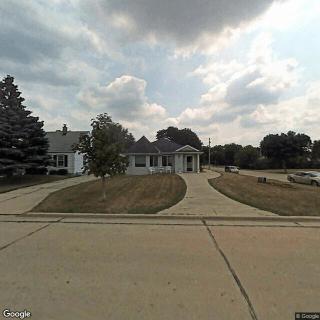
Our spacious dining room provides a pleasant setting for meals, which are prepared and served by our dedicated staff. The community is fully furnished, allowing residents to move in with ease. The beautiful garden and outdoor space provide opportunities for relaxation and enjoyment of nature.

We understand the importance of maintaining a clean and organized living environment, which is why we offer housekeeping services to our residents. Additionally, our move-in coordination service helps make the transition into our community as smooth as possible.

Staying connected is important in today's world, which is why we provide telephone and Wi-Fi/high-speed internet access to our residents. This allows them to easily communicate with loved ones and engage in online activities.

Our caring staff is trained to assist with various activities of daily living, including bathing, dressing, and transfers. We also coordinate with health care providers to ensure that each resident receives the necessary medical attention. For those with diabetes or special dietary restrictions, we provide specialized meal options that cater to their needs.

Transportation can be arranged for medical purposes, including transportation to doctors' appointments. Nearby amenities include cafes, parks, pharmacies, physicians' offices, restaurants, places of worship,and hospitals - ensuring easy access to a variety of services.

To promote an active lifestyle among our residents, we offer scheduled daily activities that cater to different interests and preferences. Whether it's participating in group exercises or engaging in hobbies like crafts or games, there's something for everyone at Family Ties.

Come join us at Family Ties in Milwaukee and experience a warm and supportive community where your well-being is our top priority.

Nearby Places of Interest

Cafes

  • Starbucks (0.2 miles)
  • Starbucks (1.9 miles)
  • Starbucks (3 miles)
  • Starbucks (4.4 miles)
  • Panera Bread (5.4 miles)
  • Starbucks (5.4 miles)

Restaurants

  • McDonald's (0.2 miles)
  • Brass Monkey (0.9 miles)
  • Danny Lynch's (1 miles)
  • O'Connor's Perfect Pint (1.3 miles)
  • McDonald's (1.4 miles)
  • Paulie's Pub & Eatery (1.6 miles)
  • Taco Bell (1.7 miles)

Pharmacies

  • CVS Pharmacy (0.8 miles)
  • Walgreens (1.4 miles)
  • CVS Pharmacy (1.4 miles)
  • Walgreens (1.5 miles)
  • Aurora Pharmacy (2.1 miles)
  • Walgreens (2.2 miles)
  • CVS Pharmacy (2.3 miles)

Physicians

  • Lincoln Avenue Clinic (1.1 miles)
  • Aurora Health Center (1.9 miles)
  • Froedtert Hospital (1.9 miles)
  • Froedtert Clinical Cancer Center (1.9 miles)
  • Oklahoma Pediatrics-Children's Wisconsin (2.2 miles)
  • Maplewood Center (2.2 miles)
  • Prohealth Care Medical Centers (3 miles)

Hospitals

  • Rogers Memorial Hospital (1.1 miles)
  • Froedtert Pavilion (2 miles)
  • Surgicenter - Children's Wisconsin (2.1 miles)
  • Aurora Psychiatric Hospital (2.7 miles)
  • Aurora St Luke's Medical Center (5.1 miles)
  • Wheaton Franciscan - St. Joseph Campus (5.2 miles)

Parks

  • Greenfield Park (1.4 miles)
  • Wil-O-Way Underwood Park (2.5 miles)
  • West Allis West Milwaukee Recr (2.6 miles)
  • Hoyt Park (2.8 miles)
  • Elm Grove Village Park (3 miles)
  • Dousman Stage Coach Inn Museum (3.7 miles)
  • The Big Backyard (3.9 miles)

Places of Worship

  • Honey Creek Church (2 miles)
  • Northwest Baptist Church (5.6 miles)

Theaters

  • Ridge Cinema New Berlin, Wi (5.6 miles)

Frequently Asked Questions

Where is Family Ties?

Nearby Communities

  • Greenfield House

    Greenfield House

    West Allis, WI


    pro Small, intimate, fully furnished with comprehensive care and services.

  • Jacobs Corner

    Jacobs Corner

    Milwaukee, WI


    pro Memory care with 24/7 supervision and coordinated transportation.

  • Lordan Care Adult Family Home

    Lordan Care Adult Family Home

    Milwaukee, WI


    pro Small, homelike setting with personalized care and comprehensive daily living support.

  • Ruby Castle

    Ruby Castle

    Milwaukee, WI

     
    $4,000 to $4,250 / month

    pro Small, intimate community with memory care options and competitive pricing.

  • Helping Hands Community

    Helping Hands Community

    West Allis, WI

    4.8 from 23 reviews
     

    pro Fully furnished assisted living with meals, housekeeping, ADL support, healthcare coordination, transportation, and a warm environment.

  • Serenity Gardens Family Home

    Serenity Gardens Family Home

    West Allis, WI


    pro Small, intimate assisted living with tailored care and diabetes-friendly meals.

  • Heritage West Allis

    Heritage West Allis

    Milwaukee, WI

    4 from 85 reviews
    $4,695 to $5,095 / month

    pro Beautiful, welcoming setting with engaging activities and smooth move-in support.

  • Noble Senior Living at West Allis

    Noble Senior Living at West Allis

    Milwaukee, WI

    3.1 from 21 reviews
    $2,650 to $4,425 / month

    pro Caring, attentive staff with engaging activities and a well-equipped memory-care area.

  • Visiting Angels

    Visiting Angels

    Milwaukee, WI

    3.4 from 9 reviews
     

    pro Large, dedicated staff delivering professional, compassionate care with flexible options and reasonable prices.

Related Resources

  • active senior livingVibrant Senior Living: A Comprehensive Guide for Active Older Adults

    Vibrant Senior Living emphasizes active senior living communities that promote independence and engagement through diverse amenities and activities, fostering wellness and social interaction among older adults. These communities range from independent to assisted living, with a focus on personal growth, family involvement, financial planning, and leveraging technology to enhance residents' experiences.

  • when to move from assisted living to memory careWhen to Transition from Assisted Living to Memory Care: Key Indicators, Steps, and Finding the Right Community

    Transitioning from assisted living to memory care is driven by an individual's cognitive decline and specific needs, requiring careful evaluation of indicators like increased confusion and wandering. The process involves consulting medical professionals, researching suitable communities, considering financial and legal aspects, and ensuring effective communication for personalized care plans.

  • assisted living vs memory careAssisted Living and Memory Care: Understanding Their Core Differences

    Assisted living provides moderate support for seniors seeking independence, while memory care offers specialized support for individuals with dementia or cognitive impairments through structured routines and trained staff. Key differences include care approaches, environment security measures, staff training levels, activity types, and cost considerations.