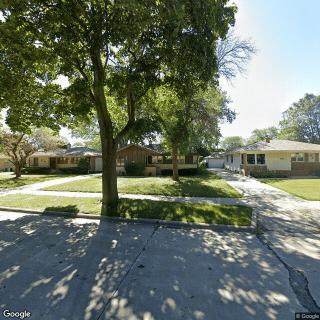
Care Assisted Living Facility in Milwaukee, WI

Information last verified:

4528 West Keefe Avenue, Milwaukee, WI 53224

For more information about senior living options: (844) 490-3973

4.9 from 71 reviews
5 stars
69
4 stars
0
3 stars
1
2 stars
0
1 stars
1

Seniors.FYI Elite Community Awards

Top 5% Senior Living Community in 2023Top 5% Senior Living Community in 2024Top 5% Senior Living Community in 2025Top 5% Senior Living Community in 2026

Add this award to your website

Overall Review of Care Assisted Living Facility

Pros

  • pro Emily is an absolute dream at helping families find assisted living facilities; her knowledge and recommendations are second to none.
  • pro Tracey is exceptionally helpful during stressful transitions, providing guidance, research, and ongoing support.
  • pro Erin Brannan is fantastic at narrowing down options, booking tours, and reducing stress during difficult times.
  • pro Jill Becker Esser is a wonderful support, offering kindness, compassion, and practical assistance in finding a home.
  • pro Nicole Fraser is a tremendous asset in guiding families through complex care decisions and post-discharge steps.
  • pro Chad Ramsay is an excellent resource—highly knowledgeable and attentive in locating the right facility.
  • pro Dawn Spencer is a pleasure to work with, helping families find independent living efficiently.
  • pro Lisa and Colleen go the extra mile with open-hearted, personalized service to find the right community.
  • pro Julie is a compassionate, attentive coordinator who helps families through tours and decision-making.

Cons

  • pro The family was left in a lurch when Tracy quit mid-process and Nicole did very little and was unresponsive.
  • pro The home health referral turned out to be a bad fit, and the agency raised prices without warning.
  • pro The reviewer felt the facility they moved to was negligent, and CarePatrol was blamed for not knowing the true state of things there.
  • pro The reviewer was annoyed by ongoing email requests to leave a review.
  • pro The process caused delays and reduced confidence due to staff turnover and unresponsive assistance.

Review

CarePatrol’s Milwaukee offering is best suited for families facing an urgent or looming transition to assisted living or memory care and who want a seasoned advocate to cut through the maze. This community, through CarePatrol’s local experts, delivers a practical, step-by-step path: clarifying care levels, identifying facilities that truly fit physical, cognitive, and financial needs, and coordinating tours with written comparisons. The core value is hands-on guidance that stays with the family from the first call through moving day, with trusted advisors who repeatedly prove they can reduce stress during an exceptionally stressful period.

That said, some families may want alternatives. A few reviews note turnover and inconsistent point-people, which can create lurches in the process if a single advisor doesn’t stay engaged. Another caution is the occasional mismatch between a referral and expectations, or a referral to ancillary services that falter (pricing changes or logistics that don’t pan out). For families who insist on total DIY control, or who require uninterrupted, single-point accountability from start to finish with zero turnover risk, proceeding without a placement partner may feel safer. In those cases, direct facility outreach and self-guided tours are reasonable alternatives, though they cost families more time and guesswork.

The strongest pros center on disciplined, client-centered execution. Advisors consistently step in to narrow options, book tours, attend visits, and translate complex terms into apples-to-apples comparisons. They map a plan around physical needs, social opportunities, finances, and future contingencies, then shepherd families through questions that often get overlooked. The most powerful advantage is the “hands-on” support: coordinating movers, providing moving-company contacts, and offering post-move follow-up to ensure the new arrangement truly meets expectations. Families repeatedly describe advisors as compassionate, patient, and incredibly knowledgeable, traits that turn overwhelming decisions into manageable, executable steps.

Crucially, the service’s strengths offset the main drawbacks through reliability and depth of local knowledge. Even when a care coordinator changes, the Milwaukee team demonstrates an ability to mobilize quickly, maintain momentum, and keep conversations productive. The emphasis on memory care and post-discharge navigation is particularly valuable: families report help deciphering levels of care, understanding terminology, and coordinating with hospital discharge, hospice, or elder-law resources. The ability to arrange multiple tours, take structured notes, and guide conversations helps families compare options with confidence rather than guesswork.

Memory care, post-acute transitions, and near-home accessibility are consistently highlighted as decisive benefits. Advisors routinely place families in communities that align with near by visitation needs, specialized dementia care, and the ability to manage frequent transitions without losing family involvement. In many cases, advisors accompany families on tours, ask critical questions, and ensure the final choice reflects both current needs and future resilience. Reviews repeatedly commend the team for staying engaged once a placement is made, including follow-up visits and ongoing support as the care needs evolve.

Ultimately, this Milwaukee-focused CarePatrol service represents a practical, proven ally for families pursuing senior living placements. The near-universal 5-star sentiment, bolstered by numerous testimonials praising Emily, Tracey, Jill, Erin, and others, underscores a track record of finding high-quality facilities efficiently and compassionately. For those who need clarity, speed, and a trustworthy process in a market that too often feels opaque, engaging this service is a strong, low-risk bet. The real-world takeaway: lean into a dedicated advisor, demand continuity of care, and let the team translate complexity into a concrete, moving-ready plan.

Features

Housing

  • 4 resident community capacity 4 resident community capacity

Types of Care

  • Assisted Living Assisted LivingAssisted living facilities provide crucial support and care for seniors who may need help with daily tasks such as medication management, bathing, and meal preparation. These communities offer a safe and comfortable environment where seniors can maintain their independence while receiving the assistance they need to thrive in their golden years.
  • Board and Care Home Board and Care HomeBoard and care homes provide a smaller, more intimate setting for seniors who require assistance with daily tasks but do not need the level of care offered by a nursing home. They offer personalized care, meals, and social activities in a homelike environment, ensuring that seniors receive individualized attention and support in their golden years.
  • Memory Care Memory CareMemory care is crucial for seniors as it provides specialized support and services for individuals with dementia or Alzheimer's disease. These programs offer a safe and secure environment where residents receive personalized care, cognitive stimulation, and help with daily activities. Memory care helps seniors maintain their independence, quality of life, and dignity while also providing peace of mind for their families.

Amenities

  • Cable or satellite TV Cable or satellite TVCable or satellite TV is important for seniors because it provides entertainment, news, and companionship, helping to combat loneliness and boredom. It also offers a wide range of programming options tailored to different interests and preferences.
  • Dining room Dining roomDining rooms are important for seniors as they provide a space for socialization, connection, and nutritious meals. They offer opportunities for residents to bond over shared meals, foster a sense of community, and promote healthy eating habits. Dining rooms also ensure that seniors have access to well-balanced meals tailored to their dietary needs and preferences.
  • Fully furnished Fully furnishedFully furnished senior living communities are important for seniors because they provide convenience, comfort, and a hassle-free moving experience. Seniors can easily settle into their new living space without the stress of having to buy and move furniture. This allows them to focus on enjoying their new home and community.
  • Garden GardenGardens are important for seniors as they provide a peaceful and therapeutic environment for relaxation, physical activity, and socialization. Being in nature has been shown to reduce stress, improve mood, and promote overall well-being. Gardens also offer opportunities for seniors to engage in gardening activities, which can improve mobility, flexibility, and cognitive function. Additionally, gardens create a sense of community and connection with others who share a passion for plants and outdoor spaces.
  • Housekeeping services Housekeeping servicesHousekeeping services are important for seniors because they help maintain a clean and safe living environment, promote independence, and reduce the risk of accidents or illnesses. Additionally, having assistance with household chores can alleviate physical strain and allow seniors to focus on other aspects of their well-being.
  • Move-in coordination Move-in coordinationMove-in coordination is important for seniors because it helps ease the transition into their new living environment. It ensures that all logistics, such as packing, organizing movers, and setting up utilities are taken care of, allowing seniors to focus on settling in and adjusting to their new home. Having a smooth move-in process can alleviate stress and anxiety, making the transition smoother and more enjoyable for seniors.
  • Outdoor space Outdoor spaceOutdoor spaces are important for seniors as they provide opportunities for physical activity, social interaction, exposure to natural light and fresh air, and a sense of connection to nature. Having access to outdoor spaces can improve overall well-being and quality of life for older adults living in senior communities.
  • Telephone TelephoneTelephones are important for seniors as they provide a lifeline for communication with loved ones, emergency services, and healthcare providers. They offer a sense of security and independence, enabling seniors to stay connected and access assistance when needed.
  • Wi-Fi/high-speed internet available Wi-Fi/high-speed internet availableWi-Fi/high-speed internet is important for seniors to stay connected with loved ones, access online resources, and participate in virtual activities to combat feelings of loneliness and isolation. It also allows them to easily manage healthcare needs, access entertainment, and engage in lifelong learning opportunities.

Transportation

  • General Mitchell International (10 miles away) General Mitchell International (10 miles away)

Care Services

  • 24-hour supervision 24-hour supervision24-hour supervision is important for seniors to ensure their safety, well-being, and access to immediate assistance in case of emergencies or health issues. This constant support provides peace of mind for both seniors and their loved ones, allowing them to age in place with dignity and security.
  • Activities of daily living assistance Activities of daily living assistanceActivities of daily living assistance are important for seniors because they provide essential support with tasks such as eating, bathing, dressing, and mobility. This assistance helps seniors maintain their independence, dignity, and overall quality of life as they age.
  • Assistance with bathing Assistance with bathingAssistance with bathing is crucial for seniors as it helps maintain personal hygiene, prevents infections, and ensures their overall well-being and comfort. It also provides a sense of dignity and independence for seniors who may struggle with this task on their own.
  • Assistance with dressing Assistance with dressingAssistance with dressing is important for seniors because it helps maintain their independence, promotes personal hygiene, prevents accidents and injuries, and improves overall quality of life. This service ensures that seniors can continue to dress comfortably and confidently, despite any physical limitations they may have.
  • Assistance with transfers Assistance with transfersAssistance with transfers is crucial for seniors as it helps prevent falls and injuries, maintains their independence, and ensures they can safely navigate their living environment. It also provides peace of mind for both seniors and their loved ones.
  • Coordination with health care providers Coordination with health care providersCoordination with health care providers is crucial for seniors to ensure proper medical care, medication management, and overall well-being. This collaboration helps prevent overlapping treatments, track progress more effectively, and provide comprehensive support tailored to individual needs.
  • Dementia waiver Dementia waiverDementia waivers are essential for seniors as they provide critical protections and accommodations for those experiencing cognitive decline. These waivers ensure individuals with dementia receive appropriate care, support, and resources to maintain their quality of life and dignity as they navigate the challenges of this progressive condition.
  • Diabetes diet Diabetes dietA diabetes diet is crucial for seniors as it helps manage blood sugar levels, reduce risks of complications, and improve overall health and well-being. By following a balanced and nutritious diet tailored to their specific needs, seniors can better control their diabetes and enhance their quality of life.
  • Hospice waiver Hospice waiverHospice waivers are important for seniors because they allow individuals to receive specialized end-of-life care and support at home or in a hospice facility. This waiver ensures that seniors can access the necessary resources and services to maintain comfort and dignity during their final days.
  • Meal preparation and service Meal preparation and serviceMeal preparation and service are crucial for seniors as they may have limited mobility or energy to cook nutritious meals. Having access to healthy and convenient food options can ensure they are getting the proper nutrition needed to maintain their overall health and well-being.
  • Medication management Medication managementMedication management is crucial for seniors to ensure they are taking the right medications at the correct dosages and times. This helps prevent adverse drug interactions, reduces the risk of medication errors, and promotes overall health and well-being. Proactive management also allows for adjustments as needed based on changing health conditions or new prescriptions.
  • Mental wellness program Mental wellness programMental wellness programs are essential for seniors as they promote cognitive stimulation, emotional support, and social engagement. These programs help prevent isolation, depression, and cognitive decline, ultimately enhancing the overall quality of life for older adults.
  • Mild cognitive impairment Mild cognitive impairment"Mild cognitive impairment" is important for seniors because it is an early stage of cognitive decline that can potentially progress to more severe conditions such as dementia. Recognizing and addressing mild cognitive impairment can help seniors receive appropriate care and support to maintain their quality of life and independence for as long as possible.
  • Special dietary restrictions Special dietary restrictionsSpecial dietary restrictions are important for seniors because age-related changes in metabolism and health conditions can make it difficult for their bodies to process certain foods. By following a diet tailored to their specific needs, seniors can maintain their overall health and well-being, manage chronic conditions, and reduce the risk of complications such as malnutrition or food interactions with medications.
  • Specialized memory care programming Specialized memory care programmingSpecialized memory care programming is crucial for seniors with cognitive impairments such as dementia or Alzheimer's disease. These programs provide a safe and supportive environment tailored to the unique needs of individuals with memory loss, helping them maintain their independence, dignity, and quality of life.
  • Transportation arrangement (medical) Transportation arrangement (medical)Transportation arrangements for medical purposes are essential for seniors as they may have difficulty driving themselves to appointments or accessing public transportation. Having reliable and safe transportation options ensures that seniors can receive timely medical care and maintain their health and well-being.
  • Transportation to doctors appointments Transportation to doctors appointmentsTransportation to doctors' appointments is crucial for seniors as it ensures they have access to necessary medical care and support for their health needs. Without reliable transportation, seniors may struggle to attend important appointments, leading to potential delays in treatment and health complications. Providing transportation services helps seniors maintain their overall well-being and quality of life.

Dining

  • Diabetes diet Diabetes dietA diabetes diet is crucial for seniors as it helps manage blood sugar levels, reduce risks of complications, and improve overall health and well-being. By following a balanced and nutritious diet tailored to their specific needs, seniors can better control their diabetes and enhance their quality of life.
  • Special dietary restrictions Special dietary restrictionsSpecial dietary restrictions are important for seniors because age-related changes in metabolism and health conditions can make it difficult for their bodies to process certain foods. By following a diet tailored to their specific needs, seniors can maintain their overall health and well-being, manage chronic conditions, and reduce the risk of complications such as malnutrition or food interactions with medications.

Activities

  • Community-sponsored activities Community-sponsored activitiesCommunity-sponsored activities are important for seniors as they provide opportunities for social interaction, mental stimulation, and physical activity. These activities can help improve overall well-being, combat loneliness and isolation, and promote a sense of belonging and purpose among older adults.
  • Scheduled daily activities Scheduled daily activitiesScheduled daily activities are important for seniors because they provide structure, socialization, mental stimulation, and physical activity. Engaging in regular activities can improve overall well-being and quality of life for seniors living in a community setting.

Description

Welcome to our Care Assisted Living Facility in Milwaukee, WI! We provide a warm and comfortable environment for individuals seeking board and care home services, as well as specialized memory care for those with dementia or mild cognitive impairment.

Our facility offers a range of amenities to ensure our residents have everything they need for a fulfilling and enjoyable stay. Our dining room provides delicious meals that cater to special dietary restrictions, ensuring that every resident receives the nutrition they require. Each living space is fully furnished, creating a cozy and inviting atmosphere. Our outdoor spaces and gardens offer opportunities for relaxation and fresh air, while our Wi-Fi/high-speed internet connection keeps residents connected to their loved ones.

We understand the importance of maintaining a clean living environment, which is why we offer housekeeping services to all residents. In addition, our dedicated staff is available to assist with daily activities such as bathing, dressing, and transfers. We also coordinate with healthcare providers to ensure that each resident receives the necessary medical attention.

For individuals requiring medication management or specialized memory care programming, our facility has staff trained in these areas. We also provide transportation arrangements for medical appointments and have nearby cafes, parks, pharmacies, physicians' offices, restaurants, places of worship, and hospitals for convenient accessibility.

To enhance mental wellness and promote social engagement, we offer scheduled daily activities for our residents. These activities aim to stimulate cognitive function while fostering meaningful connections between residents.

At our Care Assisted Living Facility in Milwaukee, WI, we prioritize the comfort and well-being of our residents. With a range of care services, amenities, nearby facilities/services locations ,we strive to create an enriching experience for each individual who calls our community home

Nearby Places of Interest

Pharmacies

  • Walgreens (0.6 miles)
  • Walgreens (2 miles)
  • Walgreens (2.1 miles)
  • CVS Pharmacy (2.3 miles)
  • Walgreens (2.8 miles)
  • Walgreens (3 miles)
  • Walgreens (3.1 miles)

Hospitals

  • Wheaton Franciscan - St. Joseph Campus (0.6 miles)
  • Aurora Psychiatric Hospital (3.2 miles)
  • Aurora Sinai Medical Center (3.5 miles)
  • Froedtert Pavilion (3.8 miles)

Restaurants

  • Checkers (1.9 miles)
  • Shark's Fish & Chicken (2.2 miles)
  • Leff's Lucky Town (2.9 miles)
  • McDonald's (3.3 miles)
  • Estabrook Beer Garden (3.4 miles)
  • Kopp's Frozen Custard (3.5 miles)
  • Company Brewing (3.6 miles)

Cafes

  • Starbucks (2.9 miles)
  • Starbucks (4 miles)
  • Colectivo Lakefront (4.7 miles)
  • Starbucks (4.8 miles)
  • Starbucks (5 miles)

Places of Worship

  • Redemption Lutheran Church (2.9 miles)
  • Northwest Baptist Church (3.1 miles)
  • Honey Creek Church (3.9 miles)

Parks

  • Hoyt Park (3.3 miles)
  • Estabrook Park (3.5 miles)
  • Kern Park (3.8 miles)
  • Wil-O-Way Underwood Park (4.1 miles)
  • Red Arrow Park (4.1 miles)
  • Atwater Park (4.9 miles)
  • Lakeshore State Park (4.9 miles)

Physicians

  • Froedtert Clinical Cancer Center (3.9 miles)
  • Aurora Advanced Healthcare (4 miles)
  • Froedtert Hospital (4 miles)
  • Aurora Nephrology (4.6 miles)
  • Aurora Health Center (4.7 miles)
  • Rheumatic Disease Center (5.2 miles)

Transportation

  • Milwaukee Intermodal Station (4.3 miles)
  • U-Haul Moving & Storage (4.6 miles)

Frequently Asked Questions

Where is Care Assisted Living Facility?
Does Care Assisted Living Facility provide care for residents with dementia or Alzheimer's disease?

Nearby Communities

  • Rosa Lee Adult Family Homes

    Rosa Lee Adult Family Homes

    Milwaukee, WI


    pro Small, homelike board-and-care with memory care and comprehensive daily support.

  • Serenity Housing

    Serenity Housing

    Milwaukee, WI


    pro Fully furnished units with Wi-Fi and diet-friendly dining options.

  • Catchucare Services

    Catchucare Services

    Milwaukee, WI


    pro Fully furnished, diabetes-focused assisted living with 24/7 supervision and comprehensive care.

  • Moore Blessings Adult Family Home

    Moore Blessings Adult Family Home

    Milwaukee, WI


    pro Intimate, small-capacity setting with 24/7 supervision and memory care.

  • Grace Supportive Living Services

    Grace Supportive Living Services

    Milwaukee, WI

    2.6 from 5 reviews
     

    pro Small, memory-focused community with 24-hour supervision and coordinated healthcare.

  • Emerge Home Care And Supportive Living

    Emerge Home Care And Supportive Living

    Milwaukee, WI

    5 from 4 reviews
     

    pro Homelike setting with personalized, comprehensive care and engaging daily activities.

  • Jefferson Crest III Yellow Rose

    Jefferson Crest III Yellow Rose

    Milwaukee, WI

    2.3 from 3 reviews
     

    pro Diabetes-focused assisted living with devotional services and comfortable social spaces.

  • Hart Park Square

    Hart Park Square

    Wauwatosa, WI

    4.6 from 59 reviews
    $1,695 to $2,415 / month

    pro Friendly staff and a warm, sociable community with good dining.

  • Hawthorne Terrace Apartments

    Hawthorne Terrace Apartments

    Wauwatosa, WI

    4.9 from 73 reviews
    $860 to $1,220 / month

    pro On-site beautician and wheelchair-accessible showers.

Related Resources

  • does medicaid pay for assisted livingUnderstanding Medicaid Coverage for Assisted Living: A Comprehensive Guide

    The guide outlines the complexities of Medicaid coverage for assisted living, highlighting significant state-to-state variations, limited coverage often restricted to personal care services, and the existence of specialized waivers for certain needs like memory care. It advises families to consult local Medicaid offices for options while emphasizing the importance of understanding state-specific regulations and facility policies.

  • does medicaid pay for assisted livingHow and When Medicaid May Cover Assisted Living Costs

    Medicaid coverage for assisted living varies by state and is primarily available to low-income individuals, with eligibility dependent on strict income and asset limits. Some states offer HCBS waivers for specific services in assisted living, but families must generally cover room and board costs, and should verify facility acceptance of Medicaid while considering potential waiting lists.

  • assisted living waiver programA Detailed Exploration of Assisted Living Medicaid Waivers Across the United States

    Medicaid waivers for assisted living services provide vital support for seniors and individuals with disabilities in need of long-term care, with varying state-specific eligibility criteria and benefits. These waivers cover personal care and case management but often do not fully cover room and board, leading to waiting lists for many applicants.