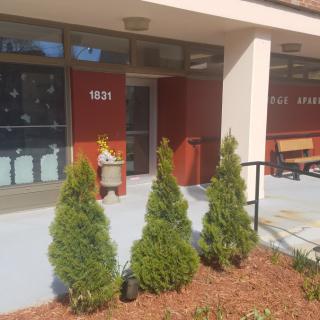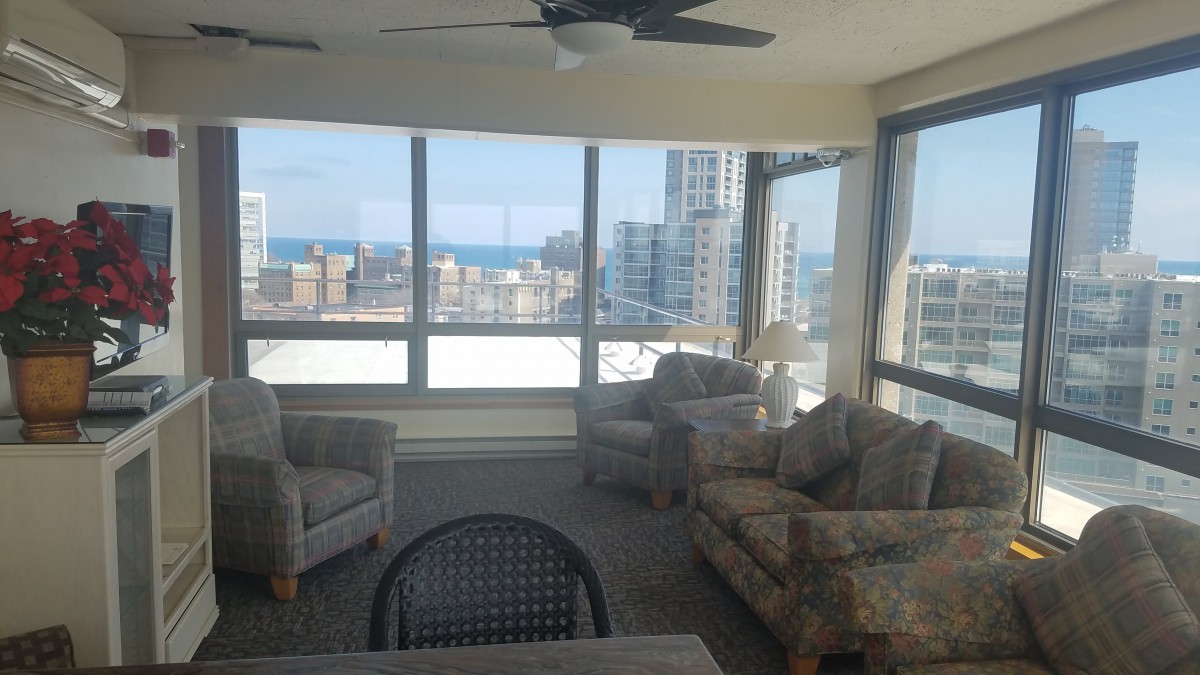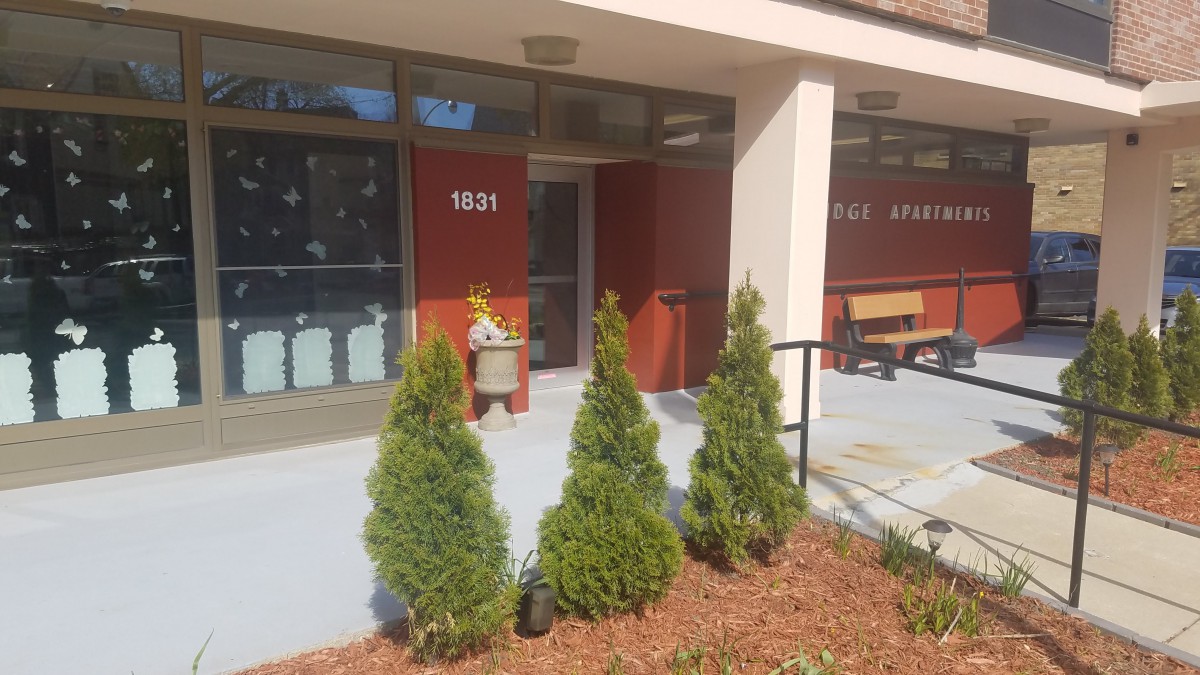
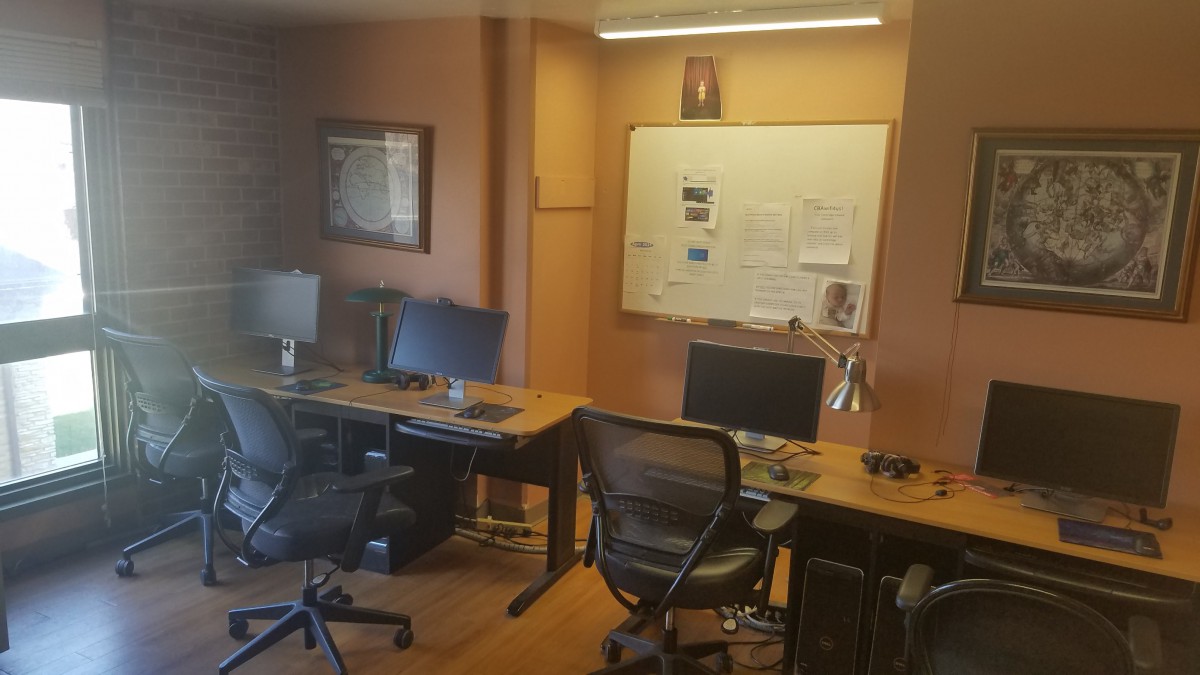
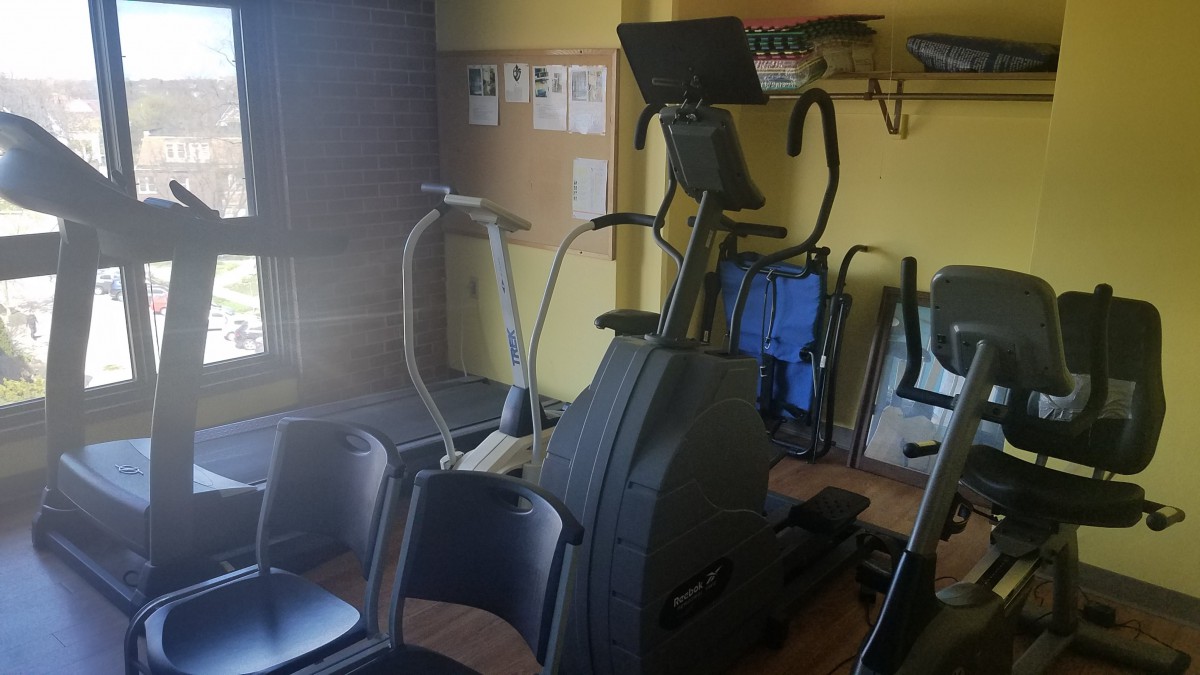
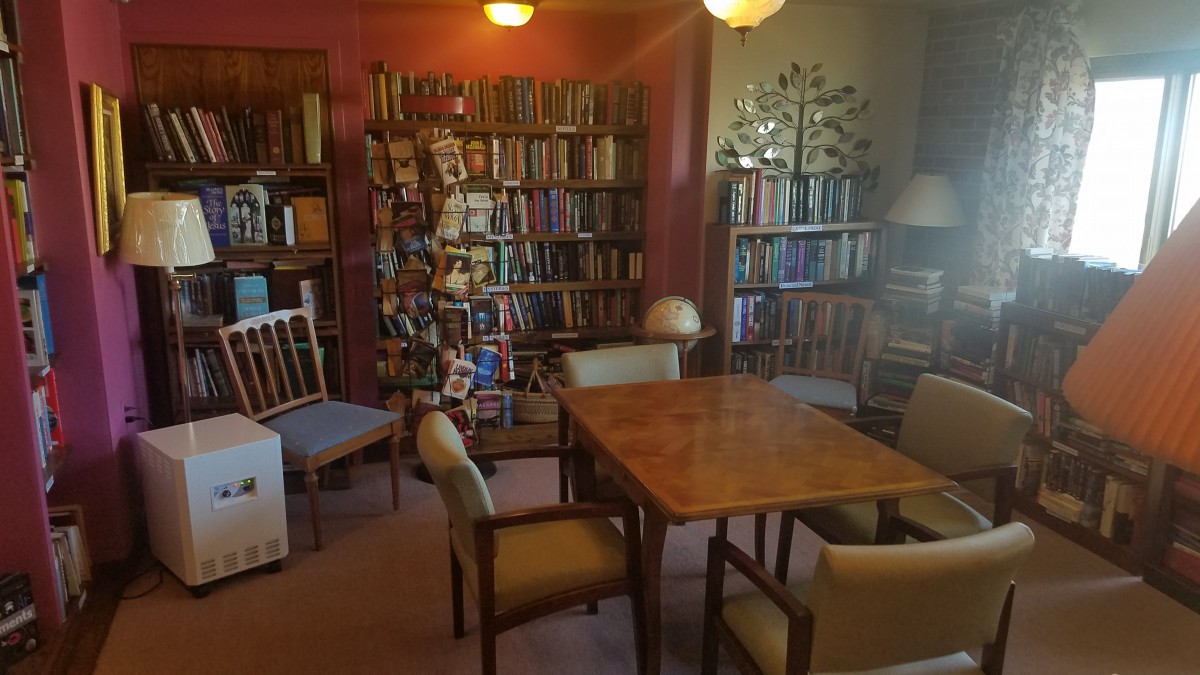
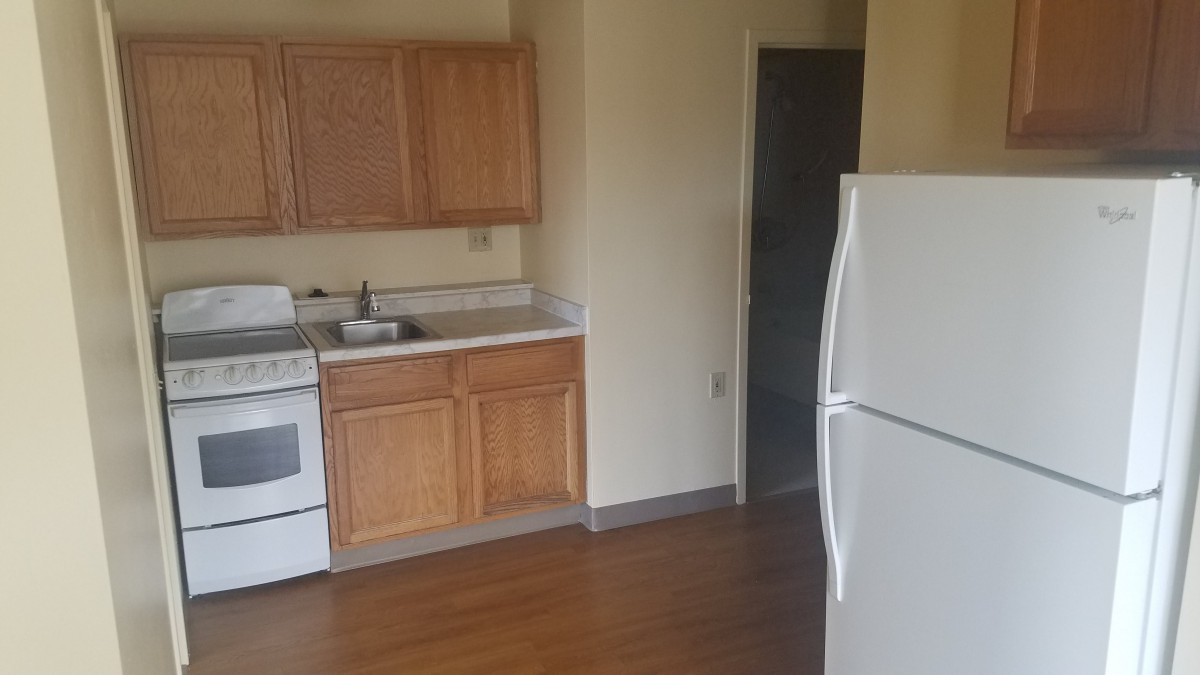
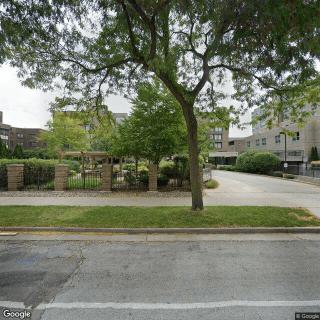
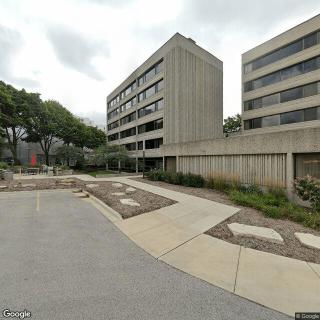
1831 N Cambridge Ave, Milwaukee, WI 53202
To contact a resident: (414) 272-4155
For more information about senior living options: (866) 208-4318
Cambridge Apartments Costs & Pricing
Cambridge Apartments presents an attractive pricing structure compared to both Milwaukee County and the broader Wisconsin state averages. For instance, the cost of a studio at Cambridge is $696, significantly lower than the county's average of $3,841 and the state average of $3,999. Similarly, the 1-bedroom units are priced at $898, again offering considerable savings when compared to Milwaukee County's $3,057 and Wisconsin's $3,412 benchmarks. Even for private accommodations, Cambridge stands out with a rate of $3,550, while the county and state figures rise to $4,513 and $4,339 respectively. This competitive pricing positions Cambridge Apartments as a compelling option for those seeking quality living without the financial strain typically associated with similar offerings in the region.
| Floor plans | Cambridge Apartments | Milwaukee County | Wisconsin |
|---|---|---|---|
| Studio | $696 | $3,841 | $3,999 |
| 1 Bedroom | $898 | $3,057 | $3,412 |
| Private | $3,550 | $4,513 | $4,339 |
Senior living communities with a similar price nearby
-
from +$40 / mo
Quail Pointe
$736 to $893 / month17.9 miles away -
from +$81 / mo
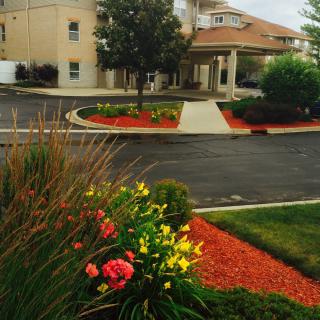
Brenwood Park
$777 to $932 / month13.2 miles away -
from -$25 / mo

Clare Heights
$671 to $821 / month5.2 miles away -
from +$54 / mo
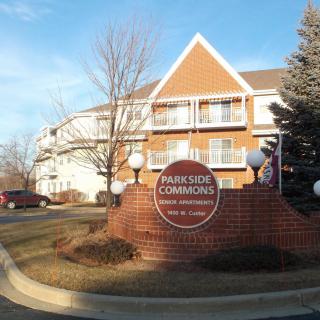
Parkside Commons Senior Apartments
$750 to $850 / month4.6 miles away -
About the same
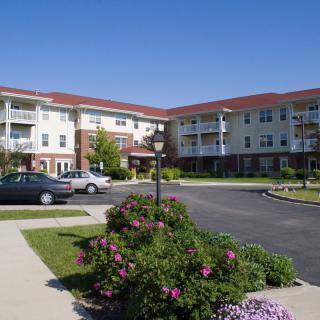
Bell Tower Place
$707 to $817 / month11.2 miles away
Overall Review of Cambridge Apartments
Cons
 The reviewer reports mail theft and theft of belongings from a storage unit.
- The reviewer encountered rent-payment problems, with checks disappearing from the office mail slot.
- The reviewer was accused of not paying rent after canceling checks.
- A fire occurred, causing smoke damage and the loss of belongings, and it killed a resident and his dog.
- The reviewer notes staff turnover, with the manager and janitor quitting and new staff arriving.
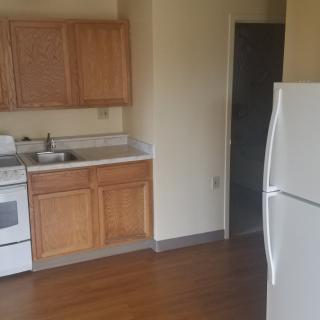
- The reviewer describes the apartments as small.
Review
Cambridge Apartments in Milwaukee is best suited for seniors who want ultra-compact living and can tolerate a lean, turnover-prone on-site management setup. The small unit footprint will appeal to residents who value easy upkeep and a straightforward living space, so long as stable, proactive service isn’t a priority. In practice, this option serves those who prioritize minimal square footage over a full suite of daily supports, and who are comfortable navigating issues with limited staff continuity.
Those evaluating alternatives should recognize who may want something more robust. If reliable, attentive management, predictable financials, and stronger on-site safety systems are essential, this property should not be the primary pick. Families and residents who rely on consistent maintenance response times, clear rent processes, and a stable management team will likely find Cambridge Apartments inadequate. In short, senior-focused communities with long-tenured managers, regular housekeeping or maintenance routines, and explicit safety protocols are typically better matches for those needing dependable day-to-day support.
The most salient cons are acute and personal. The apartments themselves are small, which can feel claustrophobic and limit storage, countering any perceived cost savings. Beyond space constraints, there are clear red flags around security and administration: mail theft and storage-unit theft, plus rent payment complications, including checks that disappear or are mismanaged and accusations of nonpayment. These incidents undermine trust and create daily friction that any senior resident should not have to endure. When a safety incident, such as a fire that caused smoke damage and resulted in the loss of belongings, entangles the living experience, the risk calculus shifts decisively toward seeking a more stable environment.
Compounding these issues is a pattern of staff turnover that destabilizes day-to-day life. The departure of the manager and janitor soon after move-in, followed by a shift to new personnel, interrupts continuity of care, responsiveness, and essential problem-solving. In a setting where residents rely on timely maintenance, clear communication, and predictable routines, frequent personnel changes can turn routine complaints into prolonged ordeals. The combination of unreliable administration and shaky safety assurances creates a sense of vulnerability rather than security, which is incompatible with the expectations of many seniors and their families.
From a practical decision-making perspective, Cambridge Apartments offers almost no offsetting positives strong enough to counterbalance the core drawbacks. The lack of stable, proactive management means residents may spend time chasing responses rather than enjoying their living space. The absence of clearly documented safety and security practices, coupled with the realities of theft and a notable fire event, raises legitimate concerns for families weighing daily living quality and personal possessions. Even if some residents find the compact footprint appealing, the trade-offs in safety, trust, and maintenance reliability are too significant for most seniors who require a dependable baseline of support.
Families considering Cambridge should pursue concrete, forward-looking questions during tours or conversations with management. What is the current staffing structure, and what is the plan to maintain continuity when employees leave? How are rent payments processed, posted, and verified, and what safeguards exist to prevent lost checks or misapplied charges? What security measures protect mail, storage spaces, and residents’ belongings, and how quickly are issues resolved when something goes missing? What formal safety protocols exist in the event of a fire or other emergency, and how often are safety systems inspected? Are there regular rounds or on-site staff available after hours? Hearing candid, specific assurances on these points can reveal whether the community can realistically deliver a stable, secure senior living experience or if alternatives should be pursued.
In the end, Cambridge Apartments should be viewed as a last-resort option for families prioritizing a very small, low-overhead living arrangement and willing to weather ongoing administrative and safety uncertainties. For those who value steady management, reliable safety measures, and predictable support with daily living tasks, exploring other independent living or assisted living communities with longer-tenured staff and tested safety protocols will yield a far more reassuring, durable choice. The takeaway is clear: prioritize stability and trust in management, and use tours and hard questions to separate genuinely dependable options from buildings where the day-to-day realities could undermine peace of mind.
 Active Adult Communities (55+)
 Cats allowed
 Dogs allowed
 Activities off-site
 Bath tubs
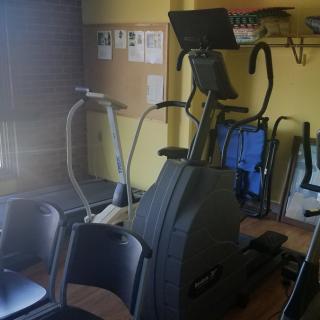
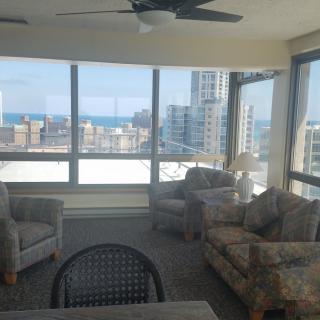
 Indoor common areas
 Outdoor common areas
 Private bathrooms
 General Mitchell International (7 miles away)
 BBQs or picnics
 Birthday parties
 Live musical performances
 Comprehensive care options (IL, respite, skilled nursing) with extensive on-site amenities and transportation.




 8 Essential Assistive Devices for Older Adults
 Navigating the Financial Road to Nursing Home Care: In-Depth Guidance and Resources
 Supportive Employee Benefits That Help Caregivers Attain Better Work-Life Harmony