Bell Therapy 68Th St in Milwaukee, WI

628-30 South 68Th Street, Milwaukee, WI 53214

For more information about senior living options: (844) 490-3973

1 from 2 reviews
Assisted Living

Overall Review of Bell Therapy 68Th St

Pros

  • pro They try to organize outings for residents.
  • pro There were three bedrooms open for viewing.

Cons

  • pro The staff were rude.
  • pro They never took care of people when needed.
  • pro It was the worst place to be.
  • pro The home looked run down with holes in the walls and duct tape over light switches.
  • pro There was food left on the stove since morning.
  • pro The house was dirty.
  • pro They would only show the smallest run-down room despite three bedrooms being open.
  • pro They claimed to keep the entire SSI check.

Review

Bell Therapy 68th Street in Milwaukee is best suited for families who must choose the absolute lowest-cost option and are prepared to supervise closely, accepting that care quality and facility standards may be inconsistent. The community's appeal hinges on price rather than polished operations, and the residents who fit best are those who can largely self-manage with minimal direct caregiver intervention. For seniors who require reliable, proactive help with daily tasks, medical oversight, or consistent responsiveness, this option does not align with essential needs. In practice, this is a budget-first choice where the trade-off is clear: tighter control by family members and a willingness to tolerate a rough-hewn environment.

Pros are scarce and modestly meaningful only if viewed through a cost-conscious lens. Some reviewers note an intent to provide outings and a sense that there is space to accommodate residents, including multiple bedrooms. In a vacuum, that suggests potential for social activity and room options, but those positives quickly collide with the larger reality described by current and former customers: service gaps, maintenance neglect, and personnel issues. The small silver lining - availability and promises of activities - cannot credibly offset the core drawbacks for any family that prioritizes safety, cleanliness, and dependable care.

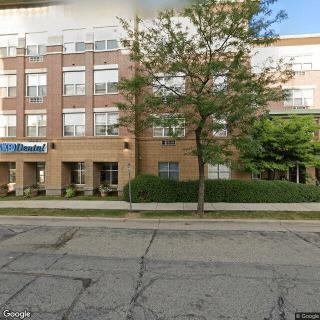
The main cons, however, overwhelm any peripheral upsides. Reviewers describe rude staff and a pattern of care neglect, with repeated claims that staff are not responsive when residents need assistance. The facility is portrayed as run-down: duct tape over light switches, holes in walls, and dirty spaces with food left on a stove from the morning. Such conditions raise immediate safety and health concerns for anyone who values a clean, orderly living environment. The impression of inconsistent care is reinforced by reports that tours emphasize the smallest, most beat-up room while other bedrooms sit unused, suggesting poor transparency and misalignment between what is shown and what exists in daily operation.

A second layer of concern centers on the management and communication quality. One review notes that the person representing the facility seemed unfamiliar with the house, undermining trust when families are trying to verify what they're getting. There are warnings about how the facility operates financially, including a troubling claim that an entire SSI check may be directed or retained by the staff or management. Taken together, these factors intensify risk: unclear staffing ratios, potential miscommunication about services, and possible financial impropriety, all of which are unacceptable for anyone evaluating ongoing care for a loved one.

Given these dynamics, families should proceed with rigorous due diligence if still considering this option. First, insist on a thorough, independent inspection of each live-in unit - ideally with a licensed adult-care inspector present - and request recent maintenance records alongside a written report of any outstanding repairs. Second, verify staffing patterns: nurse or caregiver availability, shift changes, response times, and whether a resident can expect help within minutes of a call. Third, demand complete transparency on finances, including a clear explanation of any SSI-related arrangements, with written documentation and a plan for ongoing oversight. Finally, compare with higher-rated, better-maintained facilities where staff training, cleanliness, and resident safety have verifiable track records.

Bottom line: this community functions as a last resort for families who prioritize cost above all else and are prepared to actively monitor care, cleanliness, and financial handling. If stability, reliable caregiving, and a respectful, well-maintained living environment are non-negotiable, alternatives are strongly advised. For households facing severe budget constraints and willing to assume hands-on oversight - accepting the risk of subpar amenities and inconsistent service - Bell Therapy 68th Street may be one of the only options available. The decisive factor remains whether family resources, time, and risk tolerance align with a care setting where major concerns are not simply occasional glitches but recurring patterns.

Features

Housing

  • 4 resident community capacity 4 resident community capacity

Types of Care

  • Assisted Living Assisted LivingAssisted living facilities provide crucial support and care for seniors who may need help with daily tasks such as medication management, bathing, and meal preparation. These communities offer a safe and comfortable environment where seniors can maintain their independence while receiving the assistance they need to thrive in their golden years.

Amenities

  • Cable or satellite TV Cable or satellite TVCable or satellite TV is important for seniors because it provides entertainment, news, and companionship, helping to combat loneliness and boredom. It also offers a wide range of programming options tailored to different interests and preferences.
  • Dining room Dining roomDining rooms are important for seniors as they provide a space for socialization, connection, and nutritious meals. They offer opportunities for residents to bond over shared meals, foster a sense of community, and promote healthy eating habits. Dining rooms also ensure that seniors have access to well-balanced meals tailored to their dietary needs and preferences.
  • Fully furnished Fully furnishedFully furnished senior living communities are important for seniors because they provide convenience, comfort, and a hassle-free moving experience. Seniors can easily settle into their new living space without the stress of having to buy and move furniture. This allows them to focus on enjoying their new home and community.
  • Garden GardenGardens are important for seniors as they provide a peaceful and therapeutic environment for relaxation, physical activity, and socialization. Being in nature has been shown to reduce stress, improve mood, and promote overall well-being. Gardens also offer opportunities for seniors to engage in gardening activities, which can improve mobility, flexibility, and cognitive function. Additionally, gardens create a sense of community and connection with others who share a passion for plants and outdoor spaces.
  • Housekeeping services Housekeeping servicesHousekeeping services are important for seniors because they help maintain a clean and safe living environment, promote independence, and reduce the risk of accidents or illnesses. Additionally, having assistance with household chores can alleviate physical strain and allow seniors to focus on other aspects of their well-being.
  • Move-in coordination Move-in coordinationMove-in coordination is important for seniors because it helps ease the transition into their new living environment. It ensures that all logistics, such as packing, organizing movers, and setting up utilities are taken care of, allowing seniors to focus on settling in and adjusting to their new home. Having a smooth move-in process can alleviate stress and anxiety, making the transition smoother and more enjoyable for seniors.
  • Outdoor space Outdoor spaceOutdoor spaces are important for seniors as they provide opportunities for physical activity, social interaction, exposure to natural light and fresh air, and a sense of connection to nature. Having access to outdoor spaces can improve overall well-being and quality of life for older adults living in senior communities.
  • Telephone TelephoneTelephones are important for seniors as they provide a lifeline for communication with loved ones, emergency services, and healthcare providers. They offer a sense of security and independence, enabling seniors to stay connected and access assistance when needed.
  • Wi-Fi/high-speed internet available Wi-Fi/high-speed internet availableWi-Fi/high-speed internet is important for seniors to stay connected with loved ones, access online resources, and participate in virtual activities to combat feelings of loneliness and isolation. It also allows them to easily manage healthcare needs, access entertainment, and engage in lifelong learning opportunities.

Transportation

  • General Mitchell International (7 miles away) General Mitchell International (7 miles away)

Care Services

  • 24-hour supervision 24-hour supervision24-hour supervision is important for seniors to ensure their safety, well-being, and access to immediate assistance in case of emergencies or health issues. This constant support provides peace of mind for both seniors and their loved ones, allowing them to age in place with dignity and security.
  • Activities of daily living assistance Activities of daily living assistanceActivities of daily living assistance are important for seniors because they provide essential support with tasks such as eating, bathing, dressing, and mobility. This assistance helps seniors maintain their independence, dignity, and overall quality of life as they age.
  • Assistance with bathing Assistance with bathingAssistance with bathing is crucial for seniors as it helps maintain personal hygiene, prevents infections, and ensures their overall well-being and comfort. It also provides a sense of dignity and independence for seniors who may struggle with this task on their own.
  • Assistance with dressing Assistance with dressingAssistance with dressing is important for seniors because it helps maintain their independence, promotes personal hygiene, prevents accidents and injuries, and improves overall quality of life. This service ensures that seniors can continue to dress comfortably and confidently, despite any physical limitations they may have.
  • Assistance with transfers Assistance with transfersAssistance with transfers is crucial for seniors as it helps prevent falls and injuries, maintains their independence, and ensures they can safely navigate their living environment. It also provides peace of mind for both seniors and their loved ones.
  • Coordination with health care providers Coordination with health care providersCoordination with health care providers is crucial for seniors to ensure proper medical care, medication management, and overall well-being. This collaboration helps prevent overlapping treatments, track progress more effectively, and provide comprehensive support tailored to individual needs.
  • Diabetes diet Diabetes dietA diabetes diet is crucial for seniors as it helps manage blood sugar levels, reduce risks of complications, and improve overall health and well-being. By following a balanced and nutritious diet tailored to their specific needs, seniors can better control their diabetes and enhance their quality of life.
  • Meal preparation and service Meal preparation and serviceMeal preparation and service are crucial for seniors as they may have limited mobility or energy to cook nutritious meals. Having access to healthy and convenient food options can ensure they are getting the proper nutrition needed to maintain their overall health and well-being.
  • Medication management Medication managementMedication management is crucial for seniors to ensure they are taking the right medications at the correct dosages and times. This helps prevent adverse drug interactions, reduces the risk of medication errors, and promotes overall health and well-being. Proactive management also allows for adjustments as needed based on changing health conditions or new prescriptions.
  • Special dietary restrictions Special dietary restrictionsSpecial dietary restrictions are important for seniors because age-related changes in metabolism and health conditions can make it difficult for their bodies to process certain foods. By following a diet tailored to their specific needs, seniors can maintain their overall health and well-being, manage chronic conditions, and reduce the risk of complications such as malnutrition or food interactions with medications.
  • Transportation arrangement (medical) Transportation arrangement (medical)Transportation arrangements for medical purposes are essential for seniors as they may have difficulty driving themselves to appointments or accessing public transportation. Having reliable and safe transportation options ensures that seniors can receive timely medical care and maintain their health and well-being.
  • Transportation to doctors appointments Transportation to doctors appointmentsTransportation to doctors' appointments is crucial for seniors as it ensures they have access to necessary medical care and support for their health needs. Without reliable transportation, seniors may struggle to attend important appointments, leading to potential delays in treatment and health complications. Providing transportation services helps seniors maintain their overall well-being and quality of life.

Dining

  • Diabetes diet Diabetes dietA diabetes diet is crucial for seniors as it helps manage blood sugar levels, reduce risks of complications, and improve overall health and well-being. By following a balanced and nutritious diet tailored to their specific needs, seniors can better control their diabetes and enhance their quality of life.
  • Special dietary restrictions Special dietary restrictionsSpecial dietary restrictions are important for seniors because age-related changes in metabolism and health conditions can make it difficult for their bodies to process certain foods. By following a diet tailored to their specific needs, seniors can maintain their overall health and well-being, manage chronic conditions, and reduce the risk of complications such as malnutrition or food interactions with medications.

Activities

  • Community-sponsored activities Community-sponsored activitiesCommunity-sponsored activities are important for seniors as they provide opportunities for social interaction, mental stimulation, and physical activity. These activities can help improve overall well-being, combat loneliness and isolation, and promote a sense of belonging and purpose among older adults.
  • Scheduled daily activities Scheduled daily activitiesScheduled daily activities are important for seniors because they provide structure, socialization, mental stimulation, and physical activity. Engaging in regular activities can improve overall well-being and quality of life for seniors living in a community setting.

Description

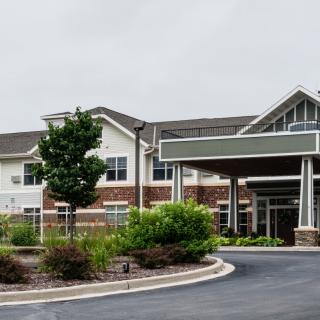
Bell Therapy is an assisted living community located on 68th St in Milwaukee, WI. This community offers a range of amenities to ensure the comfort and convenience of its residents. The fully furnished accommodations provide a cozy and homelike environment for individuals to thrive in. With a dining room on-site, residents can enjoy delicious meals without having to worry about cooking or cleaning up.

In addition to the indoor facilities, Bell Therapy also boasts a beautiful garden and outdoor space where residents can relax and enjoy some fresh air. Housekeeping services are provided to maintain cleanliness and tidiness within the community.

The staff at Bell Therapy are committed to providing personalized care services tailored to meet each individual's needs. They assist with activities of daily living such as bathing, dressing, and transfers. The staff also coordinate with healthcare providers to ensure that residents receive proper medical attention. For those with diabetes or special dietary restrictions, the community offers meal preparation and service that caters specifically to their needs.

Transportation arrangements, both for medical purposes and doctors' appointments, are available for residents who may require them. This ensures that individuals can access necessary healthcare services conveniently.

Residents at Bell Therapy can expect a vibrant social life with scheduled daily activities that promote engagement and interaction among peers. From hobbies and crafts to fitness classes and outings, there is always something exciting happening within the community.

For added convenience, there are several amenities located nearby including cafes, parks, pharmacies, restaurants, places of worship, hospitals, and transportation options. Residents have easy access to all these facilities which enhance their overall experience at Bell Therapy.

Overall, Bell Therapy provides a nurturing environment where seniors can receive support and assistance while maintaining their independence. With its wide range of amenities and care services tailored to individual needs, this assisted living community strives to ensure that each resident feels comfortable, safe, and fulfilled in their daily lives.

Nearby Places of Interest

Restaurants

  • Bull Shooter Saloon (0.2 miles)
  • Liquid Johnny's (0.5 miles)
  • Taco Bell (0.7 miles)
  • Paulie's Pub & Eatery (1 miles)
  • McDonald's (1.1 miles)
  • O'Connor's Perfect Pint (1.2 miles)
  • Leff's Lucky Town (1.6 miles)

Pharmacies

  • Walgreens (0.7 miles)
  • CVS Pharmacy (0.9 miles)
  • Walgreens (1.2 miles)
  • Walgreens (1.4 miles)
  • CVS Pharmacy (1.6 miles)
  • Walgreens (2.2 miles)
  • Walgreens (2.5 miles)

Cafes

  • Starbucks (1.2 miles)
  • Starbucks (1.8 miles)
  • Starbucks (2.6 miles)
  • Starbucks (4.7 miles)
  • Colectivo Coffee (4.9 miles)
  • Starbucks (5.1 miles)

Places of Worship

  • Honey Creek Church (1.2 miles)
  • Northwest Baptist Church (5.2 miles)

Hospitals

  • Aurora Psychiatric Hospital (1.6 miles)
  • Froedtert Pavilion (1.7 miles)
  • Rogers Memorial Hospital (3.2 miles)
  • Aurora St Luke's Medical Center (3.4 miles)
  • Surgicenter - Children's Wisconsin (3.5 miles)
  • Wheaton Franciscan - St. Joseph Campus (3.5 miles)
  • Aurora Sinai Medical Center (3.7 miles)

Physicians

  • Froedtert Clinical Cancer Center (1.6 miles)
  • Froedtert Hospital (1.8 miles)
  • Maplewood Center (2.8 miles)
  • Aurora Health Center (2.9 miles)
  • Lincoln Avenue Clinic (3.2 miles)
  • Oklahoma Pediatrics-Children's Wisconsin (3.6 miles)
  • Aurora Advanced Healthcare (4.5 miles)

Parks

  • West Allis West Milwaukee Recr (1.8 miles)
  • Hoyt Park (2.4 miles)
  • Wil-O-Way Underwood Park (2.9 miles)
  • Greenfield Park (3.8 miles)
  • Paliafito Park (4.2 miles)
  • Red Arrow Park (4.6 miles)
  • Elm Grove Village Park (4.6 miles)

Transportation

  • Milwaukee Intermodal Station (4.1 miles)

Frequently Asked Questions

Where is Bell Therapy 68Th St?

Nearby Communities

  • Bell Therapy Bluemound

    Bell Therapy Bluemound

    Milwaukee, WI


    pro Small, intimate assisted living with 24-hour supervision, meals, and transport coordination.

  • The Berkshire - West Allis

    The Berkshire - West Allis

    West Allis, WI

    4.1 from 11 reviews
    $699 to $850 / month

    pro Friendly staff, daily activities, and included underground parking.

  • The Landmark

    The Landmark

    West Allis, WI


    pro Fully furnished suites with 24-hour care, personalized dining, activities, and easy access to nearby amenities.

  • The Landmark of West Allis

    The Landmark of West Allis

    West Allis, WI

    4.4 from 79 reviews
    $1,040 to $1,120 / month

    pro Clean, spacious rooms with ample storage; friendly staff; wide range of on-site and community activities.

  • Helping Hands On 75 Th St

    Helping Hands On 75 Th St

    Milwaukee, WI

    2.8 from 4 reviews
     

    pro Intimate 4-bed community with 24/7 supervision and tailored memory care plus care coordination.

  • West Park Place,  S.C.S.

    West Park Place, S.C.S.

    West Allis, WI

     
    $2,995 to $3,495 / month

    pro Strong on-site care and activities.

  • Noble Senior Living at West Allis

    Noble Senior Living at West Allis

    Milwaukee, WI

    3.1 from 21 reviews
    $2,650 to $4,425 / month

    pro Caring, attentive staff with engaging activities and a well-equipped memory-care area.

  • Visiting Angels

    Visiting Angels

    Milwaukee, WI

    3.4 from 9 reviews
     

    pro Large, dedicated staff delivering professional, compassionate care with flexible options and reasonable prices.

  • Heritage West Allis

    Heritage West Allis

    Milwaukee, WI

    4 from 85 reviews
    $4,695 to $5,095 / month

    pro Beautiful, welcoming setting with engaging activities and smooth move-in support.

Related Resources

  • how to pay for assisted livingSecuring Financial Support for Assisted Living: A Comprehensive Overview

    Assisted living facilities offer crucial support for older adults needing help with daily activities but come with varying and significant costs, which can be financed through personal savings, government assistance programs, long-term care insurance, and home equity options. Professional guidance from experts can aid families in navigating these financial complexities to establish a sustainable budgeting approach for assisted living services.

  • assisted living for seniors on social securitySocial Security Benefits and Assisted Living: Navigating Options Across the U.S.

    Assisted living costs often exceed Social Security benefits, necessitating a combination of funding sources like state aid and Medicaid. Understanding the interaction between Social Security programs and available financial support is essential for affording such care.

  • aid and attendance vaAn Extensive Exploration of the VA Aid and Attendance Benefit

    The VA Aid and Attendance benefit provides financial support to veterans needing assistance with daily living due to medical conditions or disabilities, augmenting standard VA pensions for services like in-home care. Eligibility is based on service duration, wartime status, income, and medical needs, with a detailed application process required to access funds for caregiving and home modifications.