2Nd Century

2187 South 85Th Street, West Allis, WI 53227

For more information about senior living options: (844) 490-3973

3.5 from 4 reviews
5 stars
2
4 stars
0
3 stars
1
2 stars
0
1 stars
1

Assisted Living

Overall Review of 2Nd Century

Pros

  • pro Second Century Residential is described as a wonderful place for recovery.
  • pro The program is portrayed as helping individuals reprogram their minds from mood-altering drugs.

Cons

  • pro They were discharged falsely.
  • pro They were discharged without justification.
  • pro They claim the discharge was unjust.

Review

Two personal impressions come through from reviews about Second Century Residential Recovery, offering a stark contrast in how people experience the place. On one hand, there is a troubling claim about care and process; on the other, there is a strong endorsement of the environment as a space for real change. Together, they paint a picture of a program that can be a lifeline for some and a source of serious frustration for others.

One reviewer brings a troubling note to light: they state that they were discharged falsely. The language implies a sense of injustice and concern about how their care was concluded. This account centers on feeling wronged by the decision to end their stay, with the implication that the discharge did not reflect a fair or accurate assessment of their needs or readiness. The claim raises questions about the procedures, communication, and accountability at the facility, and it highlights the emotional toll of ending treatment prematurely. For someone navigating recovery, such a discharge could feel abrupt and confusing, potentially amplifying fear of relapse or gaps in support during a critical period of transition.

The emotional impact of such an experience can be deep. Being in a residential recovery setting is often framed by structure, supervision, and a sense that one is moving toward safety and stabilization. When a discharge is perceived as unjust, it can erode trust in the care team and the overall process, leaving the individual to contend not only with their recovery plan but also with questions about whether their needs were truly seen and met. The review suggests a breach between the hoped-for security of the program and the practical reality of how and when a stay ends. It invites readers to consider how important clear communication, consistent criteria for discharge, and supportive handoffs are in any recovery environment.

In contrast, another perspective praises Second Century Residential Recovery as a wonderful place for people who want to reprogram their minds away from mood-altering drugs. This view emphasizes opportunity, transformation, and the potential for lasting change. The language hints at a program experience that supports inner work - changing thought patterns, behaviors, and coping mechanisms related to substance use or mood challenges. The reviewer's emphasis on reprogramming suggests that, for them, the facility offers structure, guidance, and interventions that can help someone reset mental habits and reclaim a sense of control over their emotional life. For this voice, the environment appears conducive to meaningful progress and the cultivation of healthier patterns.

Together, these two accounts reveal a spectrum within recovery settings: experiences of fairness, safety, and supportive care on one side, and experiences of perceived injustice or abrupt endings on the other. They underscore how personal perceptions of care, discharge decisions, and the quality of ongoing support shape the overall sense of whether a placement is helping someone move forward. The contrasting voices also reflect a fundamental truth about recovery programs: outcomes can be highly individual, shaped by the match between a person's needs, the program's approach, and the timing of each decision.

For prospective clients or families considering Second Century Residential Recovery, the reviews point to important considerations. It's essential to seek clarity about discharge criteria, the process for case review, and how transitions are managed when someone nears the end of their stay. At the same time, it's encouraging to hear that for some individuals, the program offers a strong pathway toward meaningful change - an environment where the goal is to reduce reliance on mood-altering substances and to develop healthier mental habits. Balancing these perspectives means weighing both the potential for transformative growth and the need for transparent, compassionate care throughout the recovery journey.

Ultimately, the stories remind us that recovery is a deeply personal process, and experiences within the same facility can diverge dramatically. When evaluating any residential program, it helps to ask detailed questions about discharge decisions, continuity of care after leaving, and the kinds of therapeutic tools available to support long-term change. For some, Second Century Residential Recovery may represent a hopeful, life-affirming environment; for others, it may raise valid concerns about how well their needs are understood and met. In any case, the essential goal remains clear: to provide a path toward safety, sobriety, and renewed agency over one's mind and life.

Features

Housing

  • 8 resident community capacity 8 resident community capacity

Types of Care

  • Assisted Living Assisted LivingAssisted living facilities provide crucial support and care for seniors who may need help with daily tasks such as medication management, bathing, and meal preparation. These communities offer a safe and comfortable environment where seniors can maintain their independence while receiving the assistance they need to thrive in their golden years.

Amenities

  • Cable or satellite TV Cable or satellite TVCable or satellite TV is important for seniors because it provides entertainment, news, and companionship, helping to combat loneliness and boredom. It also offers a wide range of programming options tailored to different interests and preferences.
  • Dining room Dining roomDining rooms are important for seniors as they provide a space for socialization, connection, and nutritious meals. They offer opportunities for residents to bond over shared meals, foster a sense of community, and promote healthy eating habits. Dining rooms also ensure that seniors have access to well-balanced meals tailored to their dietary needs and preferences.
  • Fully furnished Fully furnishedFully furnished senior living communities are important for seniors because they provide convenience, comfort, and a hassle-free moving experience. Seniors can easily settle into their new living space without the stress of having to buy and move furniture. This allows them to focus on enjoying their new home and community.
  • Garden GardenGardens are important for seniors as they provide a peaceful and therapeutic environment for relaxation, physical activity, and socialization. Being in nature has been shown to reduce stress, improve mood, and promote overall well-being. Gardens also offer opportunities for seniors to engage in gardening activities, which can improve mobility, flexibility, and cognitive function. Additionally, gardens create a sense of community and connection with others who share a passion for plants and outdoor spaces.
  • Housekeeping services Housekeeping servicesHousekeeping services are important for seniors because they help maintain a clean and safe living environment, promote independence, and reduce the risk of accidents or illnesses. Additionally, having assistance with household chores can alleviate physical strain and allow seniors to focus on other aspects of their well-being.
  • Move-in coordination Move-in coordinationMove-in coordination is important for seniors because it helps ease the transition into their new living environment. It ensures that all logistics, such as packing, organizing movers, and setting up utilities are taken care of, allowing seniors to focus on settling in and adjusting to their new home. Having a smooth move-in process can alleviate stress and anxiety, making the transition smoother and more enjoyable for seniors.
  • Outdoor space Outdoor spaceOutdoor spaces are important for seniors as they provide opportunities for physical activity, social interaction, exposure to natural light and fresh air, and a sense of connection to nature. Having access to outdoor spaces can improve overall well-being and quality of life for older adults living in senior communities.
  • Telephone TelephoneTelephones are important for seniors as they provide a lifeline for communication with loved ones, emergency services, and healthcare providers. They offer a sense of security and independence, enabling seniors to stay connected and access assistance when needed.
  • Wi-Fi/high-speed internet available Wi-Fi/high-speed internet availableWi-Fi/high-speed internet is important for seniors to stay connected with loved ones, access online resources, and participate in virtual activities to combat feelings of loneliness and isolation. It also allows them to easily manage healthcare needs, access entertainment, and engage in lifelong learning opportunities.

Transportation

  • General Mitchell International (7 miles away) General Mitchell International (7 miles away)

Care Services

  • 24-hour supervision 24-hour supervision24-hour supervision is important for seniors to ensure their safety, well-being, and access to immediate assistance in case of emergencies or health issues. This constant support provides peace of mind for both seniors and their loved ones, allowing them to age in place with dignity and security.
  • Activities of daily living assistance Activities of daily living assistanceActivities of daily living assistance are important for seniors because they provide essential support with tasks such as eating, bathing, dressing, and mobility. This assistance helps seniors maintain their independence, dignity, and overall quality of life as they age.
  • Assistance with bathing Assistance with bathingAssistance with bathing is crucial for seniors as it helps maintain personal hygiene, prevents infections, and ensures their overall well-being and comfort. It also provides a sense of dignity and independence for seniors who may struggle with this task on their own.
  • Assistance with dressing Assistance with dressingAssistance with dressing is important for seniors because it helps maintain their independence, promotes personal hygiene, prevents accidents and injuries, and improves overall quality of life. This service ensures that seniors can continue to dress comfortably and confidently, despite any physical limitations they may have.
  • Assistance with transfers Assistance with transfersAssistance with transfers is crucial for seniors as it helps prevent falls and injuries, maintains their independence, and ensures they can safely navigate their living environment. It also provides peace of mind for both seniors and their loved ones.
  • Coordination with health care providers Coordination with health care providersCoordination with health care providers is crucial for seniors to ensure proper medical care, medication management, and overall well-being. This collaboration helps prevent overlapping treatments, track progress more effectively, and provide comprehensive support tailored to individual needs.
  • Diabetes diet Diabetes dietA diabetes diet is crucial for seniors as it helps manage blood sugar levels, reduce risks of complications, and improve overall health and well-being. By following a balanced and nutritious diet tailored to their specific needs, seniors can better control their diabetes and enhance their quality of life.
  • Meal preparation and service Meal preparation and serviceMeal preparation and service are crucial for seniors as they may have limited mobility or energy to cook nutritious meals. Having access to healthy and convenient food options can ensure they are getting the proper nutrition needed to maintain their overall health and well-being.
  • Medication management Medication managementMedication management is crucial for seniors to ensure they are taking the right medications at the correct dosages and times. This helps prevent adverse drug interactions, reduces the risk of medication errors, and promotes overall health and well-being. Proactive management also allows for adjustments as needed based on changing health conditions or new prescriptions.
  • Special dietary restrictions Special dietary restrictionsSpecial dietary restrictions are important for seniors because age-related changes in metabolism and health conditions can make it difficult for their bodies to process certain foods. By following a diet tailored to their specific needs, seniors can maintain their overall health and well-being, manage chronic conditions, and reduce the risk of complications such as malnutrition or food interactions with medications.
  • Transportation arrangement (medical) Transportation arrangement (medical)Transportation arrangements for medical purposes are essential for seniors as they may have difficulty driving themselves to appointments or accessing public transportation. Having reliable and safe transportation options ensures that seniors can receive timely medical care and maintain their health and well-being.
  • Transportation to doctors appointments Transportation to doctors appointmentsTransportation to doctors' appointments is crucial for seniors as it ensures they have access to necessary medical care and support for their health needs. Without reliable transportation, seniors may struggle to attend important appointments, leading to potential delays in treatment and health complications. Providing transportation services helps seniors maintain their overall well-being and quality of life.

Dining

  • Diabetes diet Diabetes dietA diabetes diet is crucial for seniors as it helps manage blood sugar levels, reduce risks of complications, and improve overall health and well-being. By following a balanced and nutritious diet tailored to their specific needs, seniors can better control their diabetes and enhance their quality of life.
  • Special dietary restrictions Special dietary restrictionsSpecial dietary restrictions are important for seniors because age-related changes in metabolism and health conditions can make it difficult for their bodies to process certain foods. By following a diet tailored to their specific needs, seniors can maintain their overall health and well-being, manage chronic conditions, and reduce the risk of complications such as malnutrition or food interactions with medications.

Activities

  • Community-sponsored activities Community-sponsored activitiesCommunity-sponsored activities are important for seniors as they provide opportunities for social interaction, mental stimulation, and physical activity. These activities can help improve overall well-being, combat loneliness and isolation, and promote a sense of belonging and purpose among older adults.
  • Scheduled daily activities Scheduled daily activitiesScheduled daily activities are important for seniors because they provide structure, socialization, mental stimulation, and physical activity. Engaging in regular activities can improve overall well-being and quality of life for seniors living in a community setting.

Description

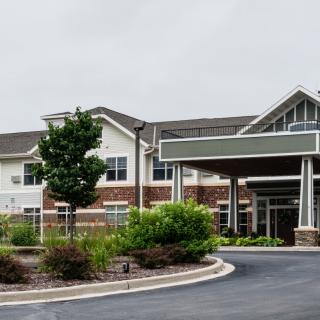
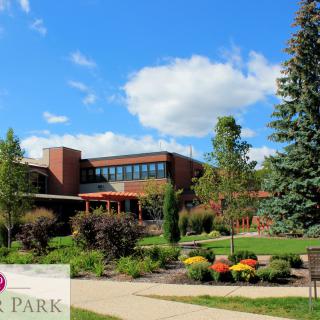
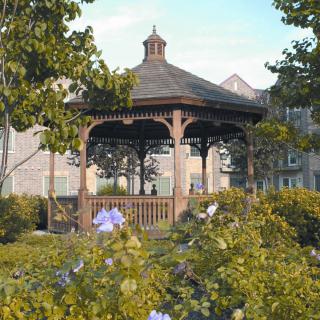
The 2nd Century assisted living community, located in West Allis, WI, offers a wide range of amenities and care services to meet the needs of its residents. The community features a spacious dining room where delicious meals are served, and the apartments are fully furnished for convenience. Residents can also enjoy the beautiful garden and outdoor spaces for relaxation and socializing.

Housekeeping services are available to ensure that residents have a clean and tidy living environment. Move-in coordination is provided to assist new residents in transitioning smoothly into their new home. Wi-Fi/high-speed internet and telephone services are also available to keep residents connected with their loved ones.

Care services at 2nd Century include assistance with activities of daily living such as bathing, dressing, and transfers. The staff at the community coordinate with health care providers to ensure that residents receive proper medical attention when needed. Residents with diabetes can benefit from specialized diets, and meal preparation and service are provided to cater to dietary restrictions.

Medication management is offered to support residents in taking their medications properly. Transportation arrangements for medical appointments are made for convenience. Additionally, transportation to doctors' appointments is available.

To encourage an active lifestyle, 2nd Century offers scheduled daily activities that engage residents mentally, physically, and socially. Nearby cafes provide options for outings or casual gatherings outside the community. Parks offer opportunities for outdoor recreation and relaxation. With numerous nearby pharmacies and physicians, accessing healthcare services is convenient for residents. Additionally, there are various restaurant options nearby for dining out or trying different cuisines.

Residents who wish to visit places of worship will find one just a short distance away from the community. In case of any medical emergencies or specialized care needs, there are hospitals in close proximity as well.

Overall, 2nd Century provides a well-rounded assisted living experience with its array of amenities, care services, convenient location near essential facilities, and opportunities for socialization and engagement within the community itself as well as in the nearby neighborhood.

Nearby Places of Interest

Pharmacies

  • Walgreens (0.8 miles)
  • CVS Pharmacy (1 miles)
  • CVS Pharmacy (1.2 miles)
  • Walgreens (1.2 miles)
  • CVS Pharmacy (1.4 miles)
  • Walgreens (1.6 miles)
  • Walgreens (1.7 miles)

Restaurants

  • O'Connor's Perfect Pint (0.9 miles)
  • McDonald's (0.9 miles)
  • Paulie's Pub & Eatery (0.9 miles)
  • Danny Lynch's (1.4 miles)
  • McDonald's (1.5 miles)
  • Liquid Johnny's (1.7 miles)
  • Taco Bell (1.7 miles)

Physicians

  • Maplewood Center (1 miles)
  • Lincoln Avenue Clinic (1.7 miles)
  • Oklahoma Pediatrics-Children's Wisconsin (1.7 miles)
  • Froedtert Clinical Cancer Center (2.5 miles)
  • Froedtert Hospital (2.6 miles)
  • Aurora Health Center (3.1 miles)
  • Prohealth Care Medical Centers (3.7 miles)

Parks

  • West Allis West Milwaukee Recr (1.1 miles)
  • Greenfield Park (2.5 miles)
  • Hoyt Park (3.5 miles)
  • Wil-O-Way Underwood Park (3.6 miles)
  • Elm Grove Village Park (4.5 miles)
  • The Big Backyard (4.9 miles)
  • Dousman Stage Coach Inn Museum (5.3 miles)

Cafes

  • Starbucks (1.6 miles)
  • Starbucks (2.2 miles)
  • Starbucks (3.2 miles)
  • Starbucks (3.3 miles)
  • Starbucks (4.7 miles)
  • Starbucks (5.7 miles)
  • Panera Bread (5.7 miles)

Hospitals

  • Rogers Memorial Hospital (1.6 miles)
  • Surgicenter - Children's Wisconsin (1.7 miles)
  • Froedtert Pavilion (2.6 miles)
  • Aurora Psychiatric Hospital (3 miles)
  • Aurora St Luke's Medical Center (3.6 miles)
  • Aurora Sinai Medical Center (5.3 miles)
  • Wheaton Franciscan - St. Joseph Campus (5.3 miles)

Places of Worship

  • Honey Creek Church (2.2 miles)

Transportation

  • Milwaukee Intermodal Station (5.5 miles)

Frequently Asked Questions

Where is 2Nd Century?

Nearby Communities

Related Resources

  • assisted living for disabled adultsComprehensive Residential Support and Assisted Living Solutions for Individuals with Disabilities

    The article examines the complexities of assisted living for individuals with disabilities, emphasizing the need for tailored care solutions that enhance quality of life and social inclusion, while addressing financial challenges and advocating for community integration. It discusses various housing options, the importance of financial assistance through public benefits, and highlights trends towards integrated and technology-driven solutions in disability-focused housing.

  • assisted living for disabled adultsComprehensive Supportive Living Arrangements for Adults with Disabilities

    Assisted living for adults with disabilities has transformed to provide personalized care and support services aimed at improving residents' quality of life while balancing independence and assistance. However, low-income individuals often face challenges in affording these services, requiring navigation of various financial resources and advocacy for better policies and solutions.

  • how to pay for assisted livingFunding and Affording Assisted Living: A Thorough Overview

    Assisted living facilities provide support for older adults needing help with daily activities without extensive medical care, but their costs can be high and vary by location and services offered. Families often seek various funding options and financial strategies to manage these expenses effectively while considering future needs and potential price increases.