
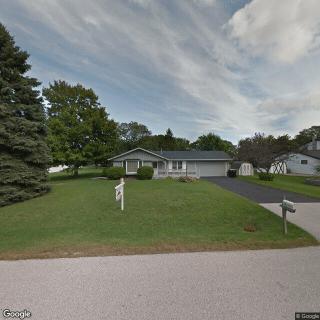
4415 West Hiawatha Drive, Mequon, WI 53092
For more information about senior living options: (866) 208-4318
Overall Review of Hiawatha House Adult Family Home
Pros
 The environment is warm and comforting.
- The staff are excellent.
- The reviewer rates the place five stars because a friend loves it.
Review
Hiawatha House Adult Family Home in Mequon is best suited for seniors who want a warm, home‑like living experience with consistently attentive care. It serves residents who value intimate, relationship‑driven support over the pace and scale of a larger assisted living campus. Families prioritizing a comfortable atmosphere, daily reassurance, and staff who know residents personally will find this environment aligns with those preferences. The setting is ideal for someone who cherishes a sense of being among family, with predictable routines and a focus on dignity and gentle daily interactions.
Those who may want to consider alternatives include individuals needing more intensive medical management, memory care, or a broad, highly active social calendar. If clinical oversight is a primary requirement, if specialized dementia care is necessary, or if a resident thrives on a wide array of outings and programs, a larger community or a facility with dedicated memory care wings could be a better fit. Location and access for visiting family also matter; if proximity to certain medical providers or family members is critical, broader options might offer more convenience or flexibility.
The strongest pros here are the warmth of the environment and the excellence of the staff. A homey, comforting atmosphere that feels like a trusted family home translates into steadier moods, easier adjustments for new residents, and more authentic, person-centered care. The staff’s quality shapes daily life, responsive, respectful care, thoughtful supervision, and meaningful interactions, which can offset any limitations inherent in a smaller setting. In practical terms, this means less stress for families, clearer communication, and a higher likelihood that daily routines reflect individual preferences and histories.
From the perspective of care outcomes, the alignment between environment and caregiving staff matters a great deal. When caregivers know residents well, they can anticipate needs, notice subtle health changes, and adjust activities to fit energy levels and interests. This personalized attention often results in better adherence to routines, more consistent hydration and nutrition, and a calmer, more dignified daily experience. For families seeking peace of mind about daily oversight and emotional well-being, these elements can outweigh the trade-offs of a smaller operation.
Given the small‑scale nature of an adult family home, a natural caveat is the potential for a more limited slate of formal activities, amenities, and on-site medical resources compared with larger campuses. Yet the benefit is a tighter caregiver-to-resident dynamic and the ability to customize days around precise preferences. The key is to confirm what programs exist in practice, how activities are structured, and whether there is easy access to on-site or nearby medical services. Prospective families should ask to see a typical weekly schedule, discuss respite options, and verify staffing patterns during peak hours versus quieter periods.
In weighing a decision, prioritize warmth and staff reliability if these elements are nonnegotiable. For families where high-touch caregiving, personal connection, and a residential feel are paramount, this community stands out as a strong match. If the decision hinges on expansive programming, diverse social opportunities, or advanced clinical services, alternatives with a larger footprint may perform better. A proactive next step is to visit, observe interactions between staff and residents, and speak candidly with caregivers about daily routines, emergency protocols, and how individualized care plans are developed and updated.
 4 resident community capacity
 Assisted Living
 Cable or satellite TV
 Dining room
 Fully furnished
 Garden
 Housekeeping services
 Move-in coordination
 Outdoor space
 Telephone
 Wi-Fi/high-speed internet available
 General Mitchell International (17 miles away)
 24-hour supervision
 Activities of daily living assistance
 Assistance with bathing
 Assistance with dressing
 Assistance with transfers
 Diabetes diet
 Meal preparation and service
 Medication management
 Special dietary restrictions
 Transportation arrangement (medical)
 Transportation to doctors appointments


 Understanding the True Cost of Assisted Living in 2025: A Comprehensive Guide
 Understanding Medicaid Coverage for Assisted Living: A Comprehensive Guide
 How and When Medicaid May Cover Assisted Living Costs