
N5903 238 Th Street, Menomonie, WI 54751
For more information about senior living options: (866) 208-4318
Overall Review of Solomon Hill Residential Care
Pros
 The staff provide effervescent care and treat every resident with respect and kindness.
- They create an environment that residents respond to positively.
- The director is helpful and compassionate, supporting families during difficult times.
- Families would recommend Comforts of Home for a caring environment.
- The staff are truly caring and considerate, with resident safety as a priority.
- The Menomonie Comforts of Home is a wonderful location offering memory care and assisted living.
- Caregivers consistently show genuine care for residents and their families.
- Bree Tesmer is very helpful and accommodating.
- The staff care for residents as if they were part of their own family.
- The staff are patient and kind, meeting physical needs and providing activities, good food, and clean rooms.
- The manager is friendly, knowledgeable, and caring, with residents' health and happiness as a priority.
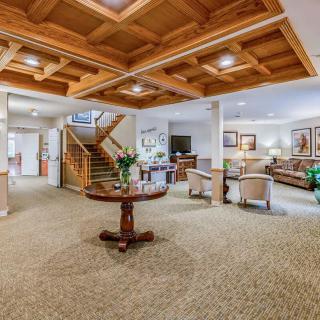
- The facility feels beautiful and well-kept, with a welcoming, home-like atmosphere.
- Communication from Bree and the staff is easy, clear, and responsive.
- Families can rest easy knowing loved ones are well cared for.
Review
Solomon Hill Residential Care in Menomonie is best suited for families confronting dementia or memory-impairment needs who want a genuinely warm, home-like atmosphere and a caregiving team that treats residents as individuals. The prevailing thread from families is not merely satisfaction with services but a sense that care comes with heart: staff who know residents personally, communicate openly with relatives, and maintain a daily rhythm that keeps days predictable yet engaging. Rooms, meals, and activities are described as clean, comfortable, and oriented toward dignity. Memory-care needs are clearly the priority here, and the environment feels focused on ensuring residents feel seen, safe, and at home rather than warehoused. For families anxious about an institutional vibe, the tone here is markedly human and stabilizing.
Alternatives become worthy of consideration for couples or individuals who do not yet require memory-specific supervision, who need broader medical oversight or rehabilitative services, or who prioritize affordability or a more expansive campus with greater independent-living options. If independence is the main goal, or if the plan calls for higher-intensity clinical therapy beyond what memory care typically provides, exploring other options may yield a better fit. Families seeking a facility with a robust medical footprint or a larger community with broader social offerings might prefer other providers. Pricing transparency is not evident in the feedback, so upfront discussions about cost should be integrated early in the process.
From the review corpus, the strongest pro cluster is unmistakable: compassionate, patient caregivers who know residents by name, proactive family communication, and spotless, comfortable spaces anchored by a well-structured daily routine. Residents benefit from individualized care plans, attentive assistance with hygiene and nutrition, and engaging programs that help pass the day, without sacrificing dignity. These positives largely offset the absence of explicit information on the breadth of medical services or pricing. The setting is specialized for memory care, which can feel limiting if a broader assisted-living or rehabilitative array is needed, but that specialization yields a steadier, more predictable care experience for dementia, which is precisely what many families seek.
Leadership and frontline staff emerge as consistent anchors. Bree, the manager, earns praise for accessibility and practical help coordinating logistics and addressing family concerns promptly. The nurse-manager Mindy draws specific commendations for clear communication and clinical oversight, reinforcing trust on challenging days. Families report patience with difficult behaviors, the ability to navigate the building so visitors always know where a loved one is, and a willingness to tailor care around a resident’s personality and dementia. The tone from both caregivers and managers often characterizes staff as extendable to family members, almost as if the resident’s extended family is present in shifts, creating a dependable rhythm that families rely on during transitions and long stays alike.
Residents describe a home atmosphere: neat rooms, clean clothes, and meals that are appealing and nourishing. Activities and social programs help pass the day, while ongoing family involvement and open lines of communication keep relatives connected and reassured. Even as memory challenges intensify, the care approach remains attentive, with staff remembering personal histories and adjusting interactions accordingly. The overarching narrative is that this memory-care chapter is not about confinement but about preserving identity, safety, and belonging, a crucial distinction for families weighing where a loved one should spend these years.
For families evaluating Solomon Hill Residential Care, begin with a thorough tour focused on the memory-care core: meet the care team, assess the caregiver-to-resident ratio during busy times, and review a sample care plan that lays out daily activities, meals, and safety protocols. Ask to speak with the nurse manager about medical oversight, end-of-life planning, and how changes in health are communicated. Inquire about room configurations, guest policies, and the process for transitions between shifts. If the priority is a nurturing, well-communicated environment built on trust for memory care, Solomon Hill appears to be a strong candidate; if a broader medical footprint, more independent living options, or transparent pricing are essential, explore alternatives with the same practical rigor that underpins the impressions here.
 4 resident community capacity
 Assisted Living
 Board and Care Home
 Memory Care
 Cable or satellite TV
 Dining room
 Fully furnished
 Garden
 Housekeeping services
 Move-in coordination
 Outdoor space
 Telephone
 Wi-Fi/high-speed internet available
 24-hour supervision
 Activities of daily living assistance
 Assistance with bathing
 Assistance with dressing
 Assistance with transfers
 Diabetes diet
 Hospice waiver
 Meal preparation and service
 Medication management
 Mental wellness program
 Special dietary restrictions
 Transportation arrangement (medical)
 Transportation to doctors appointments

 Medications Associated with Dementia Risk: A Comprehensive Overview
 Guiding Your Journey: Understanding Power of Attorney for Elderly Parents
 22 Remarkable Caregiver Support Groups Available Online and In-Person