
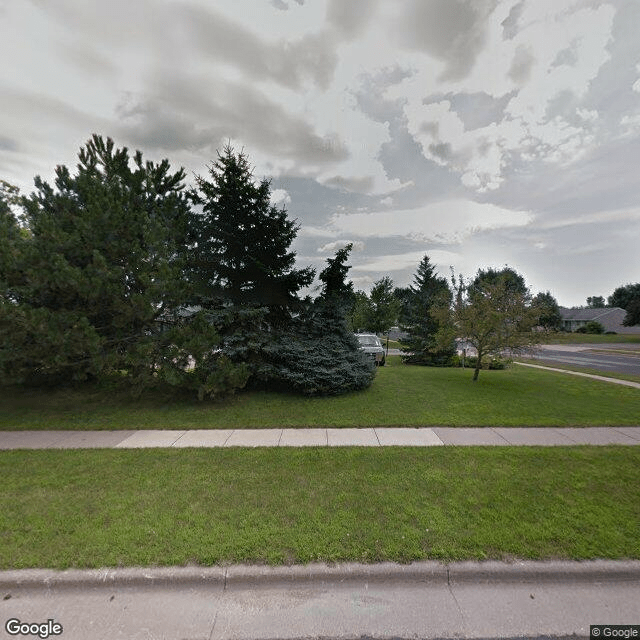
604 Lewellen Street, Marshall, WI 53559
For more information about senior living options: (866) 208-4318
Sienna Crest Marshall Costs & Pricing
Sienna Crest Marshall offers a competitive monthly cost for its studio accommodations at $4,150. This pricing is slightly below the Jefferson County average of $4,197, making it an attractive option for those seeking assisted living services in the area. Comparatively, the overall state average in Wisconsin stands at $3,999 for similar studio arrangements. This positions Sienna Crest Marshall as a viable choice for families considering both quality care and affordability in a market where prices can vary significantly. The balance of cost and care reflects a commitment to providing residents with not only comfort but also value within their community.
| Floor plans | Sienna Crest Marshall | Jefferson County | Wisconsin |
|---|---|---|---|
| Studio | $4,150 | $4,197 | $3,999 |
Memory care communities with a similar price nearby
-
from -$150 / mo
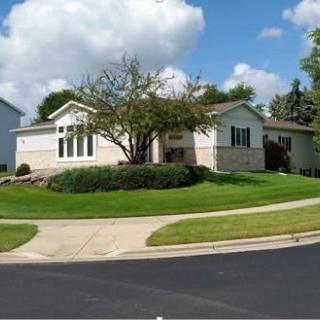
Timberwood Lodge Assisted Living and Memory Care
$4,000 to $4,500 / month22.2 miles away -
from -$650 / mo
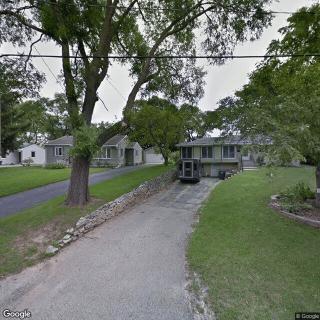
Reynolds Assisted Living Home LLC
$3,500 to $3,750 / month16.3 miles away -
from -$820 / mo

Reena Senior Living
$3,330 to $4,160 / month18.9 miles away -
from -$250 / mo

Kettle Park Senior Living
$3,900 to $4,820 / month18.6 miles away -
from -$350 / mo

Cardinal View Senior Living
$3,800 to $5,000 / month23.9 miles away
Overall Review of Sienna Crest Marshall
Pros
 They are very satisfied with the facility.
Cons
 The room size is much smaller and lacks a kitchenette.
- The facility is smaller than others in the area.
- There was a terrible experience when visiting a friend in Darlington.
- The management was very rude.
- Employees spoke negatively about patients.
- People should not place their loved ones with this company.
- The location is not convenient.
Review
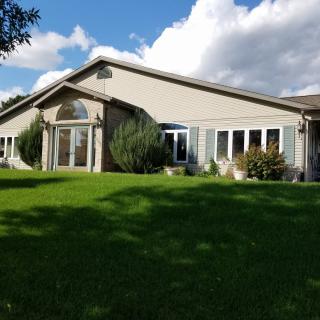
This community is best suited for families seeking a small, home-like assisted living option in Marshall for a loved one who does not require memory care and can adapt to compact living spaces. The setting appeals to those who value a calmer, more intimate environment over a larger campus with expansive amenities. Families report this site feels personal and manageable, where staff interaction can feel more direct and responsive. The trade-off is real: rooms are modest in size and lack an in-room kitchenette, which matters for independent living or for residents who want to minimize meals handled outside the unit. Overall impressions hover around cautious satisfaction, with enough strengths to justify serious consideration for the right resident.
Who may want to consider alternatives is straightforward. If memory care is a necessity, this location will not meet that need, since memory-support programs are advertised at other company locations (Oregon and Fort Atkinson). A preference for larger rooms or in-room cooking capability pushes toward facilities with more expansive square footage and in-unit kitchen facilities. If convenient location is a top priority, easy highway access, nearby services, or frequent family drop-ins, this Marshall site may fall short, as one observer notes the location is not particularly convenient. Finally, brand-level concerns about management style observed at another site in the network should be weighed, because perceptions of administration can color daily experiences even if the Marshall operation differs in practice.
The key pros can offset several contaries when the resident profile aligns. The smaller footprint fosters closer caregiver relationships and a sense of community that many families value, translating to more attentive, visible daily care. For residents who thrive on a straightforward routine and a quieter, less bustling environment, the absence of vast amenities does not translate into neglect; it can mean fewer stressors and a simpler care plan. Although room sizes are limited and kitchens are not provided, residents who rely on staff-prepared meals or who do not cook in-room may experience fewer maintenance distractions and a more predictable daily structure. These dynamics, intimacy, consistency, and ease of oversight, provide tangible value for the right match.
Yet, the drawbacks remain tangible and warrant careful consideration. The most obvious limitation is the compact room, which may feel restrictive for those who value personal space or require more flexible living configurations. The lack of on-site memory care means residents with dementia or advanced cognitive needs will need a transition to another facility, potentially involving logistics and stress for families and the resident. Location convenience is a recurring practical factor; for families with tight schedules or who rely on frequent visits, a longer or less convenient commute can erode the perceived value over time. Additionally, the troubling report about management behavior at a different location in the same company should prompt families to scrutinize governance, communication, and resident-rights practices when engaging with the Marshall team.
The positives locally can be balanced against the broader brand concerns with careful planning. For a resident who prioritizes a calm, homelike atmosphere over expansive programming, the intimate setting can deliver meaningful daily comfort and a sense of security. The staff-to-resident ratio in a smaller facility often translates into better observation of changes in health or mood, helping families stay informed through straightforward channels. If memory care will not be needed now, and if the plan is to source a separate memory-support program later, this site can be a practical interim arrangement. The location’s quieter profile may even suit families seeking a peaceful environment away from busier corridors, provided transport and visit logistics have been vetted.
In the end, Sienna Crest Marshall fits a narrow but clear niche: a compact, low-key assisted living option that emphasizes personal attention and a homelike vibe for residents who do not require memory care and can tolerate smaller accommodations. For households needing true memory support, or those demanding more expansive in-room amenities and easier access, exploring alternatives, especially within the same network’s Oregon or Fort Atkinson offerings, is prudent. Prospective decisions should hinge on concrete questions about governance, staffing consistency, and resident satisfaction during in-person visits. With disciplined due diligence, this community can be a solid match for the right resident and family, delivering comfort and attentiveness where it matters most.
 20 resident community capacity
 Assisted Living
 Board and Care Home
 Memory Care
 Activities off-site
 Bath tubs
 Beautician on-site
 Cable or satellite TV
 Devotional services off-site
 Dining room
 Fully furnished
 Garden
 Housekeeping services
 Indoor common areas
 Kitchenette
 Move-in coordination
 Outdoor common areas
 Respite or short term stays offered
 Telephone
 Wheelchair accessible showers
 Wi-Fi/high-speed internet available
 Dane County Regional (14 miles away)
 24-hour call system
 Ambulatory care
 Assistance with bathing
 Assistance with dressing
 Assistance with transfers
 Diabetes diet
 Diabetic care
 High acuity care
 Hospice waiver
 Incontinence care
 Meal preparation and service
 Medication management
 Mental wellness program
 Special dietary restrictions
 Transportation arrangement (medical)
 Transportation to doctors appointments
 Catholic services
 Day trips and outings
 Happy hour
 Live musical performances
 Trivia games
 Wii bowling


 A Thorough Discussion of Medications Potentially Linked to Dementia Risk
 Why Do Dementia Patients Sleep So Much? Understanding Oversleeping, Stages, and Care Approaches
 8 Key Indicators That Suggest It May Be Time to Transition from Assisted Living to Skilled Nursing Care