
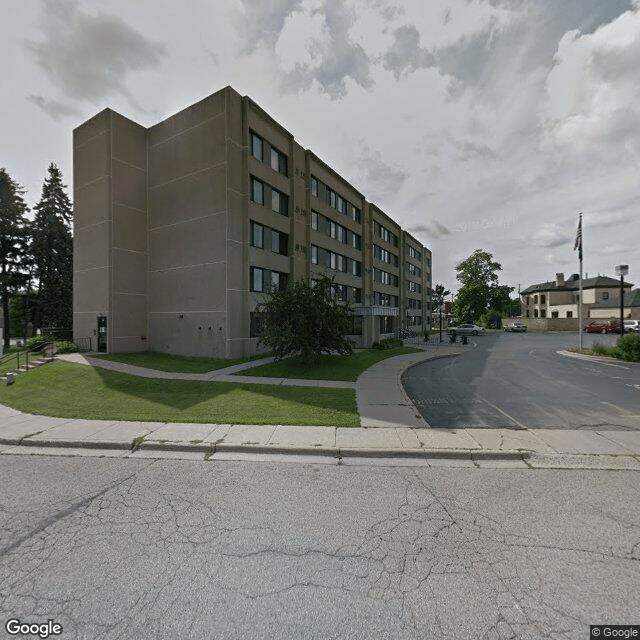
1545 Ludington St, Marinette, WI 54143
To contact a resident: (715) 732-2553
For more information about senior living options: (866) 208-4318
Overall Review of Marinette Housing Authority
Cons
 The manager gave his assigned parking space to someone he didn’t know.
- The apartment building is a downfall, with tenant harassment and a bed bug and flea infestation that has persisted for years.
- He has heard nothing positive about the building, and it always stinks.
- Management seems to delay solving issues and restricts what tenants can do inside their apartments without authority.
- As a state-owned building, they should screen for better management; he is pursuing a lawsuit because the bed bug and flea infestation has reached his home.
- He is beyond furious and feels his concerns go unheard.
- The manager does not take the situation seriously and lacks empathy toward residents dealing with bugs.
- He would rate the building lower than one star.
- The pictures show bites his children have suffered.
- He hopes management reads this review and understands how serious the situation is.
Review
Marinette Housing Authority in Marinette, WI is best suited for extremely budget-conscious seniors or adults who need affordable housing and can function with minimal on-site services. This is not an assisted-living setting with daily care, medications management, or on-site personal support. Based on the available reviews, the property appeals to residents who can tolerate chronic maintenance gaps and limited pest control while accepting a governance approach that operates at arm’s length rather than with immediacy. In short, this is a housing option for independent residents seeking cost relief more than caregiving coordination, and it should not be assumed to deliver the caregiving supports typical of an assisted-living environment.
Those who require regular, hands-on support should consider alternatives without delay. The downsides documented, persistent bed bug and flea infestations, a building that “stinks,” and a management team slow to address concrete problems, pose health and quality-of-life risks unacceptable for many seniors, disabled adults, or households with young children. A parking-space misstep by the on-site manager, along with restrictions that appear to be imposed without formal process, signals a governance style unlikely to deliver consistent resident advocacy. Given that the property is described as state-owned, expectations for reliable problem-solving and transparent processes are high; when those expectations fall short, the case for seeking alternatives strengthens.
On the surface, affordability is a real pro and can be decisive for families watching every dollar. A stable, low rent reduces pressure to choose between care and shelter. But those advantages are quickly offset by the main cons: a long history of pest infestations, a strong odor permeating common areas and units, and a maintenance-and-management cycle that appears to move slowly at best and disregard urgent concerns at worst. Tenant harassment and disputes over basic rights further erode trust in the community’s ability to provide a safe, predictable living environment. When the primary risk is protection from pests invading living space, the budget-friendly price tag loses its lure and becomes a liability.
The pest issues are not cosmetic; bed bugs and fleas pose real health risks, especially for older adults with skin sensitivities or compromised immune systems, and for families with young children. The reviews recount ongoing infestations spanning years, with scant evidence of decisive remediation. The sense that management “chooses to tell tenants what they can and cannot do” without proper authority frames a culture of reactive, rather than proactive, problem-solving. The potential for infestations to migrate from rental units into neighboring homes compounds the risk, turning a housing option into a potential health hazard rather than a stable refuge.
Families weighing options should demand alternatives that deliver reliable pest control, transparent complaint processes, and timely maintenance responses. Look for assisted-living communities or subsidized housing that include access to on-site staff, periodic inspections, and a formal escalation path for resident concerns. Visit multiple times, speak with current residents about response times, and review formal occupancy policies and pest-control records. If choosing this Marinette property, secure written assurances about remediation timelines, extermination guarantees, and tenant rights to request alternative accommodations during severe outbreaks.
Bottom line: Marinette Housing Authority is a hard recommendation only for those who must have the absolute lowest possible rent and can endure chronic management gaps and pest challenges without expecting care services. For anyone seeking genuine assisted living or residents who require daily support, this is not the right fit. Alternatives with stronger on-site management, reliable pest control, and clearer tenant advocacy should be prioritized to protect health, safety, and quality of life.
 Board and Care Home
 Small, intimate, fully furnished community with comprehensive care and transport to medical appointments.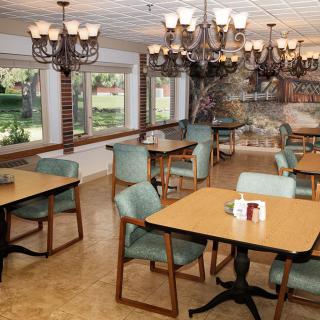
 Exploring Nonmedical Home Care: Understanding Services, Costs, and Financial Approaches
 Engaging Brain Games and Innovative Apps to Keep Senior Minds Active
 Effective Strategies for Keeping Seniors' Minds Active: A Deep Dive into Brain Games and Apps