Tennyson Retirement Living offers competitive pricing for its various accommodation options when compared to the broader market in Dane County and across Wisconsin. For a studio apartment, Tennyson's monthly rate is $4,400, which is slightly lower than the county average of $4,418 but higher than the state average of $3,999. The one-bedroom units are priced at $4,950, which surpasses both the Dane County average of $4,101 and the state average of $3,412. In the case of two-bedroom apartments, Tennyson's cost of $5,500 stands above both local and statewide averages of $4,345 and $3,111 respectively. Overall, while Tennyson Retirement Living may charge a premium for certain room types compared to nearby options, it also reflects a strong commitment to quality living accommodations that may justify these higher costs in terms of amenities and services offered.
Floor plans
Tennyson Retirement Living
Dane County
Wisconsin
Studio
$4,400
$4,418
$3,999
1 Bedroom
$4,950
$4,101
$3,412
2 Bedrooms
$5,500
$4,345
$3,111
Memory care communities with a similar price nearby
Residents and families most often describe staff who are friendly, kind, and responsive to needs.
Across the reviews, families repeatedly describe staff who are friendly and caring, with caregivers looking out for residents and taking time to explain care and medication. Several reviewers also credit specific leadership or caregiving team members for treating residents with dignity and kindness, including during difficult periods. A smaller set of reviews raise serious concerns about staff professionalism, staffing sufficiency, and inconsistent care quality that had to be addressed with administration.
caveat8 reviews mention this
Memory care experience is mixed
Memory care reviews range from dignified support to concerns about staffing and cleanliness.
Some residents’ families describe the memory care unit as thoughtful and supportive, with staff who understand dementia or Alzheimer’s and treat residents with dignity. Other reviews describe problems in memory care, including concerns about staff education and staffing ratios, medication-related worries, and cleanliness issues that remained until changes were made. Tour experiences also mention how the memory care residents were separated from other residents and that the layout could limit direct outdoor access at the same level.
common5 reviews mention this
Dining is consistently positive
Meal plans and food quality come up often in resident and family feedback.
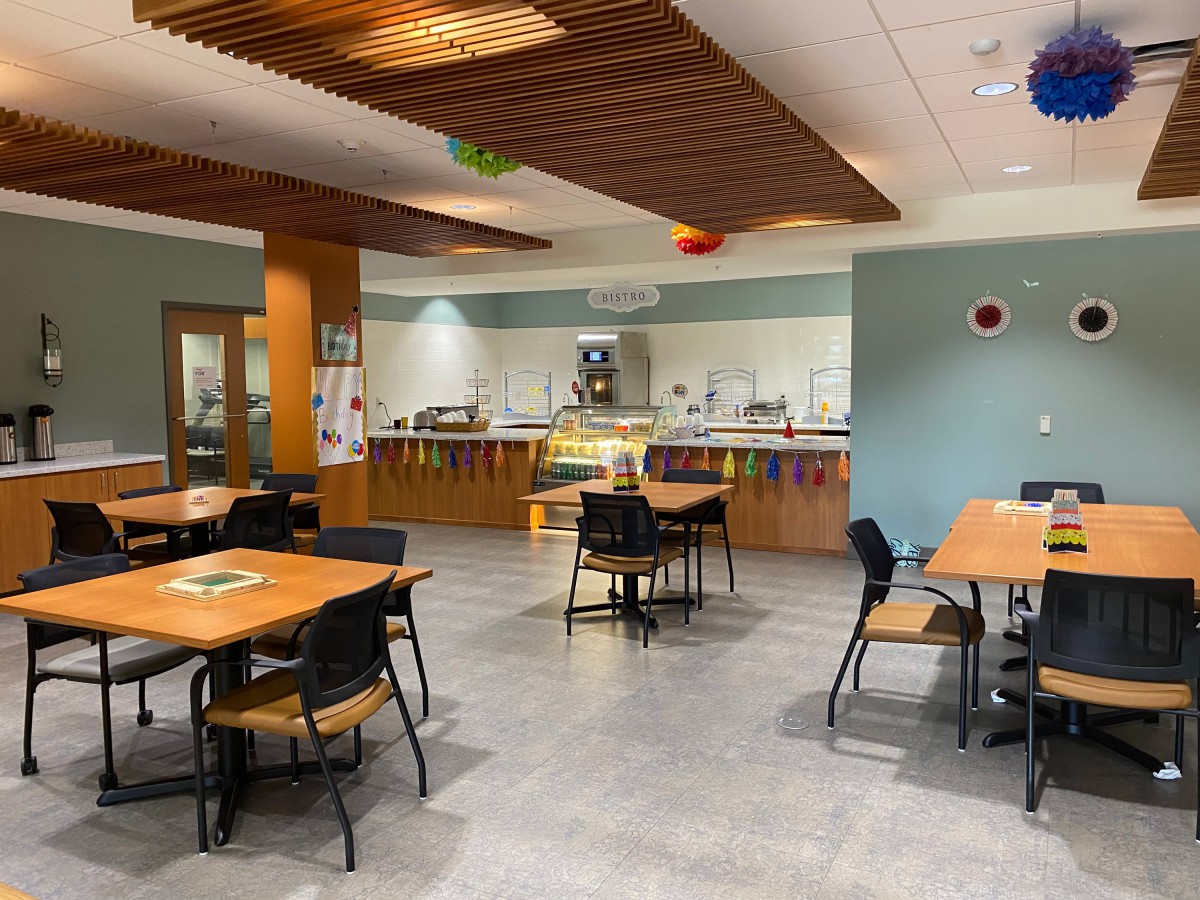
Several reviews highlight meal plans and dining as a key reason families felt comfortable with the move. Residents and visitors mention the food as good, with one reviewer praising “amazing food,” and another describing a bistro offering snack or meal options outside regular meal times. There are also concerns in at least one review about how meals are handled for residents who have difficulty getting to the dining room, including whether meals arrive warm.
common9 reviews mention this
Activities help residents stay engaged
Families notice daily activities and outings that keep residents socially engaged.
Reviews frequently describe regular activities designed to keep residents mentally and socially active, including group events and scheduled social time. Multiple families specifically mention the activity director and list types of programming such as games, book club, happy hour, jewelry making, and road trips. One family also points to the value of having residents participate and interact as part of building community.
caveat4 reviews mention this
Costs and room options feel limiting
Price and apartment availability come up as drawbacks for some families.
Some reviewers call out affordability concerns, including a comment that the community is more expensive and a complaint about rental terms that were difficult to work with financially. Others note limits in room options, including that only studio rooms were available in one context, and that certain needs may be hard to accommodate when moving within the building. Together with the pricing context, these reviews suggest the fit may depend heavily on budget and the specific apartment type needed.
How we summarize
Counts show how many written reviews mention each theme; a review can touch several themes, and only frequently mentioned themes are displayed.
Features
Housing
1-bedroom apartments
2-bedroom apartments
Studio apartments
Types of Care
Assisted Living
Memory Care
Amenities
Activities off-site
Activities on-site
Air-conditioning
Bath tubs
Beautician on-site
Cable or satellite TV
Devotional services off-site
Devotional services on-site
Full kitchen
Ground floor units
Handicap accessible
Indoor common areas
Kitchenette
Outdoor common areas
Respite or short term stays offered
Wheelchair accessible showers
Wi-Fi/high-speed internet available
Transportation
Dane County Regional (1 miles away)
Care Services
Diabetic care
Incontinence care
Medication management
Dining
Anytime dining
Gluten-free
Guest meals
International cuisine
Low / no sodium
Meals provided
No Sugar
Professional chef
Restaurant style dining
Special dining programs
Vegetarian
Activities
Art classes
Catholic services
Cooking classes
Devotional activities offsite
Devotional activities on-site
Educational speakers / life long learning
Jewish services
Mormon/LDS services
Other religious services
Protestant services
Visiting Rabbi
Visiting chaplain or priest
Nearby Places of Interest
This part of Madison, Wisconsin, offers a convenient and diverse range of amenities for seniors. With multiple pharmacies in close proximity, access to healthcare services is easily accessible. The area also boasts a variety of parks for outdoor recreation and relaxation. Additionally, there are several reputable medical facilities and physicians nearby for comprehensive healthcare needs. Dining options include a mix of casual eateries and cafes, providing plenty of choices for meals and socializing. The presence of places of worship in the community caters to spiritual needs, while theaters offer entertainment options. Overall, this part of Madison provides a well-rounded environment for seniors looking to reside in a vibrant and convenient location.
Pharmacies
Walgreens (0.4 miles)
UW Health Northeast Family Medical Center Pharmacy (0.4 miles)
Pick 'n Save Pharmacy (1.6 miles)
Walgreens (2.1 miles)
Walgreens (2.4 miles)
Target Pharmacy (2.9 miles)
UW Health at The American Center Pharmacy (3.2 miles)
Parks
Warner Park (0.6 miles)
Olbrich Park (3.5 miles)
Breese Stevens Field (3.6 miles)
James Madison Park (3.9 miles)
Kingston Onyx Park (4 miles)
Transportation
Dane County Regional Airport (MSN) (0.7 miles)
U-Haul Moving & Storage (4.9 miles)
Restaurants
Esquire Club (1.6 miles)
Karben4 Brewing (1.8 miles)
Tip Top Tavern (2 miles)
Dexter's Pub (2.2 miles)
Murphy's Bar and Restaurant (2.3 miles)
Brothers Three Bar & Grill (2.4 miles)
Burger King (2.4 miles)
Physicians
Mendota Mental Health Institute (2.2 miles)
Owen, Emily Uw Health Union Corners Urgent Care (2.6 miles)
Accuear Professional Hearing & Audiology Clinics (3.4 miles)
TLC Laser Eye Centers (3.4 miles)
UW Health East Clinic (3.6 miles)
Group Health Cooperative (3.6 miles)
U W Health-Spine Center - Daniel K Resnick MD (3.6 miles)
Cafes
Starbucks (2.4 miles)
Panera Bread (2.9 miles)
Starbucks (4.4 miles)
Wonderstate Coffee (4.5 miles)
Gordon Dining and Event Center (4.8 miles)
Places of Worship
Eastside Evangelical Lutheran (2.5 miles)
Holy Wisdom Monastery (4.8 miles)
Theaters
Flix Brewhouse (2.9 miles)
Hospitals
University of Wisconsin Hospital and Clinics Authority (4.9 miles)
Tennyson Retirement Living offers competitive pricing for its various accommodation options when compared to the broader market in Dane County and across Wisconsin. For a studio apartment, Tennyson's monthly rate is $4,400, which is slightly lower than the county average of $4,418 but higher than the state average of $3,999. The one-bedroom units are priced at $4,950, which surpasses both the Dane County average of $4,101 and the state average of $3,412. In the case of two-bedroom apartments, Tennyson's cost of $5,500 stands above both local and statewide averages of $4,345 and $3,111 respectively. Overall, while Tennyson Retirement Living may charge a premium for certain room types compared to nearby options, it also reflects a strong commitment to quality living accommodations that may justify these higher costs in terms of amenities and services offered.
Medication management at Tennyson Retirement Living ensures that residents receive their prescribed medications consistently and accurately, which is crucial for managing symptoms of dementia and Alzheimer's disease. This feature minimizes the risk of missed doses or incorrect administration, thereby enhancing the residents' overall health and well-being. Additionally, incontinence care provides dignified support for those experiencing this common challenge associated with cognitive decline. By addressing personal hygiene needs sensitively and efficiently, staff can help maintain comfort and dignity, allowing residents to focus on their daily activities without unnecessary distress. Together, these features create a supportive environment that promotes health, enhances quality of life, and fosters a greater sense of security among residents.
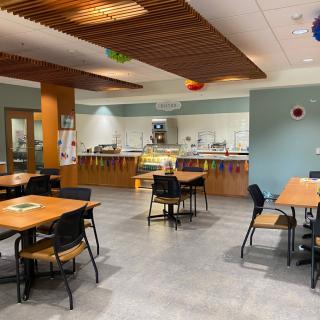
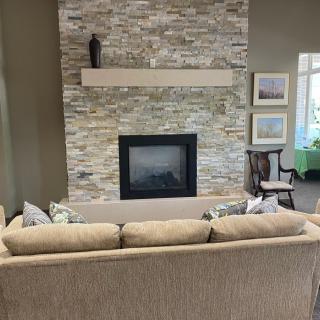
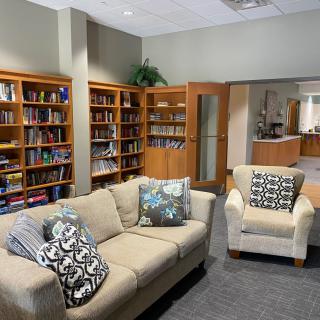
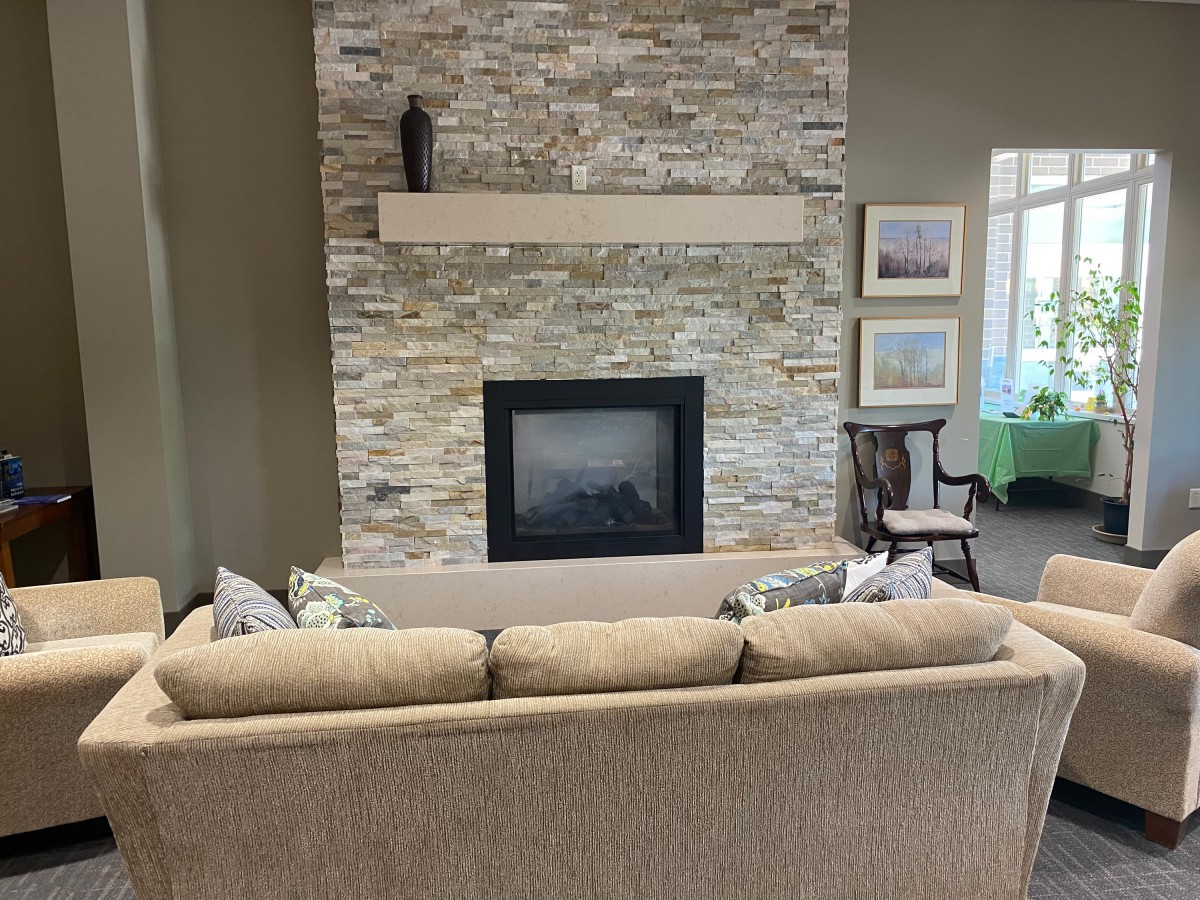
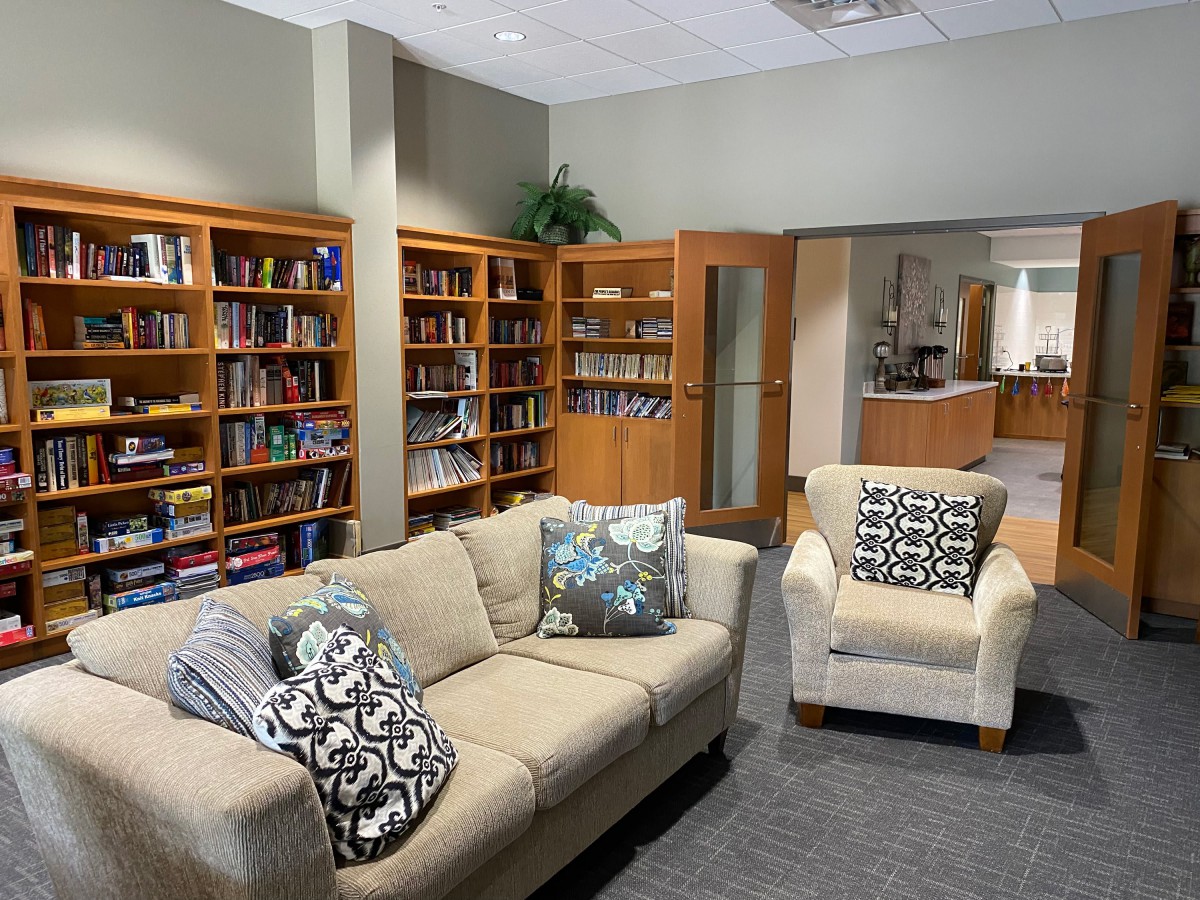
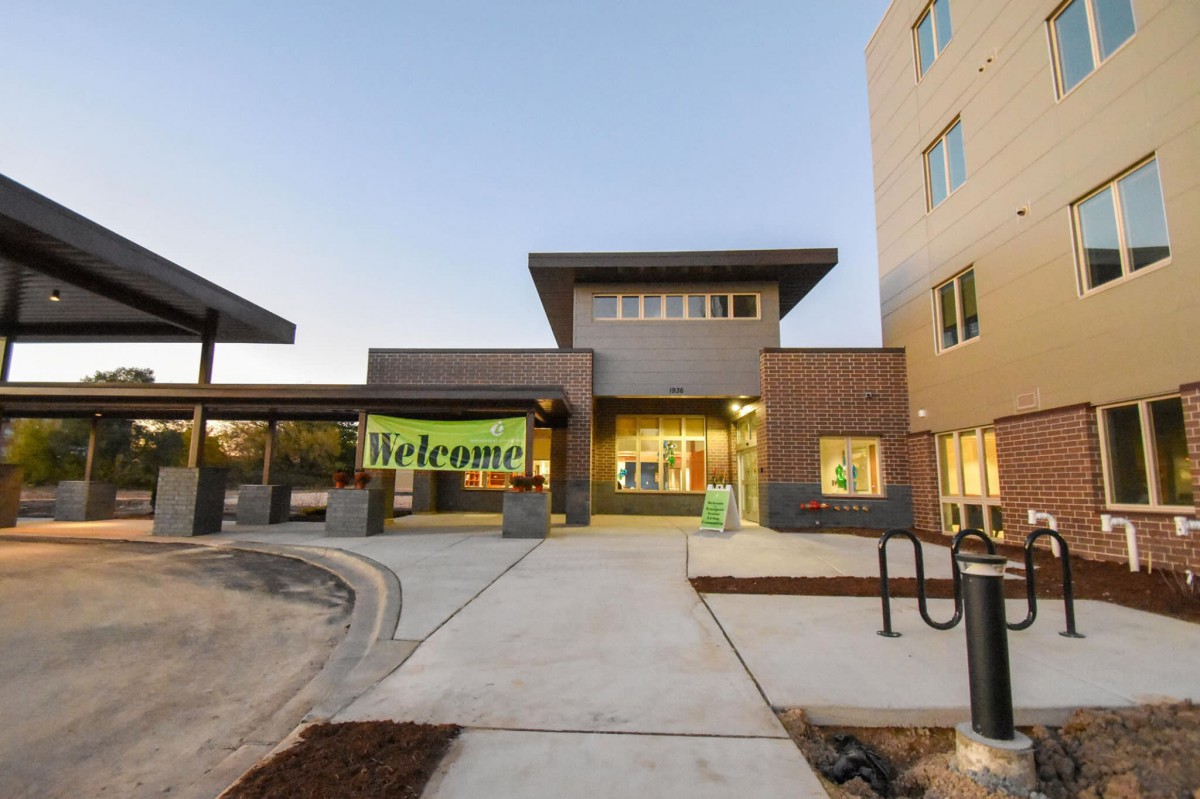
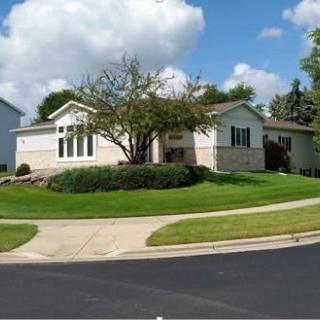
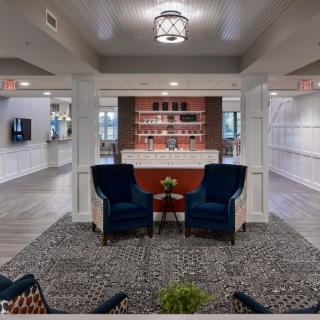
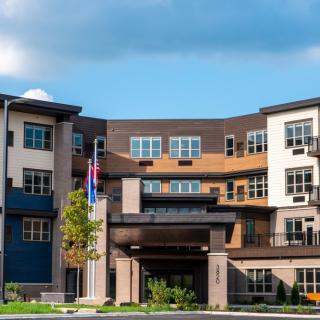
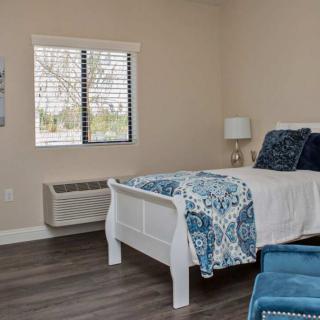
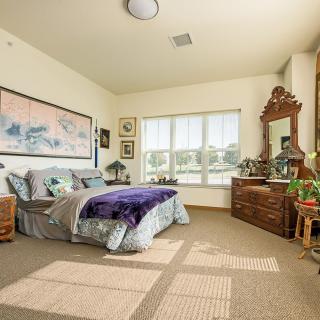
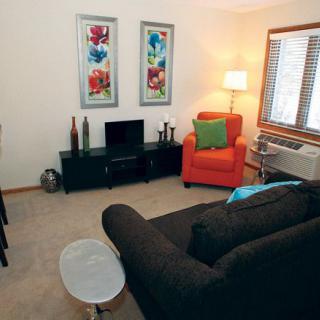
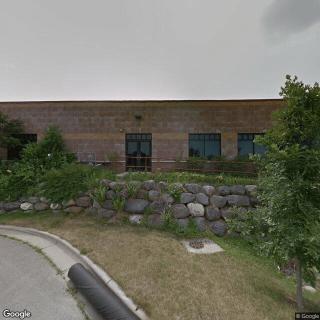
Tennyson Retirement Living on seniors.fyi includes 5 photos including images showing interior, decor, entrance, lights, living room, fireplace, stone wall, library, and more.
Nearby Communities
Tennyson Senior Living Community
Madison, WI
4.3 from 32 reviews
Offers both Independent Living and Memory Care with 24-hour supervision and comprehensive on-site amenities.
Schwert Aoda Treatment Center
Madison, WI
2.8 from 5 reviews
Intimate assisted living with 24/7 supervision, ADL assistance, diabetes-friendly dining, housekeeping, move-in coordination, and transportation to medical appointments.
Northport Group Home
Madison, WI
5 from 2 reviews
Small, intimate 8-bed community with personalized care and comprehensive services.
Northshore Estates
Madison, WI
4.1 from 11 reviews
$650 to $775 / month
Charming courtyard and responsive management (dishwasher on request).
Rem Dryden
Madison, WI
4.9 from 16 reviews
Comprehensive assisted living with 24-hour supervision, ADL support, diabetes-friendly meals, transportation to medical appointments, and fully furnished apartments.
Elderspan Management
Madison, WI
5 from 1 review
Excellent access to health services and nearby amenities.
Eden Vista Madison
Madison, WI
4.2 from 76 reviews
$2,195 to $3,595 / month
Friendly, caring staff; clean, inviting atmosphere with engaging activities and spacious apartments.
ElderSpan Management, L.L.C.
Madison, WI
5 from 1 review
Excellent access to dining, parks, medical services, and transit.
Essex Senior Rentals
Waunakee, WI
3.4 from 22 reviews
$670 to $820 / month
Clean, well-maintained building in a beautiful location with helpful staff.
Reminiscence therapy is a structured method for older adults, especially those with dementia, to share life stories using prompts and sensory cues, fostering emotional well-being, social engagement, and self-identity. It aims to improve quality of life by enhancing interpersonal connections and cognitive stimulation while requiring careful facilitation to avoid distressing memories.
Dementia, particularly Lewy body dementia, often involves hallucinations that can significantly distress both patients and caregivers due to disruptions in sensory processing and neurotransmitter imbalances. Effective management includes compassionate communication, environmental adjustments, and a multidisciplinary approach to care while addressing the emotional needs of caregivers.
Alzheimer’s disease is a progressive neurological disorder that significantly impacts memory and cognitive functions, accounting for 60-80% of dementia cases, with early diagnosis being crucial yet challenging. It involves brain changes like beta-amyloid plaques and tau tangles, influenced by genetic and lifestyle factors, and while there is no cure, symptom management and support for caregivers are essential.
Building, Entrance, Exterior, and Modern Architecture
Bookshelves, Library, and Reading Area
Lights
Get PricingAsk A QuestionSchedule A TourContact Senior Advisor
By clicking submit, you agree to our Partner's Terms of Use. You
also consent to receive calls and texts, which may be autodialed, from our Partner. Your consent is not a condition to
using our Partner's service. Please visit our Partner's Privacy Policy for information about their privacy practices.


 1-bedroom apartments
 Assisted Living
 Memory Care
 Activities off-site
 Air-conditioning
 Bath tubs
 Beautician on-site
 Cable or satellite TV
 Devotional services off-site
 Full kitchen
 Ground floor units
 Handicap accessible
 Indoor common areas
 Outdoor common areas
 Respite or short term stays offered
 Wheelchair accessible showers
 Wi-Fi/high-speed internet available
 Dane County Regional (1 miles away)
 Diabetic care
 Incontinence care
 Medication management
 Anytime dining
 Art classes
 Catholic services
 Cooking classes
 Educational speakers / life long learning
 Jewish services
 Offers both Independent Living and Memory Care with 24-hour supervision and comprehensive on-site amenities.
 An In-Depth Look at Reminiscence Therapy in Dementia Care
 Dementia-Related Hallucinations: Causes, Experiences, and Practical Approaches
 Illuminating Insights About Alzheimer's Disease: Ten Crucial Realities