
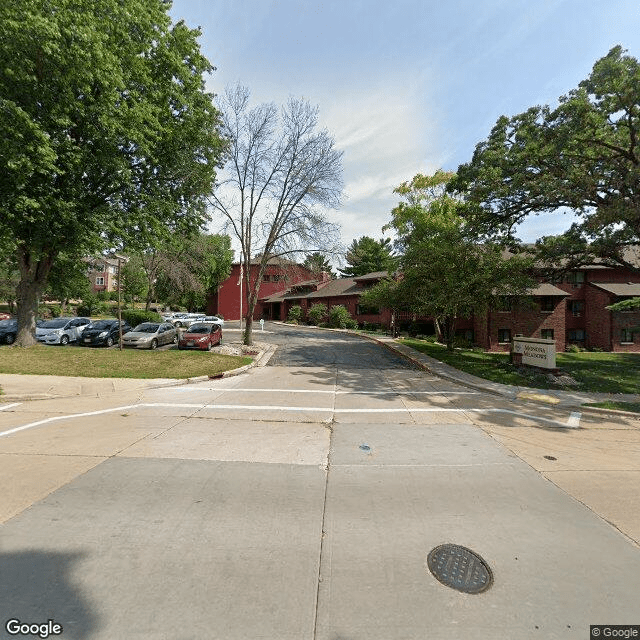
250 Femrite Dr., Monona, WI 53716
To contact a resident: (608) 221-4422
For more information about senior living options: (866) 208-4318
Overall Review of Monona Meadows
Pros
 The residents are pleasant and seem happy.
- There are tons of activities that keep residents engaged.
- The place is nice.
- The residents can make Monona Meadows a nice or even great place to live for everyone.
- The surroundings are very nice and conveniently located, with residents generally being friendly.
- The facility allows pets and is nice.
- The tour was wonderful, featuring wildlife and preserved nature.
- The community is friendly, and the management is caring, creating a true family atmosphere.
Cons
 There is noise from slammed doors and pounding on the floors, and the noise carries throughout.
 - A maintenance person has not been hired for over a year, and windows and frames need cleaning.
- The place smelled bad and wasn’t very clean, and the tour guide seemed uninterested.
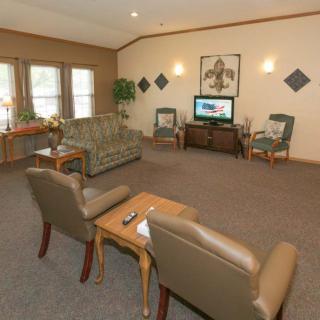
- The living rooms could be bigger and the kitchen could use more cabinets.
Review
Monona Meadows is best suited for budget-conscious seniors who crave a warm, family-like atmosphere, a robust social calendar, and straightforward access to meals, transportation, and practical daily needs. The community tends to attract residents and families who value camaraderie, friendliness from staff, and a sense of being cared for beyond mere hospitality. The surrounding area offers convenient access to stores, gas stations, and greenspace, which supports independent mobility and spontaneous social or outdoor activities. For adults who want an engaging, low-friction environment where you are treated like a neighbor rather than a number, Monona Meadows checks many essential boxes.
Those who may want to consider alternatives are seniors who demand pristine cleanliness and consistently flawless upkeep, or who require larger living spaces and higher-end finishes. The reviews note concerns about odor and cleanliness at times, and living spaces that could be bigger with more cabinets. Noise can be a factor, with doors and floors carrying sound in a way that may disrupt light sleepers. Another red flag for some is maintenance: reports that a maintenance presence has dwindled for an extended period can translate into slow fixes and visible wear. Finally, for families prioritizing high clinical oversight, 24/7 medical staffing, or a quiet, luxury environment, other communities may be a better fit.
The main strengths, a lively, sociable resident base and attentive, caring staff, often offset the drawbacks in practice. A consistent thread across reviews is the sense of a “family atmosphere” and genuine care from leadership and team members, including stories of staff going the extra mile to check on a resident in the middle of the night. Residents and families repeatedly highlight the abundant activities, the warmth of relationships, and the ease of everyday life enabled by transportation and meals. The affordability is not merely a price; it is a practical enabler of steady routines, social participation, and predictable budgeting, which matters profoundly for seniors on fixed incomes. When these pros align with realistic needs, friendly environment, accessible services, and a familiar routine, the drawbacks can feel manageable or secondary.
Yet caution remains warranted. The cleanliness and odor concerns, plus anecdotal notes about a tour guide’s lack of engagement, introduce a caveat about first impressions and ongoing upkeep. The absence of a dedicated maintenance presence for an extended period means issues may not be resolved promptly, and the compact living spaces may disappoint residents who want more storage or room to move. Noise from doors and foot traffic is not a trivial annoyance for some, and it can detract from rest or quiet activities. In short, the positive social fabric and affordability can compensate for some physical and environmental imperfections, but only for those who can tolerate the trade-offs without compromising essential comfort.
Financial and practical considerations should guide the decision as much as the emotional appeal. The community’s positioning as 60+ low-income housing signals strong affordability and a predictable cost structure, which is a decisive factor for many families. The included meals and transportation reduce ongoing planning and expense, while pets are allowed, enlarging the candidate pool for loved ones who rely on animal companionship. Proximity to everyday conveniences and nature preserves supports quality of life without driving constant transportation needs. The trade-offs, less polish, mixed cleanliness signals, and potential noise, are real, but they are balanced by a durable sense of belonging, reliable caregiving, and a budget-friendly lifestyle.
The practical approach for decision-makers is to visit with a clear checklist: observe daily routines, assess cleanliness more than one area and at multiple times, and dialogue directly with staff about maintenance responsiveness and turnover. Ask to meet front-line caregivers, review a sample meal calendar, and confirm transportation routes and timelines. Inquire about room options, storage, and any possible layout improvements, so expectations align with what is currently available. If the aim is a social, supportive community where companionship and consistent staff attention supersede pristine interiors, Monona Meadows stands out. If, instead, the priority is upscale amenities, expansive living spaces, or rigorous clinical oversight, explore alternatives that foreground those features.
 Active Adult Communities (55+)
 Dogs allowed
 Activities off-site
 Bath tubs
 Indoor common areas
 Outdoor common areas
 Wheelchair accessible showers
 Dane County Regional (6 miles away)



 Comprehensive Guide to Medicare Coverage for Hospice Care
 Caring for Those Who Care: Recognizing, Understanding, and Overcoming Caregiver Burnout
 Caregiver Exhaustion: Recognizing the Signs and Restoring Your Well-Being