
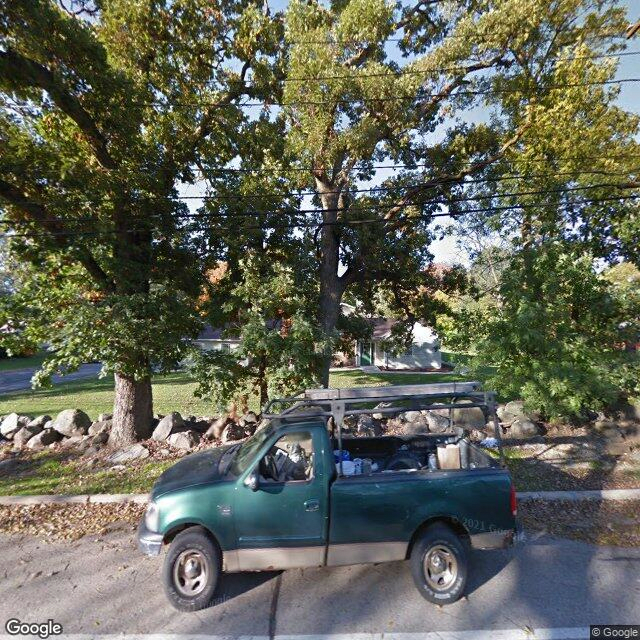
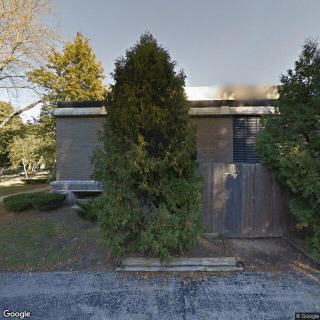
5222 Hammersley Rd, Madison, WI 53711
To contact a resident: (608) 441-7080
For more information about senior living options: (866) 208-4318
Hammersly House Costs & Pricing
Hammersly House offers competitive pricing for its private rooms, with a monthly cost of $3,500. This rate is notably lower than the average for Dane County, which stands at $3,914, and significantly more affordable than the state average of $4,339. By choosing Hammersly House, residents not only benefit from a comfortable living environment but also enjoy substantial savings compared to other options in both the county and across Wisconsin. This commitment to affordability without compromising quality makes Hammersly House an appealing choice for those seeking private accommodations in the area.
| Floor plans | Hammersly House | Dane County | Wisconsin |
|---|---|---|---|
| Private | $3,500 | $3,914 | $4,339 |
Senior living communities with a similar price nearby
-
from +$500 / mo
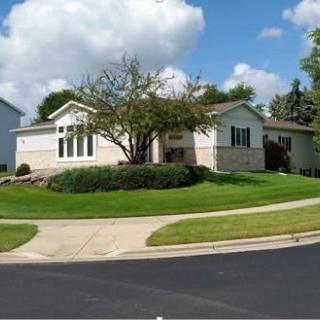
Timberwood Lodge Assisted Living and Memory Care
$4,000 to $4,500 / month0.7 miles away -
About the same
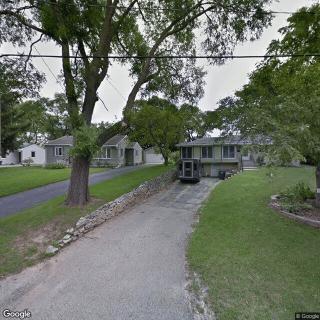
Reynolds Assisted Living Home LLC
$3,500 to $3,750 / month6.7 miles away -
About the same
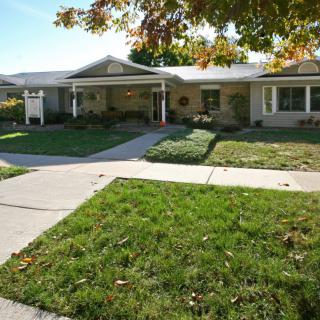
Our House Senior Living Assisted Care - Lodi
$3,550 / month19.3 miles away -
from -$240 / mo
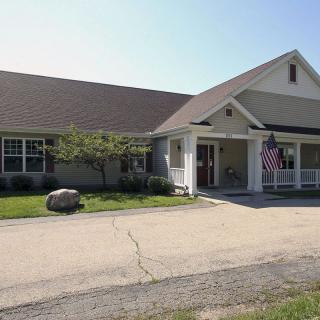
Our House Senior Living Assisted Care - Cambridge
$3,260 to $3,310 / month22.7 miles away -
from +$400 / mo
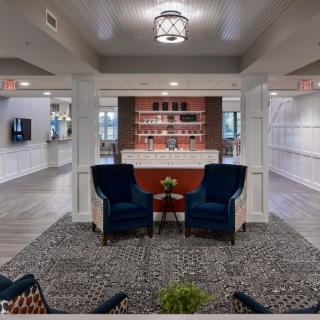
Kettle Park Senior Living
$3,900 to $4,820 / month14.9 miles away
Overall Review of Hammersly House
Pros
 The father is happy and as healthy as he can be since moving there.
- The home feels welcoming, with wonderful cooking smells and warm decor.
- The nursing care is absolutely top-notch.
- The family feels blessed to be part of the Fountainhead Homes family and prays for many years with them.
Cons
 None. The review is entirely positive and contains no negative statements in the third person.
Review
Hammersly House in Madison is best suited for families seeking a warm, home-like environment for a loved one whose needs center on memory care and daily living stability. The model that shines in this setting is one where the daily routine feels familiar, comfort is palpable, and the caregiving team treats residents with a consistent, family-like approach. When a resident’s dementia progresses to a point where familiarity, gentle supervision, and reliable nursing support make agitation less likely and mood steadier, this community style tends to yield meaningful improvements in happiness and overall well-being. For families prioritizing the emotional security that comes from a calm, homey atmosphere, Hammersly House can be a compelling fit.
That said, there are clear alternatives families may want to evaluate. If a loved one requires aggressive medical management, high-acuity nursing around the clock, or access to a broader continuum of care with on-site physicians and advanced rehabilitation services, a larger campus or hospital-affiliated memory care setting may deliver the critical resources more directly. For residents who benefit from extensive social programming, campus-wide amenities, or rapid access to specialty clinics, options with more formalized medical oversight and a wider array of therapies could better align with long-term needs. In short, a care plan that anticipates escalating medical complexity will often point families toward facilities with greater clinical depth.
The primary advantages of a home-like, nurse-led model, already evident in the cited experiences from nearby comparable homes, offset potential drawbacks in several practical ways. First, a warm, domestic ambiance and the scents and rituals of daily meals help reduce anxiety, promote appetite, and support cognitive engagement, which in dementia care translates into steadier days and fewer behavior triggers. Second, top-tier nursing attention, when consistently available, translates into quicker responses to changes in condition, fewer hospital transfers, and steadier medication management. Third, the social capital of a welcoming, family-involved environment reinforces trust with caregivers, easing the emotional burden on families who can participate in care planning and meals without friction. Taken together, these advantages often compensate for the absence of hospital-like medical intensity, especially for residents who do not require continuous acute care.
However, prospective residents should scrutinize how well the day-to-day operations match these strengths. The most salient questions concern staffing consistency, caregiver-to-resident ratios, and the availability of truly 24/7 medical oversight, should a sudden need arise. In a smaller, home-oriented setting, activity schedules can be wonderfully intimate, yet they may be less expansive than those at larger campuses. Families should also probe the dining experience, because nutrition and social meals are not merely calories but anchors of routine and mood. If outdoor spaces, transportation options for social outings, and access to a broad menu of therapies matter, verify that Hammersly House can deliver these at the level desired. The core decision rests on whether the warmth of the environment and nursing stability can fully satisfy the resident’s medical and social requirements.
To make this choice decisively, run a practical comparison checklist. Schedule a resident-and-family tour during diverse times to observe staff turnover and the consistency of caregivers. Sample meals to judge nutrition quality and portion appropriateness; ask about dietary accommodations and preferences. Inquire about emergency response times, partner physicians, and availability of on-site services such as physical therapy, occupational therapy, and cognitive therapies. Speak with current residents or families about mood, agitation levels, and perceived safety. Finally, negotiate a test period or transitional arrangement if possible, to assess fit before committing long term. The aim is to verify that the home-like promise translates into real daily experiences for the resident.
Ultimately, Hammersly House presents a compelling option for families prioritizing warmth, predictable routines, and dependable nursing care within a home-like setting. For those whose loved ones require deeper medical resources, sharper 24/7 clinical oversight, or an expansive continuum of care, it remains prudent to weigh larger or more medically oriented communities as alternatives. The core lens remains clear: choose the environment that reliably fosters comfort, safety, and dignity while delivering the appropriate level of medical support as needs evolve. With careful evaluation, the decision aligns with a trajectory of well-being and genuine peace of mind for both resident and family.
 Board and Care Home
 Activities off-site
 Indoor common areas
 Outdoor common areas
 Private
 Respite or short term stays offered
 Wheelchair accessible showers
 Dane County Regional (10 miles away)
 Diabetic care
 High acuity care
 Incontinence care
 Medication management
 Meals provided
 9 Stimulating Memory Activities for Seniors: Puzzles, Cards, and Much More
 Managing Nursing Home Expenses After Medicare Coverage Ends
 Is a Geriatric Care Manager the Right Choice for Your Family?