
2009 East Dayton Street, Madison, WI 53704
For more information about senior living options: (866) 208-4318
Overall Review of Arc Dayton St
Pros
 Jan Battle saves lives.
- Jan Battle and her carefully selected staff are praised for all they do.
- The staff truly care about helping people get their lives back on track.
- They remain there for people even after completing the program.
Cons
 The patient was under medicated and mistreated.
- The patient was terrorized by a woman from DOC.
- Nothing was handled appropriately.
- The patient had to leave and seek a higher level of care.
- The staff did not do their job.
- Record keeping was done poorly or not at all.
Review
Arc Dayton St in Madison is best suited for adults pursuing structured addiction recovery with a strong emphasis on aftercare and ongoing support, rather than for traditional senior living or custodial care. The reviews indicate a program built around active engagement, with staff who stay involved after treatment ends. Families evaluating elder care or long-term housing for a frail or medically complex loved one should not rely on this setting as a substitute for licensed assisted living or skilled nursing. If the goal is dependable medication management, consistent safety oversight, and predictable daily routines for an older adult, look elsewhere.
The strongest positives center on the human touch inside the program. When the staff are present and genuinely invested, residents describe tangible benefits: compassionate attention, practical help toward life-recovery goals, and a sense that staff are committed to outcomes beyond completion of the program. The reference to Jan Battle as a central figure who “saves lives” underscores that leadership and hands-on advocacy can translate into meaningful progress for those who respond to a recovery-oriented approach. The continuity of care, staff remaining engaged after formal completion, is a meaningful asset for someone willing to commit to a recovery pathway.
Yet those strengths are quickly offset by serious red flags raised in several accounts. A few reviewers report being under medicated or mistreated, with references to harmful interactions and a perceived failure of staff to fulfill essential duties. The most troubling notes describe unsafe dynamics and a person who caused fear, alongside claims that record-keeping was poor or entirely neglected. These experiences point to fundamental problems in medication administration, safety protocols, and administrative accountability. In a setting where vulnerable adults depend on precise oversight, such reliability gaps cannot be dismissed.
In weighing pros against cons, the positive, relationship-driven elements cannot fully compensate for the glaring safety and governance concerns. The difference hinges on whether a program can consistently deliver reliable medical oversight, clear disciplinary processes, and rigorous documentation. For someone seeking recovery support with robust aftercare, Arc Dayton St can be a lifeline if staff are consistently competent, attentive, and well-supervised. For others, especially seniors needing predictable daily structure, monitored medication, and steady 24/7 nursing presence, the risks evident in the negative anecdotes would likely outweigh potential benefits.
Prospective families should enter discussions with clear, evidence-based expectations. If Arc Dayton St is under consideration, insist on speaking with program leadership about medication management policies, incident reporting, staff-to-resident ratios, and the mechanism for addressing complaints. Request recent audit or licensing records, and seek opportunities to observe a shift to see how safety and record-keeping function in practice. Inquire about aftercare protocols, relapse prevention planning, and how families are kept informed. These steps help determine whether the environment can deliver the stability required for a vulnerable adult undergoing recovery, rather than relying on a benevolent reputation alone.
Overall, Arc Dayton St represents a conditional option in the spectrum of care. It can function as a meaningful, even life-changing pathway for adults committed to recovery and supported by engaged staff. However, its value is contingent on consistent medication safety, rigorous documentation, and reliable governance, elements exposed in the negative experiences. For families prioritizing traditional assisted living, elderly companionship, and steady medical oversight, alternatives within true senior-living communities are strongly advised. Informed, cautious consideration is essential, with a strong preference for facilities that demonstrate unwavering commitment to safety, transparency, and day-to-day reliability.
 12 resident community capacity
 Assisted Living
 Cable or satellite TV
 Dining room
 Fully furnished
 Garden
 Housekeeping services
 Move-in coordination
 Outdoor space
 Telephone
 Wi-Fi/high-speed internet available
 Dane County Regional (3 miles away)
 24-hour supervision
 Activities of daily living assistance
 Assistance with bathing
 Assistance with dressing
 Assistance with transfers
 Diabetes diet
 Meal preparation and service
 Medication management
 Special dietary restrictions
 Transportation arrangement (medical)
 Transportation to doctors appointments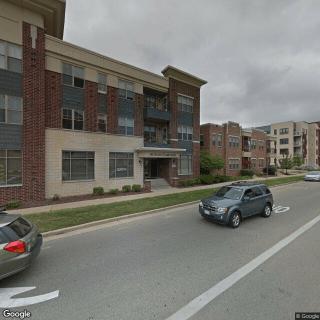




 Assisted Living Support for Veterans: A Complete and Detailed Overview
 Exploring the Contrasts Between Assisted Living and Skilled Nursing
 8 Key Indicators That Suggest It May Be Time to Transition from Assisted Living to Skilled Nursing Care