
324 Robin Lane, Luxemburg, WI 54217
For more information about senior living options: (866) 208-4318
Overall Review of Pine Tree Cbrf
Pros
 The care the grandmother received was absolutely amazing.
- The staff genuinely cared about each resident's well-being.
- The facility is highly recommended for a loved one.
- Oak Creek is an amazing facility.
Review
Pine Tree Cbrf in Luxemburg, WI is best suited for families seeking a small, intimate assisted-living option where daily care is delivered with exceptional warmth and consistency. The community appears ideal for seniors who value a home-like atmosphere and want caregivers who know residents by name and respond with genuine regard for their well-being. The strongest signal from the available feedback is that caregivers are deeply invested in residents, creating an environment where daily routines are handled with patience, attentiveness, and a sense of personal responsibility. For families prioritizing reassurance that a loved one will be treated with kindness and steady, hands-on support, this setting stands out.
Those who may want to consider alternatives are families looking for more extensive medical oversight or a broader suite of clinical services on-site. If a loved one requires frequent nursing attention, complex medication management, or highly structured programming for memory care, a larger or more medically oriented community could be a better fit. Additionally, if the desire is for a wide range of specialized activities, therapy options, or a campus with more robust on-site resources, exploring options beyond a smaller CBRF may yield greater alignment with those needs.
The primary strength of Pine Tree Cbrf lies in the staff’s commitment to residents. The standout feature in the available feedback is the perception that every caregiver genuinely cares about each resident’s well-being, which translates into attentive daily care, responsive assistance, and a trusting relationship between families and the care team. When a loved one receives care characterized by this level of personal dedication, safety and comfort tend to rise in practice: familiar faces, consistent routines, and immediate help when tasks become challenging. That kind of environment often reduces anxiety for both residents and family members.
Given the limited explicit discussion of cons in the feedback, the most practical caveats involve typical trade-offs inherent to smaller, community-based settings. A small facility can mean a more intimate atmosphere and personalized attention, but it can also suggest fewer on-site clinical resources, fewer specialized programs, and potential constraints in activity variety or advanced medical services. Families should consider whether the level of medical oversight, therapy options, and transportation support meets the current and anticipated needs of their loved one. In some cases, the comfort of a small, caring team needs to be weighed against the reassurance of broader medical reach.
For families evaluating options, key decision criteria should include staffing patterns and coverage, supervisor presence, and how care plans are developed and adjusted. Inquire about caregiver-to-resident ratios across shifts, the process for updating care plans, and the mechanism for family input. Clarify meal quality and flexibility, medication management practices, and how quickly staff respond to alarms or requests. Finally, assess the social calendar and transportation arrangements to ensure there are meaningful opportunities for engagement when needed, without sacrificing the essential daily care that clearly resonates with reviewers.
Overall, Pine Tree Cbrf presents a compelling case for families who prioritize a highly attentive, compassionate caregiving culture. The described experience suggests a setting where residents are treated with respect, dignity, and real warmth, producing comfort, trust, and peace of mind for families. This makes the community a strong option for seniors who want to stay engaged in a supportive, home-like environment with people who take personal responsibility for well-being. For those whose needs lean more toward intensive medical services or diverse on-site programming, it is prudent to investigate comparable facilities that foreground clinical resources and broader activity offerings.
 8 resident community capacity
 Assisted Living
 Cable or satellite TV
 Dining room
 Fully furnished
 Garden
 Housekeeping services
 Move-in coordination
 Outdoor space
 Telephone
 Wi-Fi/high-speed internet available
 Austin Straubel International (21 miles away)
 24-hour supervision
 Activities of daily living assistance
 Assistance with bathing
 Assistance with dressing
 Assistance with transfers
 Diabetes diet
 Meal preparation and service
 Medication management
 Special dietary restrictions
 Transportation arrangement (medical)
 Transportation to doctors appointments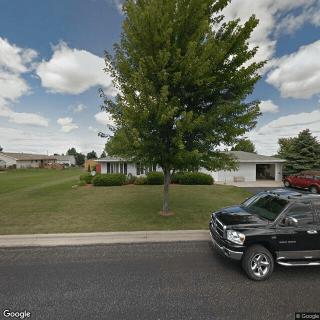



 When to Transition from Assisted Living to Memory Care: Key Indicators, Steps, and Finding the Right Community
 Assisted Living and Memory Care: Understanding Their Core Differences
 Beyond the Bingo Hall: 50+ Enriching Activities for Seniors in Assisted Living