Lake Shore Assisted Living Lake Tomahawk is an assisted living and memory care community in Lake Tomahawk, WI.
Information last verified:
6416 Flicker Road, Lake Tomahawk, WI 54539
For more information about senior living options: (866) 208-4318
Lake Shore Assisted Living Lake Tomahawk Costs & Pricing
Lake Shore Assisted Living in Lake Tomahawk offers competitive pricing for its residents, making it an appealing option when comparing costs within Oneida County and the broader state of Wisconsin. For a semi-private room, residents can expect to pay $3,200 monthly, which is notably lower than the county average of $3,556 and significantly more affordable than the state average of $3,977. Those opting for a studio will find that at $3,800 per month, it remains a cost-effective choice compared to the Oneida County average of $4,242, while still aligning closely with the statewide figure of $3,999. Overall, Lake Shore stands out as a budget-friendly solution without compromising on care or quality.
Floor plans
Lake Shore Assisted Living Lake Tomahawk
Oneida County
Wisconsin
Semi-Private
$3,200
$3,556
$3,977
Studio
$3,800
$4,242
$3,999
Memory care communities with a similar price nearby
Lake Shore Assisted Living in Lake Tomahawk, WI is a warm and inviting community that offers exceptional care for seniors in need of assistance. Our dedicated staff provides personalized support to residents, ensuring their comfort and well-being at all times. We offer two types of care: Board and Care Home, which caters to individuals who require general assistance with daily activities, and Memory Care, designed specifically for those with Alzheimer's or other forms of dementia.
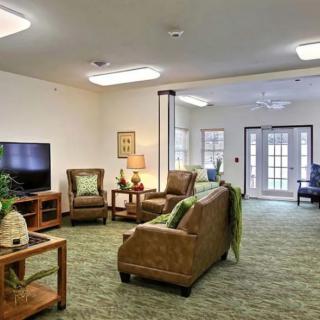
Our community boasts a wide range of amenities to enhance the quality of life for our residents. Each room is fully furnished and includes cable or satellite TV, Wi-Fi/high-speed internet, and telephone services. We have spacious indoor common areas where residents can socialize and engage in various activities. Additionally, we provide move-in coordination to make the transition as seamless as possible.
At Lake Shore Assisted Living, we understand the importance of maintaining a healthy lifestyle. Our meals are freshly prepared on-site and cater to any special dietary restrictions our residents may have. Alongside meal services, we offer housekeeping services to ensure cleanliness and tidiness in both private rooms and communal spaces.
Residents have access to beautiful outdoor spaces where they can enjoy nature's beauty or engage in gardening activities if desired. We also provide respite or short-term stays for individuals who need temporary care or support.
Our highly trained staff is available around the clock to assist with activities of daily living such as bathing, dressing, transfers, medication management, and more. In collaboration with health care providers, we ensure coordinated care plans tailored to each individual's needs.
The mental wellness program at Lake Shore Assisted Living focuses on providing specialized memory care programming for those with cognitive impairments, including those with Alzheimer's disease or dementia. Devotional services are offered offsite to meet the spiritual needs of our residents.
We believe that engagement is essential for a vibrant community atmosphere. With community-sponsored activities and scheduled daily activities available on-site, residents have ample opportunities to socialize and participate in recreational pursuits. Additionally, transportation services are provided for medical appointments.
Lake Shore Assisted Living is conveniently located near several restaurants, offering residents and their families the opportunity to enjoy dining out together when desired.
Overall, Lake Shore Assisted Living in Lake Tomahawk, WI offers a supportive and enriching environment where residents receive personalized care and can thrive physically, mentally, and socially.
Nearby Places of Interest
Restaurants
Shamrock Bar (2.5 miles)
Hazelhurst Pub (6.5 miles)
Lakeside Grill (7.1 miles)
Briq's Soft Serve (7.6 miles)
Burger & Shake (7.6 miles)
Rendezvous Pub & Eatery (7.9 miles)
FusterClucks (8.2 miles)
Parks
Raven Trail (7 miles)
Torpy Park (9 miles)
Dorwin Park (9 miles)
Minocqua Dog Park (10.3 miles)
Arbor Vitae Fireman's park (10.5 miles)
Minocqua Baseball Park Complex (11.1 miles)
Transportation
Budget Truck Rental (7.7 miles)
U-Haul Moving & Storage (9.4 miles)
Alamo (11.2 miles)
Rhinelander–Oneida County Airport (RHI) (11.6 miles)
Rhinelander Airport (11.6 miles)
Air Direct Airlines (12 miles)
Lakeland Aviation Fbo (12.4 miles)
Places of Worship
Ascension Lutheran Church (7.8 miles)
Eaglebrook Church (7.9 miles)
Wels (8.9 miles)
Wels (9.2 miles)
Eaglebrook Church (9.7 miles)
United Methodist Church of the Pines (9.8 miles)
Pine Grove Community Church (10.6 miles)
Cafes
Island Cafe (8.9 miles)
Cafe Sonder (8.9 miles)
Caribou Coffee (10.1 miles)
Our Place Cafe (10.2 miles)
Pharmacies
T A Solberg Co. (8.9 miles)
Home Town Pharmacy (9.7 miles)
St Germain Pharmacy (9.7 miles)
Walgreens (10 miles)
Trig's Pharmacy (10.1 miles)
Trig's Food & Drug (10.1 miles)
Walmart Pharmacy (10.3 miles)
Physicians
Gi Associates (9.6 miles)
Pfaller Dental Clinic (9.7 miles)
Redman & Gelinas Eye Care (9.8 miles)
Marshfield Clinic (9.9 miles)
Zhang Daiwei Marshfield Clinic Minocqua Center Minocqua (9.9 miles)
Marshfield Clinic (9.9 miles)
Ministry Health Care (9.9 miles)
Theaters
Lakeland Cinema I Ii Iii (9.8 miles)
Hospitals
Howard Young Medical Center Urgent Care (9.9 miles)
Lake Shore Assisted Living in Lake Tomahawk offers competitive pricing for its residents, making it an appealing option when comparing costs within Oneida County and the broader state of Wisconsin. For a semi-private room, residents can expect to pay $3,200 monthly, which is notably lower than the county average of $3,556 and significantly more affordable than the state average of $3,977. Those opting for a studio will find that at $3,800 per month, it remains a cost-effective choice compared to the Oneida County average of $4,242, while still aligning closely with the statewide figure of $3,999. Overall, Lake Shore stands out as a budget-friendly solution without compromising on care or quality.
Lake Shore Assisted Living Lake Tomahawk offers a comprehensive range of features designed to enhance the quality of life for residents with dementia or Alzheimer's disease. Assistance with dressing and bathing not only promotes personal hygiene but also fosters dignity and independence. Medication management ensures that residents receive their medications on time, minimizing health risks associated with forgetfulness. Meal preparation and service cater to nutritional needs while accommodating dietary restrictions, which are critical for overall well-being. Transportation arrangements for medical appointments facilitate access to necessary healthcare services, further integrating residents into their care plans through coordination with health care providers. With support in activities of daily living, assistance during transfers, and specialized memory care programming tailored to individual cognitive levels, the environment is both safe and stimulating. Additionally, 24-hour supervision provides peace of mind for families, while mental wellness programs address emotional needs and promote social interaction. The inclusion of a dementia waiver along with incontinence care ensures that all facets of a resident's health are addressed holistically, enhancing their overall comfort and security within the community.
Yes, Lake Shore Assisted Living Lake Tomahawk allows both dogs and cats.
Nearby Communities
Pastime Club
Minocqua, WI
Comprehensive assisted living with meals, housekeeping, transportation for medical visits, 24-hour supervision, and daily activities in furnished apartments.
Country Terrace Assisted Living & Memory Care-Minocqua
Minocqua, WI
3 from 1 review
$4,200 / month
Flexible scheduling and strong Covid-19 safety measures.
Country Terrace Minocqua II
Minocqua, WI
5 from 1 review
Small, personalized care with memory care specialization.
Country Terrace Minocqua I
Minocqua, WI
Small, intimate setting with Board/Care and Memory Care, 24-hour supervision, ADL support, meals, memory programming, and medical transport.
One Penny Place
Woodruff, WI
4 from 8 reviews
Friendly staff, personalized rooms, and flexible dining with engaging amenities.
Milestone Senior Living Woodruff
Woodruff, WI
4.7 from 20 reviews
$4,950 to $6,400 / month
Caring staff with engaging activities in a clean, accessible setting.
Dementia often results in disrupted sleep patterns, leading to excessive daytime sleeping due to factors like brain damage affecting circadian rhythms, medication side effects, and lack of structure in daily activities. Caregivers must monitor these changes closely, as oversleeping can increase risks such as malnutrition or dehydration, and provide necessary support and routines to enhance patient engagement and well-being.
The transition from assisted living to skilled nursing care is often prompted by complex medical needs that assisted living cannot meet, with key indicators including frequent health declines, increased falls, severe memory issues, and caregiver burnout. Families should recognize these signs early to discuss options with healthcare providers and prepare for the emotional and logistical aspects of moving to a facility that offers comprehensive medical support.
Dementia is characterized by cognitive decline, with nutrition playing a vital role in brain health; while no specific diet can prevent or reverse it, a nutrient-dense diet rich in antioxidants and healthy fats may support cognitive function. The MIND diet, which emphasizes beneficial foods and limits processed items, along with proper hydration and individualized meal strategies, can enhance the well-being of dementia patients.
Get PricingAsk A QuestionSchedule A TourContact Senior Advisor
By clicking submit, you agree to our Partner's Terms of Use. You
also consent to receive calls and texts, which may be autodialed, from our Partner. Your consent is not a condition to
using our Partner's service. Please visit our Partner's Privacy Policy for information about their privacy practices.


 16 resident community capacity
 Assisted Living
 Board and Care Home
 Memory Care
 Cats allowed
 Dogs allowed
 Activities on-site
 Cable or satellite TV
 Devotional services off-site
 Dining room
 Fully furnished
 Garden
 Housekeeping services
 Indoor common areas
 Move-in coordination
 Outdoor space
 Respite or short term stays offered
 Telephone
 Wi-Fi/high-speed internet available
 Rhinelander-Oneida County (12 miles away)
 24-hour supervision
 Assistance with bathing
 Assistance with dressing
 Assistance with transfers
 Diabetes diet
 Diabetic care
 Hospice waiver
 Incontinence care
 Meal preparation and service
 Medication management
 Mental wellness program
 Special dietary restrictions
 Transportation arrangement (medical)
 Transportation to doctors appointments
 Comprehensive assisted living with meals, housekeeping, transportation for medical visits, 24-hour supervision, and daily activities in furnished apartments.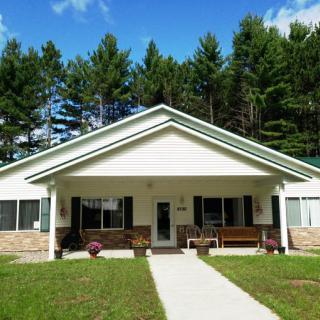

 Why Do Dementia Patients Sleep So Much? Understanding Oversleeping, Stages, and Care Approaches
 8 Key Indicators That Suggest It May Be Time to Transition from Assisted Living to Skilled Nursing Care
 Nourishing the Mind: Essential Dietary Approaches for Dementia