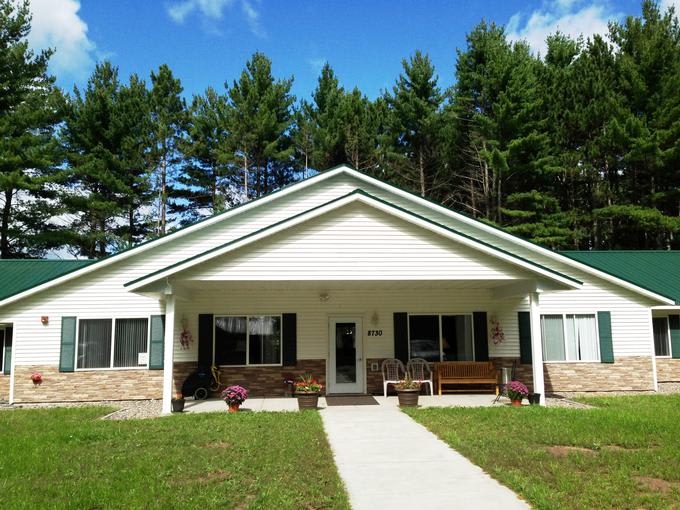

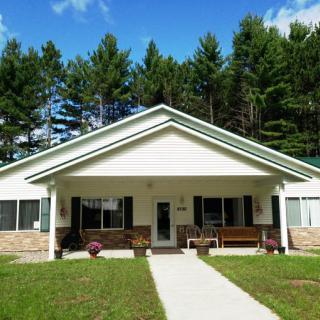
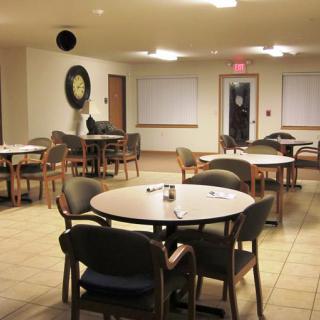
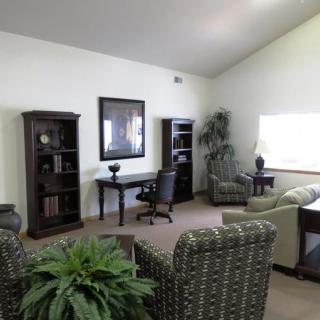
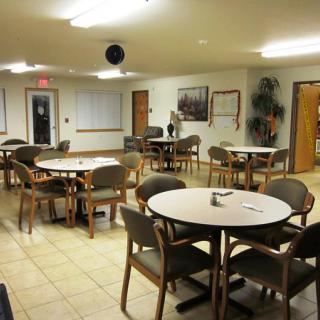
8730 Packing Plant Rd, Minocqua, WI 54548
To contact a resident: (715) 356-1171
For more information about senior living options: (866) 208-4318
Country Terrace Assisted Living & Memory Care-Minocqua Costs & Pricing
Country Terrace Assisted Living & Memory Care in Minocqua offers competitive pricing for its residents, particularly when compared to the broader market in Vilas County and the state of Wisconsin. The cost for a studio room at Country Terrace is $4,200 per month, which is notably lower than the county average of $4,538. This pricing also aligns favorably against the state average of $3,999 for similar accommodations. Overall, Country Terrace provides an attractive option for individuals seeking quality assisted living and memory care services while ensuring affordability within the local context.
| Floor plans | Country Terrace Assisted Living & Memory Care-Minocqua | Vilas County | Wisconsin |
|---|---|---|---|
| Studio | $4,200 | $4,538 | $3,999 |
Memory care communities with a similar price nearby
-
from +$750 / mo
Milestone Senior Living Woodruff
$4,950 to $6,400 / month0.7 miles away -
About the same
Milestone Senior Living Eagle River
$4,300 to $5,200 / month21.6 miles away -
About the same
Milestone Senior Living Rhinelander
$4,300 to $5,999 / month23.5 miles away -
from -$210 / mo

Lake Shore Assisted Living
$3,990 / month5.6 miles away
Overall Review of Country Terrace Assisted Living & Memory Care-Minocqua
Pros
 Country Terrace was able to work on the family's timeline.
- Country Terrace has done a good job with Covid-19.
Cons
 They have a high rate of staff turnover.
- The activities are limited.
- Socialization and activities do not appear to be a high priority.
- The meals are not up to standard; they resemble sandwiches and hot dogs rather than healthy options for seniors.
- The Covid-19 lockdown makes it difficult to assess the facility's true quality.
Review
Country Terrace Assisted Living & Memory Care-Minocqua is best suited for families needing a quick, straightforward placement for a loved one who does not require highly specialized programming or a robust, destination-style activity schedule. It works for those who value a predictable, no-frills environment where move-in can be arranged on a tight timeline and the basic routines are established without prolonged planning. In short, this community serves as a practical, budget-conscious option for families prioritizing ease of transition over breadth of social programming.
The standout practical advantage is admissions flexibility. The ability to accommodate a speedy move-in can be a decisive factor when time is limited, especially for families traveling from out of town or coordinating a sudden change in care needs. That responsiveness matters: it reduces days of stress and confusion and lets a loved one settle into a familiar, managed setting more quickly than many alternatives. For those who value administrative willingness and a straightforward path to residency, this is a meaningful edge that cannot be dismissed.
Yet the positives are tempered by clear, meaningful drawbacks. A high rate of staff turnover bleeds into daily life, undermining consistency in routines, familiar faces, and reliable care interactions. That reality translates into uneven experiences for residents, repairs to schedules that feel unpredictable, and a sense that “the usual caregiver” may not be consistently available. Social opportunities and organized activities are limited, leaving less-structured days and fewer chances for meaningful peer interaction. Paired with meals that fall short of senior-nutrition expectations, more simple fare like sandwiches and hot dogs than thoughtfully planned, balanced menus, the overall quality can feel conservative and underwhelming for residents who crave stimulation and nourishing offerings.
These cons are not incidental frictions but core elements that shape day-to-day life. The scheduling and staffing fluctuations undermine the stability families expect in a long-term living arrangement, especially for residents who benefit from predictable routines or who rely on consistent caregivers for cues and reassurance. The more limited activity calendar reduces opportunities for social connection, reminiscence, and gentle engagement, which are often central to quality of life in assisted living. When meals miss the mark, it compounds concerns about overall well-being and daily satisfaction. Taken together, the combination of turnover, constrained programming, and subpar dining creates a environment that delivers essential care, yet asks residents to compromise on enrichment and culinary expectations.
With these dynamics in mind, this community is a reasonable fit for families who prioritize ease of admission and a clear, uncomplicated living experience, accepting that social programming and dining quality may not be the standout strengths. For residents who value frequent, varied activities, robust social opportunities, and consistently high-quality meals, alternatives should be pursued. Families should also be mindful if memory care needs are pronounced; while the property offers memory care, the current limitations in engagement and staffing stability may blunt the potential benefits for residents who require steady, specialized programming and a consistently attentive caregiving team.
To make an informed comparison, visitors should target several concrete inquiries. Request a current staffing matrix and turnover data, and ask who typically handles routine care tasks over a two- to three-week window. Review the most recent activity calendar and sample menus to gauge whether offerings align with personal preferences and dietary needs. Speak with both front-line staff and administrators about how care plans are updated and communicated, and seek out current residents or family members for candid feedback on consistency and responsiveness. Finally, tour during various times of day to observe how routines unfold and to assess whether the atmosphere feels calm, organized, and genuinely attentive to individual residents. This combination of diligence will illuminate whether Country Terrace’s practical strengths align with the specific priorities of the prospective resident or whether a more active, nutritionally robust, and staff-stable option is warranted.
 Assisted Living
 Memory Care
 Activities off-site
 Beautician on-site
 Devotional services off-site
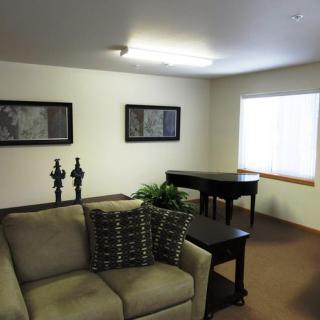
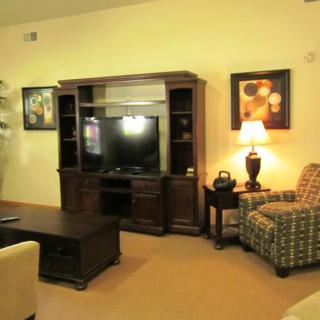
 Indoor common areas
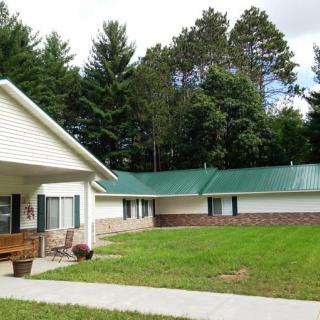
 Outdoor common areas
 Respite or short term stays offered
 Wheelchair accessible showers
 Rhinelander-Oneida County (21 miles away)
 Diabetic care
 High acuity care
 Incontinence care
 Meals provided
 Vibrant Senior Living: A Comprehensive Guide for Active Older Adults
 Assisted Living and Memory Care: Understanding Their Core Differences
 Choosing the Right Senior Care: A Detailed Exploration of Assisted Living and Nursing Homes