
505 Belitz Drive, Kiel, WI 53042
For more information about senior living options: (866) 208-4318
Field Of Dreams Assisted Living Costs & Pricing
Field Of Dreams Assisted Living offers competitive pricing for its residents when compared to both Sheboygan County and the broader state of Wisconsin. For a studio apartment, the monthly cost is $3,945, which is slightly above the county's average of $3,758 but remains within a reasonable range of Wisconsin's statewide figure of $3,999. In contrast, the one-bedroom option at Field Of Dreams is priced at $6,120 - a significant increase over both the county average of $3,898 and Wisconsin's average of $3,412. This pricing suggests that while Field Of Dreams provides valuable amenities or services that may justify the higher cost for one-bedroom accommodations, potential residents should weigh these benefits against local and state averages to ensure they make an informed decision that aligns with their financial plans.
| Floor plans | Field Of Dreams Assisted Living | Sheboygan County | Wisconsin |
|---|---|---|---|
| Studio | $3,945 | $3,758 | $3,999 |
| 1 Bedroom | $6,120 | $3,898 | $3,412 |
Memory care communities with a similar price nearby
-
from -$745 / mo

Liberty House
$3,200 to $3,500 / month24.3 miles away -
from -$195 / mo

The Shores Of Sheboygan Assisted Living II
$3,750 to $4,500 / month16.5 miles away -
from +$255 / mo

Countryside Manor
$4,200 to $5,300 / month14.6 miles away -
from -$745 / mo
Magnolia Meadows
$3,200 / month22.5 miles away -
About the same
Abridge Care Cottage of Chilton
$3,850 to $5,100 / month10.7 miles away
Overall Review of Field Of Dreams Assisted Living
Pros
 The Field of Dreams experience has been very positive, and the staff are very helpful.
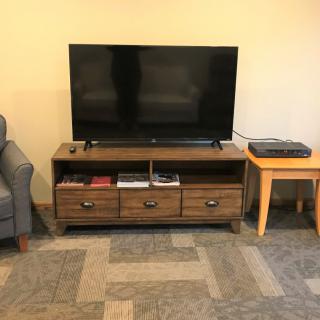
- The rooms are very spacious, and the dining room is family-style with small tables.
- Residents get daily exercise and participate in social activities, church services, and a variety of activities.
- The staff are very friendly, helpful, and cooperative.
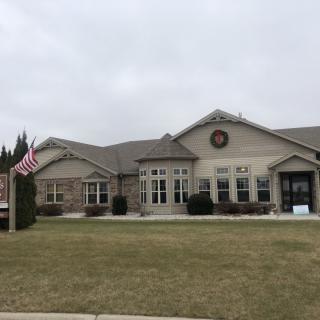
- Field of Dreams is a very nice facility; it is well arranged and very clean.
- The people are very friendly, and the facility offers activities and a van that takes residents to doctor’s appointments.
Cons
 A reviewer warns readers to check the owner's criminal record and qualifications before entrusting a loved one to his care.
Review
Field Of Dreams Assisted Living in Kiel is best suited for families seeking an intimate, home‑like environment where residents receive steady daily engagement and personal attention. The setting is ideal for seniors who thrive in a small, cohesive community, value routine social interaction, and appreciate a traditional dining experience. It serves well those who want daily exercise, church services, and a broad slate of activities without the bustle of a larger campus. Families prioritizing a highly regulated atmosphere with expansive medical staffing should consider alternatives, as the small scale and ownership questions at this property warrant caution for those needing robust oversight or transparent governance.
The most evident strengths lie in the tangible everyday comforts and the relational energy of the place. Rooms described as spacious and a dining room arranged for family-style meals with small tables foster a sense of home and personal connection. Residents reportedly receive daily exercise and participate in social activities, church services, and a variety of other engagements, contributing to a rhythm that keeps residents engaged and visible. The staff is repeatedly characterized as friendly, helpful, and cooperative, creating a practical, low‑friction environment for families navigating daily caregiving tasks. These elements collectively offset the constraints of a smaller setting by preserving dignity, routine, and social belonging.
Size and logistics also work in Field Of Dreams’ favor. The home’s compact footprint, roughly 24 residents, facilitates close, attentive supervision and an easier, more personalized care dynamic. Cleanliness and thoughtful arrangement were noted by visitors, and the presence of a transportation van to doctor appointments reduces the administrative burden on families. For residents who prize frequent social interaction within a manageable group, the environment can feel safer and more manageable than larger communities where anonymity and scheduling bottlenecks can degrade both morale and access to care.
Yet, a meaningful caution shadows these positives. A reviewer urged families to verify the owner’s criminal record and qualifications before placing a loved one in care, signaling potential governance and oversight risks that can undermine trust even when the day-to-day care appears solid. With two low-star ratings contributing to a middling overall score, questions about governance, policy clarity, and risk management are not trivial. Prospective families should demand transparent information about licensing, background checks, and the owner’s credentials before committing, treating this as a non‑negotiable due diligence task.
How the favorable aspects stack up against these concerns depends on priorities. For families that prize a personable, low‑stress environment where staff know residents by name, the strengths, comfortable rooms, engaging activities, daily fitness, and accessible transportation, can deliver meaningful quality of life gains that offset the small scale. The evident warmth of the staff and cooperative mood can smooth medical coordination and daily routines, supporting continuity of care in ways that larger facilities sometimes struggle to sustain. However, if governance transparency and a robust risk-management framework are non-negotiables, these red flags may overwhelm the benefits, making alternatives with clearer ownership and stronger governance more prudent.
In the end, Field Of Dreams Assisted Living represents a practical, home-centered option for those who are comfortable with a small, intimate setting and who are prepared to perform due diligence on ownership and oversight. Families should explicitly consider alternatives if a transparent ownership history, larger resident base, or more formal medical support is required. A deliberate visit is essential: meet the staff, ask direct questions about licensing and owner qualifications, request references, and review the contract carefully. The decision should align with the resident’s social needs, medical requirements, and the family’s tolerance for governance transparency, ensuring a choice that preserves dignity, safety, and meaningful daily life.
 24 resident community capacity
 Assisted Living
 Memory Care
 Beauty salon
 Cable or satellite TV
 Dining room
 Fully furnished
 Garden
 Housekeeping services
 Kitchenette
 Move-in coordination
 Outdoor space
 Restaurant-style dining
 Small library
 Telephone
 Wi-Fi/high-speed internet available
 24-hour call system
 Activities of daily living assistance
 Assistance with bathing
 Assistance with dressing
 Assistance with transfers
 Diabetes diet
 Medication management
 Mental wellness program
 Special dietary restrictions


 Comprehensive Insights on the Late Stages of Dementia: What to Expect and How to Provide Care
 Medications Associated with Dementia Risk: A Comprehensive Overview
 Guiding Your Journey: Understanding Power of Attorney for Elderly Parents