
2203 Hancock Lane, Janesville, WI 53545
For more information about senior living options: (866) 208-4318
Overall Review of Hearthside
Pros
 The staff is friendly and the facility is clean, providing for residents’ needs.
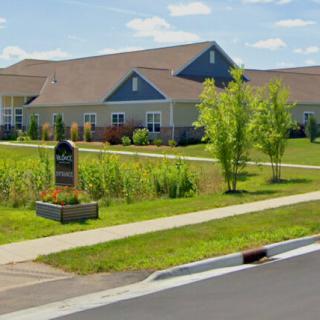
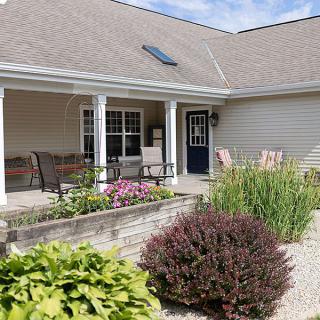
- The exterior resembles an English Tudor mansion with inviting outdoor spaces like a courtyard, gazebo, and a covered patio.
- The dining room features a beautiful, warm fireplace that creates a homelike feel.
- The food is delicious and prepared in a healthful manner, with varied healthy menus and snacks offered regularly.
- The interior furnishings are lovely, with ample seating, natural light, and fresh air.
- There are spacious communal areas for crafts, reading, games, and more, supporting an active social life.
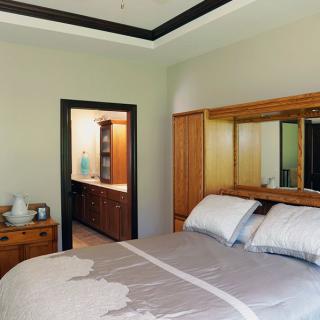
- The private rooms are spacious and nicely decorated, with plenty of natural light and comfortable furniture.
- Residents can safely walk the grounds and participate in regular exercise classes.
- Residents enjoy trips and cultural outings, along with diverse dining experiences.
- The staff accommodates all levels of ambulation with kindness and caring, and residents appear to enjoy living there.
Cons
 The reviewer was not overly impressed with the common or private areas for residents.
- The reviewer noted an old-person smell in the facility.
Review
Hearthside in Janesville is best suited for seniors who want a warm, home-like assisted living community where steady routines, genuine kindness from staff, and a lively social life take precedence over showy interiors. The place rewards residents who value daily interactions, accessible programming, and reliable support to maintain independence within a friendly, low-stress environment. A long-tenured resident’s praise underscores a sense of belonging and continuity, while the overall experience signals stability and predictability, qualities that matter when choosing a setting for long-term living.
Families considering alternatives should note that Hearthside may not satisfy those chasing the latest design trends or a boutique, luxury feel. If luxury finishes and ultra-modern decor are non-negotiables, a more upscale property may be a better fit. Those who require highly specialized medical oversight beyond typical assisted living, or who prioritize a high-end, salon-like atmosphere, would also want to explore other options. The same applies to potential residents who are particularly sensitive to older-appearing common areas or minor sensory notes associated with aging facilities.
The strongest pros at Hearthside offset the few perceptible drawbacks in a practical, meaningful way. The staff’s kindness and responsiveness, coupled with consistent cleanliness, create a dependable living environment where daily needs are met without friction. Nutritious, varied menus and a dining room that feels warm and homey translate into real quality of life, not merely meals. The abundant common spaces, outdoor areas, and natural light contribute to a cheerful atmosphere, while well-equipped private rooms deliver comfortable, personal space. On mobility, the team’s ability to accommodate all ambulation levels reduces friction for residents with varying needs, and the activity calendar ensures meaningful engagement.
Equally compelling are the expansive opportunities for social connection and exploration. The facility offers rooms for crafts, reading, games, and church services, along with a robust schedule of trips and cultural outings. Residents are not isolated; they mingle, learn, and participate in exercise classes, events, and gatherings that promote both physical health and mental stimulation. The exterior setting, an English Tudor-inspired façade with a courtyard, gazebo, and covered patio, complements the warm interior, reinforcing a sense of place where residents feel comfortable inviting family and friends to visit and share in everyday life.
A practical concern worth noting centers on the sensory aspects of aging facilities. One review described the common and private spaces as adequate rather than impressive, with an “old person smell” that, while not a harsh flaw, may be perceptible. Yet that note stands in contrast to the consistent cleanliness and the overall atmosphere of care and engagement observed across spaces. For families, this underscores that Hearthside prioritizes relationships, routine, and activity over architectural flash. The tangible benefits, safety, consistent staffing, plentiful daylight, accessible exercise options, and a thriving social ecosystem, are the real drivers behind satisfaction and steady occupancy.
In sum, Hearthside represents a commendable choice for seniors seeking a stable, sociable, and service-oriented living environment. It excels for residents who value community, reliable staffing, nutritious dining, and an active calendar that keeps bodies moving and minds engaged. It may be less appealing for those who need cutting-edge design or ultra-luxury finishes, or for families hoping for a facility that doubles as a high-end hotel experience. Prospects should approach with clear questions: how the activity calendar is tailored to individual interests, what transportation and outing support looks like, and how private rooms can be personalized for long-term comfort. With thoughtful consideration, Hearthside can offer a fulfilling, long-term home built on connection, care, and consistent quality.
 8 resident community capacity
 Assisted Living
 Board and Care Home
 Memory Care
 Cable or satellite TV
 Dining room
 Fully furnished
 Garden
 Housekeeping services
 Move-in coordination
 Outdoor space
 Telephone
 Wi-Fi/high-speed internet available
 24-hour supervision
 Activities of daily living assistance
 Assistance with bathing
 Assistance with dressing
 Assistance with transfers
 Diabetes diet
 Hospice waiver
 Meal preparation and service
 Medication management
 Mental wellness program
 Special dietary restrictions
 Transportation arrangement (medical)
 Transportation to doctors appointments


 Understanding Dementia Behaviors: Practical Insights and Strategies for Caregivers
 When Dementia Sparks Anger and Aggression: Understanding the Connection and Ways to Cope
 Dementia Behaviors: In-Depth Understanding and Effective Coping Strategies