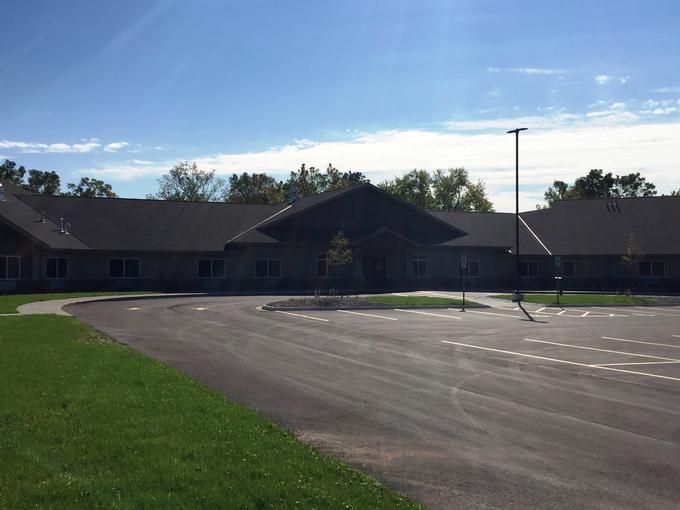

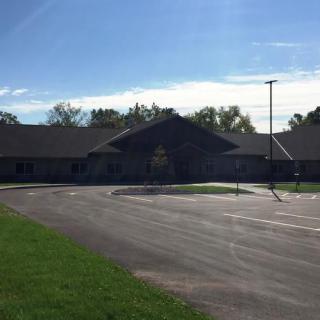
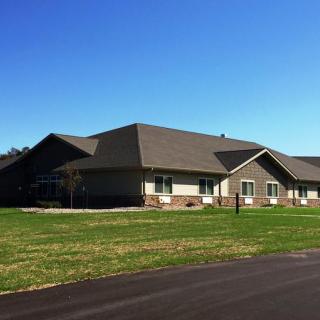

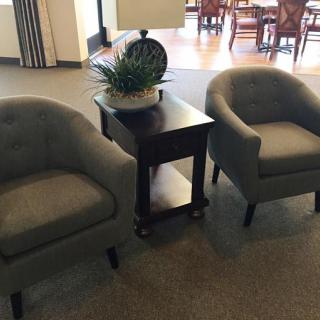
112 Harris Way, Hortonville, WI 54944
For more information about senior living options: (866) 208-4318
Care Partners Hortonville Costs & Pricing
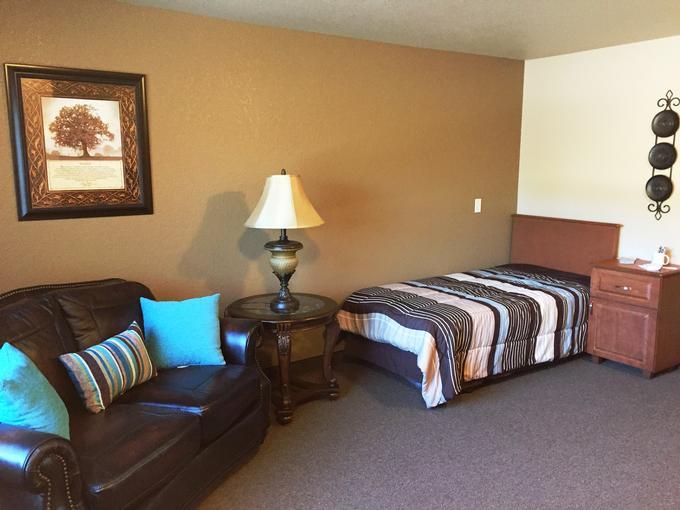
At Care Partners Hortonville, the monthly cost for a studio room is set at $5,400, reflecting the premium services and personalized care offered in this supportive environment. In comparison, the average monthly cost for similar accommodations in Outagamie County stands at $4,320, while the statewide average across Wisconsin is even lower at $3,999. While Care Partners Hortonville may be priced above both local and state averages, it strives to provide an enhanced quality of life through dedicated staff attention and a range of amenities tailored to meet the unique needs of its residents. This investment speaks to the commitment to maintaining a higher standard of care that sets Care Partners Hortonville apart from other options available in the region.
| Floor plans | Care Partners Hortonville | Outagamie County | Wisconsin |
|---|---|---|---|
| Studio | $5,400 | $4,320 | $3,999 |
Memory care communities with a similar price nearby
-
from -$650 / mo
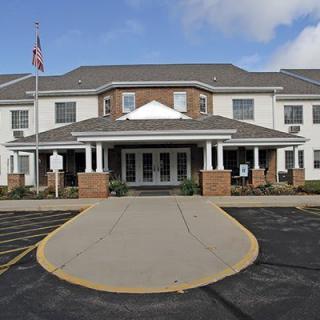
Dimensions Living Appleton
$4,750 to $5,300 / month8.9 miles away -
from +$620 / mo
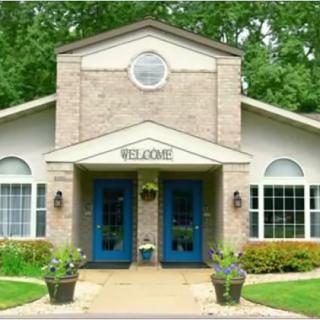
Azura Memory Care of Oshkosh
$6,020 / month22.3 miles away -
from -$300 / mo
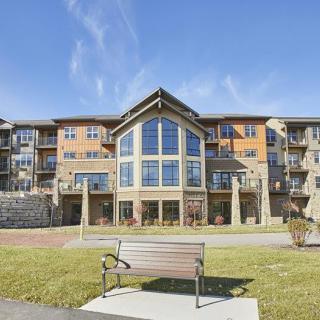
Eagle Point Senior Living
$5,100 / month13.3 miles away -
from -$700 / mo
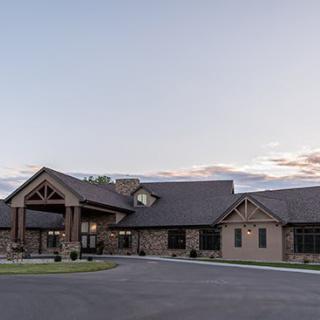
Century Oaks Assisted Living
$4,700 to $6,000 / month12.2 miles away -
About the same

Gardenview Assisted Living
$5,265 / month13.6 miles away
Overall Review of Care Partners Hortonville
Pros
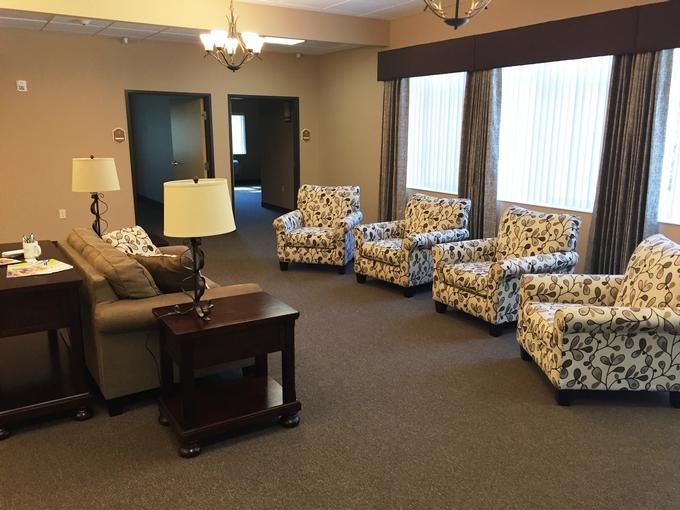
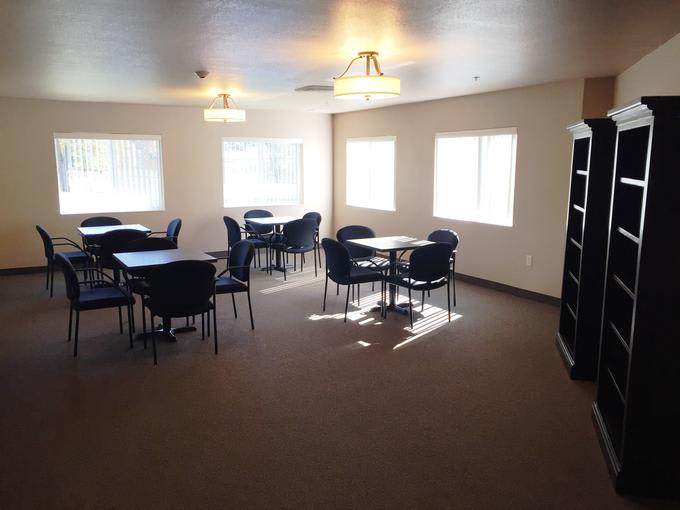
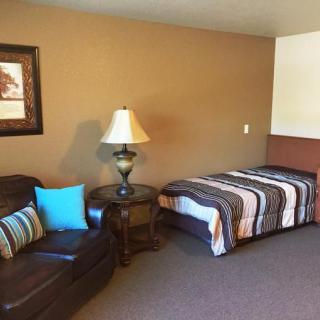
 The memory care units are spacious.
- Residents seemed engaged and had a good time during group activities.
- They would recommend Care Partners Hortonville to others.
- The staff are absolutely amazing.
- The facility is very clean.
- The workers are caring about residents' wellbeing.
- The residents seem genuinely happy and are in good hands.
- The administrator goes above and beyond for residents.
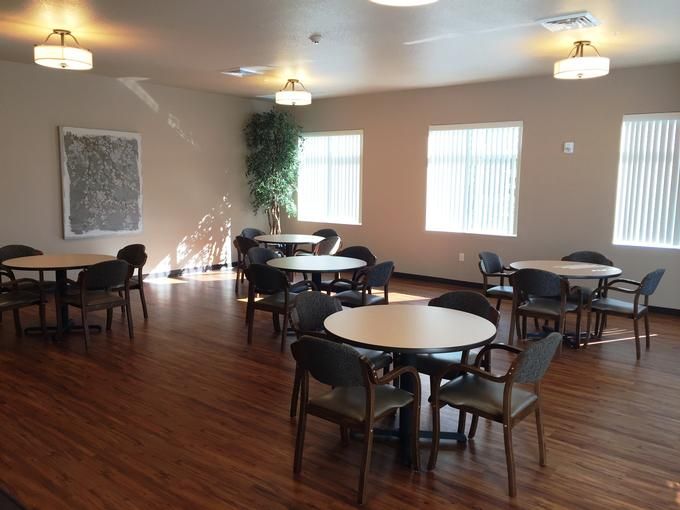
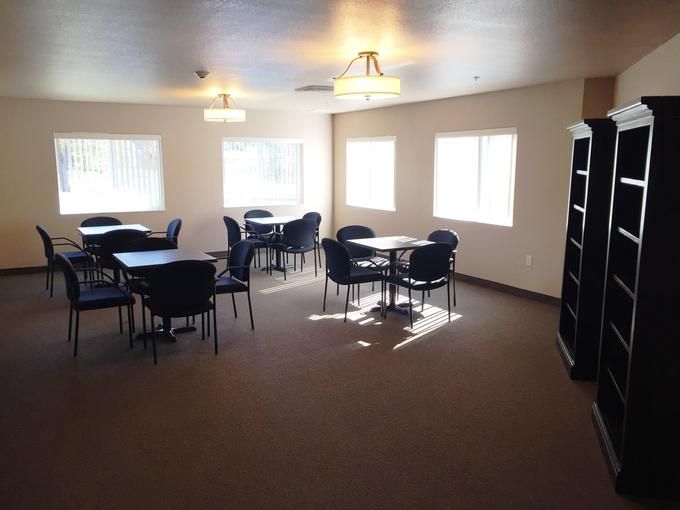
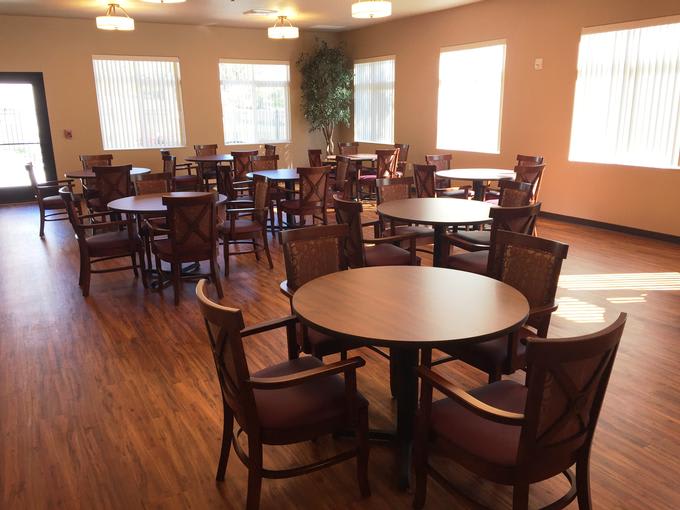
- The dining room serves good food.
- The staff treat residents like family.
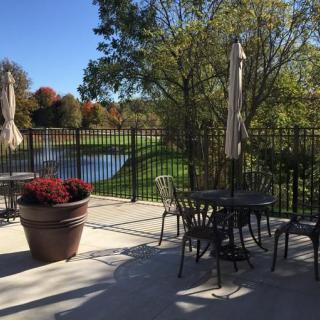
- The setting is appealing, quiet and peaceful.
- The Activity Director is attuned to individual needs and abilities.
Cons
 The facility is described as absolutely disgusting, with staff often on their phones, making it hard to contact loved ones.
- It is alleged that the facility does not care about the well-being of staff and residents, especially during the pandemic, with residents contracting COVID and PPE shortages.
- There are claims that there is little staff on-site and that COVID-positive staff continued to work, leaving non-COVID residents inadequately cared for.
- The reviewer would never send their mother there and would not recommend the facility to others.
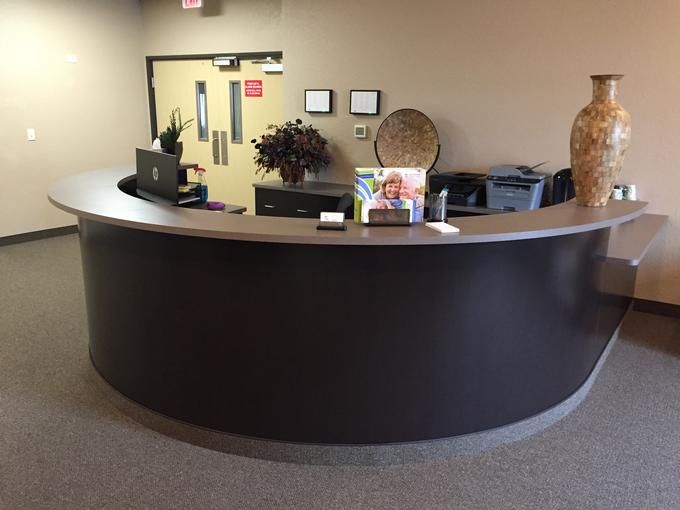
- The appointment and front-desk experience is criticized for poor communication and lack of timely information.
- The facility is not very active and is only half full, giving a negative impression of engagement and vitality.
Review
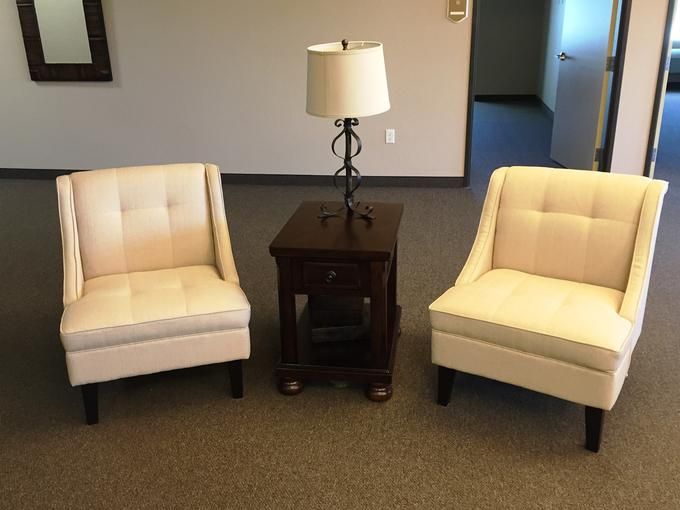
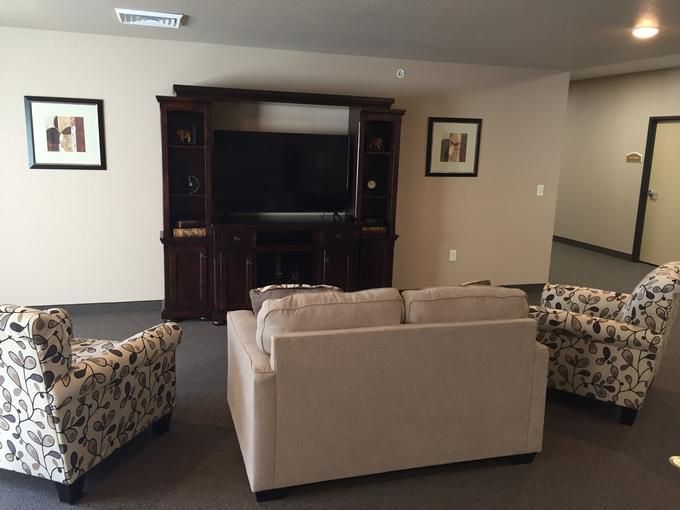
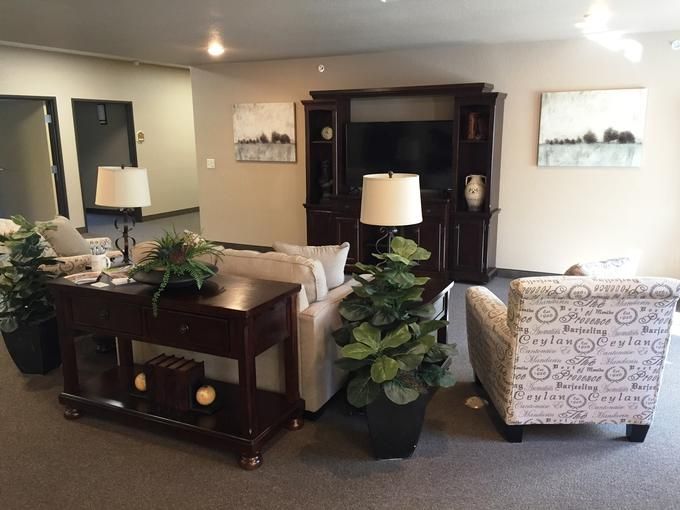
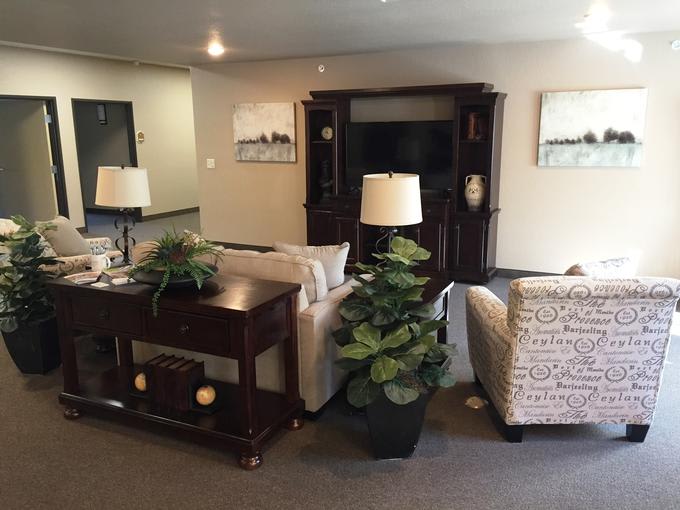
Care Partners Hortonville in Hortonville, Wisconsin is best suited for families seeking a warm, resident-first memory care environment where the culture feels like a close-knit, caregiving family. The community tends to shine with dementia care that emphasizes patience, individualized attention, and a home-like atmosphere. Residents here benefit from a spacious memory care setting, a clean environment, and staff who repeatedly earn praise for kindness and responsiveness. For families prioritizing a strong on-site care ethic, attentive aides, and a dining-and-activities program that feels personal, this is a compelling option.
That said, certain realities make alternatives worth considering for some families. Those who demand unwavering leadership visibility, consistent, proactive family communication, and a blueprint for daily operations that feels flawless may want to explore other communities. The spectrum of reviews includes accounts of staff who are described as dedicated and loving, but also reports highlighting leadership turnover, uneven on-floor leadership, and lapses in communication at times. If a seamless, always-on leadership presence and a transparent, problem-free family experience are nonnegotiables, it’s prudent to compare options before deciding.
The strongest positives here, staff devotion, a genuinely clean facility, and a director who goes the extra mile, do meaningful work in offsetting the most common care concerns. Families repeatedly praise the caregivers’ patience, the way staff greet residents with warmth, and the sense that residents are treated like family. The memory care team is described as respectful, attentive to dementia needs, and capable of delivering care with kindness and competence. A thoughtful activity program, led by an engaged activities director, helps residents feel included and valued, while dining is frequently singled out as pleasant and well-prepared. In short, the day-to-day care and the human touch provide a solid foundation that can make up for occasional administrative gaps.
However, the cons are not trivial. Some reviews recount experiences that feel mismanaged or poorly coordinated, with concerns about leadership presence on the floor and about communication with families. There are mentions of appointments or inquiries that were not handled as smoothly as expected, and at least one account describes periods when staff appeared overwhelmed or distracted. In a memory care setting, where daily routines, safety checks, and timely response to triggers matter greatly, on-floor leadership and reliable communication become critical. These gaps do not negate the care quality, but they do shift the calculus for families who need a rock-solid, consistently executed operations plan.
Despite the drawbacks, the meaningful pros can still outweigh the cons for many families, particularly those who value a genuinely caring crew and a memory care program with personality and depth. The positive voices emphasize not only competent clinical care but also the emotional warmth that helps residents feel at home. When leadership steps in, whether through the administrator or the director, there is a clear sense of a responsive team rallying around residents. For families who want a community where caregivers are willing to roll up sleeves and staff members are seen as part of a larger, supportive unit, Hortonville offers that reliable, person-centered core.
Families weighing alternatives should ask hard questions up front. How stable is the leadership team over the last 12–24 months? What is the actual on-floor coverage during peak hours? How are family updates handled, and how quickly are concerns addressed? What are the memory care activity schedules like, and how are activities tailored to individual abilities? What is the staffing ratio on the Dementia/Memory Care unit, and how is that maintained across shifts? These inquiries will separate the genuinely strong teams from those that merely sound good on paper.
Bottom line: Care Partners Hortonville presents a credible, caring option for memory care with a strong emphasis on person-centered interactions, family warmth, and practical day-to-day support. It is well worth a careful visit for families who value a homey environment, attentive caregivers, and a director-led culture that clearly puts residents first. For those who cannot compromise on consistent leadership visibility, flawless family communication, and relentlessly steady floor coverage, it pays to compare other communities with a sharper, more tightly run operations model before deciding. A tour, direct conversations with front-line staff, and a candid discussion of staffing and activities will reveal whether this community fits the specific needs and expectations of the loved one seeking care.
 56 resident community capacity
 Assisted Living
 Memory Care
 Cats allowed
 Activities on-site
 Air-conditioning
 Beautician on-site
 Cable or satellite TV
 Computer center
 Devotional services off-site
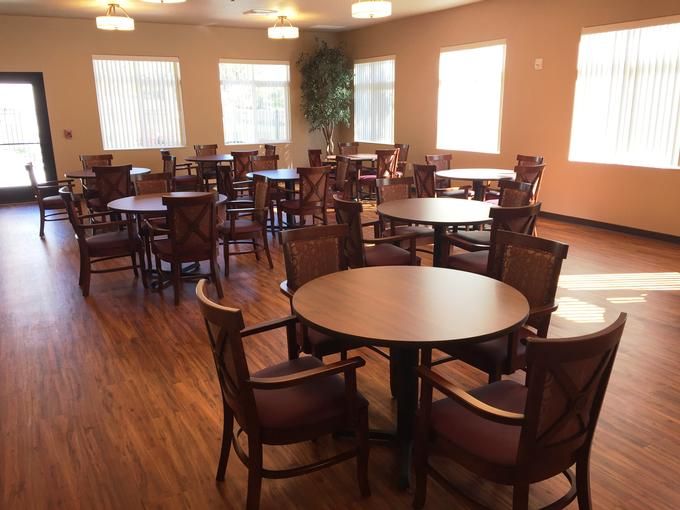
 Dining room
 Fitness room
 Fully furnished
 Gaming room
 Garden
 Handicap accessible
 Housekeeping services
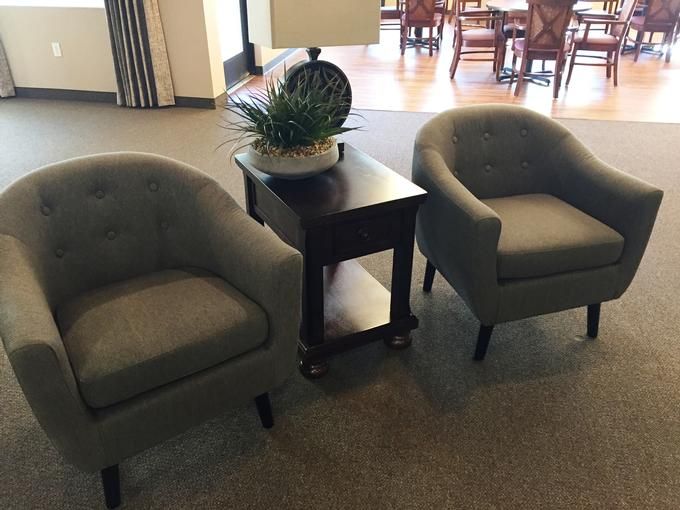
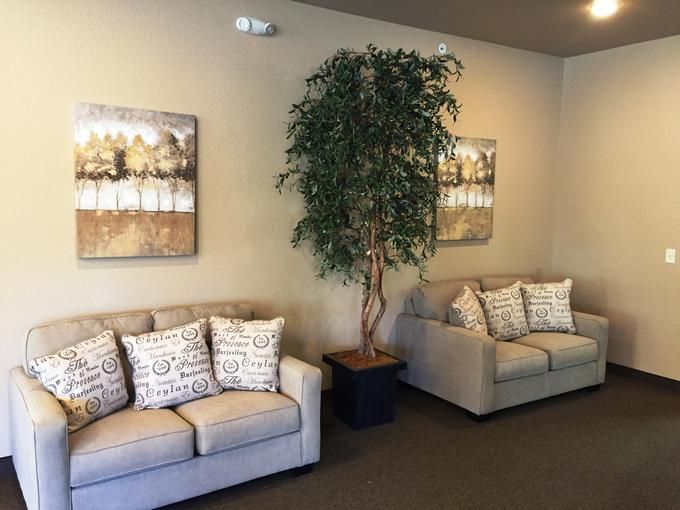
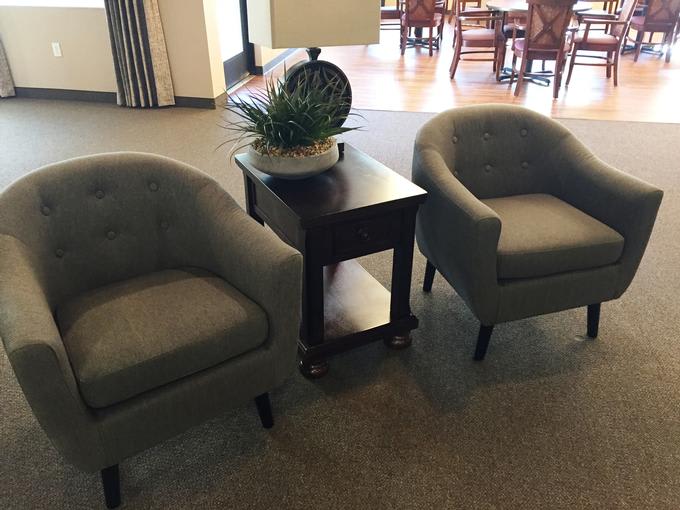
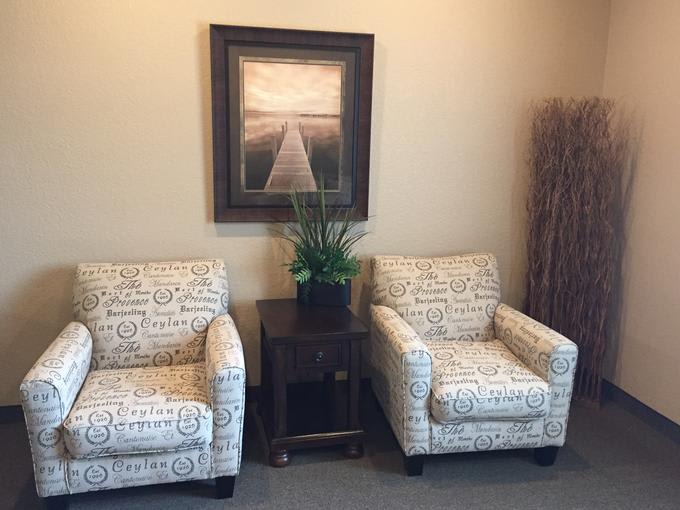
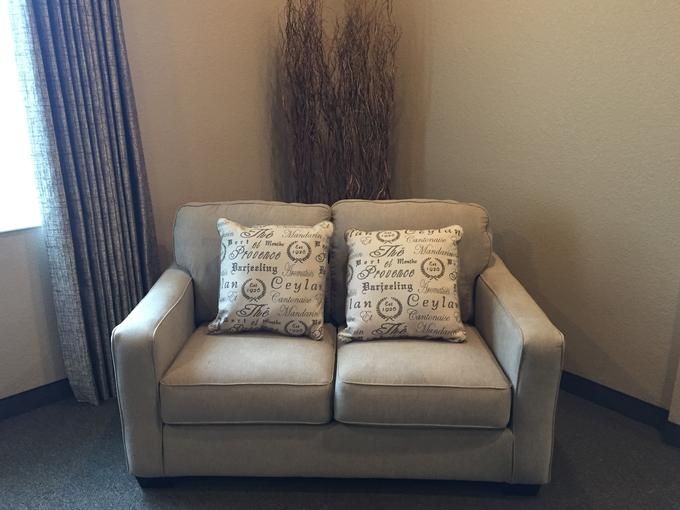
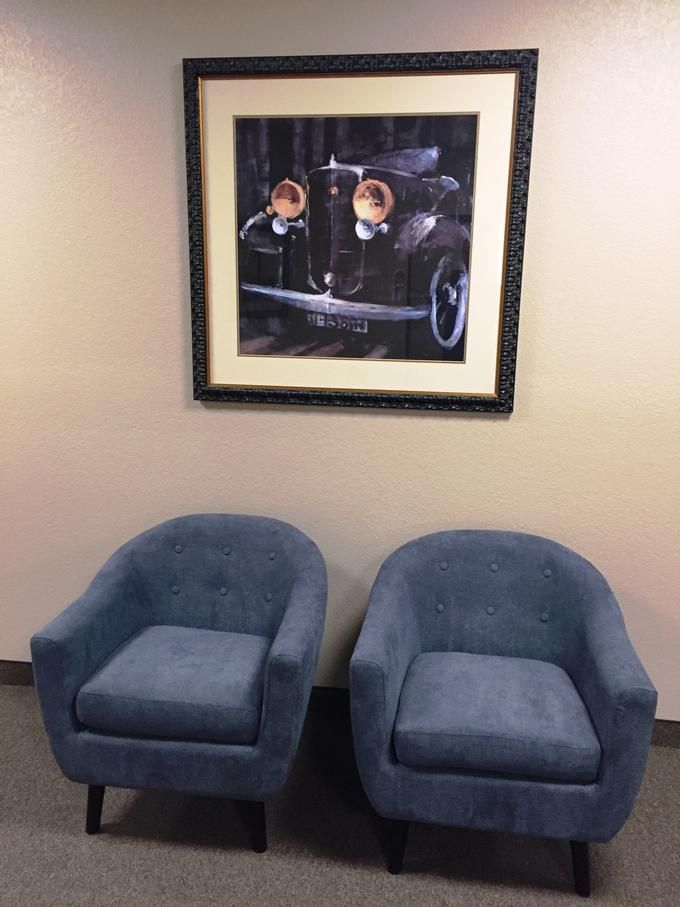
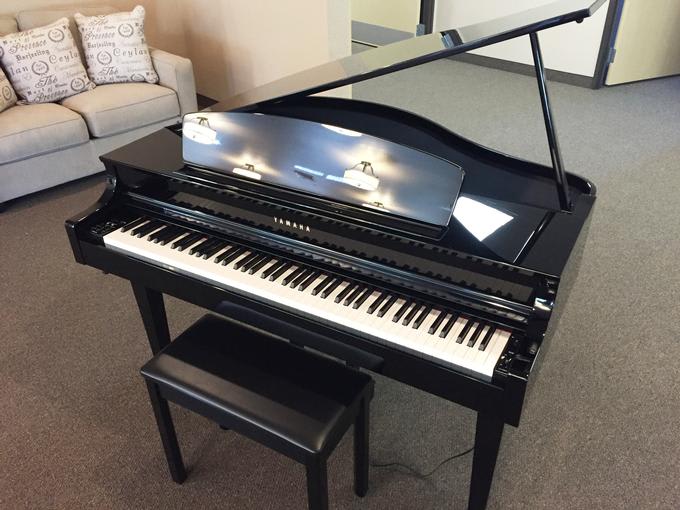
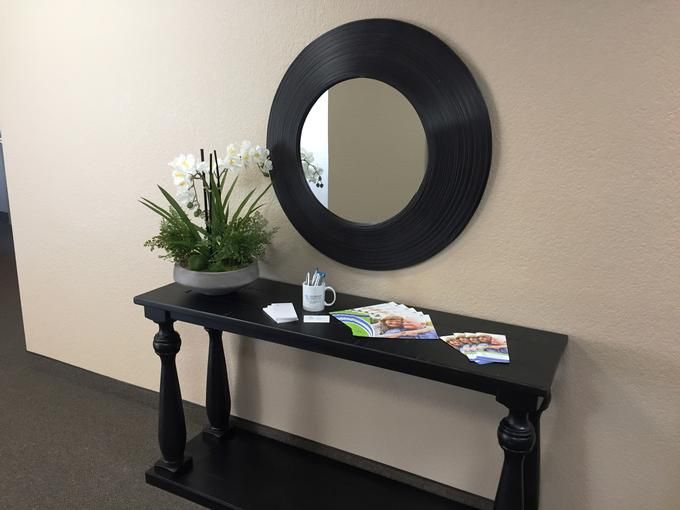
 Indoor common areas
 Kitchenette
 Move-in coordination
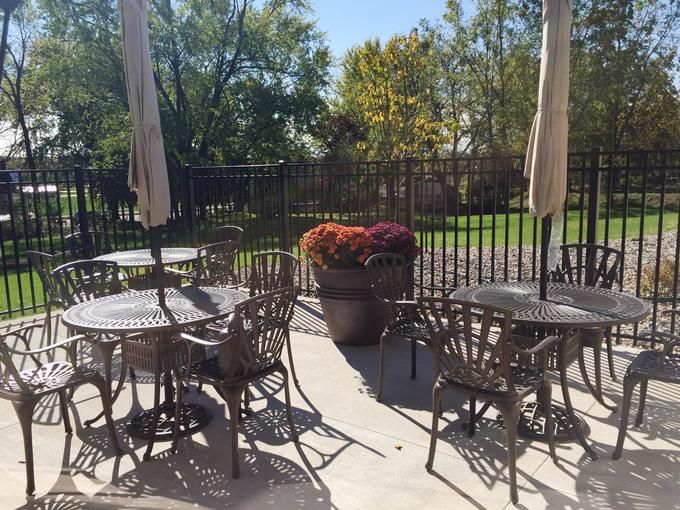
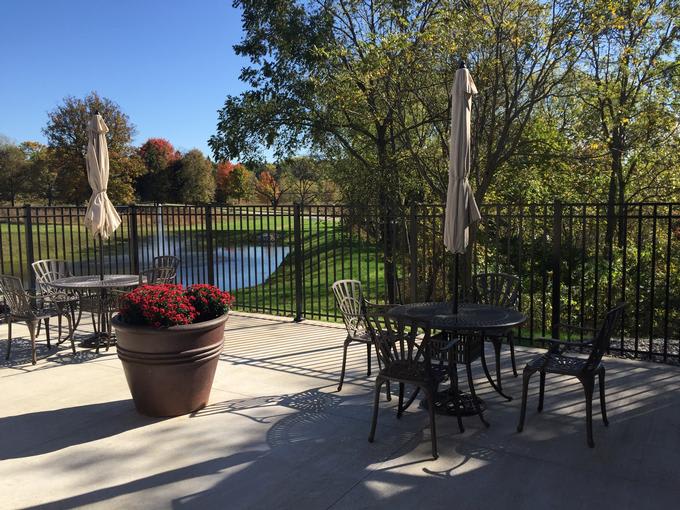
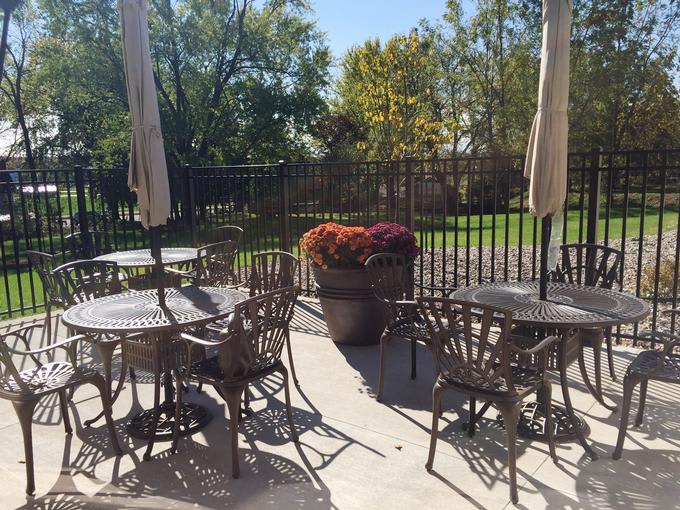
 Outdoor space
 Private bathrooms
 Respite or short term stays offered
 Restaurant-style dining
 Small library
 Telephone
 Wellness center
 Wheelchair accessible showers
 Wi-Fi/high-speed internet available
 Outagamie County Regional (8 miles away)
 Community operated transportation
 12-16 hour nursing
 24-hour call system
 Ambulatory care
 Assistance with bathing
 Assistance with dressing
 Assistance with transfers
 Diabetes diet
 Diabetic care
 Incontinence care
 Medication management
 Mental wellness program
 Special dietary restrictions
 Transportation arrangement (medical)
 Art classes
 Concierge services
 Cooking classes
 Day trips and outings
 Educational speakers / life long learning
 Happy hour
 Karaoke
 Live dance or theater performances
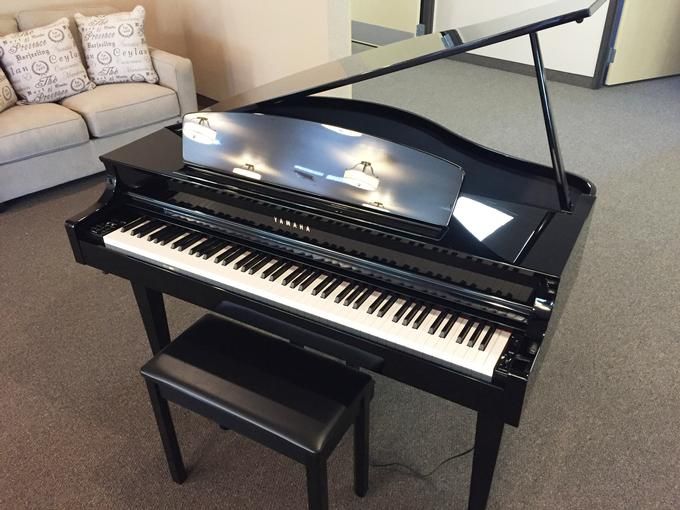
 Live musical performances


 Illuminating Insights About Alzheimer's Disease: Ten Crucial Realities
 A Thorough Discussion of Medications Potentially Linked to Dementia Risk
 Why Do Dementia Patients Sleep So Much? Understanding Oversleeping, Stages, and Care Approaches