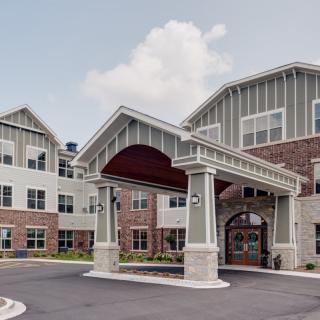
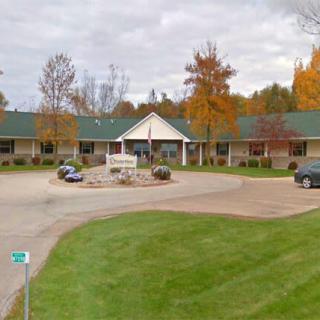
Living Tree Estates in Greenville, WI

N1916 Greenville Drive, Greenville, WI 54942

For more information about senior living options: (844) 490-3973

4.4 from 18 reviews
5 stars
14
4 stars
2
3 stars
0
2 stars
0
1 stars
2

Assisted Living Memory Care

Living Tree Estates Costs & Pricing

Living Tree Estates offers competitive pricing for its residents compared to both Outagamie County and the broader state of Wisconsin. For a semi-private room, Living Tree Estates charges $3,289 per month, which is slightly above the county average of $3,286 but significantly lower than the state average of $3,977. When it comes to one-bedroom accommodations, the cost at Living Tree Estates is $3,789, which reflects a premium over Outagamie County's rate of $3,501 and is notably higher than Wisconsin's average of $3,412. Overall, Living Tree Estates provides a balanced option for affordable living while maintaining quality care in the local community context.

Floor plansLiving Tree EstatesOutagamie CountyWisconsin
Semi-Private$3,289$3,286$3,977
1 Bedroom$3,789$3,501$3,412

What level of care are you interested in?

Assisted Living

Memory Care

Independent Living

Skilled Nursing Facility

Continuing Care Retirement Community (CCRC)CCRC

Other


Request a tour at Living Tree Estates

    Overall Review of Living Tree Estates

    Pros

    • pro The staff are friendly, skilled, and very informative.
    • pro The facility is lovely, homey, and spotless.
    • pro The meals are homemade, delicious, and varied, with a chef on site.
    • pro Residents are treated like family and receive attentive care.
    • pro There are abundant activities and social events that residents enjoy.
    • pro The rooms are large, clean, and comfortable with private bathrooms.
    • pro Transportation to doctors is arranged, and visiting therapists and specialists are available.
    • pro Families report high satisfaction and would recommend Living Tree Estates.

    Cons

    • pro The facility does not offer many activities, which is disappointing.
    • pro The meals are not great; the food is not fantastic.
    • pro They are having trouble finding a cook.
    • pro It wasn't as active as expected.
    • pro One reviewer called the management the worst ever and said residents are not first.
    • pro The apartments were smaller than expected.
    • pro It was not what they were looking for.
    • pro There were fewer activities due to COVID.

    Review

    Living Tree Estates in Greenville, Wisconsin is best suited for seniors who want a warm, intimate, small-scale community where staff know residents by name and treat them as family. Families seeking a homelike atmosphere with predictable routines, dependable safety, and strong personal connections will find this setting exceptionally compelling. Those who prioritize a bustling activity calendar, chef-driven dining with plenty of variety, or a more expansive campus with high-end amenities may want to consider alternatives. The balance here leans toward relationship-driven care and a homey vibe rather than a resort-like experience.

    The standout strength is undeniably the staff culture. Reviews consistently highlight a caring, friendly, and capable team that genuinely puts residents first. Families appreciate how staff are described as open, informative, and hands-on, with ownership that seems invested in each resident's well-being. The residential footprint supports that ethos: large, comfortable private rooms with full bathrooms, room for personal belongings, and spaces that feel like home rather than a clinical setting. The environment is reinforced by practical, on-site services - beauty shop, regular therapies, podiatry visits, transportation to appointments - providing a supportive safety net without excessive moving parts.

    Dining and daily life further reinforce the home-like narrative. Several families report homemade, home-style meals prepared on-site, with menus that feel comforting and familiar. The dining area is intimate and easy to navigate, which suits residents who value a quieter, more "everyday" meal experience over grand culinary theatrics. The property itself reinforces a lived-in, rural charm - sunroom, gazebo, and occasional farm day events with animals that encourage interaction and conversation. For residents who want meals and social time to be steady, predictable elements of daily life, Living Tree Estates delivers with convincing consistency.

    Activity levels and social opportunities are more nuanced, reflecting the community's size and staffing model. On one hand, reviewers praise a meaningful slate of activities - bingo, prayer time, crafts, and occasional larger events - along with frequent informal gatherings and family-friendly occasions. On the other hand, a few families note that activity offerings can be lighter than some would expect, and that the calendar may ebb and flow. This variability can be mitigated by the staff's attentiveness and the resident's own initiative, but it does mean families should align expectations with what a smaller community can sustain on an ongoing basis.

    A note of caution rests with a minority of reviews that flag management and consistency concerns. One account suggests that leadership may not consistently prioritize residents, and at least one reviewer characterized the management as less than ideal. Coupled with mentions of a cook shortage affecting menu quality, these voices indicate a potential fragility in operations if turnover or staffing gaps widen. Prospective families should probe directly about leadership accessibility, how care plans are updated, and what steps are in place to guarantee consistent communication and responsiveness. These factors matter when choosing a place that hinges on intimate, day-to-day care.

    In the end, Living Tree Estates stands out for families who prize warmth, personalization, and a true home atmosphere. It excels when the priority is strong caregiver relationships, comfortable private rooms, and reliable support services that keep daily life smooth and dignified. For those who insist on a squash of activity, or who equate value with a chef-driven menu and a bustling calendar, it is prudent to compare with communities that offer larger dining facilities, more expansive programming, and a broader range of medical or therapeutic services. Before deciding, visit during different times, meet multiple staff and residents, sample a few meals, and tour private rooms to verify that the tone, pace, and offerings align with the resident's goals and family expectations.

    Features

    Housing

    • 47 resident community capacity 47 resident community capacity

    Types of Care

    • Assisted Living Assisted LivingAssisted living facilities provide crucial support and care for seniors who may need help with daily tasks such as medication management, bathing, and meal preparation. These communities offer a safe and comfortable environment where seniors can maintain their independence while receiving the assistance they need to thrive in their golden years.
    • Memory Care Memory CareMemory care is crucial for seniors as it provides specialized support and services for individuals with dementia or Alzheimer's disease. These programs offer a safe and secure environment where residents receive personalized care, cognitive stimulation, and help with daily activities. Memory care helps seniors maintain their independence, quality of life, and dignity while also providing peace of mind for their families.

    Amenities

    • Activities off-site Activities off-siteEngaging in off-site activities is crucial for seniors to maintain social connections, stay active, and stimulate their minds. It promotes overall well-being and helps combat feelings of isolation and loneliness.
    • Activities on-site Activities on-siteActivities on-site are important for seniors because they provide opportunities for socialization, mental stimulation, physical activity, and overall well-being. Engaging in activities can help seniors stay active, maintain their independence, and improve their quality of life.
    • Beautician on-site Beautician on-siteHaving a beautician on-site at a senior living community is important for seniors as it allows them to easily access grooming and personal care services, boosting their self-esteem and overall well-being. It also provides convenience and helps seniors maintain their sense of independence and personal style.
    • Beauty salon Beauty salonBeauty salons are important for seniors because they provide a space for them to feel pampered, socialize, and maintain their personal grooming and hygiene. Regular visits to a beauty salon can help boost seniors' self-esteem and overall well-being.
    • Cable or satellite TV Cable or satellite TVCable or satellite TV is important for seniors because it provides entertainment, news, and companionship, helping to combat loneliness and boredom. It also offers a wide range of programming options tailored to different interests and preferences.
    • Devotional services off-site Devotional services off-siteDevotional services off-site are important for seniors as they provide spiritual nourishment, social engagement, and a sense of community outside of the senior living facility. This can enhance overall well-being and help combat feelings of isolation and loneliness often experienced by older adults.
    • Devotional services on-site Devotional services on-siteDevotional services on-site provide seniors with spiritual support and a sense of community, as well as an opportunity for reflection and guidance during their senior living experience. This can promote emotional well-being and connection to others, leading to a more fulfilling and enriching lifestyle in their later years.
    • Dining room Dining roomDining rooms are important for seniors as they provide a space for socialization, connection, and nutritious meals. They offer opportunities for residents to bond over shared meals, foster a sense of community, and promote healthy eating habits. Dining rooms also ensure that seniors have access to well-balanced meals tailored to their dietary needs and preferences.
    • Financial aid Financial aidFinancial aid is crucial for seniors as it can help them cover the costs of essential living expenses such as housing, food, and healthcare. Many seniors have limited incomes and savings, so financial assistance programs can provide them with the necessary support to maintain a decent quality of life in their retirement years.
    • Financing advice Financing adviceFinancing advice is crucial for seniors as they navigate the complexities of retirement planning, including managing fixed incomes, healthcare costs, and potential long-term care needs. Proper financial guidance can help ensure seniors maintain financial stability and security in their golden years.
    • Fully furnished Fully furnishedFully furnished senior living communities are important for seniors because they provide convenience, comfort, and a hassle-free moving experience. Seniors can easily settle into their new living space without the stress of having to buy and move furniture. This allows them to focus on enjoying their new home and community.
    • Garden GardenGardens are important for seniors as they provide a peaceful and therapeutic environment for relaxation, physical activity, and socialization. Being in nature has been shown to reduce stress, improve mood, and promote overall well-being. Gardens also offer opportunities for seniors to engage in gardening activities, which can improve mobility, flexibility, and cognitive function. Additionally, gardens create a sense of community and connection with others who share a passion for plants and outdoor spaces.
    • Home sale assistance Home sale assistanceHome sale assistance is important for seniors because it can help alleviate the stress and complexities of selling their home. This service can provide guidance, support, and practical assistance throughout the entire selling process, allowing seniors to transition to a new living situation with ease and peace of mind.
    • Housekeeping services Housekeeping servicesHousekeeping services are important for seniors because they help maintain a clean and safe living environment, promote independence, and reduce the risk of accidents or illnesses. Additionally, having assistance with household chores can alleviate physical strain and allow seniors to focus on other aspects of their well-being.
    • Indoor common areas Indoor common areasIndoor common areas are crucial for seniors as they provide a space for socialization, recreation, and community engagement, promoting overall well-being and reducing feelings of isolation and loneliness.
    • Kitchenette KitchenetteKitchenettes are important for seniors living in senior living communities because they provide the convenience and independence of being able to prepare simple meals and snacks in the comfort of their own living space. This can help promote a sense of autonomy and well-being for seniors, allowing them to maintain some level of control over their dietary choices and daily routines.
    • Move-in coordination Move-in coordinationMove-in coordination is important for seniors because it helps ease the transition into their new living environment. It ensures that all logistics, such as packing, organizing movers, and setting up utilities are taken care of, allowing seniors to focus on settling in and adjusting to their new home. Having a smooth move-in process can alleviate stress and anxiety, making the transition smoother and more enjoyable for seniors.
    • Outdoor common areas Outdoor common areasOutdoor common areas are important for seniors as they provide a space for socialization, physical activity, and relaxation. Being outside in nature can improve mood and overall well-being, while also encouraging movement and engagement with others. These spaces can help combat feelings of isolation and promote a sense of community among residents.
    • Outdoor space Outdoor spaceOutdoor spaces are important for seniors as they provide opportunities for physical activity, social interaction, exposure to natural light and fresh air, and a sense of connection to nature. Having access to outdoor spaces can improve overall well-being and quality of life for older adults living in senior communities.
    • Respite or short term stays offered Respite or short term stays offeredRespite or short term stays provide seniors with a temporary solution when their regular caregiver is unavailable, offering them the opportunity to receive additional care and support during times of need, while also giving caregivers a chance to rest and recharge.
    • Restaurant-style dining Restaurant-style diningRestaurant-style dining is important for seniors because it allows them to enjoy delicious, nutritious meals in a social and upscale setting. This enhances their dining experience, promotes healthy eating habits, and fosters socialization with fellow residents, ultimately contributing to their overall well-being and quality of life.
    • Small library Small librarySmall libraries are important for seniors as they provide access to a variety of reading materials, including books, newspapers, and magazines. This can help stimulate their minds, keep them engaged, and provide a sense of community through book clubs and other social activities. Additionally, reading has been shown to improve cognitive function and overall mental well-being in older adults.
    • Telephone TelephoneTelephones are important for seniors as they provide a lifeline for communication with loved ones, emergency services, and healthcare providers. They offer a sense of security and independence, enabling seniors to stay connected and access assistance when needed.
    • VA Benefits Consultation VA Benefits ConsultationVA Benefits Consultations are important for seniors because they provide valuable information on the benefits and resources available to them as veterans. These consultations can help seniors access financial assistance, healthcare services, and other support that can greatly improve their quality of life in their later years.
    • Wheelchair accessible showers Wheelchair accessible showersWheelchair accessible showers are crucial for seniors as they provide a safe and independent bathing option for those with mobility challenges. These showers help prevent falls and allow seniors to maintain their dignity and autonomy while ensuring they can bathe comfortably.
    • Wi-Fi/high-speed internet available Wi-Fi/high-speed internet availableWi-Fi/high-speed internet is important for seniors to stay connected with loved ones, access online resources, and participate in virtual activities to combat feelings of loneliness and isolation. It also allows them to easily manage healthcare needs, access entertainment, and engage in lifelong learning opportunities.

    Transportation

    • Outagamie County Regional (4 miles away) Outagamie County Regional (4 miles away)
    • Austin Straubel International (24 miles away) Austin Straubel International (24 miles away)

    Care Services

    • 24-hour call system 24-hour call system24-hour call systems are important for seniors because they provide peace of mind and immediate assistance in case of emergencies. This technology ensures that help is always available, promoting safety and security for elderly individuals living alone or in assisted living facilities.
    • 24-hour supervision 24-hour supervision24-hour supervision is important for seniors to ensure their safety, well-being, and access to immediate assistance in case of emergencies or health issues. This constant support provides peace of mind for both seniors and their loved ones, allowing them to age in place with dignity and security.
    • Activities of daily living assistance Activities of daily living assistanceActivities of daily living assistance are important for seniors because they provide essential support with tasks such as eating, bathing, dressing, and mobility. This assistance helps seniors maintain their independence, dignity, and overall quality of life as they age.
    • Assistance with bathing Assistance with bathingAssistance with bathing is crucial for seniors as it helps maintain personal hygiene, prevents infections, and ensures their overall well-being and comfort. It also provides a sense of dignity and independence for seniors who may struggle with this task on their own.
    • Assistance with dressing Assistance with dressingAssistance with dressing is important for seniors because it helps maintain their independence, promotes personal hygiene, prevents accidents and injuries, and improves overall quality of life. This service ensures that seniors can continue to dress comfortably and confidently, despite any physical limitations they may have.
    • Assistance with transfers Assistance with transfersAssistance with transfers is crucial for seniors as it helps prevent falls and injuries, maintains their independence, and ensures they can safely navigate their living environment. It also provides peace of mind for both seniors and their loved ones.
    • Diabetes diet Diabetes dietA diabetes diet is crucial for seniors as it helps manage blood sugar levels, reduce risks of complications, and improve overall health and well-being. By following a balanced and nutritious diet tailored to their specific needs, seniors can better control their diabetes and enhance their quality of life.
    • Diabetic care Diabetic careDiabetic care is crucial for seniors as they are more susceptible to developing diabetes due to aging and other health conditions. Proper management of diabetes can help prevent complications such as heart disease, vision loss, and nerve damage, improving the overall quality of life for seniors in senior living communities.
    • Incontinence care Incontinence careIncontinence care is essential for seniors to maintain their dignity, hygiene, and overall quality of life. By addressing incontinence issues promptly and effectively, seniors can enjoy a sense of independence and comfort in their daily activities.
    • Meal preparation and service Meal preparation and serviceMeal preparation and service are crucial for seniors as they may have limited mobility or energy to cook nutritious meals. Having access to healthy and convenient food options can ensure they are getting the proper nutrition needed to maintain their overall health and well-being.
    • Medication management Medication managementMedication management is crucial for seniors to ensure they are taking the right medications at the correct dosages and times. This helps prevent adverse drug interactions, reduces the risk of medication errors, and promotes overall health and well-being. Proactive management also allows for adjustments as needed based on changing health conditions or new prescriptions.
    • Mental wellness program Mental wellness programMental wellness programs are essential for seniors as they promote cognitive stimulation, emotional support, and social engagement. These programs help prevent isolation, depression, and cognitive decline, ultimately enhancing the overall quality of life for older adults.
    • Mild cognitive impairment Mild cognitive impairment"Mild cognitive impairment" is important for seniors because it is an early stage of cognitive decline that can potentially progress to more severe conditions such as dementia. Recognizing and addressing mild cognitive impairment can help seniors receive appropriate care and support to maintain their quality of life and independence for as long as possible.
    • Special dietary restrictions Special dietary restrictionsSpecial dietary restrictions are important for seniors because age-related changes in metabolism and health conditions can make it difficult for their bodies to process certain foods. By following a diet tailored to their specific needs, seniors can maintain their overall health and well-being, manage chronic conditions, and reduce the risk of complications such as malnutrition or food interactions with medications.
    • Specialized memory care programming Specialized memory care programmingSpecialized memory care programming is crucial for seniors with cognitive impairments such as dementia or Alzheimer's disease. These programs provide a safe and supportive environment tailored to the unique needs of individuals with memory loss, helping them maintain their independence, dignity, and quality of life.
    • Walking wheelchair assistance Walking wheelchair assistanceWalking wheelchair assistance is vital for seniors as it helps them maintain their independence and mobility. It provides support and stability, allowing them to safely navigate their surroundings and engage in daily activities without fear of falling or injury. This assistance can significantly improve their quality of life and overall well-being.

    Dining

    • Diabetes diet Diabetes dietA diabetes diet is crucial for seniors as it helps manage blood sugar levels, reduce risks of complications, and improve overall health and well-being. By following a balanced and nutritious diet tailored to their specific needs, seniors can better control their diabetes and enhance their quality of life.
    • Meals provided Meals provided"Meals provided" are crucial for seniors in assisted living communities as it ensures they have access to nutritious, balanced meals without the stress of meal planning and preparation. This can help promote overall health and well-being for seniors who may have limited mobility or cognitive abilities.
    • Special dietary restrictions Special dietary restrictionsSpecial dietary restrictions are important for seniors because age-related changes in metabolism and health conditions can make it difficult for their bodies to process certain foods. By following a diet tailored to their specific needs, seniors can maintain their overall health and well-being, manage chronic conditions, and reduce the risk of complications such as malnutrition or food interactions with medications.
    • Vegetarian VegetarianA vegetarian diet is important for seniors because it can help lower the risk of chronic diseases, maintain a healthy weight, and provide essential nutrients needed for aging bodies. Additionally, plant-based diets are often easier on digestive systems and can contribute to overall well-being in older adults.

    Activities

    • Activities off-site Activities off-siteEngaging in off-site activities is crucial for seniors to maintain social connections, stay active, and stimulate their minds. It promotes overall well-being and helps combat feelings of isolation and loneliness.
    • Activities on-site Activities on-siteActivities on-site are important for seniors because they provide opportunities for socialization, mental stimulation, physical activity, and overall well-being. Engaging in activities can help seniors stay active, maintain their independence, and improve their quality of life.
    • Community-sponsored activities Community-sponsored activitiesCommunity-sponsored activities are important for seniors as they provide opportunities for social interaction, mental stimulation, and physical activity. These activities can help improve overall well-being, combat loneliness and isolation, and promote a sense of belonging and purpose among older adults.
    • Devotional activities offsite Devotional activities offsiteDevotional activities offsite are important for seniors because they provide social engagement, spiritual growth, and a sense of community outside of their living environment. This can improve overall well-being, mental health, and combat feelings of isolation or loneliness.
    • Devotional activities on-site Devotional activities on-siteDevotional activities on-site provide seniors with a sense of community, spiritual fulfillment, and emotional support, promoting overall well-being and a positive sense of purpose in their lives.
    • Fitness programs Fitness programsFitness programs are crucial for seniors as they help improve strength, flexibility, balance, and overall well-being. Staying active can reduce the risk of chronic diseases, improve mental health, and enhance quality of life in older adults.
    • Games GamesGames are an essential part of senior living as they help promote cognitive function, social interaction, and overall well-being. Playing games can improve memory, concentration, and decision-making skills while also providing a fun and engaging way to connect with others. Seniors who participate in games regularly tend to experience higher levels of satisfaction and happiness in their daily lives.
    • Resident-run activities Resident-run activitiesResident-run activities are important for seniors as they encourage social interaction, creativity, and a sense of autonomy. These activities empower seniors to stay engaged and active in their community while fostering meaningful connections with their peers.
    • Scheduled daily activities Scheduled daily activitiesScheduled daily activities are important for seniors because they provide structure, socialization, mental stimulation, and physical activity. Engaging in regular activities can improve overall well-being and quality of life for seniors living in a community setting.

    Languages Spoken

    • English EnglishEnglish is important for seniors as it allows them to communicate effectively with healthcare providers, understand important information related to their health and medications, stay connected with loved ones, and engage in social activities within their communities. It also opens up opportunities for lifelong learning and intellectual stimulation.

    Description

    Living Tree Estates is a memory care assisted living community located in Greenville, WI. Our community is designed to provide specialized care and support for individuals with memory disorders such as Alzheimer's disease or dementia.

    At Living Tree Estates, we offer a range of amenities to ensure the comfort and well-being of our residents. Our on-site beautician and beauty salon allow residents to maintain their personal grooming needs without having to leave the community. We also provide cable or satellite TV for entertainment purposes. Devotional services are available both on-site and off-site, offering spiritual support and connection.

    Our dining room features restaurant-style dining, where residents can enjoy delicious meals prepared by our experienced culinary team. We accommodate special dietary restrictions and also offer vegetarian options.

    Residents at Living Tree Estates can engage in various activities and programs designed to promote mental wellness and socialization. There are regular activities offered on-site, as well as community-sponsored events and resident-run activities. Fitness programs, games, and scheduled daily activities contribute to an active lifestyle.

    We understand that moving into an assisted living community may involve financial considerations, which is why we offer financing advice and assistance with home sales if needed. Our fully furnished apartments provide a comfortable living environment for residents, while our housekeeping services ensure a clean and tidy space.

    Living Tree Estates has beautiful indoor common areas for relaxation and socialization, as well as outdoor common areas that allow residents to enjoy nature. Wheelchair accessible showers are available for ease of use, along with Wi-Fi/high-speed internet for connectivity.

    With 24-hour supervision, our compassionate staff is always available to assist residents with their daily living needs such as bathing, dressing, transfers, diabetic care, medication management, meal preparation, incontinence care, and walking wheelchair assistance.

    Living Tree Estates is conveniently located near cafes, parks, pharmacies, physicians' offices, restaurants, transportation options, and places of worship for easy access to essential services outside the community.

    We strive to create a warm and supportive environment where residents can thrive and enjoy a fulfilling life.

    Nearby Places of Interest

    Restaurants

    • Field & Fire (0.6 miles)
    • Subway (0.9 miles)
    • McDonald's (2.9 miles)
    • The Shop Bar And (4.3 miles)
    • Black Otter Supper Club (4.4 miles)
    • Otter Creek Sports Bar & Grill (4.5 miles)
    • Hardtails Saloon (4.5 miles)

    Parks

    • Greenville Lions Park (2.5 miles)
    • Otto Miller Park (4.7 miles)
    • Daufen Park (6.8 miles)
    • Pierce Park (7.7 miles)
    • Alicia Park (7.7 miles)
    • Erb Park (7.8 miles)
    • Jones Park (8 miles)

    Pharmacies

    • Omnicare (3.4 miles)
    • Walgreens (4.6 miles)
    • CVS Pharmacy (5.1 miles)
    • Pick 'n Save Pharmacy (6 miles)
    • Consumer Prescription Center (6.5 miles)
    • Walgreens (7 miles)
    • Home Town Pharmacy (7.1 miles)

    Transportation

    • Appleton International Airport (ATW) (4.1 miles)
    • Atw Bagage Claim (4.1 miles)
    • Platinum Flight Center (4.6 miles)

    Places of Worship

    • Ss Peter & Paul Elementary School (4.4 miles)
    • Medina Wedding Chapel (4.8 miles)

    Physicians

    • Sport Medicine Center SC (4.4 miles)
    • Woodland Surgery Center (4.4 miles)
    • Excelin Medical Spa (4.5 miles)
    • Appleton Plastic Surgery Center (4.5 miles)
    • Bellin Health Generations (4.6 miles)
    • Sullivan Eye Center Sc (4.7 miles)
    • Li Zhou, MD (4.9 miles)

    Cafes

    • Starbucks (4.9 miles)
    • Starbucks (5.9 miles)
    • Starbucks (7.1 miles)
    • Copper Rock Coffee (8 miles)

    Theaters

    • Hollywood Cinema Appleton, Wi (5.5 miles)

    Hospitals

    • Valley Thermography (6 miles)

    Frequently Asked Questions

    How much does it cost to live at Living Tree Estates in Greenville, WI?
    Where is Living Tree Estates?
    Does Living Tree Estates provide care for residents with dementia or Alzheimer's disease?

    Nearby Communities

    • KindredHearts of Greenville

      KindredHearts of Greenville

      Greenville, WI

      4.5 from 6 reviews
       

      pro Excellent care with engaging activities, spacious rooms, and quality meals.

    • Fox Hollow

      Fox Hollow

      Greenville, WI


      pro Specialized memory care with 24/7 supervision, dementia-focused programming, medication management, and healthcare coordination in a homelike, fully furnished setting.

    • Dellview

      Dellview

      Hortonville, WI


      pro Fully furnished apartments, meals, 24/7 supervision, activities, and transportation coordination.

    • Helens House Appleton

      Helens House Appleton

      Appleton, WI

      3.8 from 4 reviews
      $5,900 / month

      pro Warm, family-like care with attentive staff.

    • The Gardens Adult Family Homes

      The Gardens Adult Family Homes

      Appleton, WI

      4 from 1 review
       

      pro Intimate 4-bed setting with comprehensive care, on-site dining, housekeeping, and outdoor space.

    • The Gardens Adult Family Home

      The Gardens Adult Family Home

      Appleton, WI

      4 from 1 review
       

      pro Intimate 4-bed, homelike setting with personalized memory-care and 24/7 supervision.

    • Touchmark On West Prospect

      Touchmark On West Prospect

      Appleton, WI

      4.3 from 43 reviews
      $2,300 to $3,020 / month

      pro Beautiful setting with extensive amenities and friendly, capable staff.

    • Heartwood Homes Senior Living

      Heartwood Homes Senior Living

      Appleton, WI

      4.6 from 46 reviews
      $4,400 / month

      pro Vibrant community with extensive activities and personalized care (including pool, devotional services, and diabetic/incontinence support).

    • Senior Helpers - Appleton,  WI

      Senior Helpers - Appleton, WI

      Appleton, WI

      4.7 from 32 reviews
       

      pro Caring, skilled caregivers with flexible meal/dining options.

    Related Resources

    • alzheimer's factsIlluminating Insights About Alzheimer's Disease: Ten Crucial Realities

      Alzheimer’s disease is a progressive neurological disorder that significantly impacts memory and cognitive functions, accounting for 60-80% of dementia cases, with early diagnosis being crucial yet challenging. It involves brain changes like beta-amyloid plaques and tau tangles, influenced by genetic and lifestyle factors, and while there is no cure, symptom management and support for caregivers are essential.

    • list of drugs linked to dementiaA Thorough Discussion of Medications Potentially Linked to Dementia Risk

      Dementia, influenced by aging and certain medications, may be exacerbated by drug classes such as anticholinergics, benzodiazepines, and antipsychotics, which are associated with cognitive impairment. Regular medication reviews by healthcare professionals are crucial for older adults to manage risks and optimize cognitive health.

    • do dementia patients sleep a lotWhy Do Dementia Patients Sleep So Much? Understanding Oversleeping, Stages, and Care Approaches

      Dementia often results in disrupted sleep patterns, leading to excessive daytime sleeping due to factors like brain damage affecting circadian rhythms, medication side effects, and lack of structure in daily activities. Caregivers must monitor these changes closely, as oversleeping can increase risks such as malnutrition or dehydration, and provide necessary support and routines to enhance patient engagement and well-being.


    Get Pricing Ask A Question Schedule A Tour Contact Senior Advisor